Airbnb Expands Travel Ecosystem with CarTrawler Partnership Amid Potential Expedia Acquisition

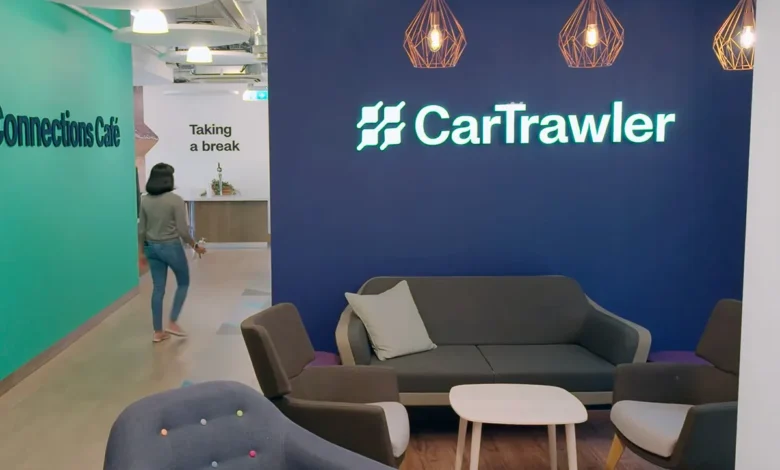
Airbnb has officially entered a strategic partnership with CarTrawler, a leading business-to-business travel technology platform, to integrate car rental services into its existing suite of travel offerings. This development, initially identified through updated terms and conditions for a credit program and subsequently confirmed by Airbnb, marks a significant milestone in the company’s evolution from a niche short-term rental provider to a comprehensive online travel agency (OTA). The service is currently live and operational in five major international markets: the United States, France, Italy, Spain, and Australia. By incorporating ground transportation into its platform, Airbnb is positioning itself to capture a larger share of the total travel spend, providing a more seamless "end-to-end" experience for its global user base.
The move comes at a pivotal time for the travel industry, as major players race to own the "connected trip"—a concept where a single platform manages every aspect of a traveler’s journey, from lodging and flights to local transport and activities. For Airbnb, the choice of CarTrawler as a partner is both strategic and complex. Based in Dublin, Ireland, CarTrawler is a dominant force in the B2B car rental and ground transport sector, providing the backend infrastructure for hundreds of airlines and travel sites. However, the partnership is set against a backdrop of shifting industry dynamics; reports emerged in May that Expedia Group is in the process of acquiring CarTrawler for approximately $350 million. If finalized, this acquisition would mean that Airbnb’s car rental functionality is powered by a platform owned by one of its primary competitors, highlighting the increasingly intertwined and "frenemy" nature of the modern digital travel economy.
Geographic Strategy and Market Selection
The initial rollout in the United States, France, Italy, Spain, and Australia is a calculated move based on high-volume travel corridors and the specific needs of guests in these regions. These five countries represent some of Airbnb’s most mature markets, where the density of listings is high and the reliance on car travel for "road trip" style tourism is significant.
In the United States, the post-pandemic "Great American Road Trip" trend has persisted, with travelers often booking rural or suburban Airbnbs that require personal vehicles for access. Similarly, in European markets like France, Italy, and Spain, regional tourism—specifically to coastal areas and wine regions—is heavily dependent on car rentals. Australia, with its vast distances and popular coastal driving routes, mirrors this demand. By focusing on these specific geographies, Airbnb is targeting a demographic that is already predisposed to booking car rentals alongside their accommodations, thereby increasing the likelihood of high conversion rates for the new service.
The Role of CarTrawler in the B2B Travel Ecosystem
CarTrawler operates as a sophisticated intermediary, connecting travel brands with over 2,000 car rental suppliers globally, including major chains like Hertz, Avis, and Enterprise, as well as local independent operators. Their technology allows partners to offer a white-labeled car rental booking engine that integrates directly into their own websites or apps.
For Airbnb, partnering with an established player like CarTrawler allows the company to bypass the immense logistical challenge of negotiating individual contracts with thousands of car rental agencies. Instead, Airbnb can leverage CarTrawler’s existing infrastructure to provide its users with real-time pricing, availability, and booking capabilities. This "plug-and-play" approach is consistent with how other major platforms, such as Uber or various airlines, have expanded their service offerings without building the underlying supply chain from scratch.
The Expedia Acquisition and Competitive Tensions
The reported $350 million acquisition of CarTrawler by Expedia Group adds a layer of intrigue to the Airbnb partnership. Expedia, which owns brands like Vrbo, Hotels.com, and Orbitz, is Airbnb’s most direct competitor in the alternative lodging space (via Vrbo). If Expedia completes the acquisition, it will essentially become a service provider to Airbnb.
This dynamic is not unprecedented in the tech world—for example, Samsung provides screens for Apple’s iPhones—but it does create a strategic vulnerability for Airbnb. Should Expedia choose to prioritize its own brands or adjust the data-sharing agreements within CarTrawler, Airbnb could find its car rental expansion hampered. Conversely, the acquisition provides Expedia with a steady stream of revenue from Airbnb’s bookings, creating a scenario where both companies benefit from the other’s growth, even as they fight for market share in the lodging sector.
Airbnb’s Strategic Pivot: Toward "Airbnb 2.0"
Since its IPO in 2020, Airbnb has been under pressure from investors to diversify its revenue streams. While the core home-sharing business remains highly profitable, the growth of the "Connected Trip" model by competitors like Booking Holdings (which owns Booking.com, Kayak, and Rentalcars.com) has set a new industry standard. Booking.com has been vocal about its goal to be the ultimate travel companion, offering everything from flights to restaurant reservations.
Airbnb CEO Brian Chesky has frequently spoken about "Airbnb 2.0," a vision that involves expanding the company’s services beyond just places to stay. In recent years, this has included the launch of "Experiences" (local tours and activities), "Guest Favorites" (a categorization of top-rated homes), and most recently, "Icons" (extraordinary experiences hosted by celebrities). The integration of car rentals is the most traditional "OTA-style" move the company has made to date. It signals a departure from Airbnb’s earlier stance of being a purely "alternative" platform and shows a willingness to adopt the successful playbooks of traditional travel giants.
Chronology of Airbnb’s Diversification Efforts
To understand the significance of the CarTrawler partnership, it is helpful to view it within the timeline of Airbnb’s broader corporate trajectory:
- 2008: Airbnb is founded as a platform for booking air mattresses in shared apartments.
- 2016: The launch of "Airbnb Experiences" marks the first major move beyond lodging.
- 2019: Airbnb acquires HotelTonight, signaling an interest in the traditional boutique hotel market.
- 2020: Despite the global pandemic, Airbnb goes public in one of the year’s most successful IPOs.
- 2021-2022: The company introduces "Categories" and "AirCover" to standardize and protect the guest experience.
- 2023: Airbnb refocuses on its "core" business, emphasizing affordability and reliability through features like "Guest Favorites."
- May 2024: Reports surface regarding Expedia’s intent to acquire CarTrawler.
- Mid-2024: Airbnb’s partnership with CarTrawler goes live in five key markets, officially adding car rentals to the platform.
Supporting Data: The Car Rental Market Opportunity
The global car rental market is projected to reach over $120 billion by 2025, driven by a resurgence in international travel and a shift toward flexible, independent itineraries. For Airbnb, which facilitates hundreds of millions of room nights per year, even a small capture rate of the car rental market represents a multi-million dollar revenue opportunity.
Data from travel analytics firms suggests that approximately 15% to 20% of travelers who book a vacation rental also require a car rental during their stay. By capturing this transaction at the point of the lodging booking, Airbnb can earn commissions that range from 5% to 15% of the rental price. This high-margin revenue requires very little overhead, as the fulfillment and customer service for the vehicle itself remain the responsibility of the rental agency and CarTrawler.
Official Responses and Industry Implications
While Airbnb has been relatively quiet regarding the specifics of the financial arrangement, a spokesperson confirmed that the partnership is part of an ongoing effort to provide more value to guests. "We are always looking for ways to make travel more seamless for our community," the company stated. "Providing easy access to car rentals is a natural extension of our mission to help people belong anywhere."
Industry analysts view the move as a defensive necessity. "Airbnb cannot afford to let Booking.com or Expedia own the entire travel wallet," says Mark Okrant, a travel industry consultant. "By adding car rentals, they are closing a gap in their product offering. The challenge will be maintaining the ‘Airbnb feel’—which is about uniqueness and local flavor—while offering a standardized commodity service like a car rental."
Broader Impact on the Travel Industry
The Airbnb-CarTrawler partnership has several long-term implications for the travel sector:
- Platform Convergence: The lines between "alternative" platforms like Airbnb and "traditional" platforms like Expedia are blurring. As Airbnb adds car rentals and Expedia’s Vrbo adds more home-sharing features, the two are becoming nearly indistinguishable in terms of service offerings.
- Data Dominance: By managing the car rental process, Airbnb gains access to more data regarding traveler behavior, such as where guests go after they check out and how far they travel from their rental. This data is invaluable for refining its "Experiences" recommendations and targeted marketing.
- Pressure on Traditional Agencies: Traditional travel agencies and smaller car rental brokers may find it increasingly difficult to compete with the sheer scale and user-friendly interface of Airbnb.
- The Rise of B2B Power Players: The Expedia-CarTrawler deal underscores the power of "invisible" infrastructure companies. CarTrawler’s ability to serve two massive rivals simultaneously makes it one of the most influential players in the travel tech stack.
Future Outlook: Beyond the Five Countries
The success of the car rental program in the U.S., France, Italy, Spain, and Australia will likely determine how quickly Airbnb expands the service to other regions. Emerging markets in Southeast Asia and South America present significant opportunities, though the car rental infrastructure in those regions is often more fragmented and difficult to integrate.
Furthermore, there is speculation that Airbnb may eventually revisit the idea of flight bookings. While Brian Chesky has previously expressed skepticism about the low-margin, high-complexity airline industry, the "Connected Trip" logic suggests that flights are the final piece of the puzzle. If Airbnb can successfully integrate car rentals via a partner like CarTrawler, it may seek a similar B2B partnership for air travel in the future.
In conclusion, Airbnb’s partnership with CarTrawler represents a strategic maturation of the company. By embracing the traditional OTA model for ground transport, Airbnb is acknowledging that to dominate the future of travel, it must be more than just a provider of unique homes; it must be a provider of complete travel solutions. The impending acquisition of CarTrawler by Expedia adds a fascinating competitive wrinkle, but for the millions of Airbnb users now able to book a car with their stay, the result is a more convenient and integrated travel experience.