China’s vast geographical expanse and its thousands of years of imperial history have cultivated one of the most complex and diverse food scenes on the planet. From the fiery, peppercorn-laden dishes of the Sichuan basin to the delicate, umami-rich seafood preparations of the coastal Chaozhou region, the culinary traditions of China are not merely sustenance; they are a historical record of migration, agricultural development, and cultural adaptation. While compiling a singular list that captures the entirety of Chinese gastronomy is an impossible task, an examination of its most essential, iconic dishes reveals the underlying structure of a cuisine defined by regional identity and centuries of refinement.
The Evolution of Imperial and Regional Flavors

The trajectory of Chinese cuisine has been heavily influenced by the shifting centers of political power. For instance, the legendary Peking duck, now synonymous with Beijing, traces its roots to the early Ming Dynasty. Historical records suggest that roasted duck preparations were first perfected in Nanjing—the original seat of the Ming Dynasty—more than 1,500 years ago. When the capital was relocated to Beijing in the 15th century, the imperial court brought its retinue of chefs and their refined recipes with them. Over the following centuries, the dish underwent a transformation, evolving into the thin-pancake-wrapped delicacy enjoyed globally today.
This migration of culinary expertise is a recurring theme. The "cross-the-bridge" rice noodles of Yunnan, for example, represent a unique intersection of folklore and regional necessity. Legend credits the dish to a scholar’s wife who sought to ensure her husband’s lunch remained hot during his isolated studies on an island. By separating the ingredients from the boiling chicken broth, she invented a method of "table-side" cooking that predates many modern culinary innovations. Today, this dish stands as a testament to the ingenuity required to maintain high standards of dining in challenging environments.
The Role of Spice and Preservation Techniques

In regions like Hunan, where the climate is often humid and mountainous, the local palate is defined by a deep affinity for chili. Hunanese or "Xiang" cuisine is characterized by a "preserved" approach to heat. The signature dish, duo jiao yu tou (steamed fish head with chopped salted chili), highlights the province’s mastery of fermentation. The chili peppers are not just fresh; they are aged in salt, ginger, garlic, and baijiu (a traditional Chinese liquor) for a minimum of seven days. This preservation process transforms the raw heat of the pepper into a complex, salty, and acidic component that balances the richness of the fish.
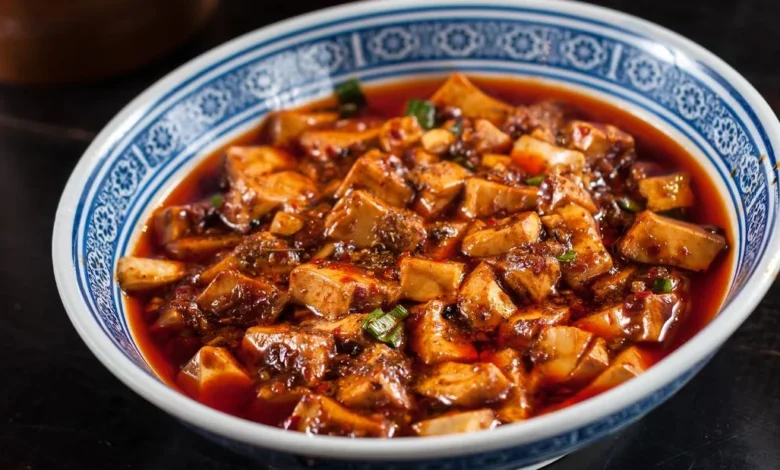
Similarly, the Sichuan province has utilized the unique Hanyuan peppercorn—known for its numbing, citrusy "mala" effect—to define its global reputation. Dishes such as mapo tofu and kung pao chicken demonstrate the deliberate balancing of spice, texture, and aroma. In the case of mapo tofu, the inclusion of broad bean chili paste from the Pidu district is considered non-negotiable by local gourmets, reflecting the importance of specific regional ingredients in maintaining the authenticity of national staples.
Technique and Mastery: The Art of the Wok and Steamer

Beyond the ingredients themselves, Chinese cuisine places a paramount emphasis on technical mastery. The Cantonese art of steaming fish is a primary example. Unlike methods that mask flavor with heavy sauces, Cantonese steaming relies on precise timing—often calculated to the second—to ensure that the fish flesh remains tender and separates easily from the bone. The slight addition of sweetened soy sauce and scallions serves only to elevate the natural sweetness of the seafood.
This emphasis on technique extends to the concept of wok hei, or the "breath of the wok." This term refers to the high-heat, rapid stir-frying technique that imparts a distinct, charred aroma to dishes like fried rice. Whether the dish is an elevated version featuring abalone and truffle, or a modest preparation of leftover ingredients, the success of the dish is measured by the cook’s ability to manipulate the heat of the iron vessel to achieve the ideal texture.
Street Food Culture and Daily Sustenance

The vitality of Chinese food is perhaps most visible in its street food culture, which provides a window into the daily rhythms of the population. In Tianjin, the morning commute is frequently punctuated by the smell of jian bing guozi, a savory crepe made from mung bean flour, topped with eggs, scallions, and a deep-fried crisp called guozi. This balanced, portable breakfast is a staple of northern urban life.
In contrast, the southern regions and the Pearl River Delta emphasize comfort and digestion. Congee, or rice porridge, serves as a blank canvas for regional variation. In the south, it is commonly paired with century egg and lean pork, while in the north, millet and pumpkin are preferred. This dish represents the therapeutic philosophy of Chinese food—the belief that the meal should restore balance to the digestive system, a concept central to the "herbal soup" culture of Cantonese households, where ingredients are simmered for hours to extract healing properties.
Dumplings: A Cultural Constant

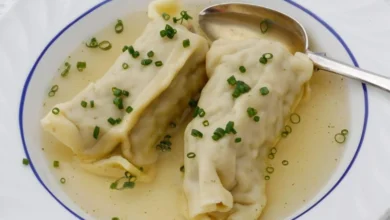
While the preparation of dumplings—jiaozi—varies from the boiled, meat-filled variants of the north to the refined, soup-filled xiaolongbao of the Jiangnan region, they represent a universal cultural constant. Xiaolongbao, which translates to "small basket soup bun," is a masterpiece of architectural cooking. The challenge of keeping the soup inside the thin wrapper while transporting the dumpling from the steamer to the spoon is a hallmark of high-level dim sum preparation.
Fujian’s rouyan offers another variation, utilizing a wrapper made from a mixture of pork and flour, which provides a signature chewiness that differentiates it from standard flour-based dumplings. These variations underscore the adaptability of the dumpling format, which serves as both a humble, everyday meal and a festive centerpiece during holidays like the Lunar New Year.
Economic and Global Implications

The global proliferation of these dishes has had significant economic implications for China’s hospitality sector. Data from the Ministry of Commerce indicates that the domestic catering industry has seen consistent growth, driven by an increasing interest in regional heritage foods. The "food tourism" sector, where travelers specifically visit regions like Shunde or Chengdu to experience authentic preparations of Chen cun fen (flat rice noodles) or beef hot pot, has become a significant driver of local economies.
Furthermore, the preservation of these traditional methods is a subject of ongoing academic and culinary study. As urbanization changes the landscape of Chinese cities, there is an increased focus on documenting the recipes and techniques of "master chefs" who have spent decades perfecting regional specialties. This effort is supported by various local governments that recognize culinary heritage as an essential component of the country’s soft power and cultural identity.
Conclusion: A Living Tradition

The culinary map of China is in a constant state of flux. While core traditions remain rooted in history, the contemporary food scene is increasingly defined by innovation and the cross-pollination of regional styles. From the smoky, wood-fired geese of Guangdong to the Hakka-style braised pork belly known as Dongpo rou, each dish on this list represents a confluence of geography, climate, and human ingenuity. As the global appreciation for Chinese cuisine continues to evolve, the focus remains on the foundational elements that have sustained these dishes for centuries: the pursuit of flavor, the mastery of technique, and the deep-seated respect for the ingredients provided by the land and sea. For the traveler or the enthusiast, these essential eats offer more than just a meal; they provide a comprehensive, edible history of a nation.