Frontier Flight Attendant Grabs Woman Screaming “Open The Door” While Her Mother Was Unresponsive

A routine domestic flight arriving early at Hartsfield-Jackson Atlanta International Airport turned into a volatile standoff on October 6, when a mechanical failure with a jet bridge trapped passengers inside a Frontier Airlines aircraft. The incident, which occurred on Flight 2052 arriving from New Orleans, resulted in a physical altercation between a flight attendant and a passenger, raising significant questions regarding emergency protocols, cabin environment management, and the limitations of airline responsiveness during ground delays.
The Chronology of Events
Flight 2052 arrived at its gate in Atlanta 20 minutes ahead of its scheduled arrival time, appearing to be a successful conclusion to the short-haul trip. However, shortly after the cabin crew initiated the deplaning process, a technical malfunction rendered the jet bridge inoperable. According to reports, the bridge became misaligned with the aircraft’s main cabin door, forcing the crew to halt the exit process immediately.
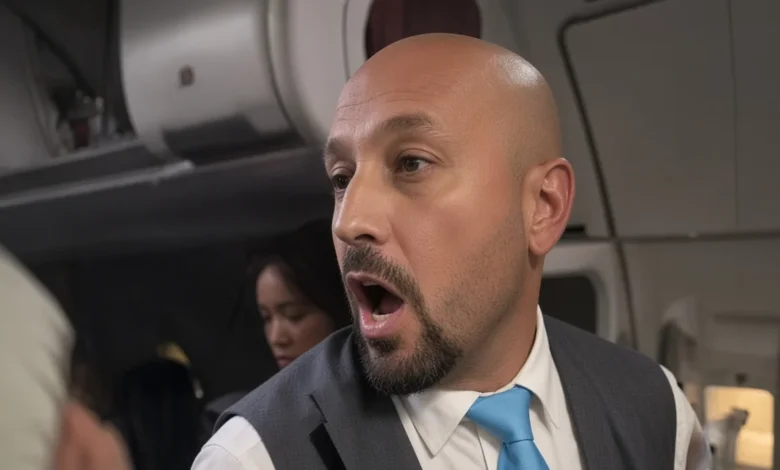
As the delay stretched on, tension within the cabin reached a breaking point. Video footage captured during the incident depicts a crowded forward galley, with passengers growing increasingly agitated as the cabin temperature reportedly climbed. The primary catalyst for the escalating physical confrontation was a medical emergency involving an elderly passenger. The daughter of the unresponsive woman, clearly distressed, was seen attempting to force the cabin door open to alert ground staff and secure medical intervention. A flight attendant is observed physically intervening, restraining the woman to prevent her from accessing the door, while other passengers vocalized their frustration regarding the lack of airflow and the stalled repair process.
Discrepancies in Timeline and Environment
There is a notable disparity between passenger accounts and airline statements regarding the duration of the incident. While social media captions and eyewitness reports claimed that passengers were held in the cabin for approximately one hour without adequate air conditioning, Frontier Airlines issued a statement asserting that the total repair process lasted 27 minutes.
The discrepancy underscores the subjective nature of "tarmac time" for passengers experiencing high-stress environments. Even if the maintenance repair itself was completed within a half-hour window, the preceding time spent preparing for deplaning, coupled with the onset of the medical emergency, likely contributed to a perceived delay that felt significantly longer to those on board. Furthermore, the lack of air conditioning—a common complaint during ground delays—exacerbates physiological stress, making a 27-minute wait feel like a prolonged ordeal, particularly for vulnerable travelers.
Regulatory Framework and Tarmac Delay Guidance
Under the United States Department of Transportation (DOT) tarmac delay rules, airlines are mandated to provide adequate food, water, and restroom facilities, as well as ensure that the cabin environment remains safe and comfortable. While these rules are most strictly enforced for flights sitting on the tarmac waiting for departure, the spirit of these regulations is intended to extend to all phases of ground operations.
The DOT’s guidance emphasizes that in the event of a medical emergency, the safety and health of the passengers must supersede standard operational protocols. The incident on Flight 2052 suggests a potential failure in communication between the flight crew, who were focused on the immediate physical security of the door, and the ground crew, who were responsible for the jet bridge maintenance. When a passenger becomes unresponsive, the priority must shift from "maintaining the integrity of the aircraft door" to "facilitating emergency medical access."
Operational Challenges in Ground Handling
From an aviation operations perspective, the flight attendant’s actions to secure the door are consistent with standard safety training. Opening an aircraft door when a jet bridge is misaligned poses a severe risk of injury or death to passengers, as there is a potential for a significant drop between the cabin threshold and the terminal structure. In this context, the flight attendant was performing a duty designed to prevent a secondary accident.
However, the failure lies in the lack of an alternative contingency plan. Airlines utilize Ground Power Units (GPU) or the aircraft’s onboard Auxiliary Power Unit (APU) to maintain cabin climate control while engines are shut down at the gate. If these systems were inactive or insufficient during the repair, the flight crew should have initiated an immediate request for a mobile staircase or a secondary bridge alignment to facilitate an emergency exit, particularly once a medical distress call was registered.
Industry Context and Precedent
This incident is not an isolated event but rather part of a broader trend of passenger frustration during ground-related delays. Similar incidents have been documented across the industry, including instances where passengers have resorted to opening emergency exits out of desperation or panic. In a notable case involving American Airlines in Charlotte, a passenger opened an emergency exit while waiting for a jet bridge, an act that triggered a federal investigation and significant safety concerns.
Furthermore, incidents involving Delta Air Lines and JSX have highlighted the risks of heat-related illnesses during extended ground delays, particularly in warmer climates or during summer months. These events have led to increased scrutiny of how airlines manage the "gap" between arrival at the gate and the actual deplaning of passengers. The industry is currently facing pressure to standardize protocols for when jet bridges fail, ensuring that ground staff can deploy alternatives—such as stairs or specialized transport—within a designated timeframe.
Analysis of Implications
The Frontier Airlines incident serves as a case study in the breakdown of crisis communication. When passengers are left in the dark regarding the nature of a delay, their propensity to act on anxiety increases. The lack of proactive, clear communication from the flight deck or the gate agents likely turned a mechanical inconvenience into a volatile confrontation.
For the airline industry, the implications are two-fold:
- Technical Resilience: Airports and airlines must invest in more robust jet bridge maintenance to reduce the frequency of alignment failures.
- Staff Training: Cabin crews require more nuanced training on balancing safety protocols (such as keeping doors closed) with the urgency of medical emergencies.
The legal and public relations ramifications for Frontier are also significant. While the airline maintains that it followed standard operating procedures during the repair, the optics of a flight attendant restraining a woman whose mother was experiencing a medical crisis are damaging to the brand’s reputation. It also invites potential regulatory review from the DOT, which may investigate whether the airline failed to provide the necessary level of care mandated for passengers in distress.
Conclusion and Path Forward
The events of October 6 underscore the precarious nature of air travel, where the line between a routine arrival and an emergency situation is often thinner than passengers realize. While the flight attendant’s primary concern was preventing a fall-related injury, the failure to prioritize the medical needs of the passengers reflects a rigid adherence to procedure that may be insufficient in the face of human crisis.
Moving forward, airlines must reconsider their "holding patterns" at the gate. If a mechanical issue cannot be resolved within a 15-minute window, protocols should automatically trigger an assessment for alternative deplaning methods. By integrating better environmental controls, more transparent communication, and flexible emergency response, carriers can avoid the chaotic scenes that defined the arrival of Flight 2052. The aviation industry remains one of the safest modes of transportation, but the "human element" of ground operations remains an area where consistency and compassion are as vital as technical expertise. As the investigation into this incident continues, it is likely that the FAA and DOT will examine these specific protocols to ensure that future ground delays do not result in further physical or emotional harm to the traveling public.