The Silent Exodus: Why Millions of Credit Cardholders Are Switching Without Closing Their Accounts

The American credit card landscape is undergoing a quiet, fundamental transformation, defined not by the cancellation of accounts, but by a strategic redistribution of consumer spending. According to a comprehensive new study from PYMNTS Intelligence, produced in collaboration with Elan Credit Card, more than one-third of U.S. credit cardholders have fundamentally altered their primary payment habits over the past 24 months. Perhaps most significantly, the majority of these consumers did not need to open a new account to execute this shift; they simply reached into their existing financial arsenal, pulled out a card that had been relegated to the back of their wallet, and moved it to the front.
This behavioral trend represents a significant challenge to the traditional banking model, which has historically prioritized the acquisition of new customers over the active engagement of existing ones. The survey, which polled 2,460 U.S. cardholders in June 2026, estimates that approximately 78 million Americans have changed their primary credit card within the last two years. While these consumers may technically remain active cardholders, the migration of their daily transaction volume to a competitor’s product creates a "hollowed-out" customer base—a state where the bank maintains the account, but loses the lucrative interchange fees and data associated with everyday spending.
The Anatomy of the Switch: Existing Inventory vs. New Acquisitions
The data reveals a stark contrast between conventional wisdom and consumer reality. Conventional industry metrics often track "churn" by counting account closures. However, the PYMNTS Intelligence findings indicate that 58% of those who switched their primary card simply elevated an existing, dormant, or secondary card to "top-of-wallet" status. Only 42% of consumers felt compelled to go through the friction of applying for, waiting for, and activating a brand-new credit card to facilitate their change in behavior.
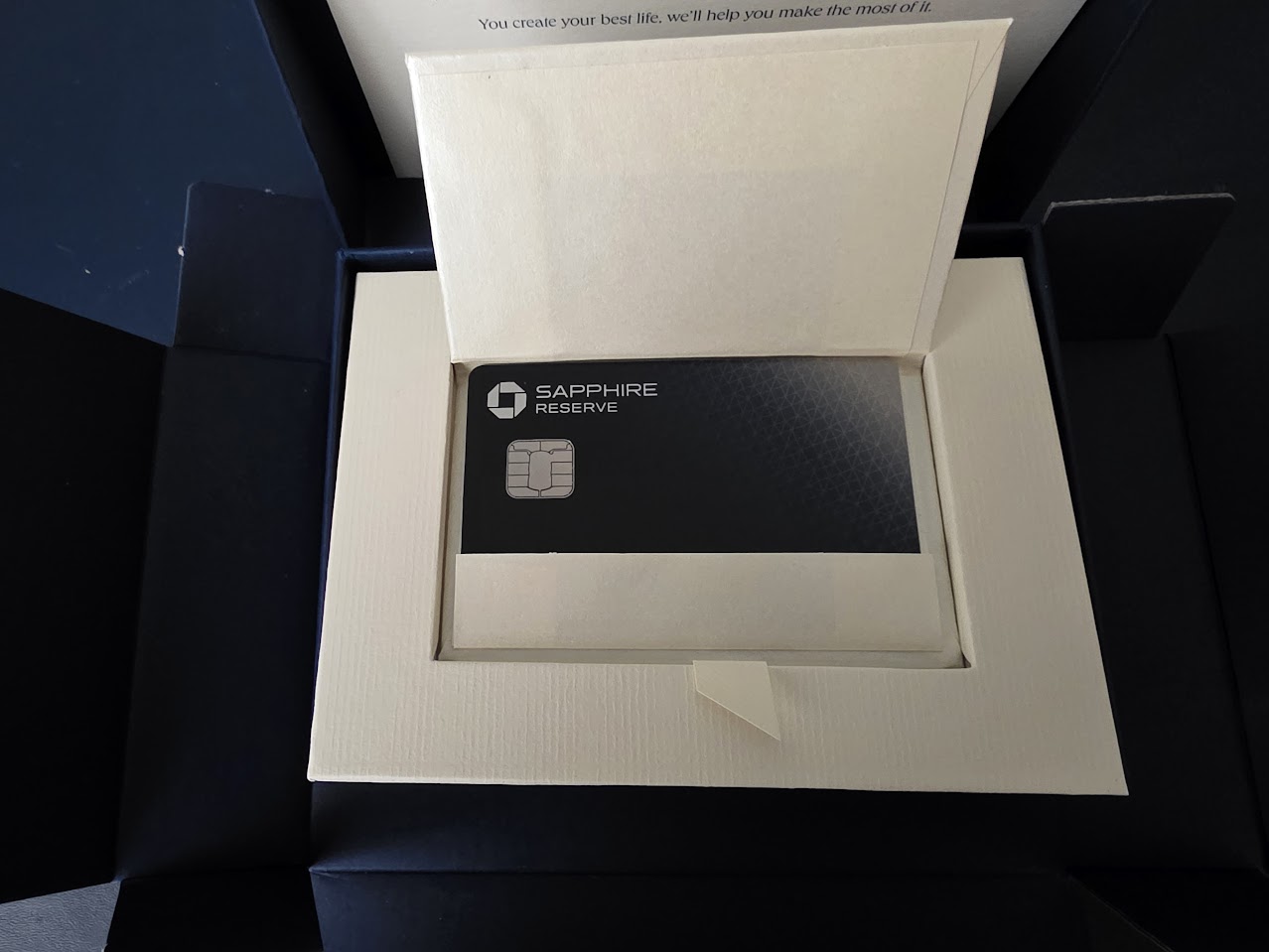
This dynamic is increasingly common among credit card power users and travel enthusiasts. For instance, a cardholder might maintain a premium travel card specifically for its annual lounge access benefits or elite status perks, even if they have shifted their everyday groceries, gas, and retail spending to a different card that offers a higher rewards rate on those specific categories. The original account remains open, the annual fee is paid, and the bank continues to count the user as a customer. Yet, the bank’s profit margin on that relationship shrinks significantly because the card is no longer the primary engine of the consumer’s financial life.
The Retention Paradox: Why Traditional Tactics Fail
Financial institutions have long relied on "retention offers"—bonuses, statement credits, or fee waivers offered only when a customer explicitly requests to cancel their account—to stem the tide of churn. However, the current data suggests that by the time a customer reaches the point of calling a service representative to close an account, the relationship has already effectively ended.
The psychology of the "retention call" creates a perverse incentive structure. Customers quickly learn that the most effective way to trigger a bonus is to threaten departure. Banks, in turn, are forced to decide whether the cost of a retention bonus is worth the potential future revenue from a customer who has already demonstrated a clear intent to leave. When a bank offers a one-time incentive to prevent cancellation, they often succeed only in delaying the inevitable. If the customer is offered a bonus to keep the account open, they may resume spending temporarily to meet the requirements of the incentive, only to return the card to a "drawer-only" status once the bonus points are secured. This cycle is rarely profitable for the lender.
A Shifting Strategy: Proactive Engagement vs. Reactive Defense
The data indicates that banks are struggling to identify the specific triggers that lead to card switching. While 32% of switchers who received a retention offer were provided with a fee waiver, and 31% were offered statement credits, these figures fail to account for the customers who were never given an offer at all.

There is an evident disconnect between what banks are currently providing and what consumers are actually seeking. While many institutions lean on fee waivers to appease dissatisfied customers, the survey data highlights that nearly a quarter of switchers (23%) moved their spending specifically because they were unhappy with a new or increased fee. For this segment, a temporary waiver is merely a stay of execution rather than a long-term solution.
The industry is beginning to experiment with more sophisticated, proactive engagement. Rather than waiting for a cancellation request, some major issuers have begun deploying large-scale spending incentives to existing cardholders. For example, recent targeted campaigns have seen major issuers offering hundreds of thousands of bonus points contingent upon achieving specific high-volume spending thresholds. By decoupling these rewards from the act of closing an account, banks are attempting to gamify the "top-of-wallet" position, encouraging customers to keep the card active through consistent, high-value usage rather than defensive retention.
Chronology of the Modern Wallet Shift
The evolution of the "top-of-wallet" position has accelerated over the last decade due to several key factors:
- 2015–2019: The Rise of Premium Rewards. As issuers like Chase, American Express, and Capital One flooded the market with premium cards, consumers began collecting multiple cards to maximize specific bonus categories.
- 2020–2022: Pandemic-Induced Changes. During the height of the COVID-19 pandemic, spending habits shifted toward online retail and grocery delivery. Many consumers found their previous "everyday" cards were no longer optimized for these new spending categories, prompting a massive wave of internal card shuffling.
- 2023–2025: The Fee Compression Era. As interest rates climbed and banks looked for ways to offset rising costs, many institutions increased annual fees. This triggered a widespread re-evaluation of card value propositions among the general public.
- 2026: The Data-Driven Realization. With the release of current research, the industry is forced to confront the reality that "account status" is a poor proxy for "customer loyalty."
Fact-Based Implications for the Financial Sector
The broader implication of this study is that financial institutions must reorient their data analytics. If the goal is to maximize customer lifetime value (CLV), banks can no longer rely on simple metrics like "accounts open" or "monthly active users." They must instead develop granular tracking for "share of wallet."

For the consumer, this trend suggests a potential increase in personalized, category-specific rewards. As banks realize that they cannot win on fee waivers alone, they will likely move toward more dynamic, personalized reward structures. This could mean more offers that provide 5x or 10x points on specific categories for a limited time, or "spend-and-get" offers that do not require the threat of cancellation.
However, the cost-benefit analysis for the banks remains precarious. Acquiring a new customer is significantly more expensive than retaining an existing one, but retaining a customer who has already mentally switched to a competitor requires a level of investment that may exceed the profit potential of that individual’s spending habits. Banks are walking a tightrope: offering too little results in a permanent loss of transaction volume, while offering too much erodes the margin on the entire portfolio.
Conclusion: The Future of Consumer Banking Loyalty
The era of "set it and forget it" credit card usage is effectively over for a large segment of the population. Consumers have become more sophisticated in managing their rewards, and the barrier to switching—at least within one’s existing wallet—is lower than ever.
As the industry moves forward, the institutions that succeed will be those that view retention not as a reactive measure performed at the brink of closure, but as an ongoing, data-driven process of engagement. Whether through enhanced rewards, better integration with digital wallets, or more frequent and meaningful spending incentives, the competition for the "top-of-wallet" position is intensifying. For the 78 million Americans who have already made the switch, the message to the banking industry is clear: loyalty is no longer guaranteed by the plastic sitting in the drawer; it must be earned through every swipe, chip-insert, and tap of the phone.