The poultry industry remains a cornerstone of global protein consumption, with the chicken breast specifically maintaining its status as the most versatile and sought-after cut for health-conscious consumers and culinary professionals alike. As home cooking continues to evolve in the post-pandemic landscape, digital media platforms have seen a resurgence in instructional content designed to mitigate "kitchen fatigue." The latest installment of the "One Ingredient, Three Ways" series highlights a shift toward elevated, technique-driven home cooking, featuring contributions from prominent culinary figures including Odette Williams, Christina Chaey, and Dan Pelosi. This initiative seeks to transform the perception of the chicken breast from a utilitarian dietary staple into a centerpiece of sophisticated gastronomy through the application of classic European techniques, Asian-inspired fusion, and traditional Italian-American methods.
Contextualizing the Global Poultry Market and Consumer Trends
To understand the relevance of these culinary developments, one must look at the broader economic and nutritional landscape. According to data from the United States Department of Agriculture (USDA), per capita consumption of poultry in the United States has steadily climbed over the last decade, reaching approximately 100 pounds per person annually. The chicken breast, prized for its high protein-to-fat ratio, accounts for a significant portion of this market share. However, the cut is frequently criticized by domestic cooks for its tendency to become dry or unpalatable when overcooked—a technical challenge that the featured recipes aim to solve through specific moisture-retention strategies.
The rise of the "creator economy" in food media has also influenced how these techniques are disseminated. The contributors to this series are not merely recipe developers; they represent a new guard of culinary influencers who utilize newsletters and social media to build communities around specific lifestyle aesthetics. Authors like Odette Williams (author of Simple Pasta) and Dan Pelosi (known as "GrossyPelosi") have leveraged their platforms to advocate for "accessible gourmet" cooking, a trend that prioritizes high-quality results without the gatekeeping of traditional fine dining.
Profiles in Contemporary Gastronomy
The three experts featured in the latest culinary survey bring diverse backgrounds to the table. Odette Williams, an Australian-born, Brooklyn-based author, is recognized for her ability to distill complex flavors into "simple" frameworks. Her approach to the chicken breast focuses on the refinement of pan-sauce emulsification.
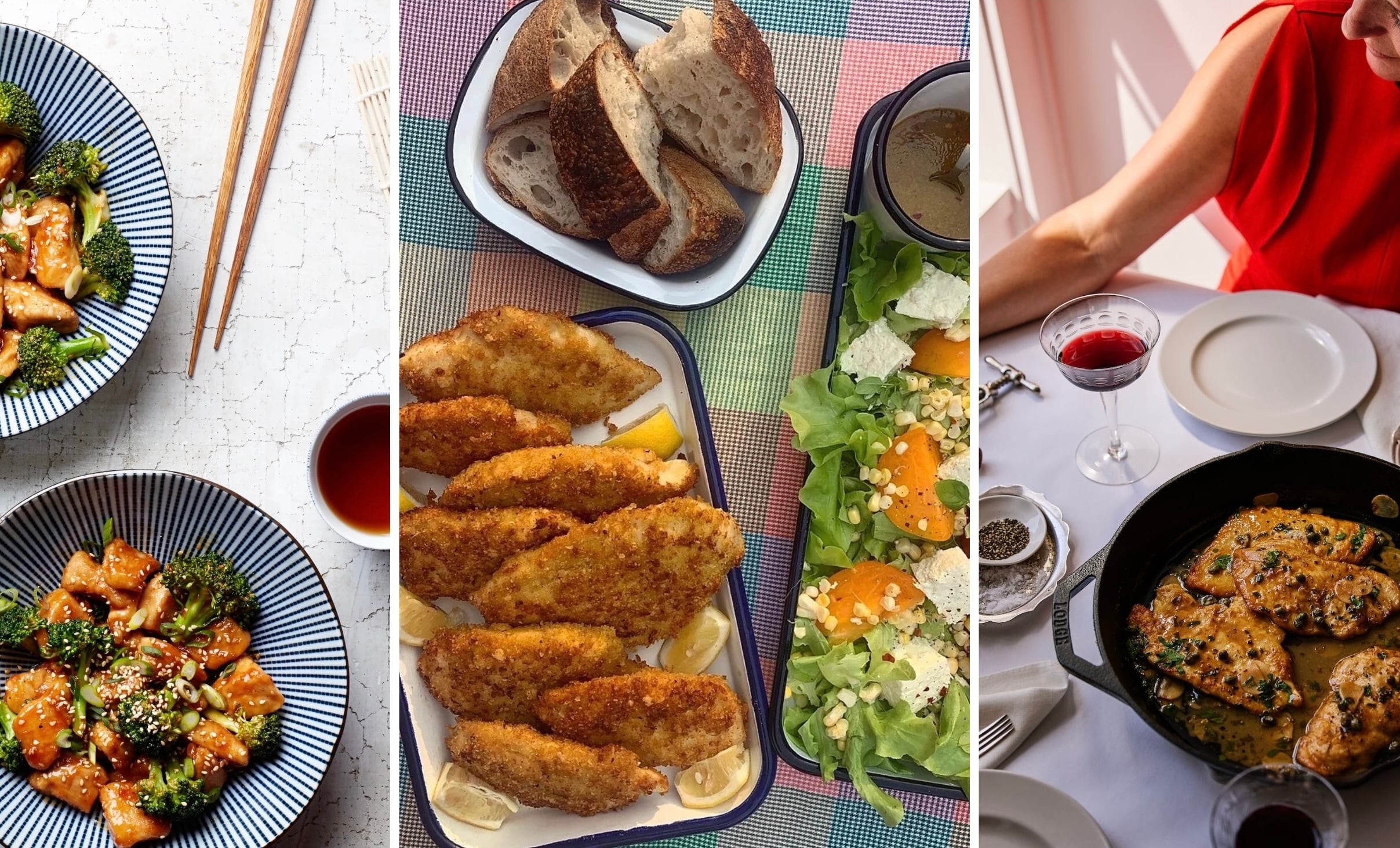
Christina Chaey, a former editor at Bon Appétit and writer of the "Gentle Foods" newsletter, represents a move toward "functional deliciousness"—meals that are efficient to prepare for the weekday schedule while maintaining nutritional integrity. Her selection of a recipe by Rhoda Boone emphasizes the technical use of cornstarch to achieve texture.
Dan Pelosi, author of Let’s Eat and Let’s Party, occupies the space of Italian-American comfort food. His methodology focuses on the cultural "cutlet," a preparation style that serves as a versatile foundation for multiple meal formats. Pelosi’s inclusion of non-traditional ingredients, such as spicy brown mustard, illustrates the ongoing innovation within heritage-based cooking.
Methodology One: The European Influence of Chicken Piccata
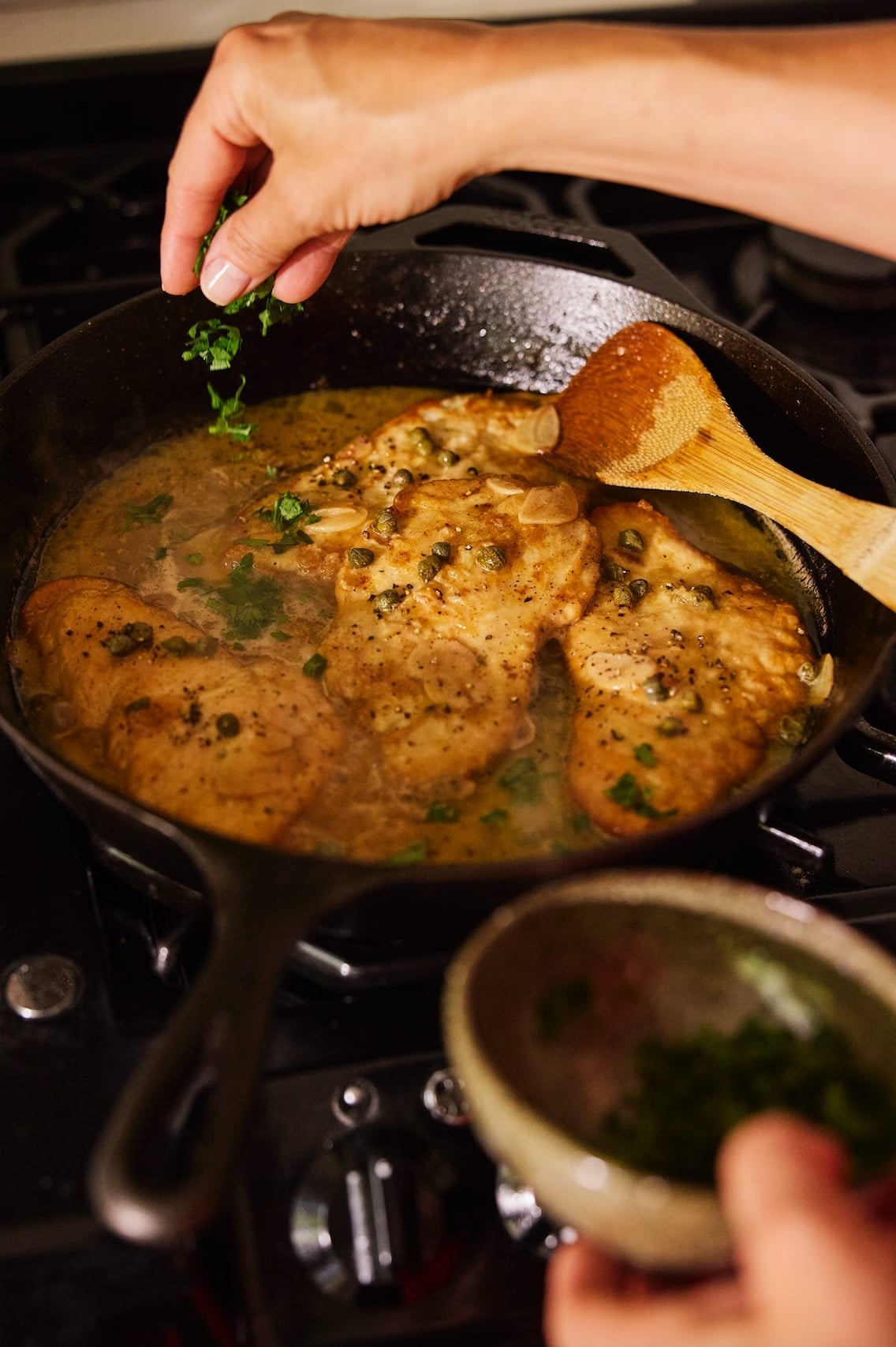
The first approach, presented by Odette Williams, utilizes the classic Piccata method. This technique relies on the mechanical tenderization of the meat to ensure even cooking and rapid heat penetration. By pounding the chicken breast to a thickness of approximately 1/4 inch, the cook minimizes the time the protein spends on the heat, thereby preserving its internal moisture.
Technical Specifications and Process:
The recipe calls for two skinless breasts (1.5 lbs), dredged in seasoned all-purpose flour. The cooking process involves a two-stage thermal application: a high-heat sauté in olive oil and butter to achieve a golden crust (Maillard reaction), followed by the creation of a pan sauce. The sauce utilizes white wine and chicken stock as deglazing agents, which are then reduced to concentrate flavors. The addition of cold butter at the final stage—a technique known in French cuisine as monter au beurre—creates a glossy, emulsified coating that balances the acidity of the lemon juice and the salinity of the capers.
Williams notes that this preparation is designed for efficiency, often referred to in professional kitchens as "à la minute" cooking. The result is a dish that bridges the gap between home-cooked convenience and restaurant-tier presentation.
Methodology Two: Fusion Techniques and Textural Contrast
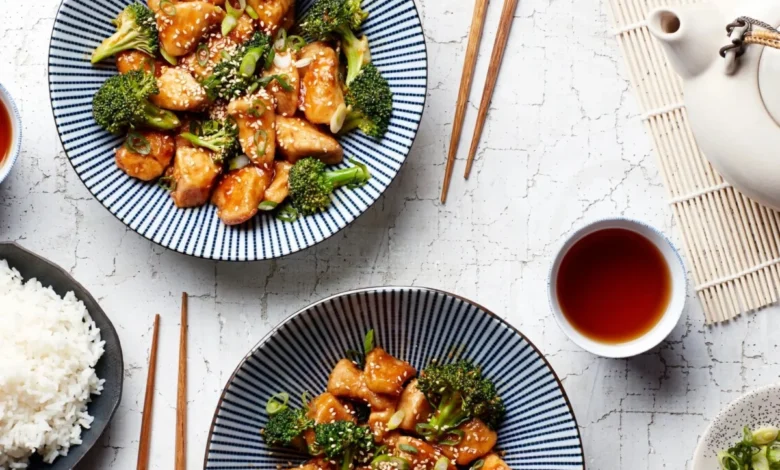
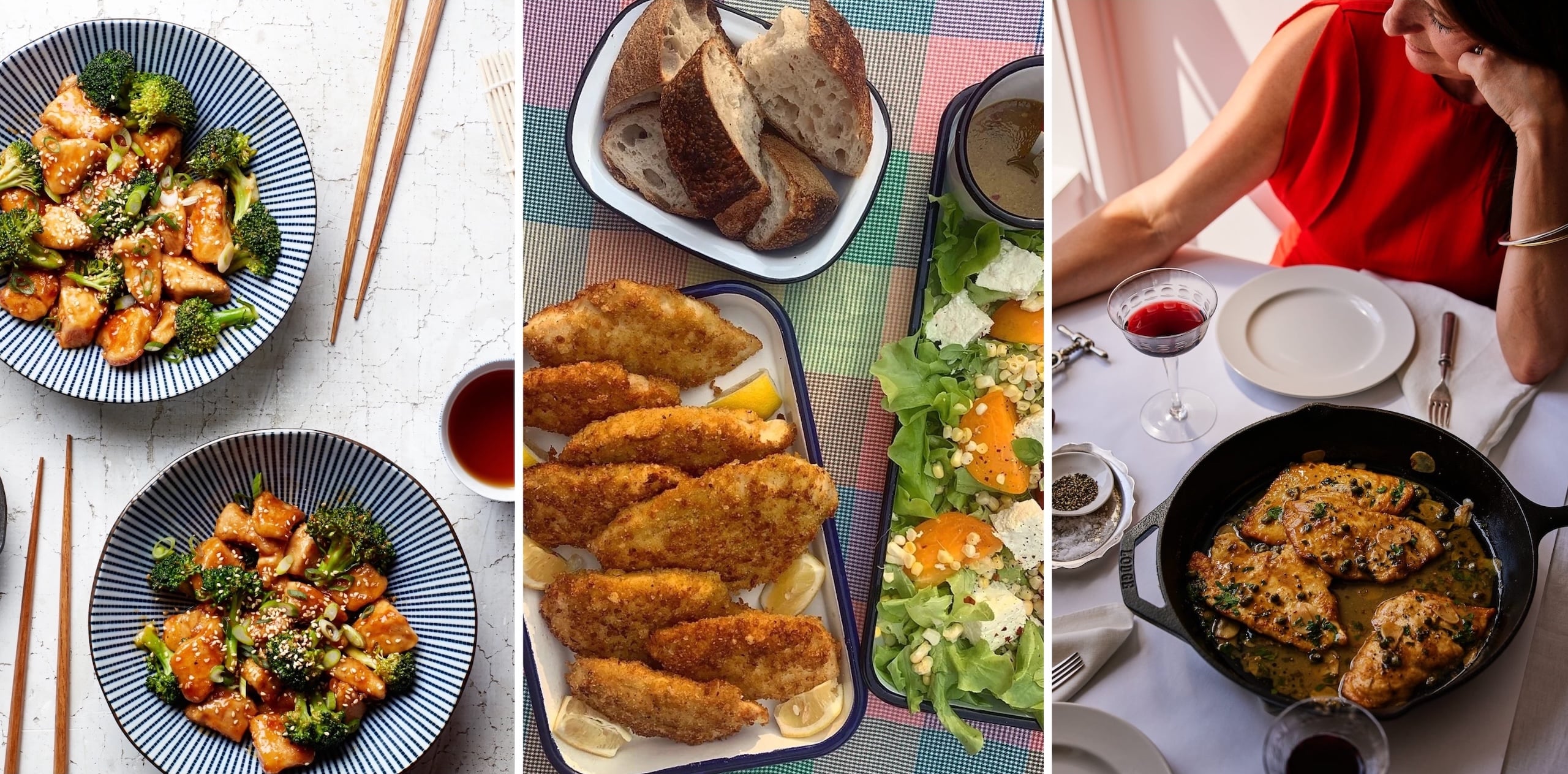
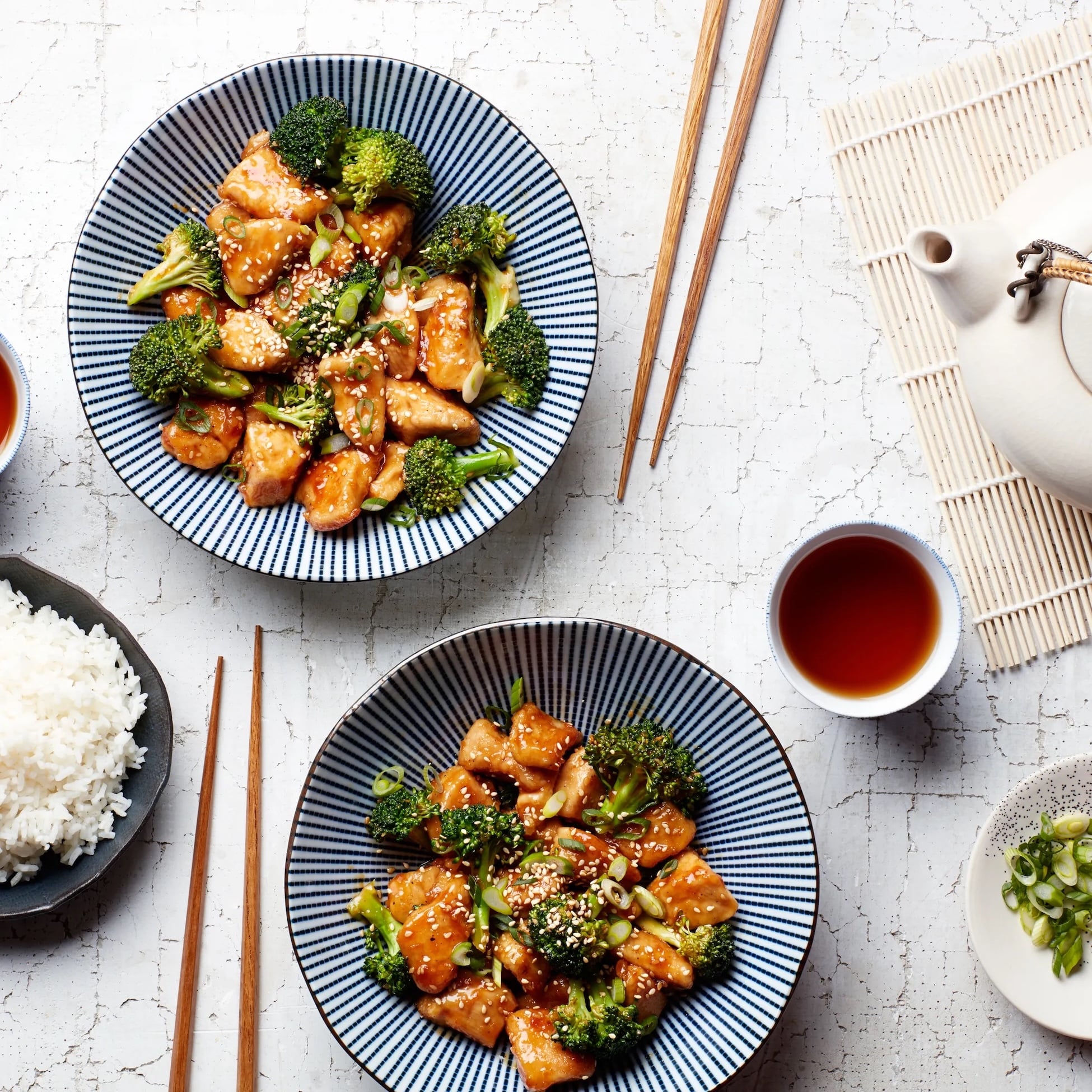
The second methodology, advocated by Christina Chaey and developed by Rhoda Boone, addresses the "one-pan" meal trend while incorporating elements of American-Chinese culinary traditions. This approach focuses on the interaction between starch and high-heat frying to create a protective barrier around the chicken chunks.
Technical Specifications and Process:
The "Quick Sesame Chicken with Broccoli" utilizes two pounds of chicken cut into one-inch cubes. The critical technical step here is the use of cornstarch as a coating. When subjected to high heat in vegetable oil, cornstarch creates a thin, crisp shell that prevents the interior of the chicken from drying out.
The flavor profile is built on a complex matrix of honey, soy sauce, rice wine vinegar, Sriracha, and ginger. From a chemical perspective, the honey acts as a glaze that thickens as it reduces, allowing the sauce to adhere to both the protein and the steamed broccoli. The inclusion of sesame oil and toasted sesame seeds provides a depth of toasted fats that rounds out the sharp acidity of the vinegar. This method is noted for its logistical efficiency, as the broccoli can be steamed using the residual heat from the rice preparation, reflecting a modern emphasis on reducing energy consumption and cleanup time.
Methodology Three: The Cultural Significance of the Italian-American Cutlet
Dan Pelosi’s contribution focuses on the "cutlet culture," a staple of Northeastern American cuisine. Unlike the Piccata, which is lightly dredged, the Pelosi cutlet utilizes a "standard breading procedure" (SBP) with a specific modification: the addition of spicy brown mustard to the egg wash.
Technical Specifications and Process:
The recipe requires three pounds of thin-cut chicken breasts. The breading station is organized into three distinct phases:
- The Flour Phase: Providing a dry surface for the binder.
- The Binder Phase: Eggs whisked with mustard. The mustard serves as an emulsifier and a flavor enhancer, providing an acidic counterpoint to the fried coating.
- The Coating Phase: Panko breadcrumbs combined with grated Parmesan and lemon zest. Panko is preferred over traditional breadcrumbs for its larger surface area, which results in a crunchier texture.
The cutlets are shallow-fried in a quarter-inch of oil. Pelosi emphasizes the importance of managing "hot spots" in the pan to ensure even browning. This preparation is analyzed not just as a meal, but as a culinary "component"—a versatile asset that can be repurposed into sandwiches, salads, or traditional parmigiana.
Technical Analysis of Culinary Techniques
The common thread across these three methodologies is the strategic management of the chicken breast’s inherent lean nature. Because the breast lacks the connective tissue and fat content of the thigh, it is susceptible to "thermal shock."
- Mechanical Tenderization: (Williams) Pounding the meat breaks down muscle fibers and ensures that the exterior does not overcook before the center reaches the safe internal temperature of 165°F (74°C).
- Starch Barriers: (Boone/Chaey) Using cornstarch or flour creates a sacrificial layer that bears the brunt of the heat, allowing the protein to steam in its own juices.
- Acidic Modulation: All three recipes utilize acid (lemon, vinegar, or mustard) to brighten the flavor profile. This is a standard professional technique used to cut through the richness of the fats (butter, oil, or cheese).
Economic and Nutritional Considerations
From a consumer standpoint, the chicken breast remains an economical choice despite fluctuating food prices. As of mid-2024, the Bureau of Labor Statistics reported that while poultry prices have seen volatility due to avian flu outbreaks and supply chain shifts, chicken remains significantly more affordable than beef or lamb.
Nutritionally, a 4-ounce serving of boneless, skinless chicken breast provides approximately 31 grams of protein and only 3.6 grams of fat. By utilizing the techniques described by Williams, Chaey, and Pelosi, home cooks can maintain these nutritional benefits without the addition of the heavy cream or excessive sodium often found in processed or pre-packaged chicken meals.
Broader Impact and Implications
The "One Ingredient, Three Ways" series reflects a broader movement in the publishing industry toward "repertoire cooking." Rather than encouraging consumers to buy a vast array of specialized ingredients, modern culinary experts are teaching them to master a single, versatile ingredient. This approach reduces food waste—a major global concern—and increases "food agency," the ability of an individual to prepare a variety of meals from a limited pantry.
Furthermore, the collaboration between different authors highlights a spirit of "culinary curation." In an era of information overload, consumers are increasingly looking to trusted voices to filter through the millions of available recipes. By presenting three distinct cultural and technical approaches to the same cut of meat, this series provides a comprehensive educational framework for the modern kitchen.
As we look toward the future of home gastronomy, the focus is likely to remain on this intersection of technique, efficiency, and cultural heritage. The chicken breast, once the symbol of mundane dieting, has been successfully reclaimed as a canvas for high-level culinary expression. Through the refinement of the sauté, the glaze, and the fry, these experts have provided a roadmap for the next generation of home cooks to achieve professional-grade results in the domestic sphere.