The Evolution and Modern Reality of Honeymoon Traditions: Insights from Global Travelers

The tradition of the honeymoon—a post-nuptial getaway designed for couples to celebrate their union and transition into married life—has undergone a significant transformation over the last century. While historically rooted in ancient customs such as the consumption of honey-based mead in Babylon to ensure fertility, the contemporary honeymoon has evolved into a diverse expression of personal values, economic priorities, and lifestyle preferences. Recent qualitative data collected from a cross-section of married individuals highlights that the modern "dream trip" is no longer defined by a singular luxury standard, but rather by the pursuit of shared experiences, ranging from high-adventure excursions to low-key domestic retreats.
A Brief History and Modern Context
Historically, the honeymoon served as a private retreat for couples to establish intimacy away from the scrutiny of family and community. By the late 20th century, the rise of the commercial travel industry standardized the "all-inclusive" beach resort as the archetype of the honeymoon. However, current trends suggest a departure from this monolithic model. Today’s couples are increasingly prioritizing authentic experiences, cultural immersion, and even unconventional logistics—such as cross-country relocations or "babymoons" that integrate children into the celebration—to mark the commencement of their marriage.
Diverse Approaches to the Post-Wedding Getaway
A survey of diverse honeymoon experiences reveals the spectrum of modern priorities. For some, the honeymoon is a recovery period from the logistical and emotional intensity of wedding planning. For others, it is an opportunity for experiential tourism.

- The Recovery Cruise: Some couples favor structured, low-maintenance travel. A common choice remains the Mediterranean cruise, which offers a blend of relaxation and sightseeing without the stress of constant navigation. This allows couples to decompress from the "whirlwind" of wedding preparation and any associated social pressures.
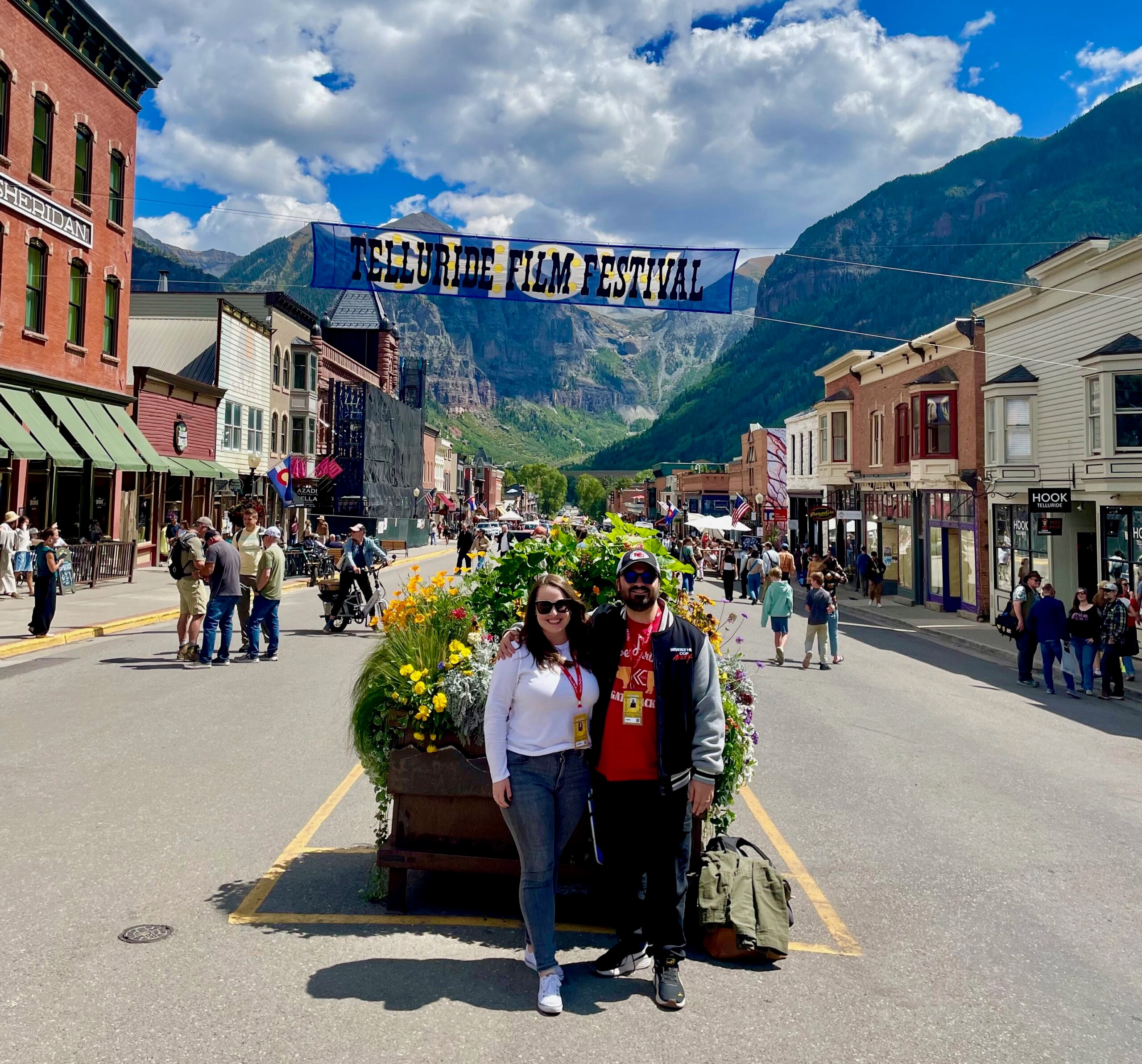
- Cultural and Intellectual Engagement: For couples with niche interests, the honeymoon serves as an extension of their personal identities. For example, film enthusiasts have been documented choosing specialized events like the Telluride Film Festival. Such trips provide intellectual stimulation and the chance to engage with professional spheres of interest in a scenic setting.
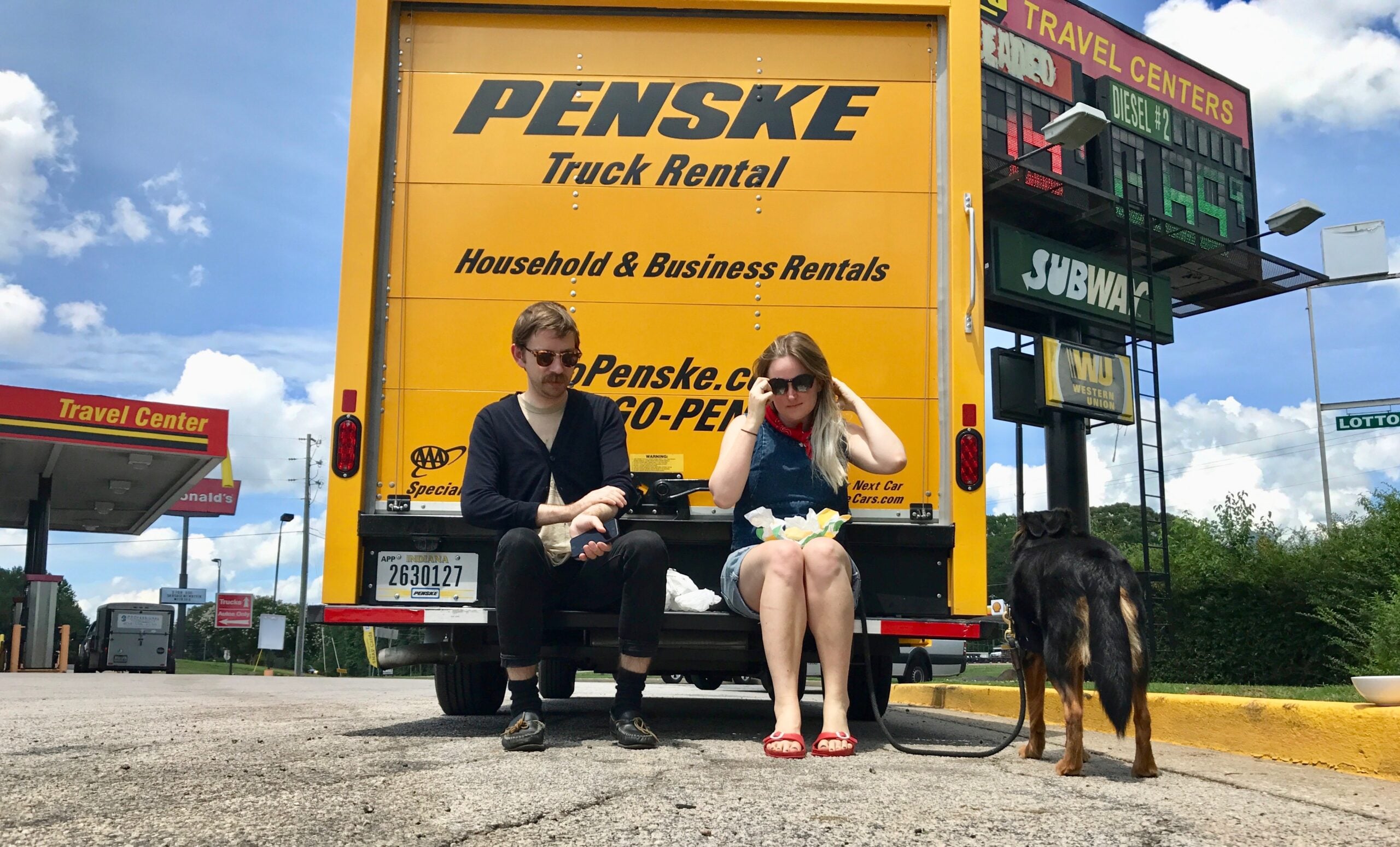
- The "Life-Event" Honeymoon: Increasingly, the honeymoon is being used as a logistical bridge. Some couples choose to combine their romantic getaway with a major life transition, such as a cross-country move. While this approach replaces the traditional "relaxation" aspect with the labor of transit, it provides a sense of shared purpose and resilience-building that many couples value more than a standard vacation.
- Inclusive Family Travel: The trend of "babymoons"—or bringing infants along on the honeymoon—has gained traction. This reflects a shift toward viewing the family unit as the primary entity, rather than the couple as a separate, child-free unit. Destinations like Hawaii or coastal resorts remain popular due to their ability to provide both adult amenities and family-friendly environments.
Economic Implications and Travel Patterns
The travel industry has responded to these varied demands by diversifying offerings. Data from the travel sector indicates that while the "splurge" remains a significant driver of the market, there is a marked increase in "slow travel." This movement emphasizes staying in one location for an extended period, engaging with local populations, and choosing sustainable or rural accommodations, such as the farm-stays in the Cotswolds, England.
Furthermore, the "familiarity trend"—where couples return to locations they have visited previously—is on the rise. This behavior, often referred to as "comfort travel," allows couples to avoid the "fear of missing out" (FOMO) and the stress of navigating a new environment, ensuring that the honeymoon serves its primary purpose: rest and reconnection.
The Role of Shared Adversity in Romantic Bonding
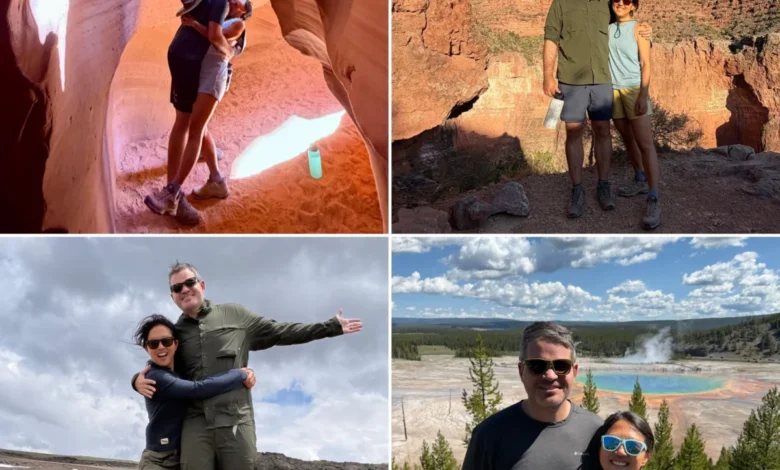
Psychological experts often note that the experiences encountered during travel—both positive and negative—can serve as a foundation for a successful marriage. The "Heidi effect," named after couples who opt for rugged camping, illustrates this phenomenon. When faced with environmental challenges, such as equipment failure or inclement weather, couples who successfully navigate these hurdles often report a higher degree of mutual confidence. The act of laughing through a flooded tent or managing long-haul logistics acts as a low-stakes training ground for the inevitable challenges of long-term partnership.
Analysis: Why the Modern Honeymoon Matters
The shift away from standardized travel packages toward personalized, authentic experiences signals a broader change in how couples view the wedding institution itself. The honeymoon is increasingly treated as a "buffer zone." In an era where wedding planning is often a high-pressure, public-facing event, the honeymoon acts as a necessary return to private, dyadic communication.
Moreover, the financial commitment associated with honeymoons is being re-evaluated. While some couples opt for high-end luxury, others prioritize long-term financial health, choosing road trips or domestic destinations that allow for extended travel time without the burden of significant debt. This aligns with broader economic trends among younger generations, who are prioritizing "life-cycle events" over material accumulation.
Expert and Participant Perspectives
Sociologists specializing in family dynamics suggest that the "honeymoon" remains a vital ritual. "Regardless of the destination, the function of the trip is to create a ‘liminal space’—a period where the outside world is temporarily suspended, and the couple can define the boundaries and expectations of their new legal and emotional status," notes one industry analyst.
The participants in these diverse travel experiences often cite the lack of decision-making as the primary benefit. Whether it is a safari in Kenya or a stay at a boutique hotel in New Orleans, the common thread is the reduction of daily decision fatigue. By removing the need to plan daily itineraries, work, or household chores, couples gain the mental bandwidth required to focus exclusively on their relationship.
Conclusion: The Future of the Honeymoon
As the definition of marriage continues to expand and evolve, so too will the traditions surrounding its celebration. The modern honeymoon is no longer a checklist item—a mandatory trip to a tropical beach—but a customizable experience that reflects the couple’s shared values, whether that be intellectual curiosity, physical adventure, or familial integration.

Ultimately, the most successful honeymoons are those that align with the couple’s genuine preferences rather than social expectations. As the data suggests, whether a couple spends their time in a five-star hotel or a leaking tent, the most enduring memories are those that emphasize resilience, shared joy, and the intentional carving out of time for the partnership. As the travel industry continues to adapt, it is likely we will see even more innovative approaches to the honeymoon, further solidifying it as a cornerstone of the modern marriage experience.
Related posts: