Michael Carrick handed reprieve as Manchester United management weighs future amid mounting pressure

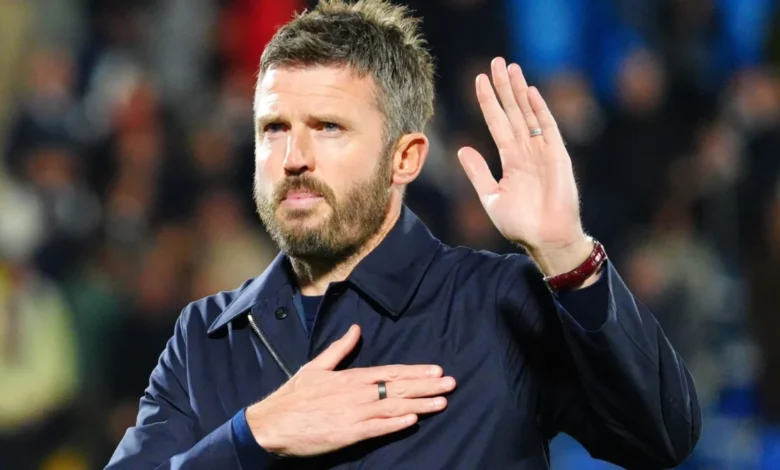
The decision by Manchester United’s executive leadership to retain Michael Carrick as head coach following a catastrophic 3-0 home defeat to Bournemouth has sent shockwaves through the Premier League, igniting a fierce debate over the club’s long-term strategy and the current state of its playing squad. While United’s director of football, Jason Wilcox, and chief executive, Omar Berrada, spent Monday in high-level discussions at the Carrington training complex, the outcome was a temporary vote of confidence for the embattled manager. Carrick remains in his post as the team prepares for a critical fixture against Chelsea at Stamford Bridge this Saturday, a match now viewed as a defining moment for his tenure.
The current situation marks a nadir in what has been a turbulent season for the Old Trafford outfit. Winless in their last eight competitive matches, the team’s recent performances have raised urgent questions regarding tactical cohesion, dressing room morale, and the efficacy of the club’s recruitment policy. For the hierarchy, the dilemma is multifaceted: they must balance the need for immediate results with the acknowledgment that constant managerial turnover has, historically, failed to address the deeper, systemic issues plaguing the club since the departure of Sir Alex Ferguson over a decade ago.
A Chronology of Crisis: The Road to Stamford Bridge
The pressure on Carrick has intensified incrementally over the past two months. The downward trajectory began in mid-autumn, characterized by a lack of offensive output and defensive frailty that has left the side languishing in the bottom half of the table. The defeat to Bournemouth was the tipping point, as it represented not just a loss of points, but a complete breakdown in the team’s collective structure.
The timeline of events leading to this week’s uncertainty highlights the gravity of the situation:
- Late October: A string of draws against lower-table opposition begins to erode confidence in the coaching staff’s ability to motivate the squad.
- Early November: Tensions within the dressing room become public, with reports of fractured relationships between key players and coaching staff surfacing.
- Sunday, November 24: Manchester United suffer a 3-0 defeat at Old Trafford. The atmosphere turns toxic, with fans directing audible vitriol toward the players, though notably sparing Carrick, who was applauded by sections of the crowd.
- Monday, November 25: Wilcox and Berrada hold emergency talks at Carrington to evaluate the viability of the current leadership.
- Tuesday, November 26: The club confirms that Carrick will lead training, signaling a stay of execution rather than a permanent commitment to his long-term future.
Analytical Perspectives: Stay of Execution or Strategic Patience?
Industry analysts remain divided on whether this decision constitutes a genuine attempt to stabilize the club or merely a logistical necessity while the board scouts for a permanent successor. Rob Dorsett, reporting for Sky Sports, suggests that the club’s reluctance to fire Carrick stems from a lack of a ready-made replacement. "It feels to me more like Manchester United haven’t sorted out a replacement yet than this being a vote of confidence," Dorsett noted. The implication is that the board is operating in a reactive state, waiting for the right candidate to become available while hoping that Carrick can extract a performance from a squad that currently appears disconnected from his tactical vision.
Conversely, others argue that patience is the only rational path forward. Kaveh Solhekol emphasizes the reality of the club’s long-term project: "Manchester United’s problems won’t be solved in a matter of months. It’s going to be something that will probably take three, four, or five years." In this view, removing Carrick now would be a superficial fix that ignores the broader structural problems within the club. Supporting the manager sends a message of authority to a dressing room that has been accused of fostering "player power," where the influence of senior stars can sometimes override the instructions of the coaching staff.
However, the cautionary tale of successful clubs suggests that the right leadership can catalyze change regardless of the environment above them. Alan Smith pointed to the transformation of teams like Brighton under managers who implement clear, identity-driven football, arguing that United’s current squad is capable of performing at a much higher level with the right guidance. "With all due respect to Carrick, that team can be led more effectively," Smith remarked, highlighting the persistent disconnect between the players’ individual quality and their collective output on the pitch.
The Fernandes Factor: Managing the Dressing Room
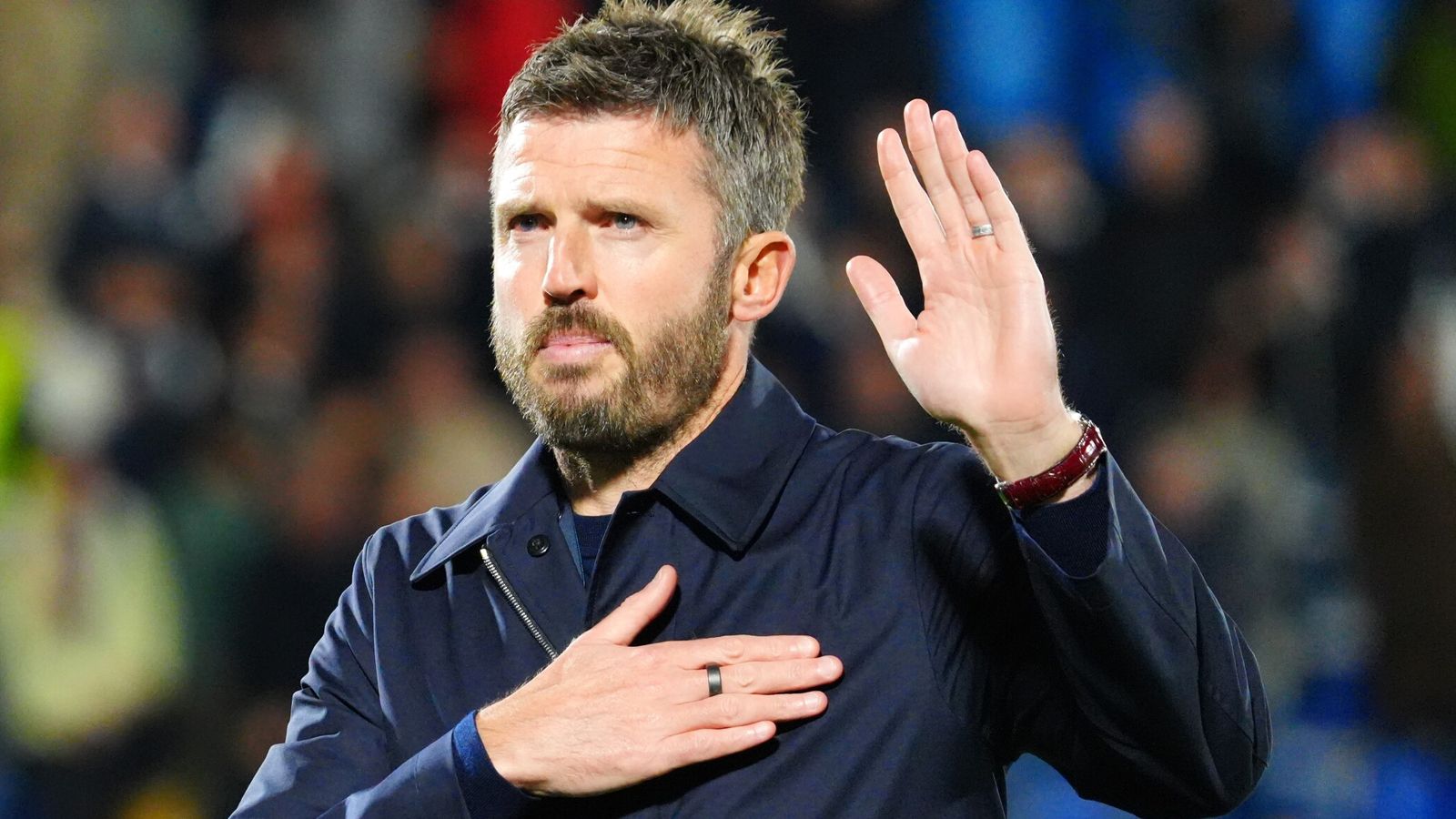
Central to the turmoil is the role of captain Bruno Fernandes. His recent benching against Bournemouth served as a stark indicator of the friction between management and key personnel. The fallout from such decisions is significant; should Carrick reintegrate Fernandes without a clear resolution to their relationship, he risks appearing weak. Conversely, continuing to exclude the team’s most creative outlet—without securing a win—leaves him vulnerable to criticism that he is discarding his most potent weapon in a desperate bid to assert authority.
The upcoming match against Chelsea will be the true test of this dynamic. If the players show a willingness to press, track back, and maintain tactical discipline, it will suggest that the dressing room has not yet checked out. If, however, the performance mirrors the lethargy seen at Old Trafford on Sunday, the argument for a change in leadership will become insurmountable.
Statistical Context and Future Implications
Data from the current campaign reflects a team struggling to compete at the highest level. United’s expected goals (xG) metrics are among the lowest for clubs with their budget, and their defensive metrics—specifically regarding shots conceded per game—place them dangerously close to the bottom of the league rankings. When a club of United’s stature concedes three goals at home to a team like Bournemouth, it suggests a breakdown in the defensive transition, a fundamental aspect of modern football that is often the first to fail when players lose confidence in their manager.
The financial and sporting implications of a failure to secure European football are immense. The club is currently at risk of missing out on top-five contention, which would have severe consequences for revenue streams and the ability to attract top-tier talent in the January transfer window. Consequently, the decision to keep Carrick is a high-stakes gamble. If he fails to secure a result at Stamford Bridge, the international break—or the period immediately following it—will likely see a move for a permanent replacement.
Fan Sentiment and the Burden of Expectation
The response from the Manchester United fanbase has been a paradoxical mix of frustration and loyalty. While the supporters have been relentless in their criticism of the players, there has been a notable reluctance to turn on Carrick personally. Some fans interpret this as a protest against the club’s ownership and management, viewing the players as the primary culprits in the team’s decline. As one fan, Jimbo, noted: "To remove Carrick would have been another win for player power."
This sentiment is countered by others who believe the situation is untenable. Fans like Gareth argue that the inevitable is merely being delayed: "So when Chelsea win 4-0 on Saturday, then they will sack him. Just do it now." This sense of impending doom reflects a fanbase that has grown accustomed to short-term solutions failing to yield long-term success.
Conclusion: A Defining Saturday
As Saturday’s fixture against Chelsea approaches, the spotlight remains firmly fixed on the touchline at Stamford Bridge. For Michael Carrick, the mandate is simple yet daunting: deliver a performance that justifies the board’s faith and provides evidence that the squad is still responsive to his methods. For the hierarchy, the focus remains on whether this period of continuity will allow for a gradual recovery or if they are simply witnessing the final, slow-moving stages of a necessary transition.
Regardless of the outcome, the events of this week have underscored the precarious nature of the head coach position at Manchester United. In an environment defined by intense scrutiny and high expectations, there is little room for error. Whether Carrick survives this trial or becomes the next in a line of managers to fall, the club faces a long road ahead to restore the standards expected by its supporters and stakeholders alike.