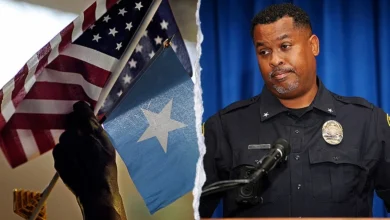
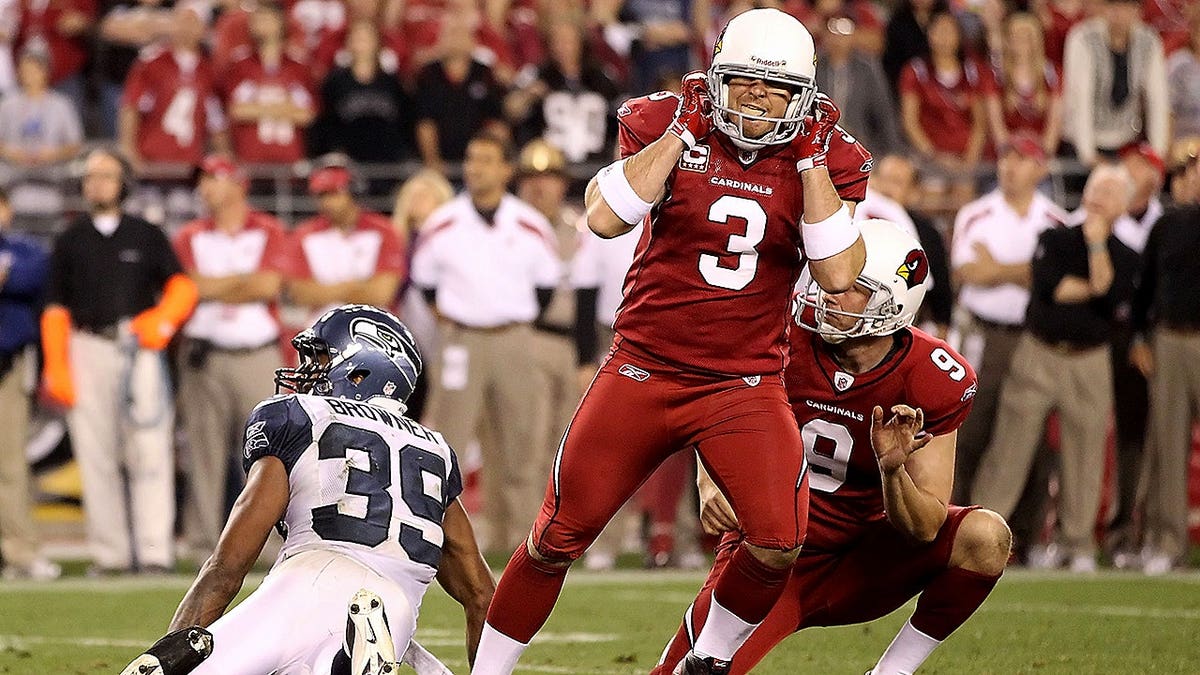
Former NFL placekicker Jay Feely has successfully navigated the Republican primary in Arizona’s 6th Congressional District, setting the stage for an intriguing general election contest against Democrat Dr. Amish Shah, who notably served as the New York Jets’ team doctor during Feely’s tenure. This matchup not only pits two individuals with shared professional history against each other but also highlights a recurring trend in American politics: the transition of professional athletes into public service, where the demands of leadership, performance under pressure, and public scrutiny echo challenges faced on the field.
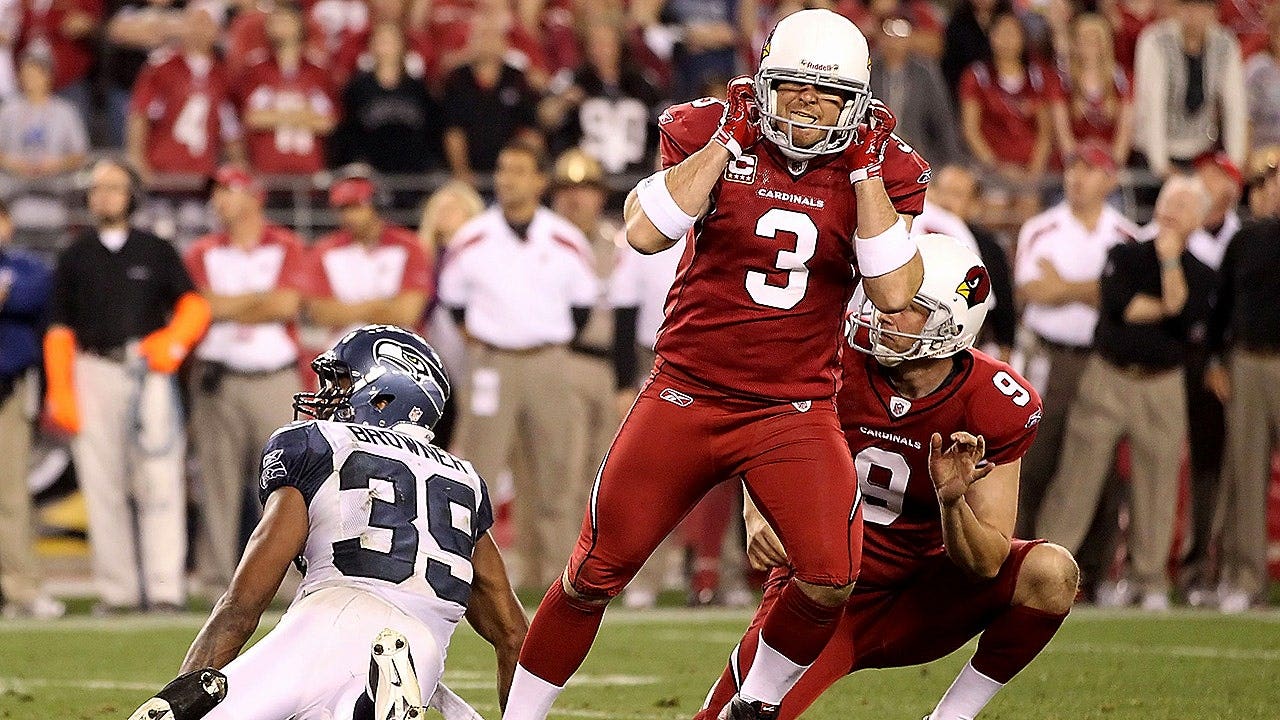
Feely’s primary victory on [Assuming a recent primary, as the article mentions "wins"], positions him as the Republican nominee for the seat currently held by retiring Rep. David Schweikert. The Arizona 6th District is considered a crucial battleground, with national parties closely watching its outcome, especially given the Republican Party’s razor-thin majority in the House of Representatives. Feely, a former NFL commentator with CBS, outlined his core political differences with Shah, criticizing the Democrat’s support for policies such as single-payer healthcare, the abolition of capitalism, and the Green New Deal, indicating a clear ideological contrast that will define their campaign.
From Gridiron to Capitol Hill: Feely’s Preparedness for Public Life
In an interview with Fox News Digital following his primary win, Feely articulated how his extensive career in professional football, particularly as a kicker, has uniquely prepared him for the rigors of political life. "Especially as a kicker – to be a successful kicker in the NFL, you have to be able to handle pressure, and you have to be able to handle failure. And I think those two attributes are very tangible attributes that will help you as you try to navigate the political field and try to be effective," Feely stated. This sentiment underscores a common theme among athletes who transition to politics: the development of resilience and mental fortitude in high-stakes environments.
Feely’s career, spanning teams like the New York Giants and Arizona Cardinals, exposed him to diverse locker room environments, a factor he believes is vital for representing a varied constituency. He recounted experiences of rooming with teammates like LeVar Arrington and Brandon Short during his time with the Giants in East Rutherford, sharing stories and perspectives that transcended racial and socioeconomic divides. "The greatest advantage of being an NFL player was to be in those locker rooms where racial walls were broken down and conversations happened and you got to know people which otherwise you might not ever get to know," Feely reflected. He emphasized that these interactions cultivated an understanding of different viewpoints, a crucial asset for a public servant whose job is to "represent everybody."
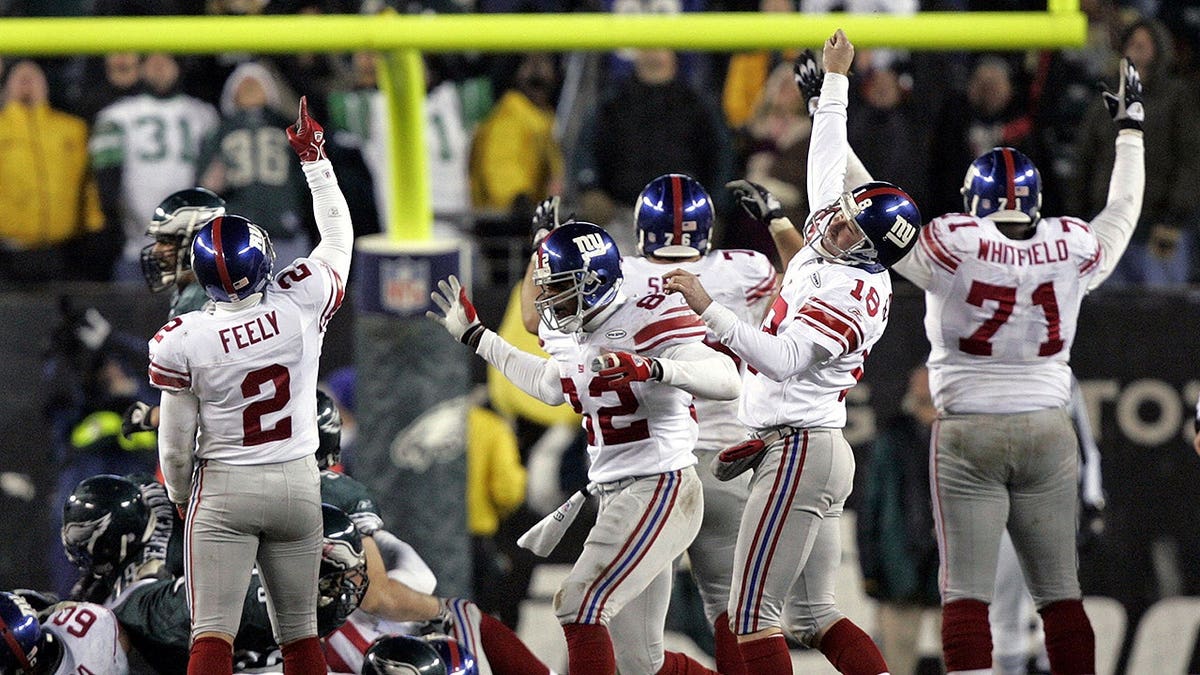
One vivid anecdote Feely shared illustrated his capacity for performing under immense pressure and overcoming adversity. He recalled a game against the Philadelphia Eagles at Lincoln Financial Field, immediately following what he described as the "worst game of [his] career" against the Seattle Seahawks. The night before, he had even been "spoofed" on "Saturday Night Live." As he prepared for a potentially game-winning kick after an apparent "icing" timeout, the Eagles’ Jumbotron notoriously played a montage of his recent misses to mock him. Despite the deliberate psychological warfare from the opposing team and fans, Feely successfully made the kick, securing a victory and extending his career by another nine years. "You learn a lot through those processes," he noted, highlighting the direct parallels between such moments and the intense scrutiny faced by politicians.

A Unique Matchup: Former Teammates, Divergent Ideologies
The general election in Arizona’s 6th Congressional District presents a particularly novel narrative. Feely’s Democratic opponent, Dr. Amish Shah, a former state representative from Phoenix, also has a direct connection to the NFL, having served as the New York Jets’ team doctor for approximately two years. This professional intersection creates a rare personal dynamic in a political contest, where past professional association now gives way to stark ideological differences. While Feely champions conservative principles, criticizing Shah’s stance on economic and environmental policies, Shah is expected to advocate for progressive platforms, likely including the healthcare reform Feely opposes. This contest will undoubtedly draw national attention, not just for its unique personal backstory, but also for its potential impact on the balance of power in Congress.
A Legacy of Leadership: Athletes in American Politics
Feely’s foray into politics is part of a long-standing tradition of athletes transitioning from the world of sports to public office. The skills honed on fields, courts, and rings—leadership, discipline, teamwork, resilience, and the ability to connect with diverse audiences—are often cited as invaluable assets in the political arena.
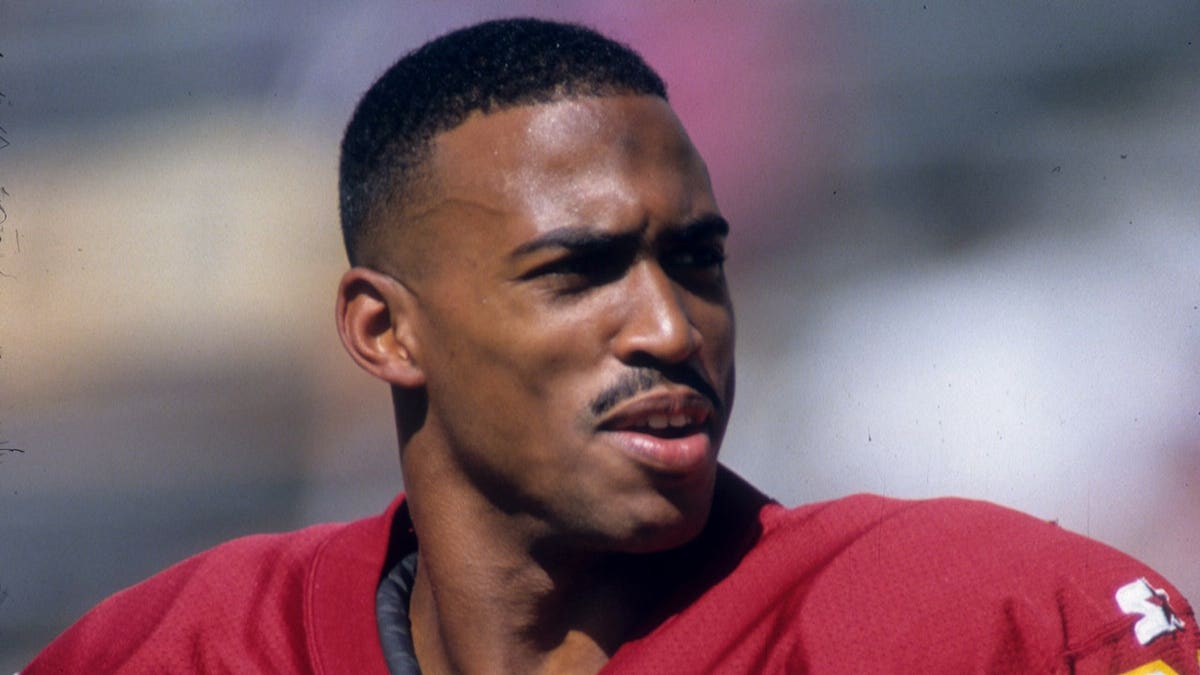
One prominent example Feely himself mentioned is Scott Turner, a former NFL cornerback for the Washington Redskins and San Diego Chargers, who later served as the Housing and Urban Development (HUD) Secretary under the Trump administration and a member of the Texas House of Representatives. Turner credits football with profoundly shaping his character and preparing him for public service. "The Lord used football to change the course of my life, and through the game," Turner told Fox News Digital. "He taught me lessons that continue to guide me every day in public service: discipline, teamwork, perseverance, humility, and working toward a mission bigger than yourself." These values, he asserted, informed his legislative work in Texas and his leadership at HUD, serving as an example for future generations.
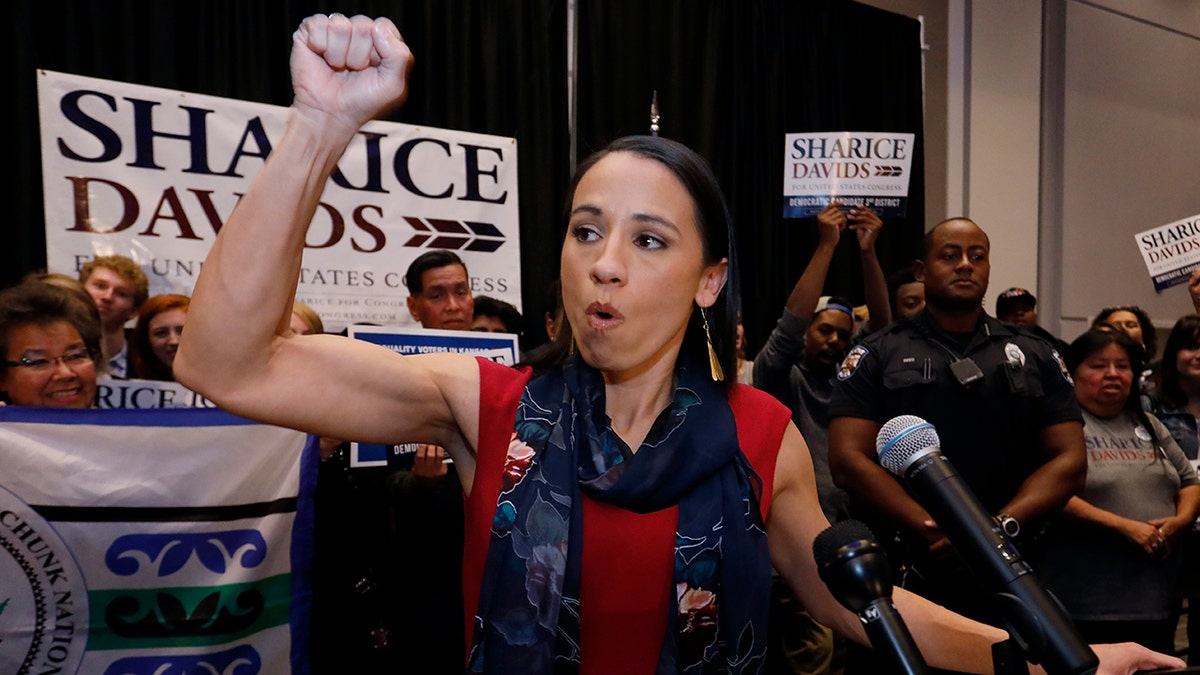
On the other side of the aisle, Rep. Sharice Davids, a Democrat from Kansas, leveraged a successful mixed martial arts (MMA) career before entering the political fray. Davids, who even tried out for "The Ultimate Fighter" and compiled a 5-1 amateur record before a brief professional career, famously quipped, "Turns out getting punched in the face is pretty good preparation for Congress." Her journey involved leaving the octagon to advocate for Native American communities, focusing on economic opportunities and community development, before her upset victory in 2018 against Republican incumbent Kevin Yoder in a traditionally red state. Davids highlighted that professional fighting taught her discipline, hard work, respect for opponents, and the importance of continuous forward movement—principles she applies to her congressional role, emphasizing that not "every challenge" is solved by "throwing punches."
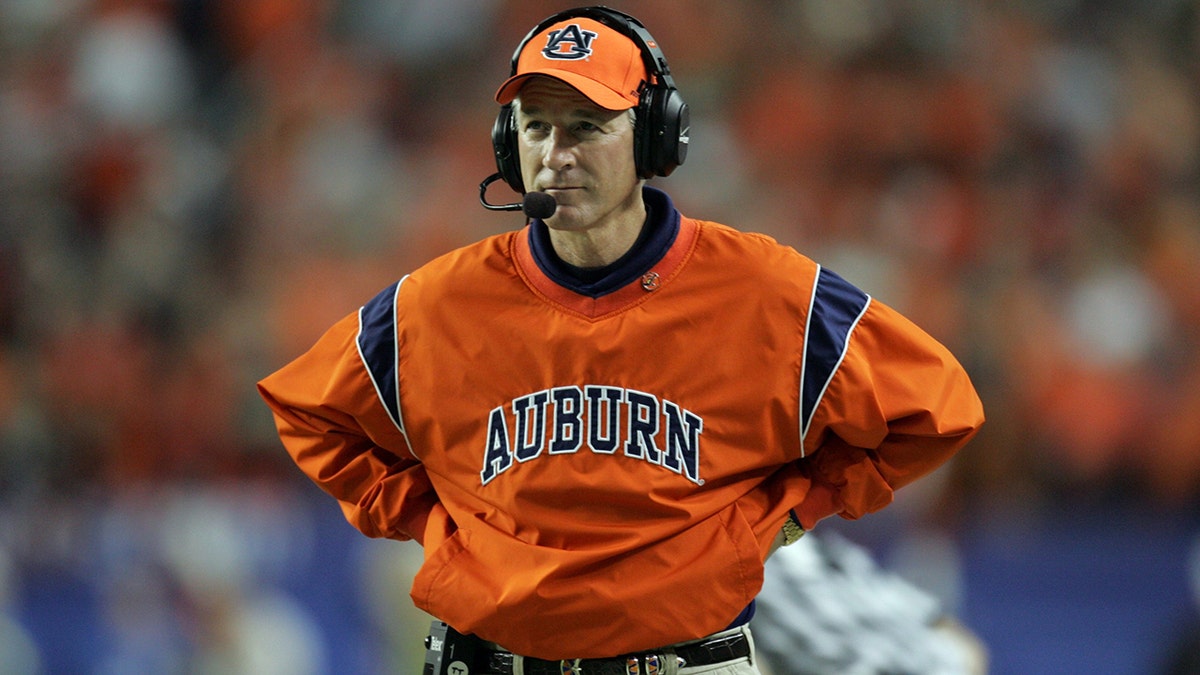
The coaching ranks have also provided a fertile ground for political talent. Tommy Tuberville, the former head coach of the Auburn Tigers, successfully transitioned to the U.S. Senate in 2021, representing Alabama. Known for his impressive coaching record, Tuberville drew direct parallels between leading a football team and running a political campaign. In 2020, discussing his 11-month campaign against incumbent Democrat Sen. Doug Jones, he told the Alabama Daily News that he approached it at "full speed" just like a football coach. "We put together a good, good team. And a lot of people told me when I first got started they said, coach, this is just like being a head coach. You’re only as good as the team around you," he remarked, underscoring the team-building and strategic planning essential in both fields.
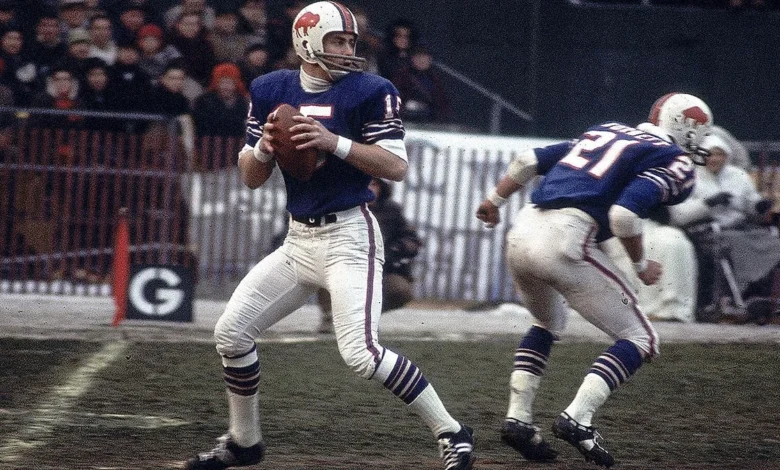
Perhaps one of the most recognizable figures to bridge the gap between sports and politics was Jack Kemp. A standout NFL quarterback for the Buffalo Bills, where he was an AFL MVP, Kemp went on to have a distinguished political career. He served nearly two decades representing western New York in Congress, then as HUD Secretary under President George H.W. Bush, and ultimately as the Republican Vice Presidential nominee alongside Bob Dole in 1996. NFL Commissioner Roger Goodell, whose father Charles Goodell also represented Kemp’s district, lauded Kemp as an "extraordinary American leader who became a trusted colleague and exceptional friend to countless NFL owners, team personnel and commissioners after his MVP playing career." Kemp himself reflected on his dual careers, famously stating, "When I entered the political arena, I had already been booed, cheered, cut, sold, traded, and hung in effigy," suggesting that the highs and lows of professional football provided an unparalleled "good perspective" for the volatile world of politics.
Rep. Burgess Owens, a retiring Republican from Utah, is another NFL veteran who brought his experience to Capitol Hill. A former safety for the New York Jets, Owens has often invoked his football background, particularly to critique the politicization of sports. His outspoken stance against player protests during the national anthem led him to declare in 2020 on Fox Business that he would boycott games until Commissioner Goodell was fired, stating, "I’m done… It’s time for these young men who make millions of dollars to say thank you [and respect the country]."
Other notable examples include:
- Jon Runyan Sr., a former offensive tackle for the Philadelphia Eagles, who served two terms representing South Jersey in Congress as a Republican. He now holds a significant role as Vice President of Policy and Rules with the NFL, further cementing the connections between the two spheres. His son, Jon Runyan Jr., continues the family’s football legacy as a guard for the New York Giants.
- Heath Shuler, a former quarterback for the Washington Commanders (then Redskins), who represented North Carolina as a Democrat in Congress from 2007 to 2013, before being succeeded by Mark Meadows.
- Colin Allred, a former linebacker for the Tennessee Titans, who served in Congress representing Texas. After his congressional tenure, he recently mounted an unsuccessful challenge for Senator John Cornyn’s seat, highlighting the ambition of many former athletes to ascend to higher political office.
- Anthony Gonzalez, a Republican from Indiana and a former wide receiver for the Indianapolis Colts, chose not to seek re-election in 2022. His decision was notably influenced by political fallout from his vote to impeach former President Donald Trump, illustrating the intense pressures and divisions that can arise in modern politics.
- Steve Largent, an NFL Hall of Fame wide receiver for the Seattle Seahawks, enjoyed a successful career in Congress representing Oklahoma as a Republican for several terms.
- Jim Bunning, a Hall of Fame pitcher for the Philadelphia Phillies, transitioned from the baseball mound to a lengthy political career in Kentucky. He served in the Kentucky State Senate, then the U.S. House of Representatives, and finally the U.S. Senate from 1999 to 2011, with his seat now held by Sen. Rand Paul. Bunning’s journey showcases the potential for athletes to build enduring political legacies across multiple levels of government.
- Bill Bradley, a legendary New York Knicks star whose number 24 is retired at Madison Square Garden, became a prominent Democratic Senator for New Jersey in the 1980s and 90s. An Olympic gold medalist and Rhodes Scholar, Bradley’s intellectual prowess complemented his athletic discipline. He later launched an unsuccessful presidential primary bid against Al Gore, demonstrating the highest aspirations some athletes hold in the political realm.
- Tom Osborne, the iconic former head coach of the Nebraska Cornhuskers and briefly an NFL player for the Redskins, represented Nebraska in Congress as a Republican in the early 2000s, bringing a reputation for integrity and strategic thinking to Washington.
- Even in the nascent days of professional football and earlier, athletes made their mark. Adam Wyant, a Republican from Pennsylvania, had a 10-year career in early professional football (1890s) before serving in Congress. Laverne Dilweg, an early Green Bay Packer, also represented Wisconsin in Congress as a Democrat in the 1920s and 30s.
- Beyond football, Mo Udall, a former Arizona Democratic Congressman from a family considered political royalty in the Mountain West, spent three decades in Congress after a brief stint with the Denver Nuggets in basketball.
- Bob Mathias, an Olympic gold medal-winning decathlete, returned from the Helsinki Games to represent California as a Republican for approximately a decade starting in 1967.
Analysis of Implications: Why Athletes Make the Leap
The consistent stream of athletes into public service is not coincidental. Several factors contribute to their often-successful transitions:
- Built-in Public Recognition and Platform: Professional athletes typically enter politics with a high level of name recognition and a pre-existing fan base, which can translate into voter support. Their careers are often followed intensely, giving them a public profile that traditional political candidates might spend years building.
- Transferable Skills: The attributes honed in competitive sports—discipline, teamwork, strategic thinking, resilience in the face of failure, performing under pressure, and public speaking—are directly applicable to political leadership. The ability to articulate goals, motivate a team, and withstand scrutiny are invaluable in legislative bodies.
- Diverse Exposure: As Feely highlighted, locker rooms and sports teams often bring together individuals from vastly different backgrounds, fostering an ability to understand and empathize with diverse viewpoints, a critical skill for representing a broad constituency.
- "Outsider" Appeal: In an era of increasing distrust in career politicians, former athletes often embody an "outsider" image, perceived as individuals less entrenched in political machinations and more focused on practical solutions, akin to achieving victory on the field.
- Fundraising Advantage: Their celebrity status can also be a significant advantage in fundraising, attracting donors who are drawn to their public profile and non-traditional political background.
However, the transition also presents unique challenges. The clear-cut metrics of success in sports (wins, statistics) differ vastly from the complex, often incremental, nature of policy-making. Athletes must adapt to a different kind of public scrutiny, where policy positions and political decisions are dissected rather than game performances. The risk of missteps in this new arena can be high, and the learning curve steep.
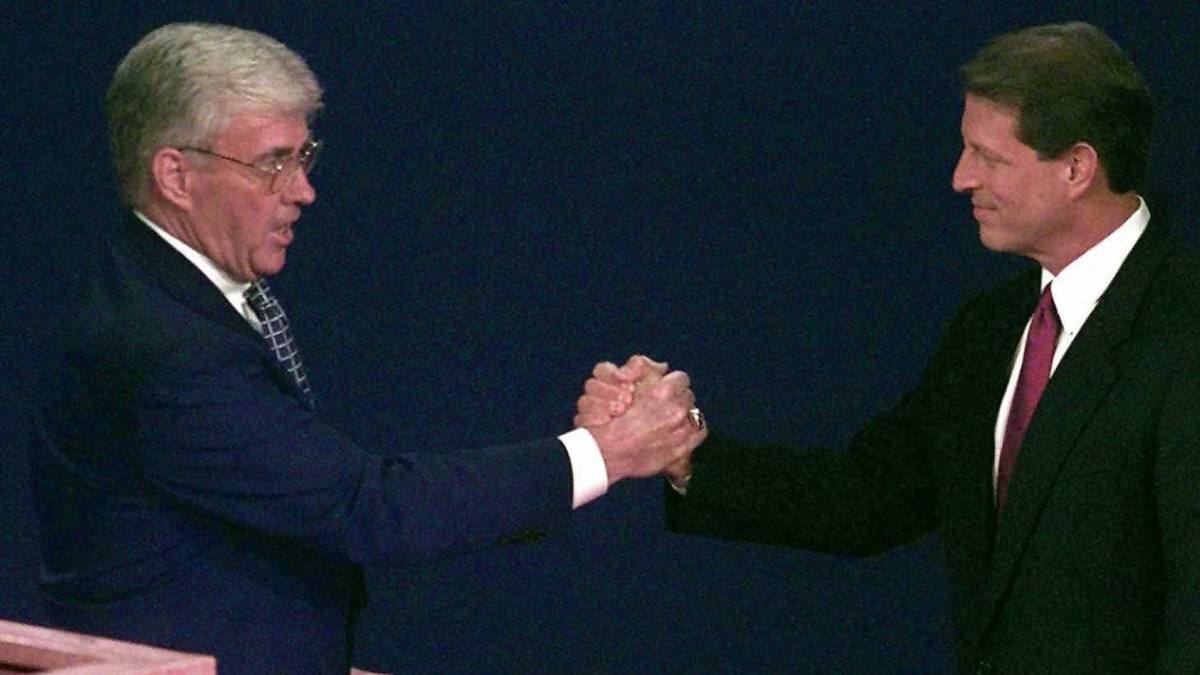
Jay Feely’s primary win marks the beginning of another chapter in this fascinating intersection of sports and governance. His upcoming general election battle against Dr. Amish Shah, his former team doctor, is a compelling narrative that underscores both the personal connections and profound ideological divides that shape American politics. As the campaign unfolds, it will further test the hypothesis that the skills forged on the playing field are indeed a robust foundation for leadership in the halls of power, offering a unique blend of competitive spirit and public service to the nation.
Related posts: