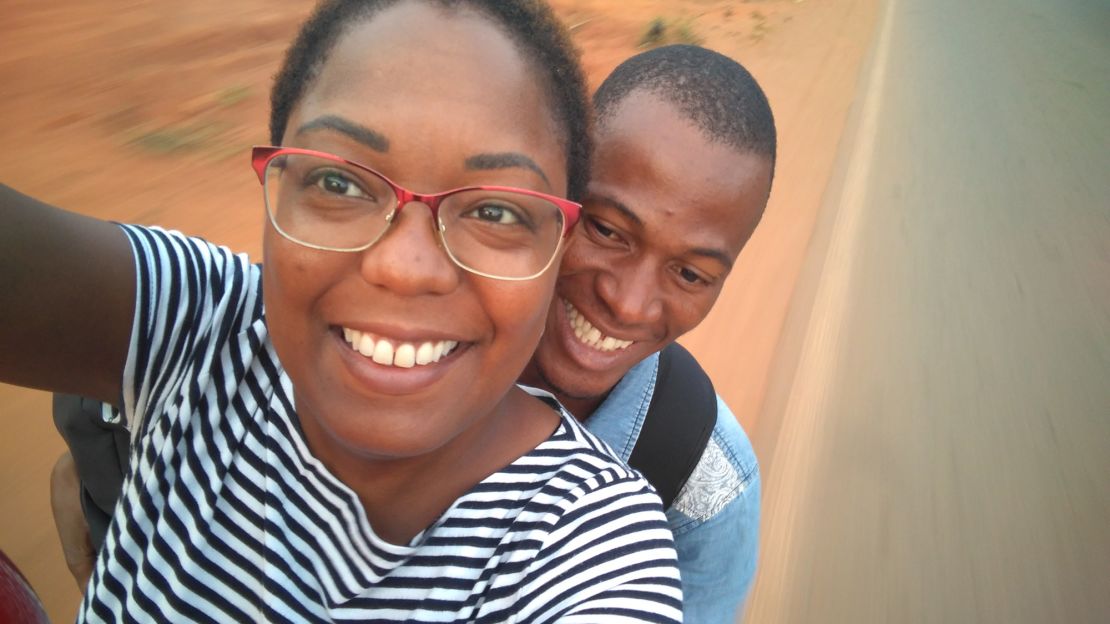
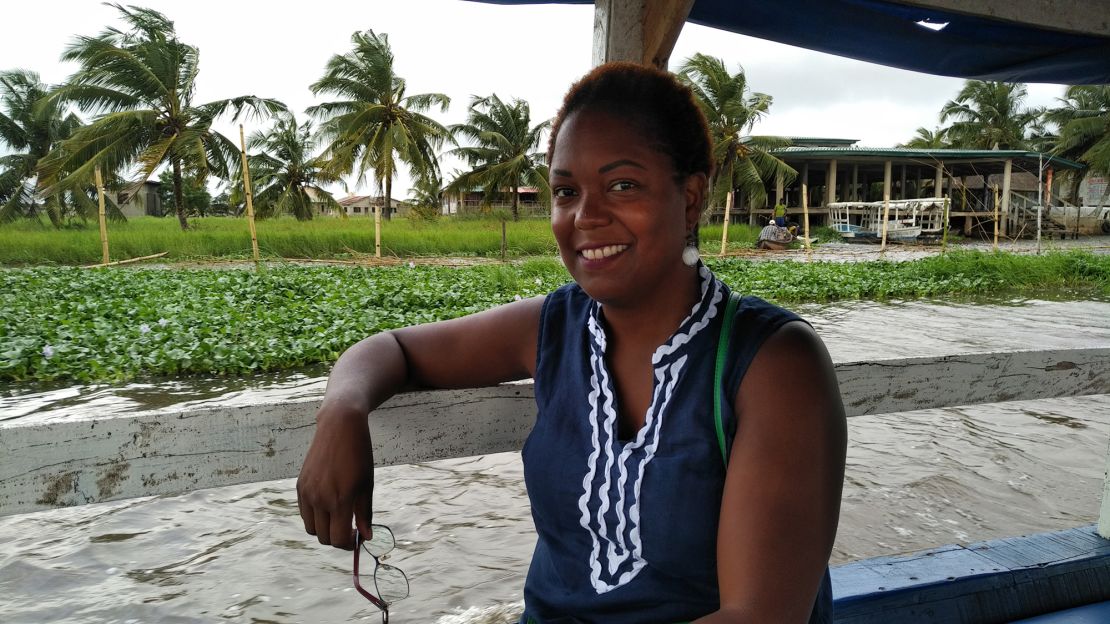
In August 2018, Rachel Décoste, an Ottawa-born professional with Haitian roots, arrived in the West African nation of Benin on a quest for ancestral connection. What began as a solitary pilgrimage for a woman in her early 40s to trace her lineage turned into a transformative life event that culminated in an international marriage and a complete realignment of her personal and professional trajectory. Within two weeks of landing in Cotonou, Décoste had become engaged to a local resident, Honoré Orogbo, a chance meeting that highlights the profound intersections of heritage tourism, personal growth, and global migration.
The Context of the Ancestral Pilgrimage
The backdrop to Décoste’s journey was a growing global movement among the African diaspora to reconnect with their ancestral homelands. In recent years, countries such as Ghana, Senegal, and Benin have actively promoted heritage tourism, encouraging descendants of the Transatlantic Slave Trade to visit and reconcile with their history. For Décoste, the motivation was spurred by the results of an online DNA ancestry test, which identified her genetic markers as originating from several West African nations, including Senegal, Ivory Coast, Togo, Ghana, and Benin.
For many African Americans and members of the broader diaspora, the "Return to Africa" is more than a vacation; it is a search for identity in a history often erased by the systemic displacement of the 17th through 19th centuries. Statistics from the African Tourism Board indicate that heritage tourism has seen a steady uptick, particularly following the 2019 "Year of Return" initiative in Ghana, which drew thousands of visitors. For Décoste, the trip was a deliberate, five-month sabbatical from her work in Washington, D.C., where she served in a bipartisan capacity for a tech-focused legislative program.
A Chronology of a Whirlwind Romance
The timeline of their meeting and subsequent union defies conventional expectations of modern courtship.
- August 2018: Décoste arrives in Cotonou, Benin, seeking to visit historical sites like Ouidah, a former major slave-trading port.
- Initial Contact: While attempting to navigate her logistics, she encounters Orogbo, a local businessman and single father, outside her bed and breakfast.
- The First Days: Orogbo assists Décoste with transportation, and after a series of interactions—including a shared meal and a collaborative trip to Ouidah—they establish a rapport.
- Late August 2018: The pair travels to Lomé, Togo, for a weekend trip. During this period, the nature of their relationship shifts from professional to personal.
- September 2018: Within two weeks of their initial meeting, they become engaged.
- January 2019: The couple marries in Benin.
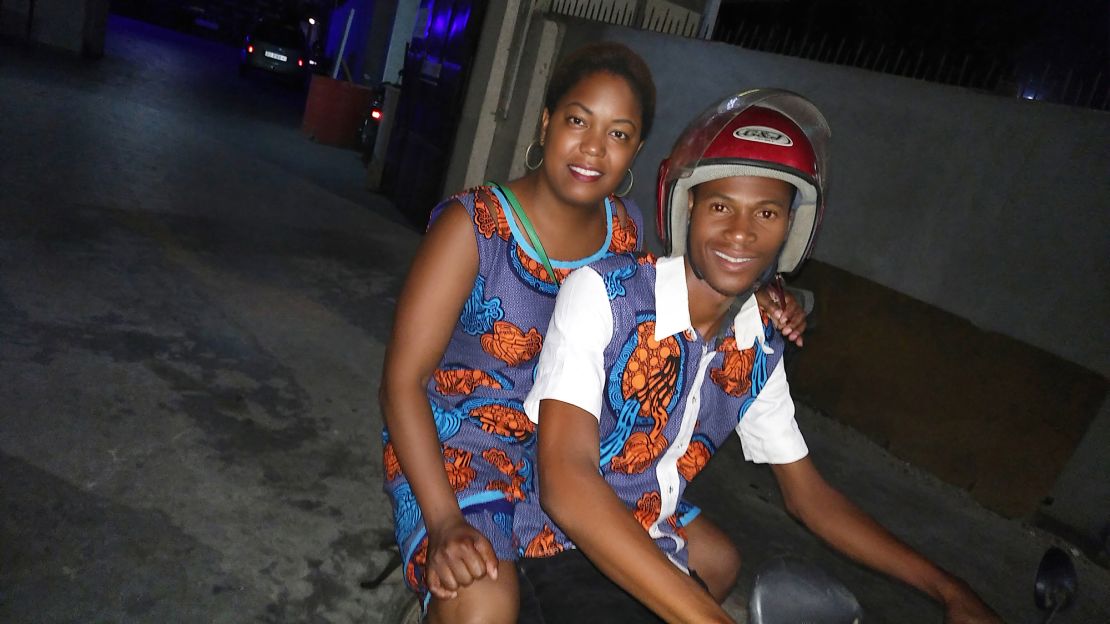
- 2020: Orogbo and his son complete the immigration process to Canada, arriving in Ottawa amidst the winter season.
The Logistics of Migration and Integration
The transition for Orogbo involved significant life changes, moving from his lifelong home in Cotonou to the distinct climate and culture of Ottawa, Canada. This migration reflects a larger, often overlooked narrative in global mobility: the movement of individuals from the Global South to the Global North through marriage and family reunification.
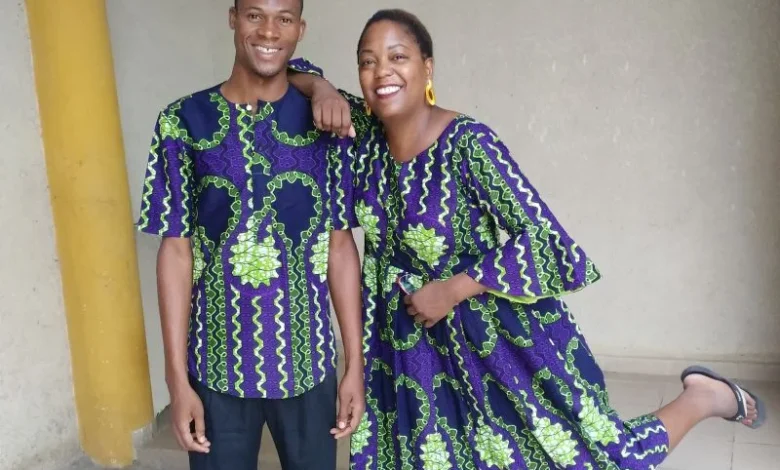
Immigration experts note that such transitions are rarely simple. Orogbo’s preparation, which he described as both mental and psychological, underscores the challenges of adapting to a new social fabric. The physical adjustment to the Canadian climate, coupled with the social task of integrating his son into a new educational and cultural environment, required significant resilience. Despite these hurdles, the couple focused on building a shared life, eventually launching a joint business venture, Woke Apparel, which produces winter-appropriate clothing featuring traditional African prints.
Cultural Significance and Social Implications
The story of Décoste and Orogbo serves as a modern case study for the "Global Citizen" archetype. Their union bridges the gap between the diaspora and the continent, highlighting the shared values that often exist despite vast geographic and socio-economic differences.
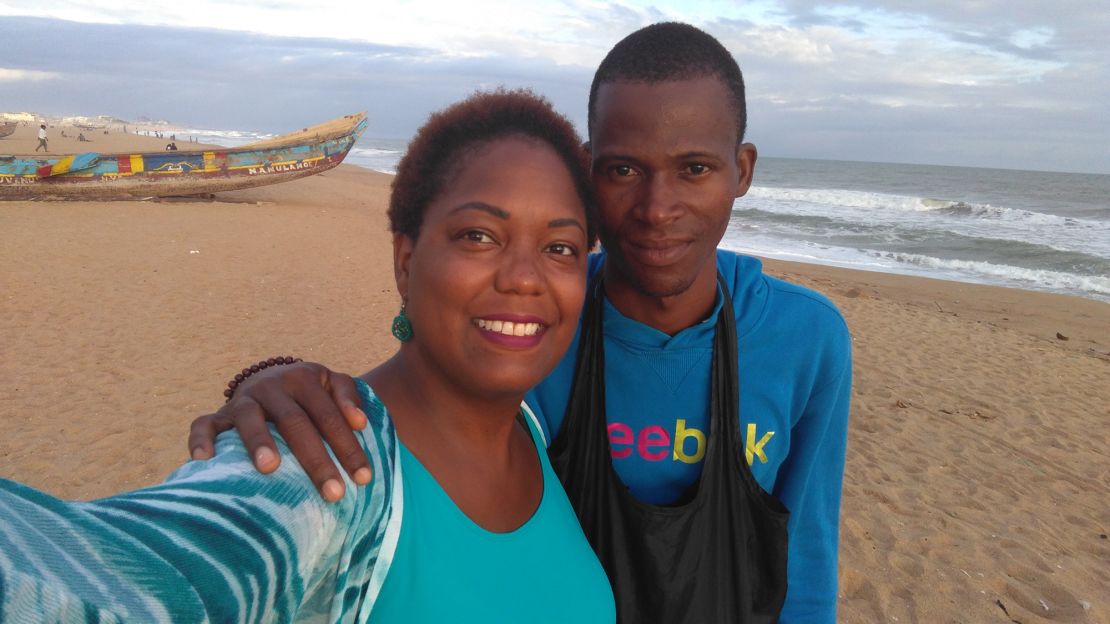
In sociological terms, the couple’s ability to find common ground—specifically regarding parenting values and the importance of family education—illustrates that interpersonal connection can transcend cultural barriers. Orogbo’s decision to prioritize his son’s educational opportunities in Canada over the comforts of his familiar environment in Benin is a common theme in transnational migration, where parents sacrifice current stability for long-term generational growth.
Reflections on Heritage and Identity
For Décoste, the trip to Benin was a sobering reminder of the historical realities of the slave trade. Visiting the Slave Museum in Ouidah, she noted the harrowing odds her ancestors faced, describing herself as a "walking, talking miracle" and part of the one percent who survived the brutal conditions of the era. This realization profoundly impacted her desire to live with intentionality.
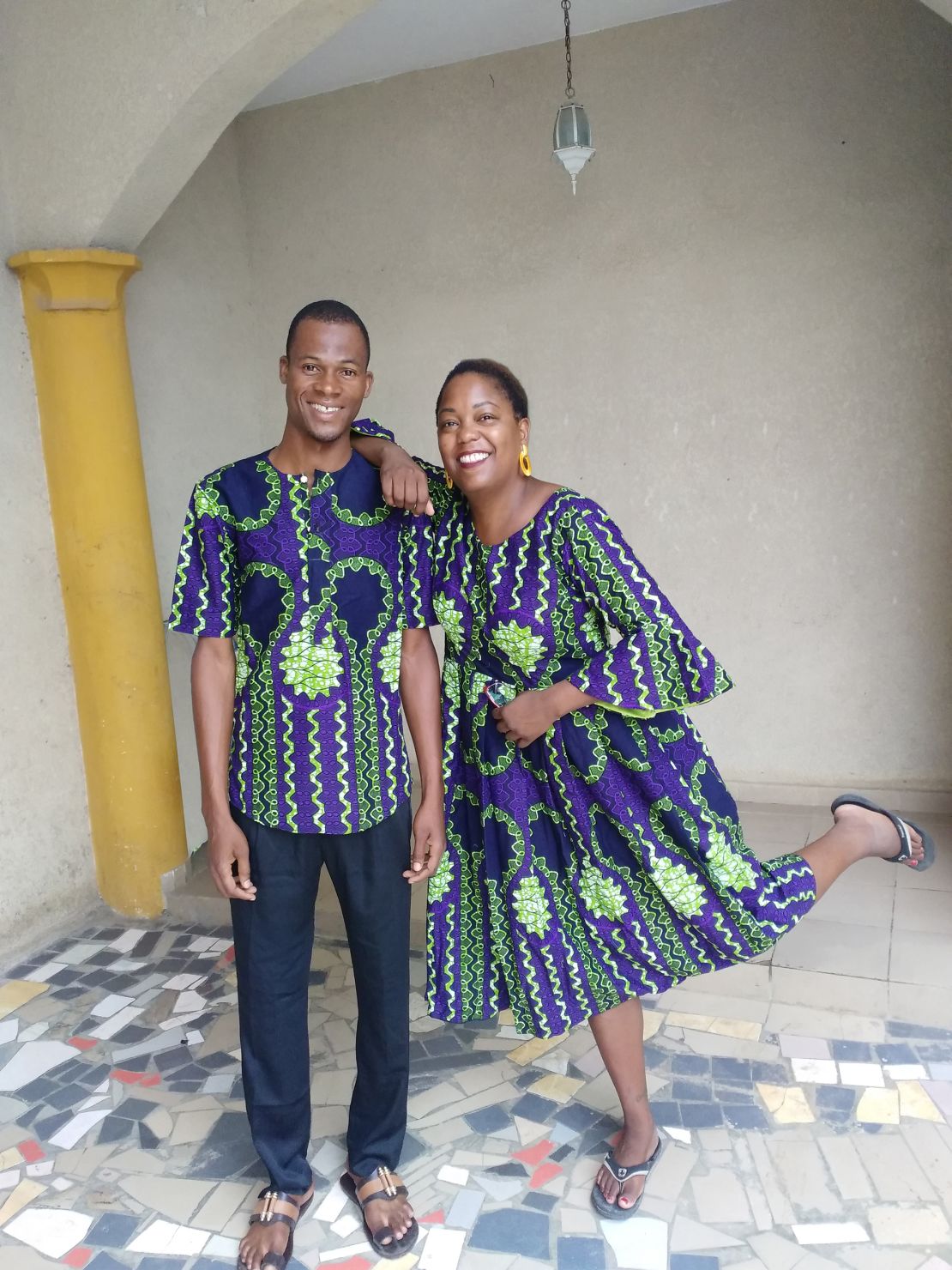
Her experience, which she later documented in her audiobook, Year of Return: A Black Woman’s African Homecoming, emphasizes that such journeys are often internal. The meeting with Orogbo became a catalyst for this internal growth. By sharing their lives, the couple has managed to build a household that integrates both Canadian and Beninese traditions, effectively creating a hybrid identity for their family.
Analysis of the "Chance Encounter" Phenomenon
While the rapidity of their engagement may appear impulsive to some, psychologists often note that individuals who are at a stage of life where they are seeking self-discovery—such as those embarking on ancestral pilgrimages—are often more open to transformative experiences. The "stranger" dynamic, where two people feel they have nothing to lose and everything to gain, allowed for a level of candor that might not have been present in more traditional dating environments.

The couple’s story also highlights the role of modern technology and the ease of global communication in sustaining long-distance relationships during the visa application process. The six months of separation they endured while waiting for the legal immigration documents were a test of the commitment they formed during their two weeks in West Africa.
Conclusion: The Broader Narrative
The journey of Rachel Décoste and Honoré Orogbo is ultimately a narrative about the power of agency. By stepping out of their comfort zones—Décoste by traveling to a country she could barely locate on a map, and Orogbo by moving to a different continent to pursue a future with a partner he had only recently met—they challenged the constraints of their respective environments.
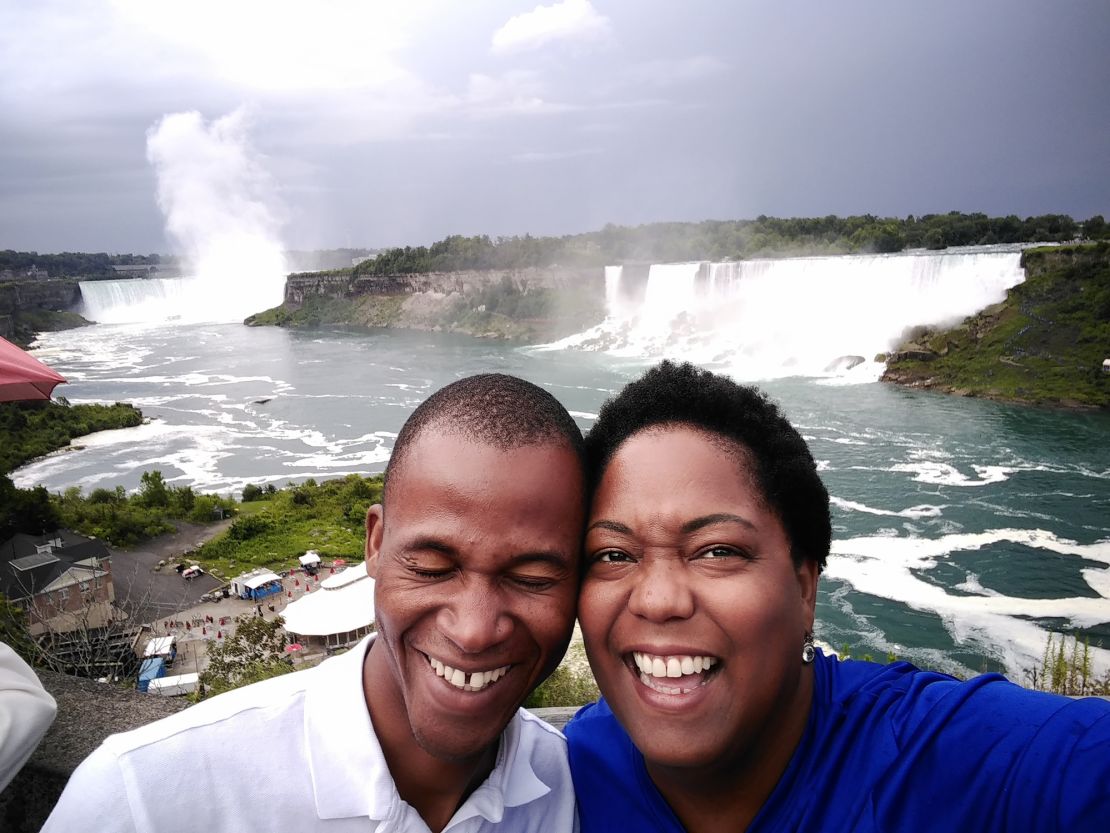
Their story resonates because it defies the typical "tourist" narrative. It moves beyond the observation of historical sites into the active creation of a shared future. As they continue to reside in Canada, balancing their roles as parents and entrepreneurs, their life together stands as a testament to the idea that personal transformation is possible at any stage of adulthood. Their message—that there is no "expiration date" on the opportunity for love, motherhood, or new beginnings—serves as an encouragement for others to embrace the unknown with the same "reckless abandon" that defined their initial meeting.
By grounding their union in the shared experience of heritage and the pursuit of a better future for their son, they have transformed a brief, chance encounter in a port city into a enduring foundation for their family. This, perhaps, is the true success of the modern return to one’s roots: the discovery that while we look to the past to understand who we are, we often find our future in the most unexpected of places.