The Fragmented Future of Travel: Why the Skift Creator Summit Is Uniting the Industrys Disconnected Operators

Creator-led demand has officially permeated every tier of the modern travel industry, yet it remains one of the most operationally fragmented revenue streams in the corporate world. While travel brands witness firsthand the immense purchasing power wielded by digital content creators, no single department within these corporate structures truly owns the consumer journey from end to end. The brand observes the marketing spend, the technology platform captures the user click, the affiliate network processes the payout, and the creator retains the loyal audience. Crucially, however, no single seat at the executive table oversees the entire continuum from an initial video impression to a finalized travel booking.
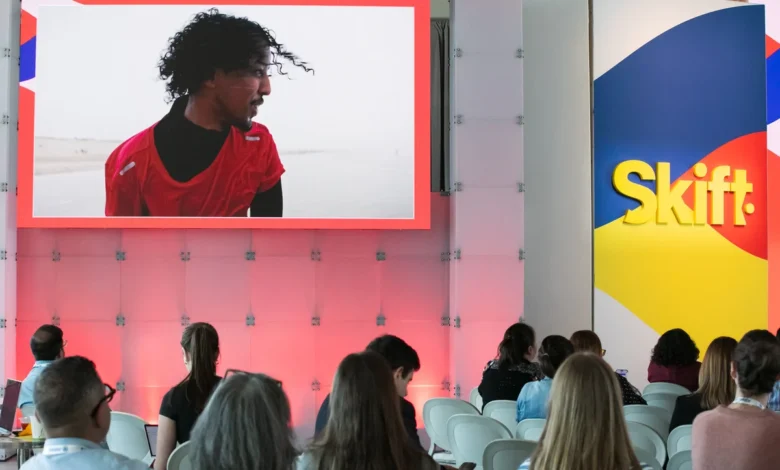
To bridge this operational chasm, the upcoming Skift Creator Summit, presented by Meta, is set to convene key industry stakeholders in a closed-door working session on September 22. Designed specifically for pragmatic operators rather than theoretical observers, the event aims to assemble the disparate pieces of the creator-led economy into one cohesive framework. By bringing together the disparate entities that control various segments of the consumer pathway, the summit seeks to address the systemic silos that have long hindered the optimization of influencer marketing within the aviation, hospitality, and tourism sectors.
The Structural Disconnect in Creator-Led Travel Marketing
For decades, the travel industry has relied on traditional marketing funnels, divided neatly among public relations, performance marketing, and media buying teams. The explosive rise of social media creators—ranging from lifestyle vloggers to niche travel documentary makers—has fundamentally disrupted this predictable architecture. Consumers increasingly bypass traditional search engines and travel agency brochures, instead deriving their wanderlust and destination decisions from short-form video platforms such as TikTok, Instagram Reels, and YouTube Shorts.
Despite this behavioral shift, corporate travel structures have been slow to adapt. A typical hotel chain or airline might allocate a substantial budget to influencer campaigns managed by an external public relations agency. Simultaneously, a performance marketing team evaluates return on ad spend (ROAS) through direct-response channels, while an affiliate management team tracks last-click conversions through specialized booking links. Because these departments frequently operate in administrative silos, the true attribution of creator-led demand remains blurred.
Brands struggle to measure the exact brand lift generated by a creator’s immersive storytelling, while creators themselves often feel undervalued by legacy enterprises that fail to comprehend the nuances of community engagement. The September 22 summit is explicitly engineered to dismantle these internal barriers, gathering the individuals who directly manage creator spend, platform algorithms, affiliate infrastructure, and audience retention into a single, collaborative environment.
Chronology and Background of the Skift Creator Summit
The genesis of the Skift Creator Summit reflects a broader maturation within the creator economy. Over the past five years, influencer marketing has transitioned from an experimental public relations tactic into a core pillar of enterprise media strategy. According to industry estimates, global creator economy market size has scaled exponentially, with brands across all sectors pouring billions of dollars into creator partnerships. Within the travel sector specifically, the resurgence of post-pandemic tourism acted as a massive catalyst for digital content consumption, as locked-down consumers turned en masse to travel inspiration online.
Recognizing the need for higher-level discourse beyond basic influencer networking, Skift—a leading intelligence platform for the travel industry—conceived the summit as an exclusive, invitation-only forum. Previous iterations and foundational discussions laid the groundwork for a more rigorous, operational approach. By partnering with Meta for the upcoming event, the summit leverages the technological infrastructure of one of the world’s most dominant content ecosystems, ensuring that the dialogue remains grounded in platform realities and measurable commercial outcomes.
The selection of a closed-door format is intentional. By restricting attendance and vetting participants based on their role and budget authority, the organizers have created a sanctuary for candid peer-to-peer problem-solving. Attendees are not passive audience members listening to keynote speeches; rather, they are active participants tasked with diagnosing structural inefficiencies and establishing best practices for cross-departmental collaboration.
An Operator-First Roster and Participatory Agenda
The core value proposition of the Skift Creator Summit lies in its participants. The event roster is meticulously curated to span the entire lifecycle of creator-led demand. Rather than featuring generalized marketing pundits, the agenda hands the floor directly to the practitioners who manage multi-million-dollar digital budgets on a daily basis.
Attendees comprise in-house brand strategists running paid social campaigns, influencer marketing directors from major online travel agencies (OTAs), hospitality executives managing global social media strategies for international hotel chains, and aviation leaders overseeing digital content partnerships for global airlines. Furthermore, specialized agencies that plan and execute media buys on behalf of these travel giants are well-represented at the tables.
The structured agenda features exclusive proprietary data presentations from Skift Research, providing empirical context to the anecdotal challenges faced by operators. These data-driven insights serve as the launching pad for a series of rigorous executive roundtables. In these sessions, participants holding budgetary authority engage in direct dialogue with counterparts from adjacent sectors of the travel pipeline. For instance, a hotel brand’s paid social manager can directly compare attribution methodologies with an affiliate network executive and a platform representative, identifying friction points where consumer intent is lost between the video view and the checkout page.
The Application Process and Criteria for Attendance
Maintaining the high-level integrity of the summit requires stringent attendance controls. Unlike open-registration industry conferences, the Skift Creator Summit enforces a rigorous application and review process. Seats are exclusively allocated to professionals who possess direct oversight of creator spending, influencer relations, and social content strategy.
This gatekeeping ensures that every individual in the room contributes actionable expertise and has the organizational authority to implement strategic shifts within their respective companies. For operators navigating the complex landscape of creator partnerships, the primary return on investment is the opportunity to spend a half-day benchmarking their internal processes against competitors and collaborators who manage the adjacent links in the digital revenue chain. The composition of the room is, therefore, its most valuable asset, dictating the depth and applicability of the strategic outcomes generated during the working sessions.
Implications for the Broader Travel Industry
The convening of these disparate stakeholders on September 22 carries profound implications for the future trajectory of travel marketing. As consumer acquisition costs continue to rise across traditional search engines and metasearch platforms, travel brands are under immense pressure to optimize their investments in creator-led channels.
Without unified attribution models and streamlined operational workflows, companies risk misallocating capital and alienating the very creators who drive authentic consumer demand. By fostering a collaborative dialogue between brands, platforms, affiliate networks, and creators, the summit acts as a catalyst for industry-wide standardization.
Ultimately, the insights and frameworks developed behind closed doors in this working session are expected to ripple outward, influencing how airlines, hotels, cruises, and OTAs structure their marketing departments in the years ahead. As the lines between content consumption and transactional booking continue to blur, bridging the gap between the creator and the corporate balance sheet is no longer merely an option—it is an operational imperative for survival in the modern travel economy.