Air New Zealand Pilots Engage in Physical Altercation During San Francisco Layover Disrupting International Service

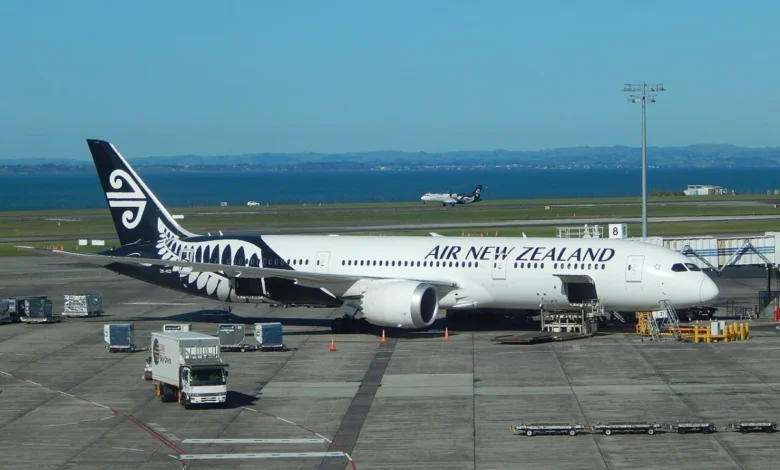
A routine long-haul flight operation for Air New Zealand devolved into a significant human resources and logistical crisis earlier this month when a dispute between flight crew members escalated into a physical altercation at a San Francisco hotel. The incident, which occurred during a scheduled layover, forced the airline to ground its return service to Auckland, leaving hundreds of passengers stranded and prompting a formal investigation by the New Zealand Civil Aviation Authority (CAA).
The disruption centered on flight NZ7, originally slated for departure from San Francisco International Airport (SFO) on September 7. While the airline publicly cited "pilot sickness" as the reason for the delay, internal reports and subsequent industry disclosures have confirmed that the operational failure was the direct result of a breakdown in professional conduct among the assigned flight deck crew.
Chronology of the Incident
The origins of the conflict appear to predate the crew’s arrival in California. According to reports from aviation industry observers and preliminary inquiries, the tension began during the flight from Auckland to San Francisco. Sources familiar with the internal investigation suggest that the disagreement was rooted in friction regarding workplace issues, including union-related policies.
It has been alleged that the discord involved a breakdown in the hierarchical communication structure of the flight deck. Both the first officer and the second officer reportedly expressed significant grievances regarding the captain’s conduct and leadership style during the initial transit. This friction did not dissipate upon landing. Instead, the situation reached a boiling point after the crew checked into their hotel in San Francisco.
What began as a professional dispute escalated into a physical confrontation between two of the pilots. The severity of the incident was such that it rendered the crew unable to safely operate the return leg of the flight, necessitating immediate intervention from the airline’s crew management division. Following the altercation, the involved parties were removed from the flight roster. They eventually returned to New Zealand as passengers on separate commercial flights, effectively ending their duties for the airline’s long-haul division pending the outcome of the ongoing investigation.
Logistical Impact and Passenger Experience
The cancellation of the September 7 service—which was eventually renumbered as flight NZ6077—triggered a ripple effect across the airline’s operations. The aircraft remained grounded at SFO while the airline scrambled to source a replacement pilot. Under international aviation regulations, flight crews must adhere to strict duty time and mandatory rest requirements. Even after a replacement pilot was secured, the mandated "minimum rest" period meant that the flight could not depart immediately.
The flight was eventually rescheduled to depart at 12:15 p.m. on September 8, arriving in Auckland on the evening of September 9. This resulted in a delay exceeding 14 hours for the affected passengers. Air New Zealand managed the situation by providing hotel accommodations for those displaced by the cancellation. Notably, the rescheduled flight experienced a significant reduction in passenger load; only 13 travelers remained on the manifest for the economy cabin, providing those who waited with an unusual amount of personal space, though this did little to mitigate the frustration of the initial 24-hour disruption.
Official Responses and Regulatory Oversight
Air New Zealand has maintained a cautious stance regarding the details of the incident. The airline’s chief safety and risk officer issued a statement confirming that an investigation is underway into the conduct of two off-duty crew members. The airline has been careful to emphasize that the integrity of the aircraft operations was not compromised while in the air.

"There was no incident onboard the aircraft," the company representative stated, a point aimed at reassuring the public that passenger safety was never in jeopardy during the active flight phase. However, the involvement of the Civil Aviation Authority (CAA) suggests that the incident is being treated with the gravity afforded to any event that impacts the fitness and reliability of flight crew members.
Industry experts note that such altercations are exceptionally rare in modern commercial aviation, where professional training emphasizes Crew Resource Management (CRM). CRM is a standardized set of training procedures designed to improve communication, leadership, and decision-making in the cockpit. The fact that this incident occurred between a captain and subordinate officers suggests a profound failure in the application of these standard protocols, raising questions about internal culture and conflict resolution mechanisms within the airline’s pilot ranks.
Broader Implications for Aviation Safety
The incident has sparked a wave of discourse within the global aviation community, including forums such as the Professional Pilots Rumour Network (PPRuNe). While much of the online discussion has leaned into dark humor—with some joking that martial arts proficiency should be added to the list of desired skills for pilot applicants—the underlying professional implications are serious.
From a regulatory standpoint, the CAA’s interest stems from the "fitness to fly" requirement. Pilots are held to the highest standards of mental and physical health; any demonstration of instability or inability to cooperate with colleagues can be viewed as a threat to operational safety. If an investigation reveals that the captain’s behavior was indeed problematic, or that the crew’s collective communication failed to meet safety standards, the airline could face mandates to overhaul its training programs or internal reporting structures.
Furthermore, the financial impact of such an incident is non-trivial. Canceling a long-haul flight involves significant costs, including re-booking fees, hotel vouchers, ground transportation for passengers, and the logistical expense of flying in reserve crew members on short notice. When combined with the potential reputational damage, the costs of a single interpersonal dispute can reach into the hundreds of thousands of dollars.
The Role of Union and Workplace Culture
The mention of "union issues" as a catalyst for the fight highlights the often-strained relationship between airlines and their flight crews in the post-pandemic era. Global aviation has seen an uptick in labor disputes as airlines attempt to return to full capacity while pilots demand better pay, improved scheduling, and more input into working conditions.
When these macro-level tensions bleed into the cockpit, the results can be detrimental to flight safety. Airline operators are now likely to review their internal conflict resolution policies to ensure that grievances are aired through established, professional channels rather than through direct confrontation. The incident at the San Francisco hotel serves as a stark reminder that the cockpit is a high-pressure environment where personal disputes have no place, and that the "cockpit gradient"—the power distance between the captain and the rest of the crew—remains a critical factor in flight safety management.
Conclusion
As the investigation into the Air New Zealand incident continues, the focus will likely remain on whether this was an isolated event involving two incompatible personalities or a symptom of a deeper cultural malaise within the flight department. The airline has yet to announce any disciplinary outcomes, but the scrutiny from aviation regulators ensures that the final report will be thorough.
For passengers, the incident remains a cautionary tale about the unpredictability of air travel, where a dispute thousands of miles away can disrupt thousands of miles of progress. For the aviation industry, it is a call to revisit the fundamental tenets of CRM and the importance of maintaining professional distance and mutual respect, even when union-related or workplace tensions are at their highest. As the airline moves forward, it must balance the need for transparency with the privacy of its employees, all while working to restore full confidence in its operational reliability.