
Gene Therapy Dmd Elevidys
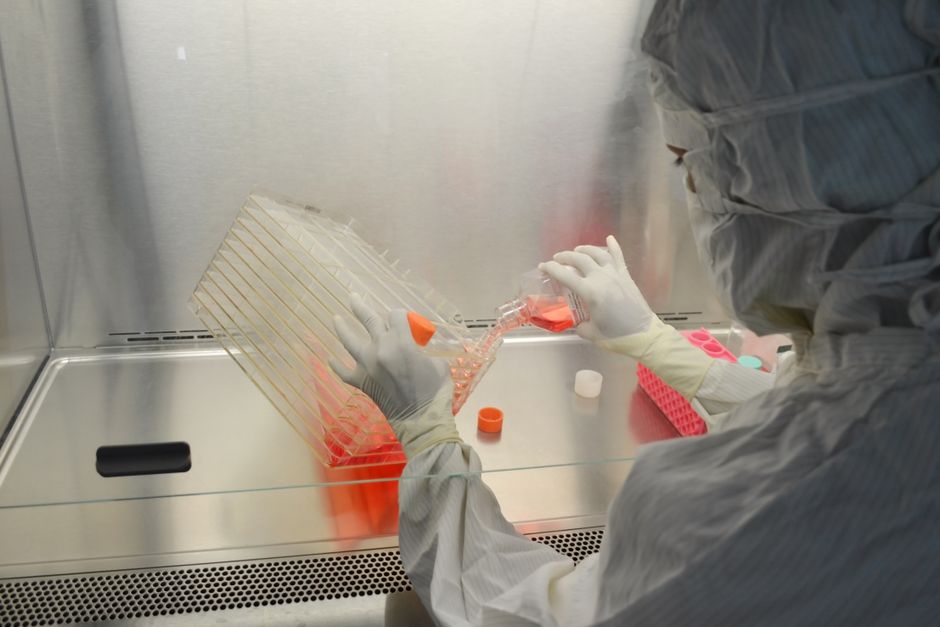
Elevidys (delandistrogene moxeparvovec-rokl) for Duchenne Muscular Dystrophy: A Comprehensive SEO-Optimized Analysis
Elevidys, a groundbreaking gene therapy developed by Sarepta Therapeutics, represents a pivotal advancement in the treatment landscape for Duchenne Muscular Dystrophy (DMD). This therapy is the first and only gene therapy approved by the U.S. Food and Drug Administration (FDA) for this devastating neuromuscular disorder. Its approval signifies a monumental shift, offering a new therapeutic paradigm that targets the underlying genetic cause of DMD rather than merely managing its symptoms. This article provides an in-depth, SEO-friendly exploration of Elevidys, covering its mechanism of action, target patient population, clinical trial data, administration, safety profile, regulatory status, and future implications for DMD management.
Understanding Duchenne Muscular Dystrophy (DMD)
DMD is a rare, severe, inherited genetic disorder characterized by progressive muscle degeneration and weakness. It is caused by mutations in the DMD gene, which encodes for the protein dystrophin. Dystrophin is crucial for maintaining the structural integrity of muscle cells. Its absence or deficiency leads to muscle fiber breakdown, inflammation, and eventual replacement with fibrotic and fatty tissue. This progressive muscle wasting typically begins in early childhood, impacting ambulation, respiration, and cardiac function, ultimately leading to a significantly shortened lifespan. The prevalence of DMD is estimated to be around 1 in 3,500 to 1 in 5,000 live male births, as it is an X-linked recessive disorder, predominantly affecting males.
Mechanism of Action: Restoring Dystrophin Production
Elevidys is a one-time gene replacement therapy that utilizes an adeno-associated virus (AAV) vector, specifically AAVrh74.h DMD, to deliver a functional copy of a shortened but still functional version of the dystrophin gene, referred to as micro-dystrophin. The AAV vector acts as a delivery vehicle, efficiently transducing muscle cells throughout the body. Once inside the muscle cell, the vector delivers the genetic material, which then directs the cell’s machinery to produce micro-dystrophin. This micro-dystrophin protein is engineered to retain essential functional domains of the full-length dystrophin protein, including the actin-binding domain and the spectrin-like repeats, enabling it to restore some degree of sarcolemmal stability and muscle function. While it’s a truncated version, it is designed to be sufficient to prevent or significantly reduce the muscle degeneration characteristic of DMD. The goal is to restore dystrophin expression to levels that can mitigate the disease’s progression and improve muscle function.
Target Patient Population: Approved Indications and Age Range
Elevidys is approved for the treatment of Duchenne muscular dystrophy in ambulatory patients aged 4 years and older who have a confirmed mutation in the DMD gene that is amenable to therapy with micro-dystrophin. This means patients whose genetic mutations can be effectively compensated for by the introduction of the micro-dystrophin gene. The therapy is intended for individuals who are still able to walk, as this signifies a certain level of preserved muscle function where the gene therapy has the greatest potential for impact. This patient selection is critical for maximizing therapeutic benefit and ensuring the therapy is administered to those most likely to respond positively. The age indication of 4 years and older reflects the developmental stage at which DMD symptoms typically become more pronounced and where early intervention can potentially alter the disease trajectory.
Clinical Trial Data: Evidence of Efficacy and Safety
The approval of Elevidys is underpinned by robust clinical trial data, primarily derived from two key studies: the Phase 1/2a clinical trial (Study 101/102) and the pivotal Phase 3 ESSENCE (Endeavor) study. The ESSENCE study was a randomized, double-blind, placebo-controlled trial that provided the primary evidence for Elevidys’ efficacy and safety.
-
ESSENCE Study (NCT04095848): This trial enrolled ambulatory male patients aged 4 to 7 years with DMD who were amenable to micro-dystrophin gene therapy. The primary endpoint of the ESSENCE study was the change from baseline in the 12-step Stair Climb Test (SCT) at week 52. Secondary endpoints included changes in ambulation measures, functional measures, and levels of creatine kinase (CK), a marker of muscle damage. The study demonstrated a statistically significant improvement in the SCT in the Elevidys treatment group compared to placebo, indicating improved motor function. Furthermore, reductions in CK levels were observed in the treated group, suggesting a decrease in muscle damage. While the ESSENCE study met its primary endpoint, the FDA’s accelerated approval was based on a surrogate endpoint (CK reduction) and further evidence of clinical benefit from the earlier ESSENCE trial and other supportive studies. Sarepta Therapeutics is committed to continuing to collect data to confirm clinical benefit.
-
Phase 1/2a Study (NCT03375164): This earlier study provided crucial proof-of-concept and safety data, showing initial evidence of micro-dystrophin expression and functional improvements in a smaller cohort of patients. The data from this study were instrumental in informing the design of the larger Phase 3 ESSENCE trial and supporting the initial regulatory submissions.
Administration and Dosing: A One-Time Infusion
Elevidys is administered as a single intravenous infusion. The dosing is weight-based, with specific doses determined by the patient’s weight and the prescribed micro-dystrophin gene therapy product (e.g., 4E-108 for patients weighing 10-25 kg and 4E-109 for patients weighing >25 kg). Prior to administration, patients undergo a rigorous screening process, including assessment of immune responses to AAV and any pre-existing conditions that might contraindicate the therapy. Corticosteroid immunosuppression is typically administered before and after the infusion to mitigate the body’s immune response to the AAV vector and the newly expressed micro-dystrophin protein, which is crucial for successful transduction and sustained protein expression. The infusion itself is administered over a period of approximately 2 to 4 hours, depending on the patient’s weight and the specific product used.
Safety Profile: Adverse Events and Monitoring
As with any gene therapy, safety is a paramount concern. The clinical trials for Elevidys have established a known safety profile, with common adverse events including vomiting, nausea, acute liver injury, pyrexia (fever), and headache. Serious adverse events observed in clinical trials have included instances of neutropenia (low neutrophil count), thrombocytopenia (low platelet count), and aminotransferase elevations, which can indicate liver stress or injury. The risk of liver injury is a particular focus of monitoring, as the AAV vector is processed by the liver. Regular monitoring of liver function tests (e.g., ALT, AST), as well as complete blood counts, is essential throughout the treatment period and beyond. Patients are closely monitored for any signs of hypersensitivity reactions or other adverse events. Long-term safety data are continuously being collected and analyzed to provide a more comprehensive understanding of the therapy’s profile.
Regulatory Status: FDA Approval and Global Implications
Elevidys received U.S. FDA accelerated approval in June 2023. This landmark decision was based on Sarepta’s submission of data demonstrating that Elevidys has the potential to address a serious unmet medical need in DMD. Accelerated approval allows for earlier access to potentially life-changing therapies based on surrogate endpoints or intermediate clinical outcomes that are reasonably likely to predict clinical benefit. The FDA requires post-marketing studies to confirm the clinical benefit and long-term safety of the therapy. The approval of Elevidys marks a significant milestone not only for Sarepta Therapeutics but also for the entire DMD community, offering renewed hope and a tangible therapeutic option. Discussions and regulatory processes are ongoing in other regions globally, with the aim of making this therapy accessible to eligible patients worldwide.
Challenges and Future Directions
Despite the revolutionary nature of Elevidys, several challenges and future directions warrant consideration. The long-term durability of micro-dystrophin expression and functional benefit remains a key area of ongoing research. While a one-time infusion is a significant advantage, understanding how long the therapeutic effect will last and whether re-administration would be possible or necessary are critical questions. The potential for immune responses against the AAV vector, especially in patients who have been previously exposed, could limit the effectiveness or re-treatability of gene therapy. Furthermore, the development of more precise and sensitive biomarkers to assess the efficacy and safety of gene therapy in DMD is an ongoing endeavor. Future research will likely focus on optimizing AAV vector design, exploring alternative delivery methods, and investigating combination therapies to further enhance treatment outcomes. The genetic heterogeneity of DMD, with over 3,000 known mutations, means that therapies like Elevidys, which target specific mutation types or rely on micro-dystrophin, may not be universally applicable. The development of exon-skipping therapies and other gene editing approaches continues to offer complementary strategies for patients with different genetic profiles.
Conclusion
Elevidys (delandistrogene moxeparvovec-rokl) stands as a beacon of progress in the fight against Duchenne Muscular Dystrophy. As the first FDA-approved gene therapy for DMD, it offers a novel approach by addressing the genetic root cause of the disease. Its mechanism of action, which involves delivering a functional micro-dystrophin gene to muscle cells, has demonstrated promising clinical benefits in patients. While challenges related to long-term durability and immune responses persist, the approval of Elevidys signifies a transformative moment, providing hope and a critical new therapeutic option for eligible individuals with DMD and paving the way for future advancements in gene therapy for rare genetic disorders. The continued focus on research, rigorous monitoring, and patient access will be crucial in maximizing the impact of this groundbreaking therapy.
