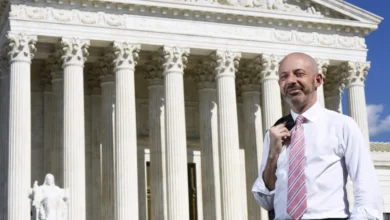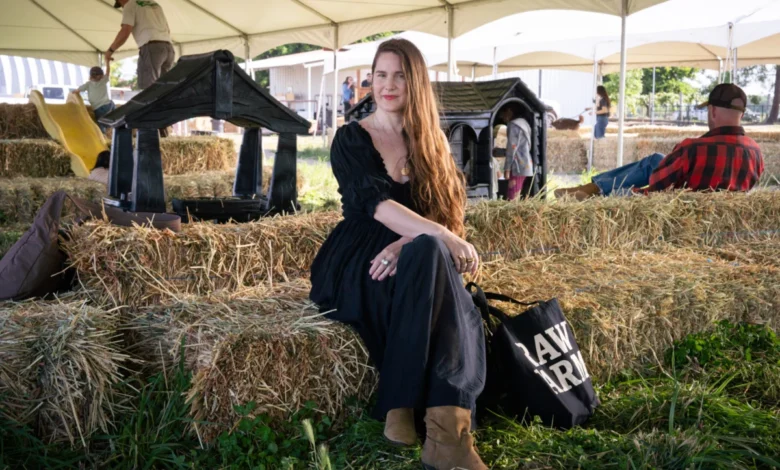
The landscape of American food safety is undergoing a profound transformation as raw milk, once a niche product favored by a small demographic of alternative-health enthusiasts, transitions into a mainstream consumer trend. This shift is occurring despite a century of scientific consensus regarding the dangers of unpasteurized dairy and a track record of significant illness outbreaks. At the center of this movement is Mark McAfee, the operator of Raw Farm, the nation’s largest raw-milk dairy, whose business has become a focal point for both explosive commercial growth and intense regulatory scrutiny. As the federal government’s stance on food safety begins to align with new political priorities, the debate over raw milk has evolved from a matter of public health into a symbol of a broader ideological struggle against established scientific institutions.
The Scientific Baseline: Pasteurization and Public Health
To understand the current controversy, it is necessary to examine the historical context of dairy consumption in the United States. Before the widespread adoption of pasteurization in the early 20th century, contaminated milk was a leading cause of infant mortality and the spread of diseases such as tuberculosis, typhoid fever, and scarlet fever. Pasteurization—the process of heating milk to a specific temperature for a set period to eliminate harmful bacteria—is considered one of the most successful public health interventions in history.

Current data from the Centers for Disease Control and Prevention (CDC) and the Food and Drug Administration (FDA) indicate that raw milk is approximately 150 times more likely to cause foodborne illness than pasteurized milk. Scientists and health experts broadly agree that unpasteurized dairy offers no significant nutritional benefits over pasteurized versions. While proponents claim that raw milk contains superior enzymes and probiotics, peer-reviewed research has consistently shown that the heating process does not meaningfully alter the milk’s nutritional profile or its impact on digestive health. Conversely, the risks remain high: raw milk can harbor dangerous pathogens including Salmonella, E. coli O157:H7, Listeria, and Campylobacter.
The Commercial Rise of Raw Farm
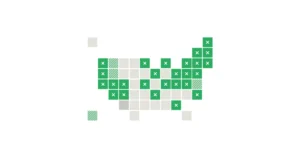
Despite these warnings, the raw milk market is booming. National weekly sales of unpasteurized dairy rose by an estimated 65% between 2023 and 2024. Mark McAfee’s Raw Farm, located in California, has capitalized on this demand, generating approximately $30 million in annual revenue. McAfee has successfully marketed his products not just as food, but as a lifestyle choice rooted in "transparency" and a return to nature.
The growth of the industry is fueled by a sophisticated network of online influencers and a growing distrust of federal health agencies. For many consumers, the choice to drink raw milk is a rejection of what they perceive as over-regulation and "politicized" science. McAfee has leaned into this sentiment, positioning himself as a "pioneer" who is providing a product that "moms and families" trust more than the guidance provided by the FDA. This marketing strategy has resonated with over 10 million Americans who now regularly consume raw dairy products.

A Chronology of Outbreaks and Recalls
The commercial success of Raw Farm stands in stark contrast to its regulatory history. Since 2006, federal and state regulators have linked the dairy to at least eight separate outbreaks and more than a dozen recalls. These incidents have resulted in at least 233 reported illnesses and 40 hospitalizations, though experts suggest these figures are likely undercounts due to the number of people who recover at home without seeking medical testing.
A timeline of significant incidents includes:
- 2006: Six children contracted E. coli after consuming Raw Farm products. One victim, seven-year-old Chris Martin, suffered a severe infection that led to permanent kidney damage. Now 27, Martin requires lifelong medical supervision and faces a high risk of chronic kidney disease.
- 2007–2016: A series of outbreaks and recalls involving Salmonella and Campylobacter forced the farm to repeatedly halt production and issue public warnings.
- 2023–2024: Regulators linked the farm to one of the largest raw-dairy Salmonella outbreaks in decades, with more than 170 people falling ill across multiple states.
- 2026: A recent E. coli outbreak was linked to raw cheddar cheese produced by the farm, affecting nine individuals, more than half of whom were children under the age of five.
McAfee has frequently disputed these findings, arguing that the methods used by regulators to track illnesses do not provide definitive proof of a direct link to his farm. He has often issued recalls "under protest," maintaining that his internal testing did not detect the pathogens identified by state and federal labs.

The Conflict Over Pathogen-Positive Cheese
One of the most contentious aspects of the Raw Farm investigation involves the dairy’s handling of contaminated milk. Internal documents and court filings revealed that the farm had a "standard practice" of diverting milk suspected or known to contain pathogens into its cheesemaking process. McAfee defended this practice by citing federal regulations that allow for the sale of raw cheese if it has been aged for at least 60 days, arguing that the aging process naturally mitigates pathogens.
However, modern food safety research contradicts this assumption. While aging can reduce the levels of some bacteria, hardy pathogens like E. coli and Listeria can survive the 60-day maturation period. In 2024, the FDA ordered Raw Farm to cease this practice and destroy any cheese made from contaminated milk. The farm resisted the order, leading to a protracted legal battle. The government’s efforts to enforce these safety standards were hampered by a backlog in the federal court system, which delayed a final ruling for nearly two years.
Political Reorientation and Regulatory Shifts
The regulatory environment for raw milk began to shift significantly with the transition of the federal administration. Under the leadership of Health Secretary Robert F. Kennedy Jr., the Department of Health and Human Services (HHS) has adopted a more permissive stance toward unpasteurized dairy. Kennedy, a vocal advocate for raw milk and a customer of Raw Farm, has integrated the product into his "Make America Healthy Again" (MAHA) initiative.

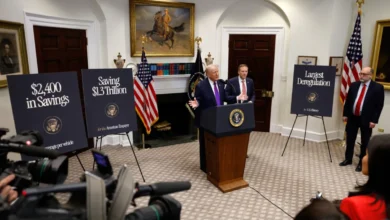
This political shift has had an immediate impact on federal enforcement. In early 2025, the Department of Justice and the FDA withdrew their long-standing legal efforts to force Raw Farm to change its cheesemaking practices. Former federal employees have described a "climate of fear" within health agencies, where career scientists feel that routine safety enforcement has become secondary to the political priorities of the administration.
McAfee has celebrated these developments as a "big win" for consumer choice and small-scale agriculture. He maintains that the government’s previous focus on raw milk was a form of "harassment" rather than a legitimate effort to protect public health. The withdrawal of the federal suit essentially allows the farm to continue its operations with less interference, provided it adheres to state-level guidelines, which are often less stringent than federal recommendations.
Broader Impact and Public Health Implications
The mainstreaming of raw milk and the softening of federal oversight carry significant implications for the future of food safety in the United States. Public health officials worry that the normalization of unpasteurized dairy will lead to an increase in preventable illnesses, particularly among vulnerable populations such as children, the elderly, and the immunocompromised.

Furthermore, the "anti-science" sentiment associated with the raw milk movement threatens to undermine trust in other critical public health measures. When consumers are encouraged to "do the opposite" of what the FDA recommends, the effectiveness of food recalls and safety warnings is diminished. The case of Raw Farm serves as a microcosm of a larger national trend where personal belief and "anecdotal evidence" are given equal weight to peer-reviewed science in the public discourse.
As sales of raw milk continue to climb, the burden of risk has shifted almost entirely to the consumer. While Mark McAfee and his supporters view this as an era of "food freedom," public health experts see it as a dangerous retreat from the basic safety standards that have protected the American population for over a century. The ongoing tension between commercial growth, political ideology, and scientific reality suggests that the raw milk debate is far from over, with the health of millions of consumers hanging in the balance.