Lawyers for SCOTUSblog Co-Founder Tom Goldstein File Appeal Asking 4th Circuit to Vacate Tax Evasion and Loan Fraud Conviction

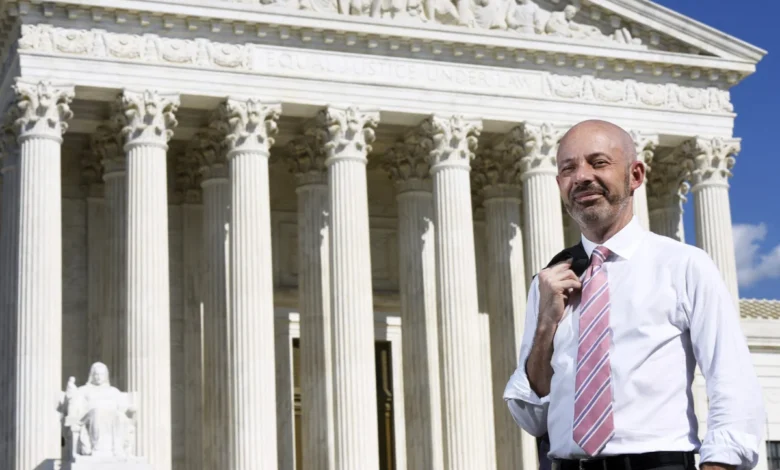
Legal defense teams representing prominent appellate attorney and SCOTUSblog co-founder Tom Goldstein have formally petitioned the federal court system to overturn his conviction on tax evasion and bank fraud charges. The appeal, officially lodged with the 4th U.S. Circuit Court of Appeals located in Richmond, Virginia, seeks to have the trial court’s ruling completely vacated and requests a brand-new trial. Attorneys representing Goldstein argue that fundamental errors made during the original proceedings—including alleged suppression of exculpatory evidence by the government, erroneous exclusion of defense exhibits under hearsay rules, and constitutionally flawed jury instructions—fatally undermined the fairness of the trial.
The September 10 filing marks a critical juncture in a high-profile legal saga that has captivated the American legal community. Goldstein, a widely recognized figure in Supreme Court litigation circles who built a reputation arguing numerous cases before the nation’s highest tribunal, was found guilty by a federal jury in February. The conviction stemmed from allegations involving sophisticated tax evasion schemes and the submission of false statements on various loan applications. As the 4th Circuit prepares to review the comprehensive appellate brief, legal analysts are closely watching the proceedings to determine whether the appellate panel will find merit in the defense’s claims of due process violations.
Allegations of Withheld Evidence and Complex Financial Crosscurrents
At the heart of Goldstein’s appeal lies a serious allegation regarding government non-disclosure. According to the appellate brief filed by his defense counsel, federal prosecutors allegedly failed to disclose vital evidence that could have aided Goldstein’s defense. This contested material reportedly touches upon a complex matrix of financial activities, including significant gambling winnings, interactions with a specific tax preparer, and the management of a foreign bank account.
Beyond his prominent career within the legal profession, Goldstein established a parallel reputation as a high-stakes poker player. The intersection of professional legal practice and high-volume, high-risk gambling introduced significant complexity into his personal financial accounting. During the initial trial, federal prosecutors focused heavily on these unconventional revenue streams, attempting to demonstrate a pattern of deliberate tax evasion and deceitful financial disclosures aimed at securing loans under false pretenses.
However, the newly submitted appellate brief contends that the government’s failure to hand over specific evidentiary materials violated the constitutional protections established under the landmark Supreme Court precedent Brady v. Maryland. By allegedly withholding documents and communications related to his tax preparer and foreign accounts, the defense argues that federal authorities impaired Goldstein’s ability to present a complete and accurate picture of his financial intent, thereby eroding his constitutional right to a fair defense.
Evidentiary Rulings and Jury Instructions Under Scrutiny
In addition to the alleged Brady violations, Goldstein’s legal team has mounted a multi-pronged challenge against specific trial management decisions made by the presiding judge. The appeal argues that the lower court committed reversible error by excluding crucial defense evidence under rigid hearsay applications. The defense maintains that these excluded documents and testimonies were vital for explaining Goldstein’s state of mind and negating the specific intent required to prove federal tax fraud and bank fraud.
Furthermore, the brief heavily criticizes the jury instructions delivered at the conclusion of the trial. Defense counsel argues that the language used by the court regarding the elements of the charged offenses was legally inaccurate and misleading. According to the appeal, the instructions lowered the prosecution’s burden of proof on critical elements of the crimes, effectively violating Goldstein’s due process rights under the Fifth Amendment. Legal scholars note that challenges to jury instructions frequently form the cornerstone of federal criminal appeals, as appellate courts exercise de novo review over whether instructions correctly stated the applicable law.
Chronology of the Legal Proceedings
The unfolding legal battle involving Tom Goldstein follows a structured trajectory through the federal justice system, marked by pivotal milestones over the past several years:
- Pre-Indictment Phase: Federal investigators scrutinize Goldstein’s financial records, focusing on discrepancies between reported income and actual cash flow, high-stakes gambling receipts, foreign accounts, and loan applications submitted to lending institutions.
- February: A federal jury delivers its verdict, finding Tom Goldstein guilty of multiple counts of tax evasion and making false statements on loan applications. The verdict sends shockwaves through the Washington, D.C., legal community, where Goldstein was a fixture known for founding SCOTUSblog and managing a successful appellate practice.
- Post-Trial Motions: Goldstein’s defense team files post-trial motions arguing for acquittal or a new trial based on alleged trial errors and improper jury instructions, which are ultimately unsuccessful, setting the stage for a formal appeal.
- September 10: Formal appellate brief is filed in the 4th U.S. Circuit Court of Appeals in Richmond, Virginia, asking the panel to vacate the conviction and grant a new trial due to due process violations, withheld evidence, and erroneous jury instructions.
Broader Implications for White-Collar Defense and Appellate Practice
The case of United States v. Goldstein carries significant implications beyond the immediate fate of its high-profile defendant. Because Goldstein is a seasoned Supreme Court practitioner and the co-founder of SCOTUSblog—a widely read publication dedicated to chronicling the activities of the highest court in the land—the case has drawn intense scrutiny from journalists, ethicists, and white-collar defense attorneys alike.
From a doctrinal perspective, the 4th Circuit’s eventual ruling on the Brady disclosure claims will provide fresh guidance on the prosecution’s ongoing obligations to turn over peripheral financial and foreign account records in complex white-collar trials. The intersection of professional gambling income, international banking, and traditional domestic tax compliance presents unique evidentiary hurdles for both prosecutors and defense counsel. As high-income earners increasingly utilize alternative asset classes, foreign holdings, and non-traditional income sources, federal prosecutors are expected to continue scrutinizing these areas for compliance failures.
Moreover, the challenge concerning jury instructions highlights the delicate balance trial judges must maintain when explaining intricate financial fraud statutes to lay juries. If the 4th Circuit finds that the instructions were sufficiently flawed to warrant a new trial, it could prompt district courts within the circuit to exercise heightened caution when drafting charges for complex economic crimes.
As the legal briefs make their way through the 4th Circuit, both the government and Goldstein’s defense team are preparing for subsequent rounds of oral arguments. The appellate court’s decision will ultimately determine whether Goldstein must continue serving his sentence or if he will be afforded the opportunity to present his case before a new jury, bringing a dramatic chapter in contemporary legal journalism and practice one step closer to resolution.