Sen. Mitch McConnell Prepares for High-Stakes Senate Return Following Months-Long Health Absence

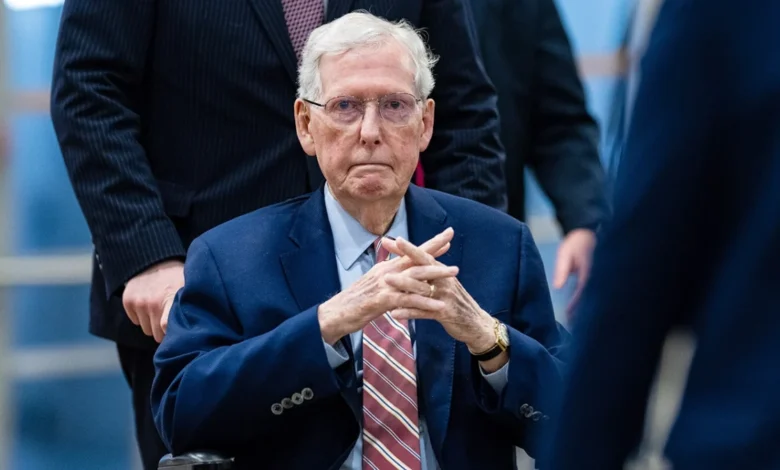
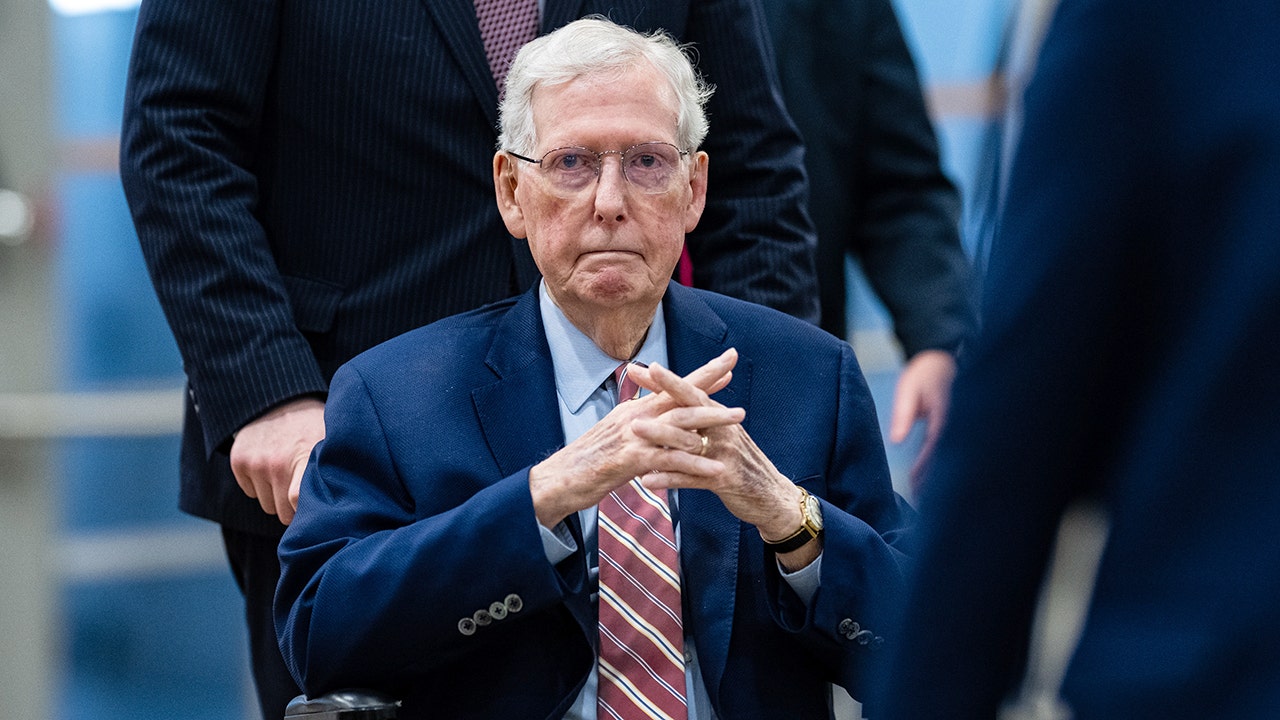
WASHINGTON — Senator Mitch McConnell, the veteran Republican lawmaker and former Senate Republican Leader from Kentucky, is scheduled to make his long-awaited return to the United States Capitol to cast his first legislative vote following a grueling months-long absence. The 84-year-old senator has been away from Capitol Hill since early June, when a severe fall at his Washington, D.C., residence triggered a cascade of complex medical complications, intensive rehabilitation, and persistent speculation regarding his political future and physical condition.
McConnell’s reemergence coincides with the conclusion of a month-long congressional recess, marking a critical juncture for the Senate Republican Conference. Lawmakers are immediately diving back into high-stakes legislative battles, chief among them a massive farm aid and federal funding package that previously stalled in the upper chamber due to narrow margins and absences within the GOP caucus. With his return, McConnell aims to stabilize the Republican voting bloc as the party attempts to push key legislative priorities across the finish line.
A Long and Arduous Road to Recovery
In a formal statement released on Monday, the first day back in session following the legislative break, McConnell confirmed that he would participate in upcoming floor votes. He acknowledged that his recovery has been exceptionally difficult, compounded by historical health challenges that have required immense patience and perseverance.
"I’m really looking forward to being back on the Senate floor and seeing my colleagues," McConnell said in his statement. "My recovery has been a long and often frustrating process, and the lingering effects of childhood polio haven’t made it any easier. I’m still not quite back to 100%, but I’ve assured Leader Thune that, as I continue with physical therapy on the advice of my doctors, I will do my best to be present for tough votes when our Conference needs me."
McConnell contracted polio as a toddler, a battle that left him with partial paralysis in his left leg and required extensive physical therapy during his youth—a formative experience that he has frequently cited when discussing his personal resilience. Decades later, that same limb strength and overall physical conditioning have made recovery from major skeletal trauma increasingly complex.
Following his home accident in June, McConnell was rushed to the hospital, where medical personnel treated him for injuries sustained during the fall. While initial reports indicated he was recovering, his medical trajectory took a more serious turn when he subsequently developed pneumonia. The respiratory infection prolonged his hospital stay and necessitated a transfer to a specialized rehabilitation facility, keeping him entirely removed from legislative duties, committee work, and public appearances for the majority of the summer.
Chronology of Events: The Timeline of McConnell’s Absence
The path leading to McConnell’s return has been closely monitored by political analysts, constituents, and congressional leadership alike. A chronological overview highlights the progression of events:
- Early June: Senator McConnell suffers a serious fall at his Washington, D.C., home, resulting in immediate hospitalization and prompting widespread concern among congressional colleagues.
- Mid-June: Medical updates reveal that McConnell has developed pneumonia while recovering from his initial injuries, further complicating his treatment protocol and extending his hospital stay.
- Late June to July: McConnell is discharged from acute hospital care and transferred to an inpatient rehabilitation facility to undergo intensive physical and occupational therapy. During this period, he misses crucial votes and high-profile committee hearings.
- August: Rumors and speculation swirl regarding his political future and whether he will be medically cleared to resume his senatorial duties when Congress returns from its August recess.
- Late August: McConnell’s office confirms he has left rehabilitation and is continuing outpatient physical therapy in Kentucky while consulting closely with his medical team.
- September (Current): McConnell officially announces his return to Washington for the resumption of the legislative session, explicitly noting his intention to participate in vital votes starting Monday.
Impact on Legislative Priorities and the Farm Bill
McConnell’s prolonged absence has had tangible consequences for the legislative agenda in Washington. In a closely divided Senate where every vote carries immense weight, the loss of a senior member severely hamstrings the majority or minority party’s ability to advance contested legislation.
During the final weeks before the summer recess, Senate Republicans attempted to shepherd a sweeping farm aid and funding package through the chamber. The legislation, which addresses agricultural subsidies, rural development initiatives, and broader operational funding, ultimately failed to clear procedural hurdles. Without McConnell’s reliable vote—and facing unified opposition or strategic absences on the other side of the aisle—leadership lacked the numbers required to invoke cloture and advance the bill.
With Congress reconvening, Senate Republican leadership has prioritized the legislation for immediate floor action. McConnell’s commitment to return—even while continuing outpatient physical therapy—signals a concerted effort by the GOP to present a united front and secure the votes necessary to pass the package.
"Elaine and I are very grateful for all the continued well wishes from our fellow Kentuckians," McConnell noted, referencing his wife, former Transportation Secretary Elaine Chao, "and I’m glad to get back to more of business as usual on their behalf this month."
Political Implications and Future Outlook
The return of Kentucky’s senior senator carries broad implications for the dynamics of the United States Senate. As one of the longest-serving senators in American history and a dominant institutional force within the Republican Party, McConnell commands deep institutional knowledge and strategic influence.
While McConnell stepped down from his formal leadership post prior to this health scare, handing the reins to Senate Republican Leader John Thune, he remains an influential statesman within the caucus. Thune and other members of leadership have maintained regular communication with McConnell throughout his convalescence, frequently emphasizing that his health and well-being take precedence over legislative arithmetic.
However, the political reality of the modern Senate demands active participation, particularly as parties vie for legislative victories ahead of upcoming electoral cycles. McConnell’s explicit assurance to Leader Thune—that he will exert maximum effort to be present for critical, tightly contested votes—provides a welcome boost of confidence to Republican strategists who cannot afford unexpected absences.
Medical professionals and congressional aides have noted that McConnell’s return will be managed cautiously. While he has been cleared to travel and participate in floor votes, his schedule will likely be tailored to accommodate ongoing physical therapy regimens and precautionary medical oversight.
As the Senate gavels back into session, all eyes will be on the chamber floor to witness McConnell’s return. Beyond the symbolic nature of his reemergence, his physical presence on the dais serves as an immediate functional necessity for a Republican caucus eager to turn the page on a stagnant legislative summer and deliver results on critical funding and agricultural priorities.
Related posts: