Carabao Cup fourth round draw pairs Liverpool with Chelsea as Arsenal face lowest-ranked Fleetwood Town

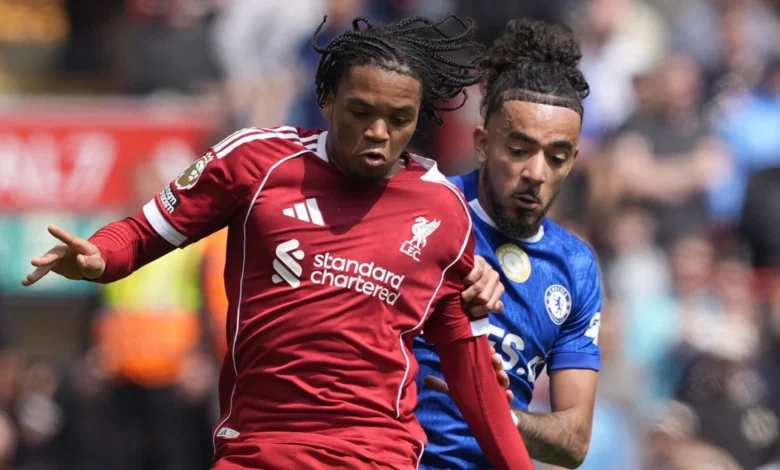
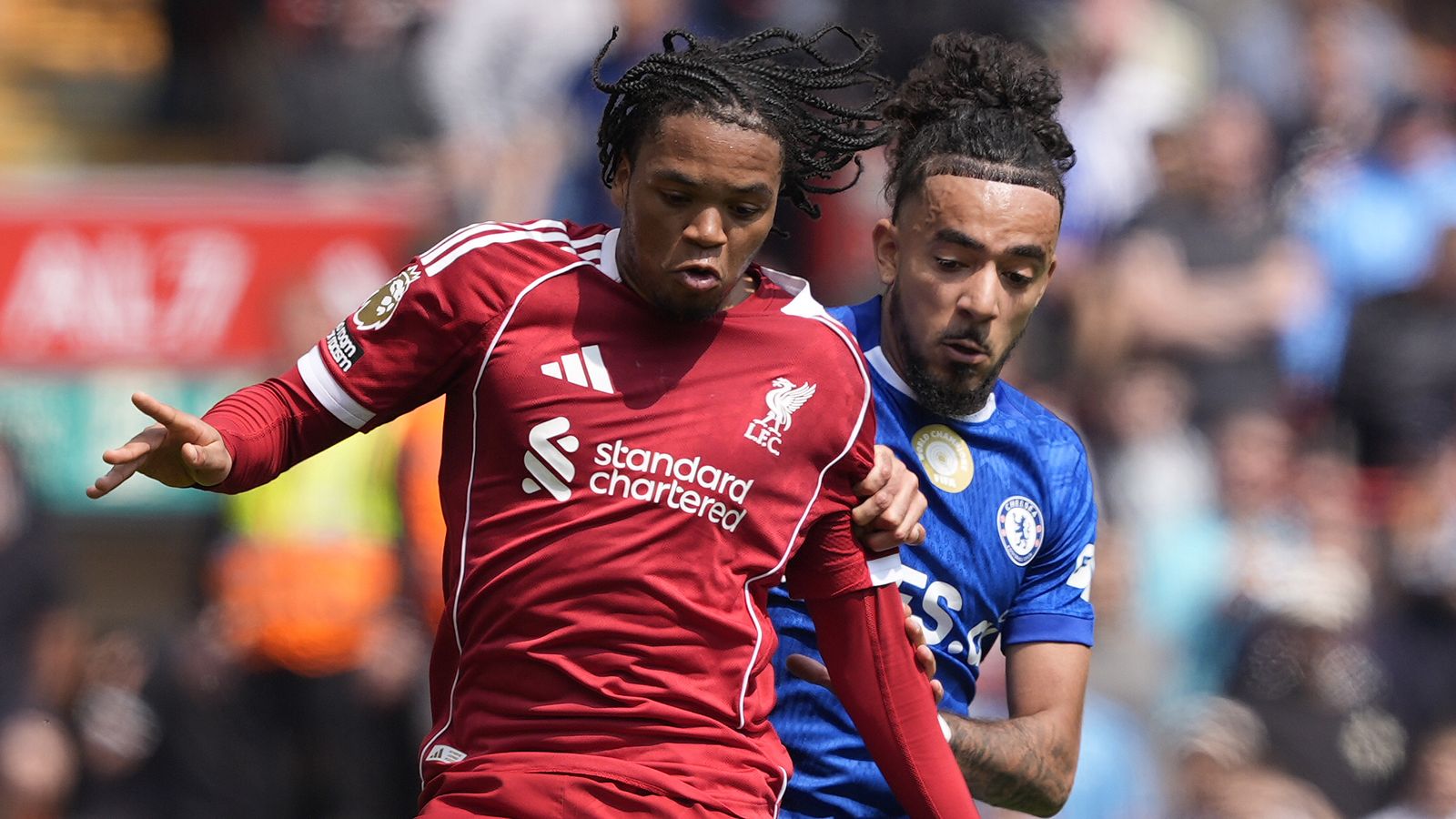
The draw for the fourth round of the Carabao Cup has delivered a series of high-stakes encounters, headlined by a blockbuster clash between Liverpool and Chelsea at Anfield. The upcoming fixtures, scheduled for the week commencing October 26, promise a definitive test for several top-flight clubs as the competition intensifies toward the quarter-final stages. While heavyweights prepare for internal league rivalries, the tournament’s inherent capacity for drama remains intact, underscored by the presence of lower-league underdogs aiming to dismantle established hierarchies.
A High-Stakes Return to Anfield
The standout fixture of the round sees Chelsea manager Xabi Alonso return to the club where he cemented his legacy as a world-class midfielder. Alonso, a Champions League winner during his illustrious playing tenure at Anfield, was widely speculated to be a primary candidate to succeed Arne Slot following the managerial transition at Liverpool. However, the Spaniard opted for the project at Stamford Bridge, setting the stage for an emotionally charged reunion.
The tactical narrative of this fixture is bolstered by both clubs’ recent form. Chelsea earned their place in the fourth round with a clinical victory over Leeds United, while Liverpool secured their progression by overcoming Tottenham Hotspur in a bruising encounter on Tuesday. For Alonso, the trip to Merseyside represents more than a tactical challenge; it is a test of his standing among the Anfield faithful, who have remained appreciative of his contribution to the club’s history despite his current allegiance to a domestic rival.
The Underdog Narrative: Fleetwood’s Moment
While the giants clash, the romantic allure of the Carabao Cup is represented by Fleetwood Town. The League Two outfit, having successfully navigated a challenging third-round tie against Championship side Sheffield United, has been rewarded with a home tie against Premier League champions Arsenal.
For Fleetwood, this draw represents a landmark event in the club’s history. Facing a side of Arsenal’s caliber offers not only a significant financial windfall through gate receipts and broadcasting exposure but also a unique opportunity to test their tactical structure against elite-level opposition. Arsenal, meanwhile, must approach the tie with professional caution; the history of the Carabao Cup is littered with instances of top-tier clubs falling to lower-league opposition who thrive on the lack of pressure and the intensity of a home crowd.
Structural Analysis of the Draw
The fourth-round landscape is heavily populated by all-Premier League affairs, reflecting the attrition rate of the competition. Beyond the Liverpool-Chelsea tie, there are four other guaranteed top-flight showdowns:
- Everton vs. Newcastle: Two clubs desperate for silverware, both looking to use the Carabao Cup as a catalyst for their respective domestic campaigns.
- Fulham vs. Crystal Palace: A London derby that guarantees a tense atmosphere at Craven Cottage.
- Bournemouth vs. Aston Villa: A clash between two sides known for high-tempo football, making it a difficult fixture for both managers to navigate.
- Manchester City/Norwich vs. Brighton: Depending on the outcome of Thursday’s match, the winner will face a formidable Brighton side, who arrive with momentum following their stunning comeback victory against Manchester United at Old Trafford.
The inclusion of these ties ensures that at least five Premier League clubs will be eliminated in this round, further thinning the field and increasing the probability of a surprise candidate reaching the later stages of the competition.
A Path for the Lower Leagues
While the spotlight often remains on the Premier League clubs, the fourth round provides a clear pathway for lower-league progression. The match between Bradford City and Peterborough United guarantees that at least one League One club will feature in the quarter-finals. This fixture underscores the importance of the tournament for clubs outside the elite tier, where a deep run can provide a transformative financial and morale-boosting effect for the duration of the season.
Chronology and Context of the Competition
The Carabao Cup, historically known as the League Cup, remains a vital component of the English football calendar. Since its inception in 1960, it has served as the first major trophy opportunity for clubs in the top four tiers of the English football league system.
The 2026 iteration of the tournament has already seen significant volatility. The third round was marked by a series of upsets, most notably Brighton’s dramatic turn-around against Manchester United. Such results highlight the tactical flexibility required by elite managers, who must balance squad rotation with the need for competitive consistency. The scheduling of the fourth round in late October places it at a critical juncture in the domestic season, where fatigue begins to set in and squad depth becomes a primary differentiator.
Managerial Implications and Tactical Preparation
For managers like Arne Slot and Xabi Alonso, the fourth-round draw presents a unique set of challenges. Squad management is expected to be a central theme, as both teams look to balance their Premier League ambitions with the physical demands of mid-week cup fixtures.
Analyst consensus suggests that while depth is a luxury, the psychological importance of winning a trophy in the early stages of a new tenure cannot be understated. A victory at Anfield would serve as a significant validation for Alonso’s project at Chelsea, while for Slot, maintaining Liverpool’s momentum in cup competitions is essential to satisfying the expectations of the Anfield support.
The Broader Economic and Sporting Impact
The draw has broader implications for the footballing ecosystem. The revenue generated from these high-profile ties is crucial for lower-league clubs like Fleetwood and Bradford. Beyond the balance sheet, the exposure provided by broadcasting rights—often managed by entities like Sky Sports—allows these clubs to showcase their talent on a national stage, which can have long-term benefits for player recruitment and retention.
From a sporting perspective, the concentration of Premier League sides in the fourth round suggests a potential "survival of the fittest" scenario. As the tournament progresses, the margin for error narrows. Tactical discipline, injury prevention, and the ability to adapt to varying styles of play—from the high-pressing systems favored by elite clubs to the organized, defensive structures often employed by lower-league teams—will be the defining factors in determining who lifts the trophy at the final.
Conclusion: Looking Ahead
The fourth round of the Carabao Cup stands as a microcosm of English football’s unique appeal: the blending of elite European-standard clashes with the grassroots aspiration of local clubs. As the week of October 26 approaches, the focus will shift from the administrative nature of the draw to the tactical preparations on the training ground.
For the fans, the anticipation is palpable. Whether it is the nostalgia of an Alonso return to Anfield, the David-versus-Goliath narrative of Fleetwood against Arsenal, or the hard-fought regional rivalries, the tournament continues to deliver the unpredictability that defines the domestic game. The clubs that successfully navigate these fixtures will earn their place in the final eight, moving one step closer to a Wembley appearance and the prestige that accompanies the Carabao Cup trophy. The stage is set for a pivotal round of football that will undoubtedly reshape the competitive outlook for the remainder of the 2026 season.
Related posts: