
Tag Nyc Food Carts
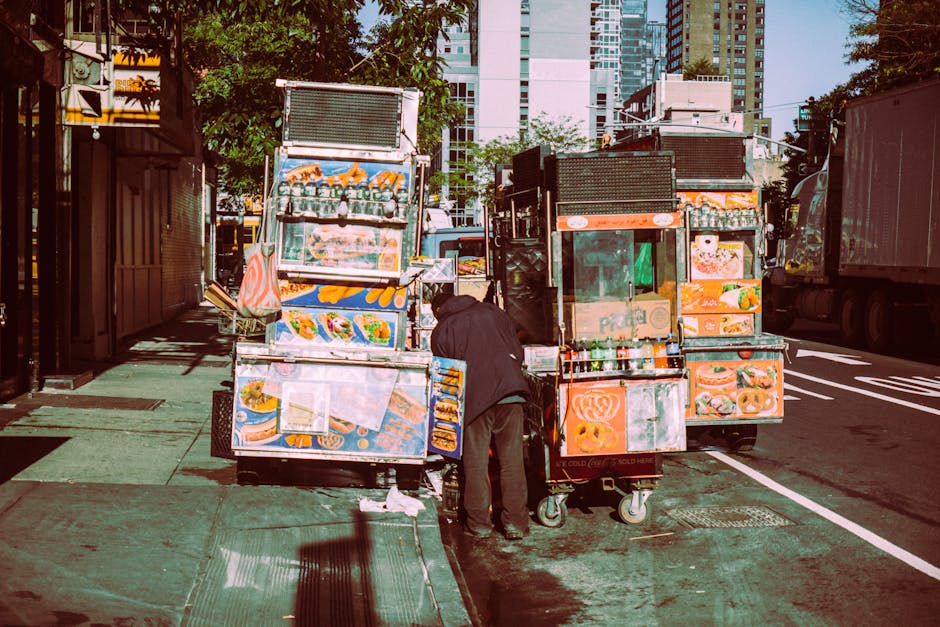
Tag NYC Food Carts: A Culinary Evolution on the Streets of New York
New York City’s iconic food cart scene is far more than a convenient lunch option; it represents a dynamic, ever-evolving culinary landscape that mirrors the city’s own diverse and fast-paced rhythm. These ubiquitous mobile kitchens, often referred to as "TAG NYC food carts" due to the common presence of the "TAG" (Taxicab, Apparel, & Goods) logo on many of their carts, are a testament to entrepreneurial spirit, innovation, and the democratizing force of accessible, delicious food. From humble hot dog stands to sophisticated gourmet operations, TAG NYC food carts offer a spectrum of flavors that cater to every palate and budget, solidifying their place as an indispensable element of the urban dining experience. Their origins, operating under strict regulations and often facing public perception challenges, have transformed into a vibrant industry that fuels the city’s economy and its residents’ daily lives. The sheer volume and variety of food cart offerings are staggering, reflecting the global influences that converge in New York. Whether you’re craving authentic street tacos, fragrant halal chicken and rice, artisanal grilled cheese, or even more niche international delicacies, a TAG NYC food cart is likely to be found within a few blocks. This accessibility, coupled with competitive pricing, makes them a preferred choice for millions of New Yorkers and tourists alike. The term "TAG NYC food carts" itself has become shorthand for this vibrant ecosystem, acknowledging the logistical and sometimes branding commonalities that unify these independent operators. Understanding the intricacies of this industry, from licensing and health codes to the business strategies employed by cart owners, is crucial to appreciating the full scope of their contribution to the city’s culinary identity. The evolution of these carts from simple purveyors of basic sustenance to incubators of culinary talent is a story worth exploring in depth, highlighting their resilience, adaptability, and the sheer passion that drives their owners. The pervasive presence of the TAG logo, while not indicating a single controlling entity, does signify a network and a shared experience among many of these mobile food vendors, fostering a sense of community and shared challenges.
The history of food carts in New York City is as old as the city itself, with early iterations serving workers and travelers. However, the modern era of TAG NYC food carts began to take shape in the latter half of the 20th century. As the city’s population grew and its workforce expanded, the demand for quick, affordable, and portable meals increased. Early pioneers often focused on simple, high-volume items like hot dogs and pretzels, becoming ingrained symbols of street culture. The advent of regulations and licensing further formalized the industry, creating the framework within which modern food carts operate. The term "TAG NYC food carts" emerged organically from the street, reflecting the visual cues that many consumers recognized and associated with reliable, often family-run, food operations. These carts have navigated complex city ordinances, health department inspections, and changing consumer tastes, demonstrating remarkable adaptability. The rise of specific cuisines and the introduction of more adventurous food options have transformed the perception of food carts from basic sustenance providers to legitimate culinary destinations. The entrepreneurial spirit is at the core of the TAG NYC food cart phenomenon. Many owners are immigrants who brought their family recipes and culinary traditions to the streets, creating authentic taste experiences that resonate with a diverse clientele. This has led to a situation where a single block can feature a multitude of carts, each offering a distinct flavor profile and specialty, creating a vibrant and competitive marketplace that ultimately benefits the consumer. The challenges of operating a food cart are significant, including long hours, unpredictable weather, and the constant need to secure prime locations. However, the potential for independence and direct connection with customers is a powerful motivator. The TAG NYC food cart community, despite its competitive nature, often exhibits a strong sense of camaraderie, with vendors sharing advice and supporting each other.
The diverse culinary offerings of TAG NYC food carts are their most compelling attribute. While hot dog and pretzel carts remain staples, the landscape has broadened considerably. Halal food carts, often identified by their distinctive green and white or red and white signage and offering generous portions of chicken, lamb, or vegetarian over rice with their signature white and hot sauces, are perhaps the most ubiquitous and iconic. These carts have revolutionized the concept of street food, providing a flavorful and filling meal at an incredibly low price point. The demand for these carts is so high that they are often found clustered in busy business districts and tourist areas. Beyond halal, Indian food carts offer aromatic curries and flavorful rice dishes, while Mexican carts serve up authentic tacos, burritos, and quesadillas, often with vibrant salsas and fresh toppings. Italian influence is evident in carts offering pasta dishes and, of course, classic New York pizza slices. Increasingly, TAG NYC food carts are also embracing global trends, featuring Korean BBQ, Vietnamese pho, Japanese ramen, and even Mediterranean-inspired fare like falafel and shawarma. The rise of gourmet food trucks, a more mobile and often larger iteration of the food cart, has further pushed the boundaries, with some offering artisanal sandwiches, inventive salads, and specialty desserts. This culinary diversification is a direct response to the evolving palates of New Yorkers and visitors, who are increasingly adventurous and seeking unique food experiences. The ability of food carts to adapt quickly to trends and to experiment with new flavors is a key factor in their enduring popularity. The term "TAG NYC food carts" encompasses this entire spectrum, signifying the accessible entry point into the city’s vast culinary tapestry. The innovation within this sector is ongoing, with many cart owners constantly refining their menus, sourcing higher-quality ingredients, and developing unique branding to stand out in a crowded market. This continuous drive for improvement ensures that the TAG NYC food cart experience remains fresh and exciting for consumers. The sheer variety means that dietary needs and preferences are increasingly being met, with vegetarian, vegan, and gluten-free options becoming more commonplace.
Navigating the operational and regulatory landscape for TAG NYC food carts is a complex but essential aspect of their existence. Operating a food cart in New York City requires a multitude of permits and licenses. Vendors must obtain a mobile food vending permit from the Department of Health and Mental Hygiene, which involves rigorous inspection of their carts to ensure compliance with strict food safety and sanitation standards. In addition to health permits, vendors may also need permits from the Department of Consumer and Worker Protection, especially concerning vending in public spaces. The issue of permits is a recurring challenge, as the number of available permits is limited, leading to long waiting lists and a thriving secondary market for permit transfers. This scarcity often dictates where carts can operate, with certain areas being more saturated than others due to permit restrictions and foot traffic. The physical infrastructure of a food cart itself is also crucial. Carts are typically equipped with propane tanks for cooking, refrigeration units, and water tanks, all subject to inspection and maintenance. The daily operation involves early mornings for setup, preparation of ingredients, cooking during peak hours, and thorough cleaning at the end of the day. The logistics of sourcing fresh ingredients daily, managing inventory, and handling waste disposal are all critical for successful operation. The "TAG" in TAG NYC food carts often refers to the visible branding that helps customers identify and patronize their preferred vendors. This branding is not just aesthetic; it signifies consistency, reliability, and a commitment to quality. For many, the TAG logo represents a trusted choice in a sea of options, indicating a vendor that has met all regulatory requirements and has established a reputation for good food and service. The challenges extend beyond permits; cart owners also face competition from brick-and-mortar restaurants and other food carts, as well as the perennial issue of finding desirable vending locations. Despite these hurdles, the enduring presence of TAG NYC food carts is a testament to their resilience and the fundamental appeal of their offerings. The city’s ongoing discussions about reforming vending laws and addressing the permit system reflect the importance of this industry and the need to balance public space usage with supporting small businesses.
The economic impact of TAG NYC food carts is substantial and often underestimated. These mobile businesses create jobs, not only for the cart operators themselves but also for individuals involved in food preparation, ingredient sourcing, and cart maintenance. Many of these businesses are family-owned, providing vital income streams for immigrant communities and contributing to the economic diversity of the city. The affordability of food cart meals makes them a crucial option for lower-income residents and students, allowing them to access nutritious and satisfying food without breaking the bank. For tourists, food carts offer a more authentic and budget-friendly way to experience New York City’s culinary landscape compared to traditional restaurants. The revenue generated by food carts, though often individual transactions, collectively contributes to the city’s tax base and stimulates local economies. The entrepreneurial nature of the industry means that owners are constantly innovating and adapting to market demands, leading to new culinary trends and increased consumer choice. The "TAG NYC food carts" phenomenon represents a decentralized but highly impactful economic engine. These carts also play a role in revitalizing public spaces, transforming underutilized corners into vibrant culinary hubs, especially during lunch hours in business districts. The informal economy, while sometimes challenging to quantify, is a significant component of New York City’s economic fabric, and food carts are a prominent part of that. The growth of food truck rallies and events further highlights the economic potential and cultural significance of these mobile kitchens. The ability of individuals to start a food cart with a relatively lower barrier to entry compared to opening a restaurant fosters a culture of entrepreneurship and self-sufficiency. The economic contribution is not just in direct sales; it extends to the businesses that supply ingredients, equipment, and services to these vendors, creating a ripple effect throughout the local economy. The resilience of this sector, particularly in bouncing back from economic downturns and unexpected events like pandemics, underscores its fundamental importance to the city’s economic health.
The future of TAG NYC food carts is one of continued adaptation and innovation. As the city evolves, so too will its street food scene. Sustainability is becoming an increasingly important consideration, with more carts exploring eco-friendly packaging, waste reduction strategies, and sourcing local ingredients. Technology also plays a growing role, with many carts utilizing online ordering platforms, social media for promotion, and digital payment systems to enhance customer experience and operational efficiency. The ongoing dialogue surrounding vending regulations and the desire for more equitable access to prime vending locations will continue to shape the industry. Advocacy groups and vendor associations are working to address issues of permit scarcity, unfair competition, and the need for better infrastructure, such as dedicated food cart hubs. The aspiration for food carts to move beyond being perceived as solely a quick-lunch option to being recognized as legitimate culinary destinations will likely continue. This includes the development of more sophisticated branding, unique menu offerings, and an emphasis on the story and craft behind the food. The "TAG NYC food carts" landscape will undoubtedly remain a dynamic space, reflecting the city’s ever-changing demographics, cultural influences, and culinary aspirations. The inherent flexibility of the food cart model allows for rapid experimentation, making it an ideal incubator for new food trends and entrepreneurial ventures. The continued integration of technology, from advanced point-of-sale systems to targeted marketing through social media, will further refine the customer experience. Furthermore, there is a growing awareness and demand for ethical sourcing and labor practices within the food industry, which will likely influence the operational standards of food carts. The resilience demonstrated by these businesses during challenging times suggests their long-term viability. The urban landscape is increasingly embracing diverse and accessible food options, placing food carts at the forefront of this culinary revolution. The continued success of TAG NYC food carts will hinge on their ability to balance tradition with innovation, navigate regulatory complexities, and consistently deliver high-quality, delicious food to the discerning palates of New York City. The ongoing evolution of the city’s food scene ensures that these mobile culinary entrepreneurs will continue to play a vital and flavorful role in its identity for years to come. The potential for increased collaboration and networking among vendors, perhaps through organized associations or shared commissary kitchens, could further strengthen the industry and address collective challenges. The narrative of the TAG NYC food cart is far from over; it is a continuously unfolding story of flavor, entrepreneurship, and the vibrant pulse of New York City.
