For generations, the rolling foothills of the Catskill Mountains in upstate New York served as a bustling agricultural sanctuary. Known historically as the "Borscht Belt," this expansive network of resorts, hotels, and family-run farms welcomed waves of Jewish families seeking respite from New York City throughout much of the 20th century. Today, however, the physical landscape of the region tells a starkly different story of economic shift, abandoned farmlands, and fading local traditions. For Doug Doetsch, an international finance lawyer and partner at Mayer Brown in Chicago, this transformation was not merely an inevitable consequence of modern times, but a call to action. Blending a deep-seated respect for his family’s five-generation history in Callicoon, New York, with a visionary approach to sustainable agriculture and hospitality, Doetsch has successfully spearheaded the creation of Seminary Hill, an acclaimed organic orchard, cidery, and inn that breathes new life into the historic region.
Main Facts: The Vision Behind Seminary Hill
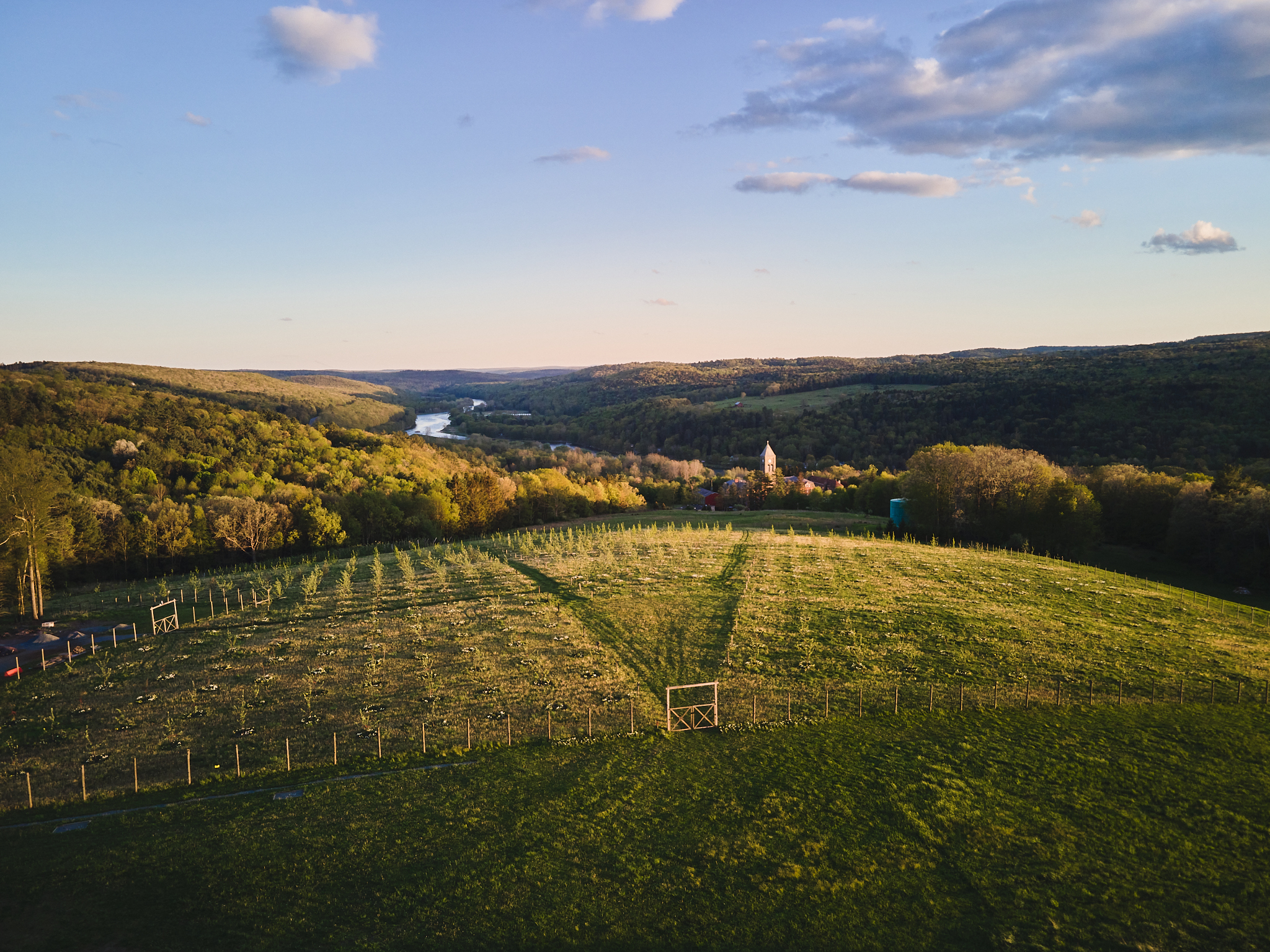
At its core, Seminary Hill represents a meticulous synthesis of legal discipline, agricultural stewardship, and architectural innovation. Situated overlooking the Delaware River, the 12-acre organic property cultivates roughly 60 distinct varieties of heritage apples and pears. Operating under the leadership of Doetsch as CEO, the enterprise features a state-of-the-art cidery, a farm-to-table restaurant, and an eight-apartment boutique inn known as the Boarding House.
The scope of Seminary Hill extends well beyond a mere lifestyle project or weekend retreat. By maintaining rigorous organic standards and incorporating eco-friendly infrastructure—such as constructing the main cidery building with reclaimed wood from New York’s demolished Tappan Zee Bridge and securing Passive House certification for energy efficiency—Doetsch and his team have established a benchmark for modern agricultural tourism in the Catskills. The property has drawn critical acclaim, notably earning a prestigious Michelin Key designation for the Boarding House in 2024, placing it among the elite hospitality destinations recognized for outstanding architecture, service, and guest experience. Furthermore, its craft beverages have achieved industry-wide recognition, highlighted by its 2024 Pommeau being named the top fortified cider at the 2026 Great Lakes International Cider and Perry Competition.
Chronology and Historical Context
The narrative of Seminary Hill spans over a century, rooted in the rich agricultural heritage of Callicoon. Both sides of Doetsch’s family operated German-American farms in the region, supplying essential provisions such as milk, eggs, and poultry to the thriving Borscht Belt hospitality ecosystem. Additionally, his maternal grandparents managed a local boarding house for more than five decades, embedding hospitality deeply into the family’s DNA. Historical roots on the homestead also trace back to Doetsch’s great-grandfather, who famously manufactured cider during the Prohibition era using apples harvested from the family orchard.
As the 20th century drew to a close, economic and cultural pressures altered the Catskills landscape. The grand resort hotels shuttered, younger generations migrated away from agrarian lifestyles, and once-productive farmlands fell into disuse. Doetsch, who pursued higher education at Kalamazoo College before earning his law degree at Columbia Law School, witnessed this decline firsthand during his return visits to Callicoon.
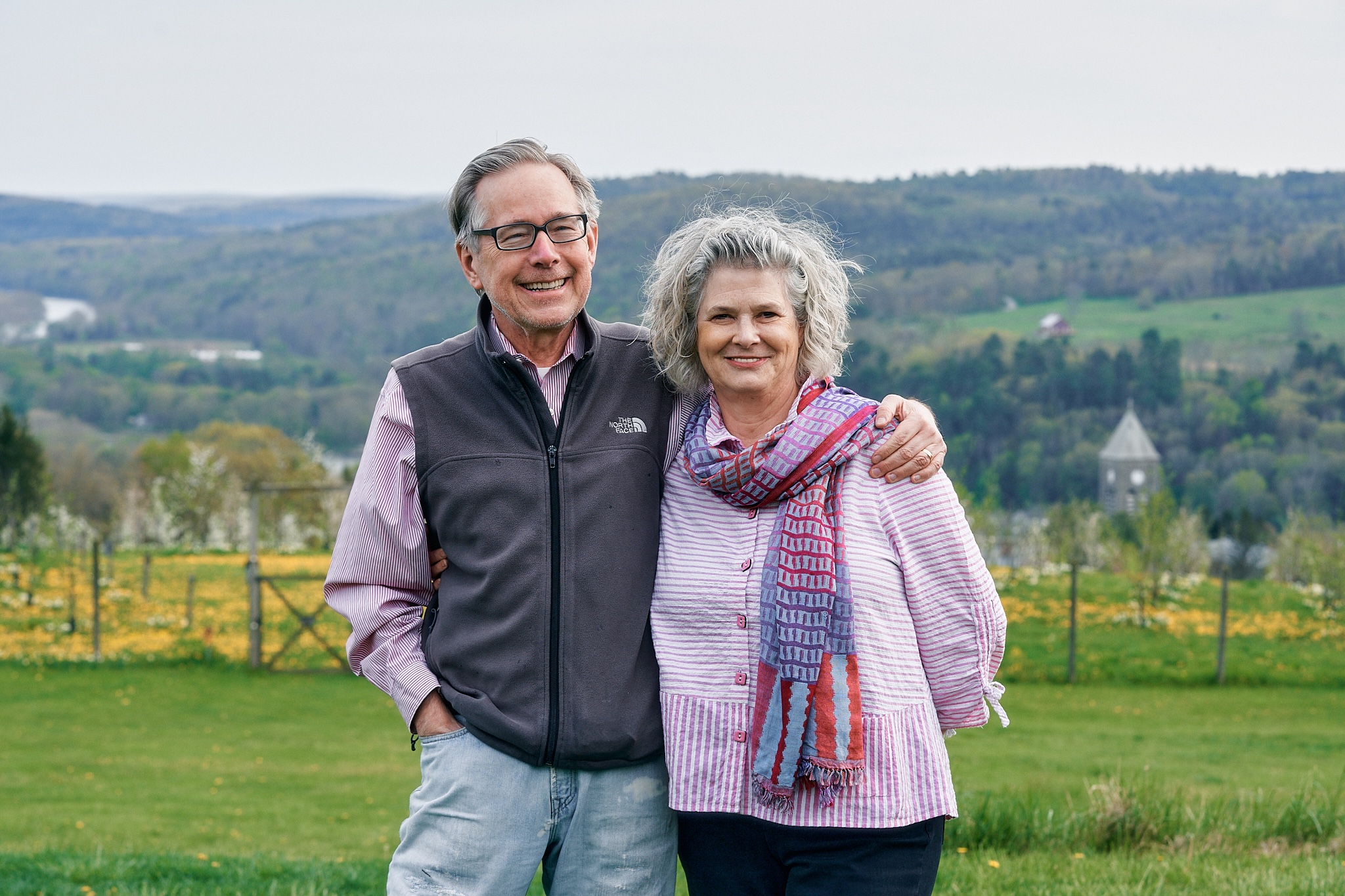
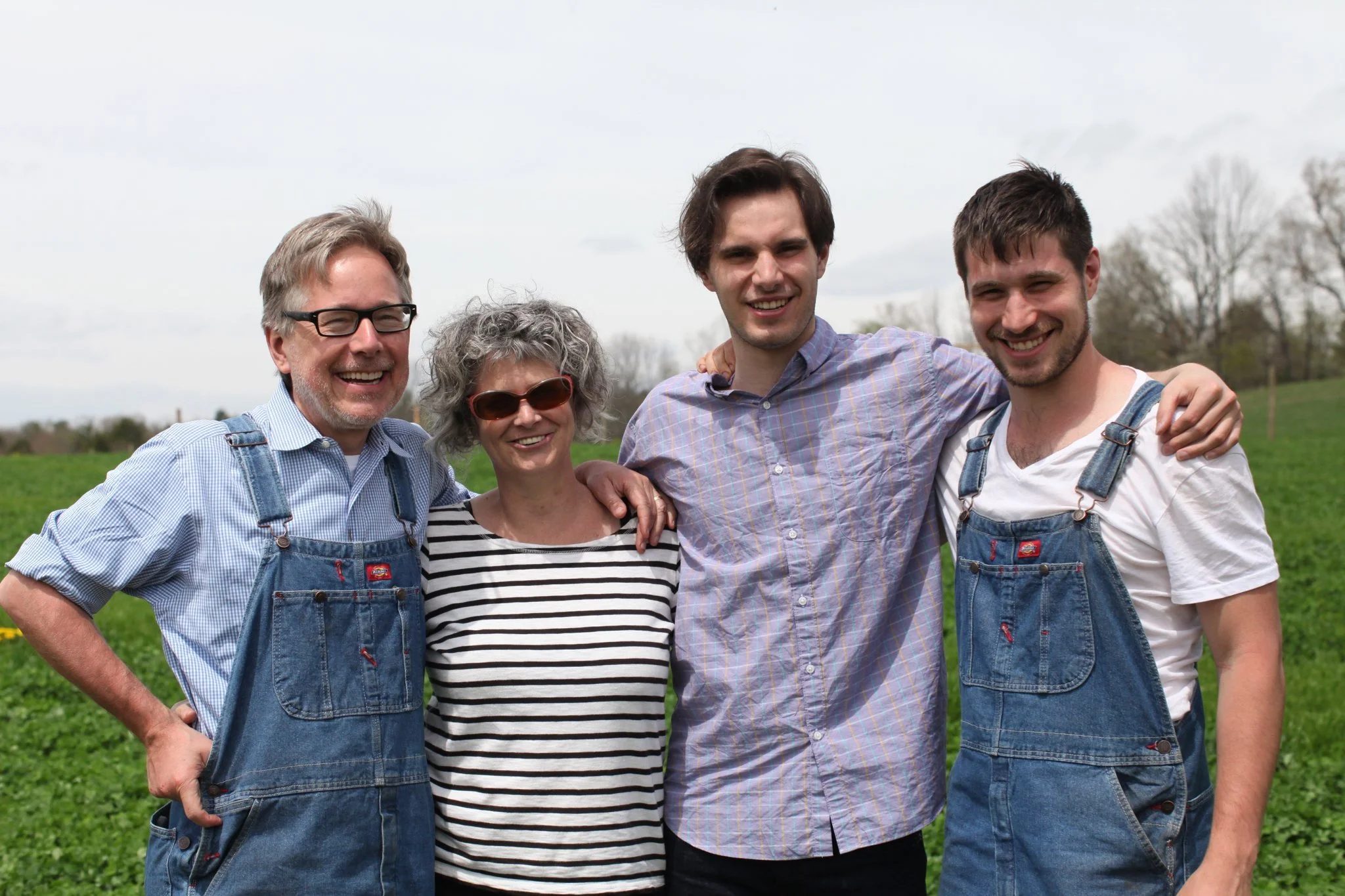
The turning point for the property’s revitalization occurred in 2012, catalyzed by several formative experiences. Alongside his wife, Susan Manning—a professor emerita in the theater department at Northwestern University—and their two sons, Elijah and Reuben, Doetsch took a trip to France. Observing how regional French cidermakers served as integral anchors for local tourism deeply inspired the family. Furthermore, Doetsch drew profound inspiration from an uncle by marriage, a retired antitrust lawyer from McDermott Will & Emery who transitioned into a successful commercial cherry farmer. Viewing his uncle’s successful career pivot as a masterclass in life’s "Chapter 2," Doetsch resolved to reclaim his ancestral homestead.
Development, Infrastructure, and Agricultural Execution
Transforming overgrown, fallow land into a high-yielding organic orchard required meticulous planning, heavy labor, and expert collaboration. Doetsch partnered with renowned organic orchardist Michael Phillips to analyze and rehabilitate the soil chemistry. Over the course of several springs, an extended network of family members, local cousins, and close friends worked collaboratively to plant hundreds of apple and pear saplings.
Concurrently, the family embarked on ambitious real estate and infrastructure projects. They rehabilitated a historic community hospital building in the area—a site carrying profound personal significance, as it was where Doetsch’s mother was born and where he underwent a childhood tonsillectomy—converting it into the upscale Boarding House inn.
The architectural crown jewel of the project, however, is the Seminary Hill cidery itself. Built using reclaimed timber salvaged from the decommissioned Tappan Zee Bridge, the structure marries historical regional identity with cutting-edge environmental engineering. By achieving Passive House certification, the facility minimizes its carbon footprint through advanced insulation, airtight construction, and optimized solar orientation, making it a pioneer in sustainable industrial architecture within the agricultural sector.
Supporting Data and Production Methodology
The commercial operations of Seminary Hill reflect the meticulous precision characteristic of Doetsch’s legal background, applied here to the culinary arts. The cidery produces a curated selection of artisanal beverages, utilizing production methodologies that closely mirror traditional winemaking.
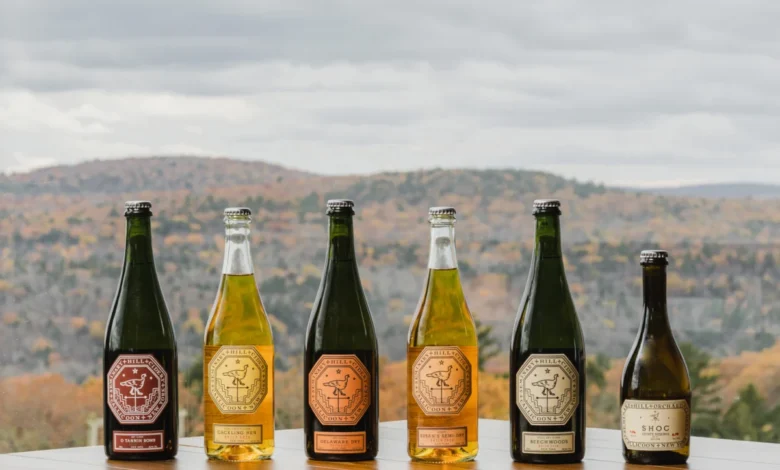
Unlike mass-produced commercial ciders that rely on single-variety fruit or artificial additives, Seminary Hill’s portfolio relies primarily on complex blends of heritage apple varieties, paired with traditional perry made from pears. Among the enterprise’s flagship offerings are "Susan’s Semi-Dry"—named affectionately in honor of Doetsch’s wife—and the "Delaware Dry." The quality of these offerings has been validated on competitive stages, most notably when the 2024 Pommeau captured top honors as the leading fortified cider at the 2026 Great Lakes International Cider and Perry Competition.
Distribution channels for Seminary Hill bridge direct-to-consumer experiences with regional wholesale markets. While a significant portion of the cider is retailed directly on-site at the cidery and via online platforms, the brand has successfully established a footprint in boutique wine shops and farm-to-table restaurants across the Hudson and Delaware valleys, as well as select establishments in New York City.
Official Responses and Community Impact
The economic and social revival sparked by Seminary Hill has injected vital energy into Callicoon and the broader Sullivan County region. What began as a preservation project has matured into a bustling hub for tourism, community gatherings, and local employment.
"That way of life, you know, living close to the land, taking care of the land, being a steward of the land, that really was disappearing," Doetsch reflects on his initial motivations. "And I thought that was a shame."
The operational success of the enterprise has exceeded initial expectations, transforming the once-quiet homestead into a vibrant gathering space. "We’ve been pretty busy," Doetsch notes. "On holiday weekends in the summer, we can have 900 to 1,000 guests visiting the cidery. It’s great to see it buzzing, full of people laughing and looking out over the view."
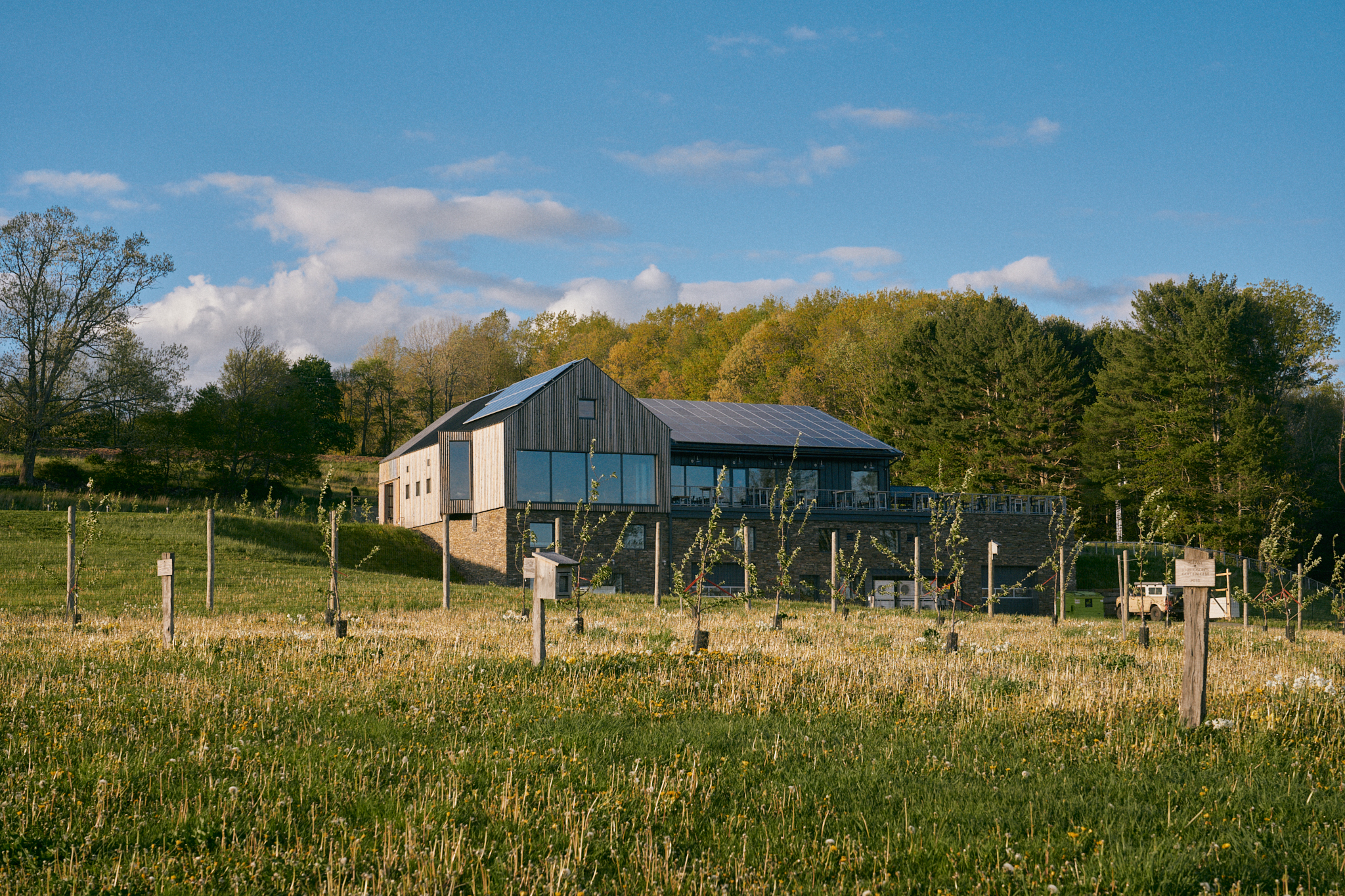
Beyond managing peak tourism traffic, Seminary Hill has integrated itself deeply into the social fabric of the community. The property’s event spaces and restaurant regularly host weddings, family reunions, and even local high school prom events. According to Doetsch, the customer base forms a reliable ecosystem of weekend travelers, regional tourists, and lifelong locals who frequent the grounds for meals and cider pairings.
Broader Impact and Future Implications
The trajectory of Seminary Hill serves as a compelling case study in rural economic revitalization driven by professional career pivots. As urban professionals seek meaningful ways to reconnect with agrarian roots, projects that blend heritage conservation with modern sustainable agriculture offer a viable blueprint for regional renewal in post-industrial or post-resort rural communities.
For Doetsch, the venture represents a deliberate bridge between his distinguished legal career at Mayer Brown and his impending retirement. While he currently balances his international finance practice in Chicago with regular bi-monthly visits to the Catskills, his long-term commitments are shifting decisively toward upstate New York. With his tenure as a firm partner concluding at the end of the year, Doetsch intends to increase his physical and operational presence at Seminary Hill, cementing his transition from corporate counselor to full-time steward of the land his ancestors worked a century ago.