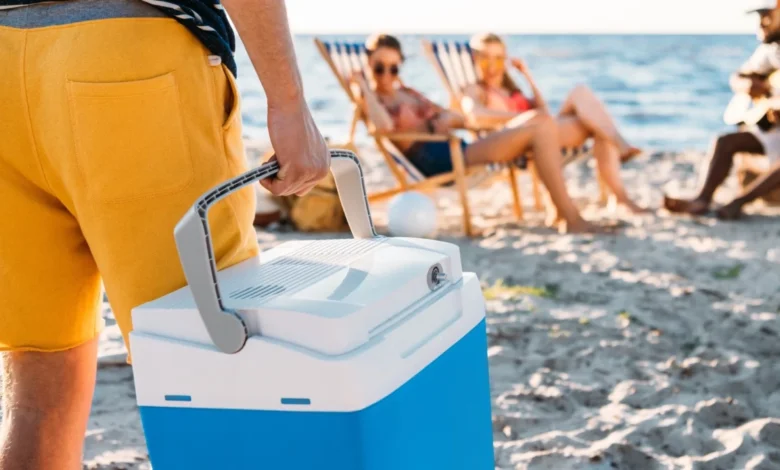
The humble cooler, a ubiquitous companion to summer adventures, plays a pivotal role in ensuring outdoor excursions remain a delightful experience. Whether embarking on a beach day, a camping trip, or a backyard barbecue, this portable refrigeration unit is relied upon to deliver chilled beverages and preserved food items. However, the common practice of simply filling a cooler with ice and provisions often falls short of maximizing its cooling potential. Emerging insights and expert advice reveal that a more strategic approach to cooler packing can significantly extend its efficacy, guaranteeing perfectly chilled refreshments throughout the duration of any outdoor activity. This deeper dive into cooler optimization moves beyond basic utility to embrace a science-backed methodology for superior thermal management.
The Foundation: Selecting the Right Cooler
The efficacy of any cooler system begins with the quality of the cooler itself. While inexpensive foam coolers offer a low-cost entry point, their insulation properties are typically limited, resulting in rapid ice melt and a shorter cooling period. For individuals seeking sustained cold, investing in a higher-quality cooler is paramount. Key considerations when selecting a cooler revolve around two primary factors: the anticipated duration of use and the logistical challenges of transport.
Hard-sided coolers, generally constructed with thicker walls and superior insulation materials, are the preferred choice for extended outings, such as multi-day camping trips or long road journeys. Their robust design provides a more formidable barrier against external heat, thus maintaining internal temperatures for longer periods. However, this enhanced insulation often comes at the cost of increased weight and bulk, which can be a significant consideration for those who need to carry their cooler considerable distances.
Conversely, soft-sided coolers present a lighter and more flexible alternative, making them ideal for situations where portability is a premium. Their pliable construction allows for easier packing into confined spaces, and they are generally more comfortable to carry to remote beach spots or challenging hiking trails. The trade-off, however, is often a reduction in insulation performance compared to their hard-sided counterparts, meaning they may not maintain ice as long under demanding conditions. The market now offers a spectrum of options, from premium rotomolded coolers renowned for their exceptional insulation capabilities, often exceeding several days, to more budget-friendly but still effective insulated bags designed for shorter excursions. The choice ultimately depends on the specific needs of the user and the nature of their outdoor pursuits.
Pre-Cooling: The Unsung Hero of Cooler Performance
One of the most significant, yet frequently overlooked, steps in achieving optimal cooler performance is the practice of pre-cooling. Many individuals, in their eagerness to depart for an outing, will pack a cooler directly from a warm environment—such as a hot garage or attic—and immediately fill it with ice. This approach is fundamentally flawed, as the ambient heat absorbed by the cooler’s walls and interior will begin to melt the ice almost instantaneously, significantly diminishing its cooling capacity from the outset.
Industry experts, including those from leading cooler manufacturers like Yeti, strongly advocate for a preparatory phase. This involves chilling the cooler thoroughly before it is loaded with food and beverages. A recommended method is to place a bag of ice or several frozen water bottles inside the empty cooler several hours, or even the night, before packing. This allows the cooler’s internal surfaces to reach a low temperature, creating a stable, cold environment from the start. Furthermore, storing the pre-chilled cooler in a cool, shaded location until it’s time for departure will prevent it from reabsorbing significant heat, further contributing to its longevity. This simple yet crucial step acts as a thermal buffer, setting the stage for extended cooling performance.
Strategic Packing: Maximizing Cold Retention
Beyond pre-cooling, the arrangement of items within the cooler plays a vital role in maintaining optimal temperatures. A layered approach, often referred to as "cooler stacking," can significantly enhance efficiency.
The Power of Frozen Items
One of the most effective strategies involves incorporating frozen items into the packing process. Water bottles, once frozen, serve a dual purpose: they act as solid blocks of ice, contributing to the overall cooling of the cooler, and as they gradually thaw, they provide a source of cold drinking water. This method is far more efficient than using loose ice, which melts and can create unnecessary moisture and displacement. Beyond water bottles, any food items that can be safely frozen beforehand—such as pre-made meals, fruit juices, or even some types of meats and vegetables—will contribute to the cooler’s thermal mass and extend its cooling duration.
Layering for Longevity
The order in which items are placed within the cooler is also critical. A common recommendation is to place frozen items at the bottom of the cooler. This creates a cold foundation upon which other items can rest. Above the frozen layer, it is advisable to pack items that are already chilled or that do not require extreme cold, such as sodas, sandwiches, or salads. For items that are highly perishable or need to remain exceptionally cold, such as raw meats or dairy products, it is beneficial to pack them in a separate, smaller cooler or to ensure they are placed directly on top of the frozen items.
Minimizing Air Pockets
Air is a poor insulator. Therefore, minimizing the amount of air space within the cooler is essential. As items are added, try to fill any voids with additional ice packs, frozen water bottles, or even towels. A tightly packed cooler will retain its cold much more effectively than one with significant empty space. When retrieving items, it is also advisable to do so quickly and efficiently, and to reseal the cooler promptly to prevent warm air from entering.
Advanced Techniques and Innovations
The pursuit of optimal cooler performance has also spurred innovation in both cooler design and accessory development.
High-Performance Coolers
The market for high-performance coolers has expanded significantly in recent years. Brands have invested heavily in research and development, leading to coolers with advanced insulation technologies, such as thick polyurethane foam injection, vacuum-insulated panels, and airtight seals. These premium coolers are engineered to maintain ice for extended periods, often exceeding a week, making them indispensable for serious outdoor enthusiasts and remote expeditions. Rotomolded construction, a process used in the manufacturing of durable kayaks and industrial containers, is now widely employed in high-end coolers, providing unparalleled strength and insulation.
Ice Packs and Dry Ice
While traditional ice remains a staple, modern alternatives offer distinct advantages. Reusable ice packs, often filled with a gel that freezes at a lower temperature than water, provide consistent cold and do not create the waterlogged mess associated with melting ice. For extreme cooling needs, dry ice offers a solution. However, dry ice requires careful handling due to its extremely low temperature (-78.5°C or -109.3°F) and the need for proper ventilation to prevent carbon dioxide buildup. When used correctly, dry ice can keep coolers frozen for extended periods, making it suitable for transporting sensitive items or for very long trips.
Cooler Accessories
A range of accessories can further enhance cooler functionality. Insulated dividers can help separate different types of food and drinks, preventing cross-contamination and maintaining specific temperature zones. Cooler drain plugs can be fitted with hoses for easier emptying of meltwater, and specialized cooler stands can elevate the cooler off the ground, reducing heat transfer from the surface. Even simple additions like reflective covers can help deflect solar radiation, further contributing to cooler efficiency on sunny days.
The Science Behind the Chill: Thermal Dynamics
Understanding the basic principles of thermal dynamics is key to mastering cooler packing. Heat transfer occurs through three primary mechanisms: conduction, convection, and radiation.
- Conduction: This is the transfer of heat through direct contact. The cooler’s walls conduct heat from the warmer exterior to the colder interior. High-quality coolers minimize conduction through superior insulation materials that trap air or create vacuum barriers.
- Convection: This involves heat transfer through the movement of fluids (liquids or gases). In a cooler, warm air can enter when the lid is opened, and meltwater can circulate, accelerating the melting of ice. Minimizing openings and keeping the cooler tightly sealed reduces convective heat transfer.
- Radiation: This is heat transfer through electromagnetic waves, such as sunlight. Direct sunlight can significantly warm a cooler’s exterior, thereby increasing the rate of heat transfer to the interior. Storing coolers in shaded areas and using reflective covers can mitigate radiant heat gain.
By strategically packing and preparing the cooler, we are essentially creating a thermal barrier that slows down these natural heat transfer processes, keeping the internal contents at a desired low temperature for as long as possible. The concept of thermal mass is also critical; the more cold mass (ice, frozen items) present in the cooler, the greater its capacity to absorb heat before its temperature rises significantly.
Broader Impact and Implications
The ability to maintain food and beverages at safe temperatures during outdoor activities has significant implications for public health, food safety, and overall enjoyment of recreational pursuits. Inadequate cooling can lead to the proliferation of harmful bacteria, increasing the risk of foodborne illnesses. Proper cooler management ensures that perishable items remain safe for consumption, reducing waste and enhancing the reliability of outdoor dining experiences.
Furthermore, the optimization of cooler performance contributes to a more sustainable approach to outdoor recreation. By extending the lifespan of ice and reducing the need for frequent replenishment, less energy is expended in manufacturing and transporting ice. The development of more efficient and durable coolers also aligns with principles of product longevity and reduced consumption.
As outdoor activities continue to grow in popularity, the demand for effective and reliable cooling solutions will undoubtedly persist. The evolution of cooler technology, coupled with a greater understanding of the principles of thermal management, empowers individuals to elevate their outdoor experiences, ensuring that refreshment and safety go hand-in-hand, no matter how far the adventure leads. Mastering the art of the chill is not merely about convenience; it’s about ensuring health, safety, and maximizing the enjoyment of the great outdoors.