New York Confronts Patchwork Mosquito Surveillance System Amid Rising Public Health Threats and Climate Change Impacts

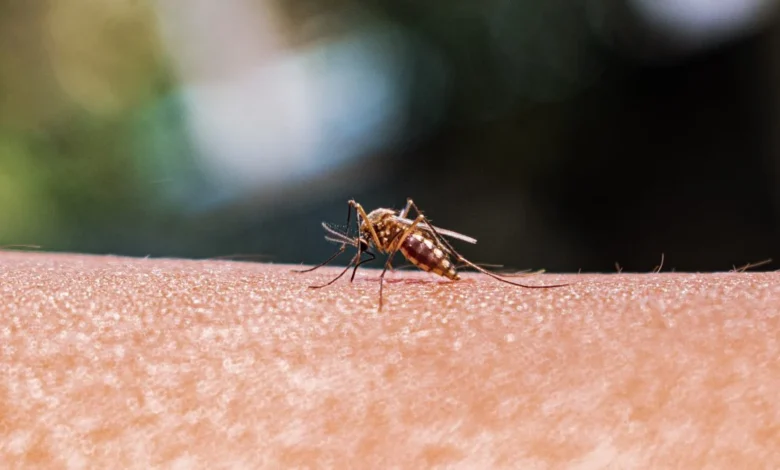
New York State is grappling with a fragmented and underfunded mosquito surveillance system, a critical vulnerability as climate change expands the range of disease-carrying insects and intensifies public health risks. A new bill introduced in the state legislature, S10393, seeks to overhaul this "sparse and disintegrated" framework, proposing a comprehensive, statewide program designed to enable proactive intervention rather than reactive crisis management. This legislative push comes at a time when monitoring programs, inherently labor-intensive and costly, are struggling to keep pace with evolving threats, from West Nile Virus to the potential arrival of more exotic arboviruses like Zika and Dengue.
The Current Landscape: A Fragmented Defense
Presently, mosquito monitoring in New York operates largely as a decentralized, county-by-county effort. While some counties boast robust surveillance capabilities, others, constrained by financial and personnel limitations, conduct only sporadic or minimal monitoring. This patchwork system, as highlighted by experts like Dr. Laura Leydet, a researcher whose lab has identified gaps, means that crucial data on mosquito populations, especially the presence of invasive species, often goes unrecorded or unshared across municipal lines. Leydet points out that the lack of inter-county communication creates "hit or miss" surveillance, allowing potentially dangerous vectors to establish themselves undetected.
The operational challenges faced by these county programs are manifold. Setting and checking traps requires dedicated teams, often involving field technicians navigating diverse terrains, from urban centers to remote rural areas. Once samples are collected, they must be transported to laboratories where highly specialized entomologists and virologists identify, sort, and test the mosquito specimens for various pathogens. This process demands not only skilled personnel but also significant investment in lab equipment and reagents. The absence of a unified system often leads to inconsistencies in methodology, data collection, and reporting standards, further hindering a cohesive statewide understanding of mosquito-borne disease risk.
The Cost of Vigilance: Financial and Logistical Hurdles
The financial burden of effective mosquito surveillance is a primary deterrent for many counties. Monitoring programs are intrinsically expensive, encompassing costs for specialized equipment, staff salaries, laboratory analysis, and logistical support. For instance, sophisticated traps are essential tools. Some traps, known as gravid traps, lure female mosquitoes with "stinky water" – an infusion of decaying organic material that mimics natural breeding sites, targeting mosquitoes ready to lay eggs. Other traps, like the widely used CDC light traps, employ dry ice to release carbon dioxide (CO2), a powerful attractant for mosquitoes hunting for mammals, as it simulates the breath of potential hosts.
However, even basic supplies can pose significant logistical hurdles. In vast rural expanses of New York, dry ice, a common necessity for CO2-emitting traps, can be surprisingly difficult to procure. Research teams have reported having to manufacture their own dry ice in the field, adding an extra layer of complexity, cost, and time to already demanding operations. This logistical strain underscores how foundational elements of surveillance can be compromised by resource scarcity and geographic isolation. When counties lack the necessary funding or infrastructure, these programs are often the first to "fade away," as Leydet observes, leaving communities vulnerable. This creates a dangerous cycle where resources are only mobilized in response to an active outbreak, a strategy that is inherently less effective and more costly than prevention.
Invasive Species and Emerging Threats
The ramifications of a fractured surveillance system are particularly acute concerning invasive mosquito species. Species like the Asian tiger mosquito (Aedes albopictus) and the yellow fever mosquito (Aedes aegypti), though not historically widespread in temperate regions, are expanding their ranges northward, driven by a warming climate. These species are highly efficient vectors for diseases such as Zika, Dengue, and Chikungunya. While New York has primarily contended with West Nile Virus (Culex species being the primary vector), the increasing presence of Aedes species introduces the very real threat of locally acquired cases of these more exotic arboviruses.
According to data from the New York State Department of Health, West Nile Virus has been a consistent concern since its introduction in 1999. In 2023, for example, New York reported numerous positive mosquito pools and several human cases, underscoring the ongoing threat. However, without comprehensive, coordinated monitoring, the subtle shifts in mosquito populations – the arrival and establishment of new invasive species, or changes in the prevalence of existing ones – can go unnoticed until a human outbreak forces attention to the problem. Leydet’s lab has demonstrated that this "patchwork system" directly contributes to invasive species "flying under the radar," allowing them to gain a foothold before public health officials can mount an effective response.
Climate Change: A Game Changer for Mosquito Ecology
The urgency for a unified surveillance program is further amplified by the undeniable impacts of climate change. Rising global temperatures are fundamentally altering the biology and ecology of mosquitoes. Warmer weather accelerates the mosquito life cycle, leading to more generations per season. It also shortens the extrinsic incubation period of viruses within mosquitoes, meaning a mosquito becomes infectious more quickly after feeding on an infected host. Furthermore, altered precipitation patterns – including more frequent heavy rainfall events and prolonged droughts followed by intense downpours – can create an abundance of new breeding habitats, from standing puddles to water-filled containers.
A 2021 study published in Nature Communications projected significant northward shifts in the geographic ranges of Aedes aegypti and Aedes albopictus across the United States, with New York increasingly falling within their potential habitat zones. This expansion of vector-suitable areas, coupled with longer warm seasons, extends the period during which mosquitoes can breed and transmit diseases. For New York, this translates into a longer "mosquito season" and an increased risk of arboviral transmission. The current decentralized surveillance system is ill-equipped to track these dynamic, climate-driven changes effectively, creating a systemic blind spot that could have severe public health consequences.
Legislative Action: A Path Towards Unification
In response to these growing challenges, Senate Bill S10393, introduced in the New York State Legislature’s 2025 session, represents a significant attempt to modernize and centralize the state’s mosquito surveillance efforts. The bill aims to establish a comprehensive statewide program, explicitly moving away from the current "sparse and disintegrated" system. While the specific details of the bill are still under review, its primary objective is to lay the groundwork for standardized protocols, improved data sharing mechanisms, and potentially, dedicated funding streams to support county-level efforts.
Proponents of the bill, including public health advocates and environmental scientists, argue that a centralized system would offer several critical advantages. It would facilitate a more accurate and real-time understanding of mosquito populations and disease prevalence across the state. This consolidated data would enable public health officials to identify emerging threats earlier, predict potential outbreaks, and allocate resources more efficiently. By standardizing trap types, collection methods, and laboratory analyses, the state could build a robust and comparable dataset, providing invaluable insights into mosquito ecology and disease epidemiology over time. The bill implicitly acknowledges that prevention, through robust surveillance, is far more effective and ultimately less costly than responding to a full-blown public health crisis.
Proactive Measures vs. Reactive Crisis Management
The distinction between proactive and reactive approaches to mosquito-borne disease control is central to the debate surrounding S10393. Proactive measures, enabled by strong surveillance, focus on preventing disease transmission before it escalates. These include public education campaigns encouraging residents to eliminate standing water sources (like clogged gutters, old tires, and unmaintained bird baths) where mosquitoes breed. Targeted application of larvicides, which kill mosquito larvae in breeding habitats, is another highly effective preventive strategy. Public warnings about using insect repellent and covering bare skin during peak mosquito activity also fall under this proactive umbrella.
In contrast, a reactive approach typically involves more drastic and widespread interventions once an outbreak has occurred. This often includes widespread adulticide spraying, using pesticides to kill adult mosquitoes over large areas. While sometimes necessary in an emergency, widespread spraying can be controversial due to environmental concerns and potential impacts on non-target species. Furthermore, it is a response to a problem already in progress, often after human cases have been identified, meaning individuals have already fallen ill. As Dr. Leydet asserts, "If we don’t have these surveillance programs, then all we’re doing is responding to a problem when it’s already a problem, and that’s never how prevention works." The economic and social costs of an outbreak, including healthcare expenditures, lost productivity, and potential impacts on tourism, far outweigh the investment in a robust preventive surveillance system. For instance, a major West Nile Virus outbreak could strain hospital resources and cause widespread public anxiety, impacts that could be mitigated by early detection and targeted prevention.
Stakeholder Perspectives and Implementation Challenges
While there is a general consensus on the importance of mosquito surveillance, implementing a comprehensive, centralized program across a large and diverse state like New York presents significant challenges. Funding remains the paramount concern. Leydet notes, "There is general interest in these programs, but when you start seeing what they cost, it’s like, ‘Maybe we’re not that interested.’" Securing sustained, adequate funding from the state legislature and ensuring equitable distribution to all counties, regardless of their current capacity, will be crucial for the bill’s success.
County health departments, while often expressing a desire for greater state support, may also have concerns about losing autonomy or being burdened with unfunded mandates. Engaging these local stakeholders, ensuring their buy-in, and providing them with the necessary resources and training will be vital for the effective implementation of any new statewide system. The bill would need to strike a delicate balance between centralization for coordination and standardization, and localized flexibility to address specific regional needs and ecological conditions.
Beyond funding, logistical challenges would include developing a uniform data management system accessible to all participants, establishing clear lines of communication and command, and fostering collaboration among diverse agencies, including state health departments, environmental conservation agencies, and academic research institutions. The success of such a program would rely heavily on effective inter-agency cooperation and consistent political will.
The Broader Implications for Public Health
The long-term implications of either passing or failing to pass comprehensive mosquito surveillance legislation are substantial for New York’s public health. A robust, unified system would significantly enhance the state’s capacity to protect its residents from existing and emerging mosquito-borne diseases. It would provide the intelligence needed to implement targeted interventions, reduce disease incidence, and potentially save lives. Furthermore, it would position New York as a leader in adapting public health strategies to the realities of climate change, safeguarding its communities against future threats.
Conversely, maintaining the status quo of a "sparse and disintegrated" system carries inherent and escalating risks. Without a coordinated effort, New York could face increased outbreaks of West Nile Virus, and become more susceptible to the introduction and spread of diseases like Zika and Dengue. The economic burden on the healthcare system, coupled with the human cost of illness and mortality, would be significant. Moreover, a reactive approach fosters a sense of vulnerability and could erode public trust in health authorities.
As New York State faces the intertwined challenges of climate change, evolving disease vectors, and resource constraints, the debate around Senate Bill S10393 highlights a critical juncture. The decision to invest in a comprehensive mosquito surveillance program is not merely about managing an insect population; it is about building resilient public health infrastructure capable of protecting communities in an increasingly complex and interconnected world. As Dr. Leydet wisely concludes, "any help is better than nothing," but the aspiration for New York must be nothing short of a truly comprehensive and proactive defense.