The Rising Heat How Escalating Wildfire Risks are Redefining the Global Hospitality and Insurance Landscape

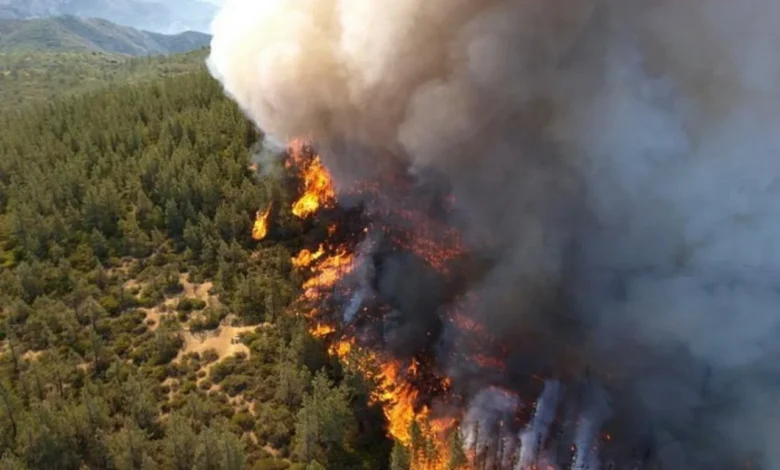
The global hospitality industry is currently navigating a transformative shift in operational risk management as wildfires, once considered seasonal anomalies in specific geographic pockets, evolve into a perennial, worldwide threat. In recent weeks, devastating blazes have torn through regions across the United States and Europe, fueled by successive heatwaves that have rendered vast landscapes tinder-dry. For hotel operators, resort developers, and the insurance conglomerates that back them, the paradigm has shifted from simply assessing where a property is located to rigorously evaluating how that property is built and maintained. This transition toward resilience-based underwriting marks a new era for the travel sector, where the ability to withstand climate-driven disasters is becoming as critical as guest amenities and service quality.
As the 2023 and 2024 fire seasons have demonstrated, no region is entirely immune. From the historic streets of Lahaina in Maui to the sun-drenched coasts of Rhodes in Greece and the forested regions of southwestern France, the destruction of physical assets is only one facet of the crisis. The industry is grappling with a multi-headed challenge: plummeting occupancy rates, surging operational costs due to supply chain disruptions, and an insurance market that is rapidly hardening, leading to skyrocketing premiums or, in some cases, the total withdrawal of coverage from high-risk zones.
A Chronology of Escalating Crisis
The current state of emergency is the culmination of several years of intensifying climate patterns. To understand the present volatility, one must look at the timeline of events that forced the hospitality sector to rethink its relationship with wildfire risk.
In the summer of 2023, the world witnessed a series of unprecedented events. In June, smoke from massive wildfires in Canada drifted south, engulfing major metropolitan hubs across the U.S. Midwest, Great Lakes, and the East Coast in a thick, orange haze. This event proved that wildfire impact is no longer localized; hotels in New York City and Chicago faced cancellations not because they were in danger of burning, but because the air quality was deemed hazardous for tourists.
By August 2023, the tragedy in Maui, Hawaii, served as a grim wake-up call. The Lahaina fire became the deadliest U.S. wildfire in over a century. The economic fallout was immediate and severe, with tourism spending on the island dropping by an estimated 61% year-on-year in the months following the disaster. This underscored the fragility of destination-based economies that rely heavily on a single ecosystem.
Moving into 2024, the trend has persisted and expanded. In July and August, Southern Europe faced its third successive major heatwave. In France, more than 10,000 tourists and residents were evacuated from campsites and resorts in the southwest as flames threatened popular summer destinations. Simultaneously, Greece and Spain have been forced to deploy thousands of firefighters to protect tourism infrastructure, while even the United Kingdom—historically a temperate climate—has begun documenting "wildfire conditions" during peak summer weeks.
The Data Behind the Smoke
The financial implications of these environmental shifts are supported by increasingly stark data. According to industry reports, the Maui wildfires alone resulted in a loss of approximately $11 million per day in visitor spending during the initial aftermath. Beyond the immediate loss of revenue, the cost of rebuilding is staggering. In California, a traditional hotspot, the hospitality sector has seen insurance premiums rise by 20% to 50% annually for properties located near "Wildland-Urban Interfaces" (WUI).
Data from global reinsurance firms like Swiss Re and Munich Re indicate that "secondary perils," which include wildfires, hailstorms, and flash floods, are now driving a significant portion of insured losses. In 2023, insured losses from natural catastrophes surpassed $100 billion for the fourth consecutive year, with wildfires contributing a growing share of that total.
For hotel operators, the "Skift Take" on this data is clear: insurers are no longer pricing risk by location alone. In the past, being located in a high-risk zip code meant a flat premium increase. Today, insurers are using high-resolution satellite imagery and AI-driven predictive modeling to examine individual properties. They are looking for "defensible space"—the buffer between a building and the surrounding vegetation—as well as the use of fire-resistant building materials like tempered glass, non-combustible roofing, and advanced ember-resistant venting systems.
The Shift in Insurance and Underwriting
The insurance industry’s pivot toward "resilience-based underwriting" is perhaps the most significant structural change facing hotel owners. In regions like California, Florida, and parts of the Mediterranean, traditional insurers are retreating. This has led to the rise of "surplus lines" and state-backed "Fair Access to Insurance Requirements" (FAIR) plans, which often provide less coverage at a much higher cost.
To secure affordable coverage, hotel groups are now being forced to "firm up" their properties. This involves significant capital expenditure (CapEx) to retrofit older structures. Key mitigation strategies being demanded by underwriters include:
- Vegetation Management: Clearing brush and trees within a 30- to 100-foot radius of guest structures to eliminate "fuel ladders" that allow fire to climb into the canopy.
- Structural Hardening: Replacing traditional wooden decks with composite materials and installing interior sprinkler systems that exceed standard building codes.
- Air Filtration Upgrades: Investing in high-efficiency particulate air (HEPA) filtration systems to protect guests from smoke infiltration, which can linger long after a fire is extinguished.
"We are seeing a move toward parametric insurance in the hospitality sector," notes one industry analyst. "This is coverage that pays out a set amount based on the intensity of an event—such as a fire reaching a certain distance from the property—rather than a lengthy adjustment process based on physical damage. It provides the liquidity hotels need to survive a sudden drop in occupancy."
Official Responses and Industry Sentiment
Governmental and industry bodies are beginning to react to the "new normal" of wildfire risk. The European Travel Commission (ETC) has noted that climate change is already altering the travel habits of Europeans, with a growing number of tourists opting for cooler northern destinations or traveling during the "shoulder seasons" of spring and autumn to avoid the peak heat and fire risk of July and August.
In the United States, the American Hotel & Lodging Association (AHLA) has been working with federal agencies like FEMA to provide better disaster-preparedness resources for members. The sentiment among many operators is one of pragmatic adaptation. "We can no longer treat wildfires as a ‘black swan’ event," said a spokesperson for a major resort group with properties in the Pacific Northwest. "It is a line item in our annual budget, both for mitigation and for the inevitable loss of business days."
In Greece, the government has introduced new "climate crisis resilience fees" for tourists, a portion of which is earmarked for disaster prevention and recovery. This move highlights a growing trend of passing the costs of climate adaptation onto the consumer, a move that could eventually impact the affordability of global travel.
Broader Impact and Long-Term Implications
The implications of the wildfire crisis extend far beyond the balance sheets of individual hotels. There is a profound impact on the labor market within the hospitality sector. Seasonal workers, who are the lifeblood of mountain resorts and coastal camps, are increasingly hesitant to sign contracts in areas prone to evacuations and hazardous air quality. This labor instability compounds the operational challenges faced by managers.
Furthermore, the "nature-based" appeal of many luxury resorts is being fundamentally challenged. Wineries in Napa Valley and lodges in National Parks are designed to immerse guests in the natural environment. However, the very trees and vistas that attract guests are the primary fuel for fires. Architects are now tasked with a difficult paradox: how to design a resort that feels connected to nature while being shielded from it by a sterile, fire-resistant buffer zone.
The long-term geography of tourism may also shift. As traditional hotspots become more volatile, investors are looking toward regions that were previously considered less desirable for summer tourism. Parts of Scandinavia, the Baltic states, and the Canadian Maritimes may see a surge in hospitality development as they offer a "climate-safe" alternative to the scorched landscapes of the South.
Conclusion: The Path Forward
The hospitality industry is at a crossroads. The recent waves of wildfires across the U.S. and Europe are not merely a series of unfortunate events but a clear signal of a changing climate reality. For operators, the message from the insurance market is unambiguous: adapt or become uninsurable.
While the costs of "hardening" properties and managing landscapes are high, the cost of inaction—measured in destroyed assets, lost revenue, and tarnished brand reputations—is far higher. As wildfires continue to grow more frequent and severe, the winners in the hospitality sector will be those who prioritize resilience as much as luxury, ensuring that their properties can stand firm even as the world around them grows increasingly volatile. The future of travel depends on a delicate balance between enjoying the beauty of the natural world and building the defenses necessary to survive its most destructive elements.