A Taste of Tradition An In-Depth Exploration of Germany Culinary Heritage and Regional Gastronomy

The culinary landscape of Germany is a sophisticated tapestry woven from centuries of agricultural tradition, regional pride, and the profound influence of successive waves of immigration. While international perceptions often reduce the national diet to a simplistic trio of beer, sauerkraut, and sausage, the reality reveals a gastronomic culture that is both rich and diverse, emphasizing high-quality, locally sourced ingredients and a deep-seated appreciation for "comfort eating." Today, Germany stands as a premier destination for food enthusiasts, boasting a vibrant infrastructure of open-air markets, historic beer gardens, seasonal wine festivals, and specialized food museums, alongside a growing number of Michelin-starred establishments.
The Foundations of German Gastronomy and Regional Identity
German cuisine is fundamentally defined by its regionality, with the northern coasts, the central plains, and the southern alpine regions each contributing distinct flavors and techniques. This diversity is not merely a matter of taste but a reflection of the country’s complex history. For instance, the northern regions have long been influenced by their proximity to the Baltic and North Seas, leading to a reliance on preserved fish and hardy grains. Conversely, the south, particularly Swabia and Bavaria, has developed a reputation for intricate dough-based dishes and rich, dairy-heavy sauces.
One of the most emblematic examples of regional history influencing a dish is the Königsberger Klopse. Named after the former East Prussian capital of Königsberg (now Kaliningrad, Russia), these meatballs represent a bridge between grandmotherly tradition and high-end culinary craft. Traditionally composed of minced veal, anchovies, onions, and eggs, the dish is defined by its creamy white sauce sharpened with capers and lemon juice. During the era of the German Democratic Republic (GDR), the dish underwent a political rebranding; officials renamed it "Kochklopse" (boiled meatballs) to eliminate any geographical reference to a territory annexed by the Soviet Union. Today, the original name has been restored, and the dish remains a staple of Berlin and Brandenburg cuisine, serving as a reminder of the shifting borders of Central Europe.
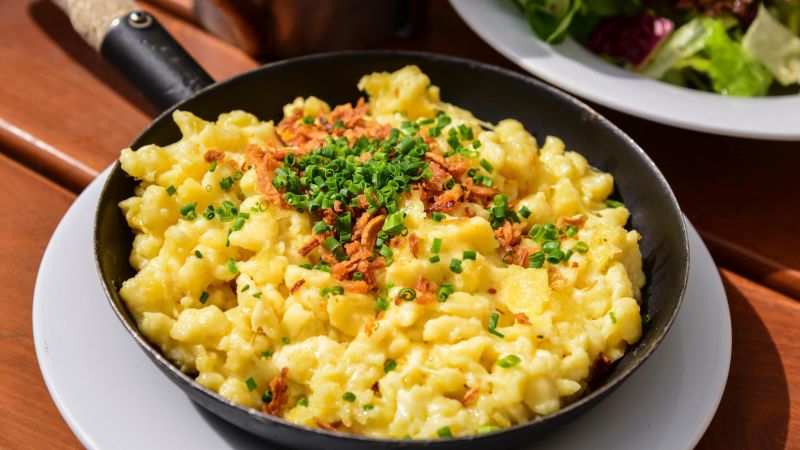
In the southwest, the state of Baden-Württemberg offers Maultaschen, a dish so culturally significant that it received protected geographical indication (PGI) status from the European Union in 2009. These large, square pockets of dough, often compared to Italian ravioli, are traditionally filled with a mixture of minced meat, breadcrumbs, onions, and spinach. Legend suggests they were invented by Cistercian monks who sought to conceal meat from the eyes of God during Lent—a history that earned them the nickname "Herrgottsbescheißerle" (Little God-cheaters). Whether simmered in a clear broth or pan-fried with butter and onions, Maultaschen are recognized by the EU as essential to the cultural heritage of the Swabian region.
Maritime Legacies and the Evolution of Preservation
Northern Germany’s culinary identity is inextricably linked to its seafaring past. Labskaus, a dish that originated in the 18th and 19th centuries, was born out of the necessity of shipboard preservation. Sailors on long voyages required sustenance that could withstand months at sea; the result was a "delectable mess" of salted beef, potatoes, onions, and pickled beetroot, all mashed into a thick, pink consistency. Often served with rollmops (pickled herring) and fried eggs, Labskaus remains a favorite in Hanseatic cities like Hamburg, Bremen, and Kiel. While modern refrigeration has rendered the preservation methods of the past obsolete, the dish has found a new life as a celebrated regional specialty and a popular remedy for hangovers.

The rollmops themselves represent another enduring maritime tradition. These pickled herring fillets, rolled around savory fillings like gherkins or green olives, have been consumed along the German coast since medieval times. The expansion of the German railway network in the 19th century allowed these preserved delicacies to be transported inland, cementing their status as a national snack. They are now a fundamental component of the "Katerfrühstück," or hangover breakfast, valued for their high salt and mineral content.
The Cultural Dominance of the Wurst and the Rise of Street Food
No analysis of German food is complete without an examination of the "Wurst" culture. Germany produces more than 1,500 varieties of sausage, with the Bratwurst (fried sausage) serving as the cornerstone of the country’s street food sector. There are more than 40 distinct varieties of Bratwurst, ranging from the marjoram-infused Fränkische Bratwurst of Franconia to the spicy Thüringer Rostbratwurst. The cultural importance of the sausage is such that the first German Bratwurst Museum opened in Thuringia in 2006, documenting the historical production methods and regional variations of the craft.
However, the most consumed sausage dish in Germany is the Currywurst, a post-war innovation that has become a national obsession. Invented in 1949 by Herta Heuwer in Berlin, the dish was created when she obtained ketchup and curry powder from British soldiers and poured the mixture over grilled sausage. This simple, filling snack resonated with a population rebuilding after World War II. Today, an estimated 800 million Currywursts are consumed annually in Germany. It remains a staple of the Rhine-Ruhr and Berlin regions, symbolizing the pragmatic, industrial spirit of mid-century Germany.

In a similar vein, the Döner Kebab illustrates the profound impact of the "Gastarbeiter" (guest worker) programs of the 1960s and 70s. Introduced by Turkish immigrants like Kadir Nurman, who began selling kebab sandwiches at West Berlin’s Zoo Station in 1972, the dish has evolved from a simple meat-and-onion snack into a complex meal featuring diverse salads and sauces. The Döner Kebab is now arguably Germany’s most popular fast food, representing the successful integration of Turkish culinary traditions into the German mainstream.
Mainstays of the German Dining Table: Schnitzel, Rouladen, and Sauerbraten
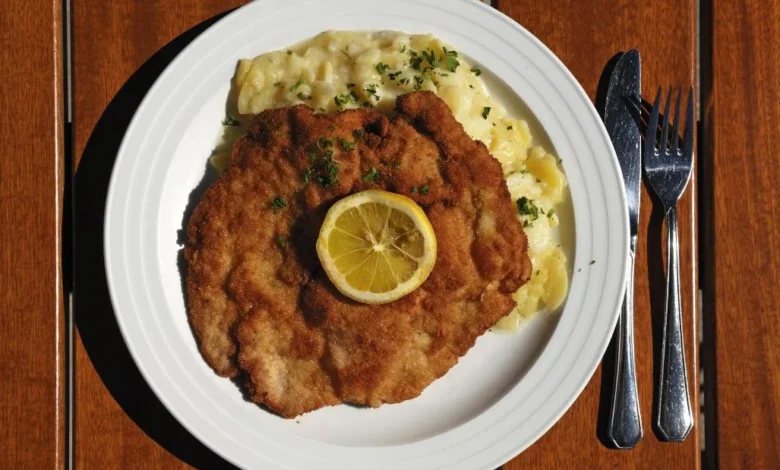
While street food offers a glimpse into daily life, traditional sit-down meals highlight the German mastery of meat preparation. The Schnitzel, though often associated with Austria or Italy, is a ubiquitous presence on German menus. Unlike the Viennese version, which must be veal, German Schnitzel is frequently prepared with tenderized pork or turkey. It is rarely served plain; instead, Germans prefer it "Jägerschnitzel" style (with mushroom sauce) or "Rahmschnitzel" style (with a creamy sauce), typically accompanied by fried potatoes and local beer or apple wine.
For family gatherings and Sunday dinners, Rouladen and Sauerbraten are the preferred choices. Rouladen consists of thinly sliced beef wrapped around bacon, onions, mustard, and pickles, braised to perfection and served with a rich red wine gravy. Sauerbraten, often cited as one of Germany’s national dishes, is a pot roast that requires days of preparation. The meat is marinated in a mixture of vinegar, wine, and spices before cooking, resulting in a unique sour-sweet flavor profile. While historically prepared with horse meat, modern versions favor beef or venison, served alongside potato dumplings and red cabbage.

Seasonal Rhythms: Spargelzeit and the Wine Harvest
The German culinary calendar is punctuated by seasonal events that border on the religious. "Spargelzeit," or asparagus season, begins in mid-April and ends abruptly on June 24 (St. John the Baptist Day). During this window, the country is consumed by a "white gold" fever. Germany consumes over 70,000 tons of white asparagus annually, with the vegetable appearing in everything from soups and salads to pancakes and Schnitzel toppings. The obsession is supported by dedicated "Spargel routes" and festivals, particularly in regions like Baden-Württemberg and Lower Saxony.
Autumn brings a different focus: the wine harvest. In the southern wine-growing regions, particularly along the Mosel River, October is defined by "Federweisser und Zwiebelkuchen." Federweisser is a partially fermented young white wine with a high sugar content and a cloudy appearance. Because it ferments so rapidly, it cannot be transported in airtight bottles and must be consumed locally. It is traditionally paired with Zwiebelkuchen, a savory onion tart topped with bacon and caraway seeds, creating a perfect balance of sweet and salty flavors that marks the transition into winter.
Confections and the Legacy of Immigrant Innovation
The German meal often concludes with a ritual known as "Kaffee und Kuchen" (coffee and cake). The Schwarzwälder Kirschtorte (Black Forest Gateau) is perhaps the most famous export of this tradition. Named after the cherry schnapps (Kirschwasser) of the Black Forest region rather than the forest itself, the cake consists of layers of chocolate sponge, whipped cream, and tart cherries. Its international popularity exploded after World War II, making it a symbol of German indulgence.

Equally significant is the German Käsekuchen (cheesecake). Unlike the American version which uses cream cheese, the German variant relies on "Quark," a low-fat, curd-like dairy product. This results in a lighter, fluffier texture, often enhanced with lemon and vanilla. Regional variations exist across the country, from the base-heavy versions of the west to the crustless versions of the east.
Finally, the Spaghettieis represents a unique fusion of Italian immigrant creativity and German whimsy. Invented in 1969 by Dario Fontanella in Mannheim, the dish uses a potato ricer to press vanilla ice cream into noodle-like strands, which are then topped with strawberry sauce (representing tomato sauce) and white chocolate shavings (representing Parmesan). Despite its unusual appearance, Spaghettieis has become a staple of German ice cream parlors, illustrating how immigrant contributions continue to reshape and enrich the nation’s culinary identity.
In conclusion, German cuisine is a dynamic and evolving field that reflects the nation’s history, its geography, and its people. From the medieval preservation of herring to the post-war invention of the Currywurst and the modern integration of the Döner Kebab, the food of Germany is a testament to the country’s ability to honor tradition while embracing change. As diners explore the markets, festivals, and restaurants of Germany, they find a culture that views food not just as sustenance, but as a vital expression of regional identity and community heritage.