Beyond the Wurst: A Comprehensive Exploration of Germany’s Evolving Culinary Heritage

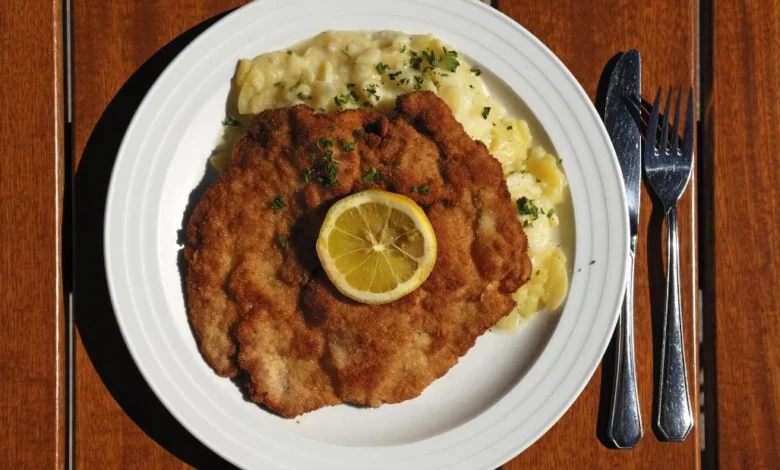
German cuisine is frequently misunderstood by international audiences as a monolithic collection of beer, sauerkraut, and sausages. While these staples are indeed deeply ingrained in the nation’s identity, the reality of German gastronomy is a complex tapestry woven from centuries of agricultural tradition, regional pride, and the profound influence of immigrant communities. To understand German food is to understand a culture that balances high-quality, locally sourced comfort food with an increasingly sophisticated and cosmopolitan culinary landscape. Today, the nation boasts a vibrant ecosystem of food markets, historic beer gardens, regional wine festivals, and a rapidly expanding fine-dining sector that challenges global perceptions of Teutonic fare.
The Historical and Cultural Foundations of German Diet
The evolution of German cuisine is fundamentally tied to the country’s geography and history. Central European agriculture has dictated the dominance of hearty ingredients: potatoes, cabbage, rye, pork, and beef. Historically, the harsh winters necessitated preservation techniques—pickling, curing, and fermenting—which have defined the flavor profile of the nation’s most traditional dishes.
However, this internal evolution was accelerated by external factors. The 20th century saw waves of migration that fundamentally altered the German palate. The arrival of Turkish guest workers in the 1960s and 70s introduced the Döner kebab, which has since become a cornerstone of German street food culture, illustrating the nation’s capacity to integrate foreign flavors into its own culinary lexicon. Similarly, regional specialities like Königsberger Klopse—meatballs in a creamy caper sauce—serve as a testament to the shifting borders of Europe, having originated in the former East Prussian capital of Königsberg.
The Sausage Industry: A National Economic and Cultural Pillar
Sausage, or Wurst, is more than a menu item; it is an industrial sector of immense economic significance. Germany produces over 1,500 varieties of sausage, ranging from the delicate Weißwurst of Bavaria to the spicy Thüringer Rostbratwurst. The bratwurst industry alone contributes significantly to the German agricultural economy, with the Thuringian region even establishing the first German Bratwurst Museum in 2006 to preserve this cultural heritage.
Street food culture remains the most accessible entry point for visitors. Currywurst, a post-war invention attributed to Herta Heuwer in 1949, serves as a prime example of culinary ingenuity born of necessity. By combining available ketchup and curry powder from British soldiers with grilled sausage, Heuwer created a dish that now sees an estimated 800 million servings consumed annually across Germany. This statistic underscores the enduring popularity of accessible, high-calorie street fare in the modern German diet.

Regional Specialties and Culinary Heritage
German cuisine is highly localized, with distinct traditions defining the northern, southern, and western states. In the south, specifically Swabia and Bavaria, Maultaschen—large, square pasta pockets filled with meat and spinach—are considered a cultural institution. So significant is this dish that in 2009, the European Union granted Maultaschen protected regional status, recognizing it as a key element of the cultural heritage of Baden-Württemberg.
Conversely, northern Germany’s culinary identity is anchored in its maritime history. Labskaus, a mash of salted beef, potatoes, and beetroot, was developed as a way to utilize ship provisions during the 18th and 19th centuries. While its aesthetic appearance often surprises first-time diners, it remains a celebrated link to the seafaring past of ports like Hamburg, Kiel, and Bremen.
The Seasonal Nature of German Gastronomy
German food consumption is famously cyclical, dictated by the seasons and agricultural harvests. Perhaps the most striking example of this is "Spargelzeit," or the asparagus season. Beginning in mid-April and concluding abruptly on June 24th, St. John the Baptist Day, the nation enters a state of collective fixation on white asparagus, or "white gold." Data suggests that Germans consume over 70,000 tons of white asparagus annually during this short window. The scale of this consumption is not merely a matter of supply and demand; it is a cultural ritual that spans from roadside stalls to Michelin-starred restaurants.

Similarly, the autumn months bring the emergence of "Federweisser" and "Zwiebelkuchen." Federweisser, a partially fermented young wine, is a fleeting seasonal product due to its active yeast content and limited shelf life. Its consumption alongside freshly baked onion tart in the Mosel valley illustrates the German preference for hyper-local, farm-to-table dining experiences that predate the modern sustainability movement.
The Impact of Migration on Modern German Palate
The integration of immigrant culinary traditions has created a modern food scene where a traditional Sunday roast, such as Rinderrouladen (beef rolls stuffed with bacon and pickles), sits comfortably on a menu alongside contemporary, internationally inspired dishes. The Döner kebab, introduced by Kadir Nurman at Berlin’s Zoo Station in 1972, has transitioned from a niche ethnic offering to a ubiquitous national staple. Today, the sector has evolved to include sophisticated vegetarian and vegan iterations, reflecting broader societal shifts toward plant-based diets.
This openness to influence is also visible in desserts. Spaghettieis, an ice cream dish designed to mimic a plate of pasta with strawberry "tomato" sauce, was invented in 1969 by Dario Fontanella, the son of an Italian immigrant. The dish was so successful that it became a national favorite, eventually earning Fontanella a municipal honor from the city of Mannheim for his contribution to German culture.

Institutional Support and Culinary Standards
Baking in Germany is treated with a level of scientific and institutional rigor rare elsewhere in the world. The country is home to the "Institute for Bread," which monitors and categorizes the thousands of bread varieties produced across the nation. This obsession with quality and variety—from dense, dark Pumpernickel to light, airy rolls—ensures that bread remains the backbone of the German diet.
Furthermore, traditional dishes such as Sauerbraten, a slow-cooked pot roast marinated for several days, represent the "Slow Food" philosophy before the term existed. The preparation of these meals is a labor-intensive process often reserved for Sunday family gatherings or high-status social events, highlighting the importance of the communal dining experience in German society.
Broader Implications and Future Outlook
The German food sector is currently at a crossroads, balancing the preservation of traditional methods with the demands of a globalized, health-conscious, and environmentally aware consumer base. The rise of "Modern German" cuisine—which emphasizes locally sourced organic ingredients, reduced meat consumption, and sustainable production—is challenging the stereotype of the heavy, meat-centric German diet.

Industry analysts note that while traditional beer halls and meat-heavy establishments continue to thrive, they are increasingly supplemented by a growing number of establishments focusing on regional biodiversity and seasonal produce. The resilience of German cuisine lies in its ability to adapt. From the post-war invention of Currywurst to the modern elevation of the humble Spargel, the nation’s culinary landscape is a reflection of its historical trajectory: industrious, adaptable, and deeply respectful of regional provenance.
As Germany continues to navigate its role as a central European power, its food culture serves as a soft-power tool. Festivals, local markets, and the continued protection of regional specialties ensure that German culinary heritage is not merely a relic of the past, but an active, evolving component of the European gastronomic identity. For the traveler or the casual observer, the lesson is clear: to look past the superficial tropes is to find a culinary tradition that is as diverse, rigorous, and rewarding as the country itself.