From Fiery Cargoes to Chemical Controversies: The Hidden History and Global Ripple Effects of Ethoxyquin in the Seafood Supply Chain

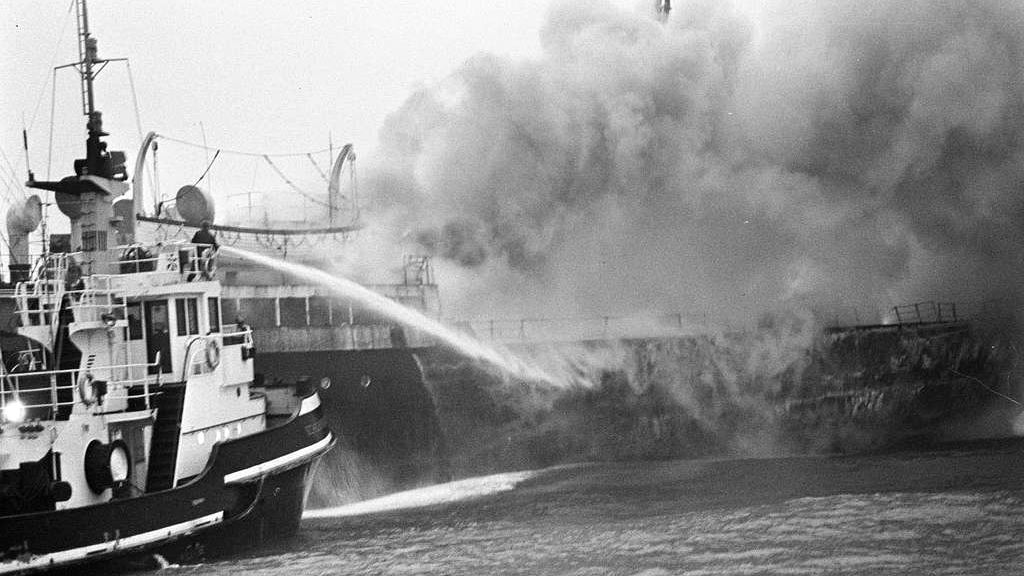
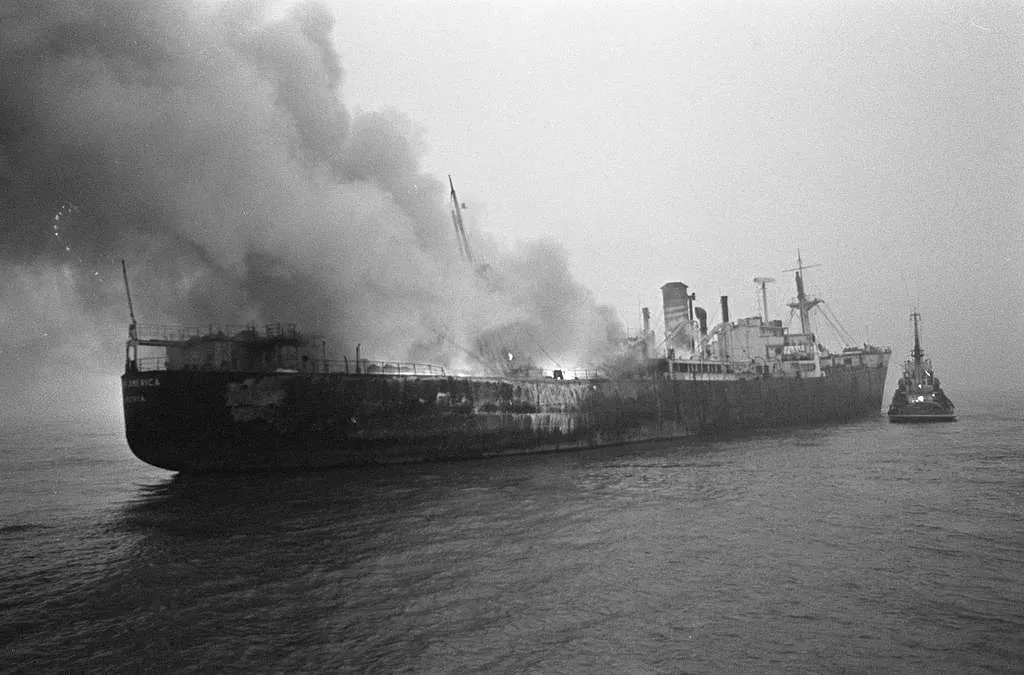
In the winter of 1966, the maritime shipping industry faced a volatile and seemingly phantom menace. Within a span of less than three months, three separate cargo vessels—originating from South Africa, Liberia, and Denmark—became engulfed in catastrophic, stubborn fires at sea and in port. The flames injured firefighters, claimed the life of a dockworker, caused millions of dollars in structural damage, and, in one instance, sent a steamship straight to the bottom of the ocean. The culprit behind these disasters was not a hostile attack, an engine failure, or a volatile stash of petrol alone, but an unexpected and deceptively mundane substance: fishmeal.
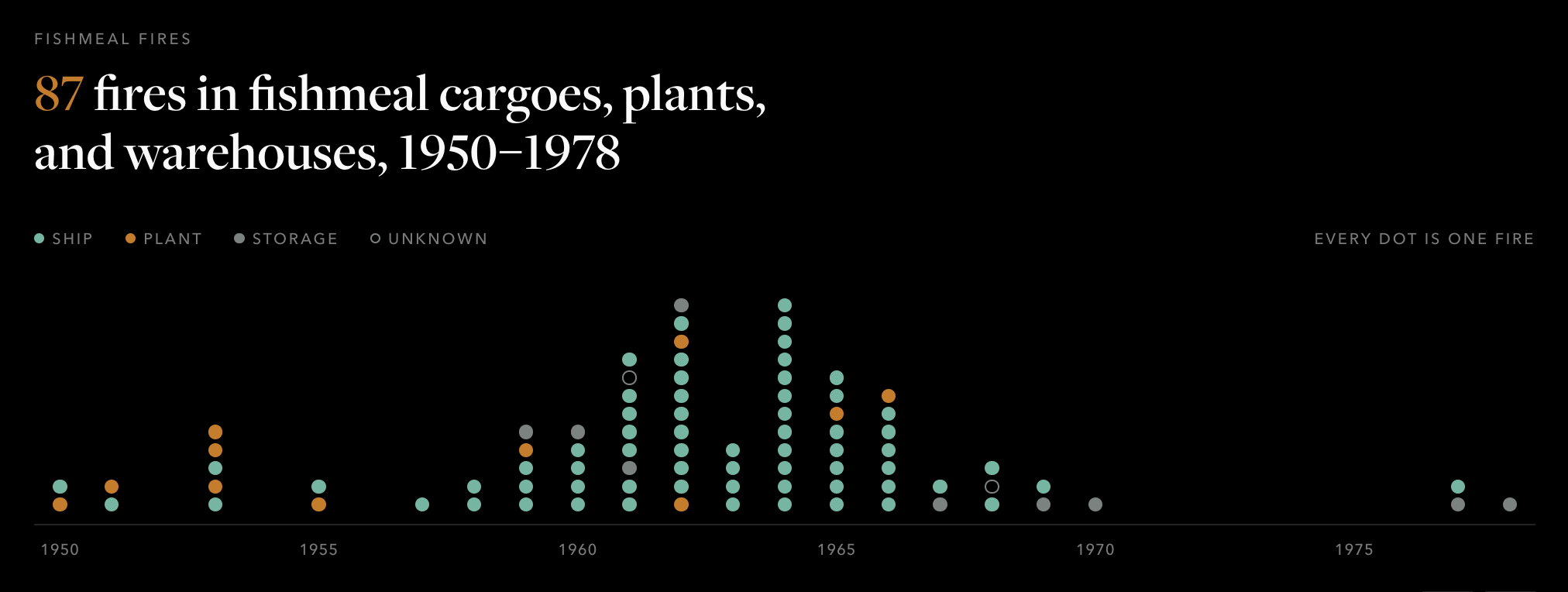
As historical investigations by investigative organizations like The Outlaw Ocean Project have revealed, untreated fishmeal—a powdery, dark-yellow agricultural commodity produced by drying and pulverizing surplus or industrial fish catch—was prone to a terrifying chemical phenomenon known as spontaneous combustion. As the organic material decayed and oxidized during long oceanic transits, it generated intense internal heat, frequently igniting cargo holds and warehouses. From the 1950s through the 1970s, this combustible powder was directly linked to at least 90 major fires aboard ships and at processing facilities, posing a persistent, high-stakes threat to mariners, insurers, and port operators worldwide.
The maritime and agricultural sectors urgently required a stabilizing solution. In 1967, American feed and agricultural giant Cargill stepped forward with an industrial intervention that would change the trajectory of global aquaculture: ethoxyquin.
The Rise of Ethoxyquin: A Chemical Fix for Maritime Safety
Initially developed as a chemical preservative and fire retardant to prevent rubber tires from drying out—and subsequently utilized to protect delicate agricultural commodities like fruit and alfalfa crops—ethoxyquin proved remarkably effective when introduced to fishmeal. Acting as a powerful antioxidant, the synthetic chemical halted the oxidation processes that drove spontaneous combustion.
The industry’s reception was immediate and overwhelmingly positive. In 1966, prior to widespread regulatory mandates, a senior official within the Canadian Department of Fisheries championed the compound in an industry publication, asserting that antioxidant treatment made bulk handling seamless and should become a compulsory requirement for all fishmeal shipments.
The empirical results quickly validated this optimism. According to data compiled by the Liverpool Underwriters Association, press-reported cargo and plant fires plummeted during the 1970s, dropping from a historical average of roughly 16 ship fires per year down to just five. Recognizing the profound safety benefits for international shipping lanes, the United States Coast Guard instituted mandatory ethoxyquin treatment protocols for fishmeal shipments in 1976. Just three years later, the International Maritime Organization—the specialized agency of the United Nations overseeing global shipping safety—formally recommended that all fishmeal cargoes be treated with ethoxyquin explicitly to prevent spontaneous combustion at sea.
Yet, even as maritime insurance claims dropped and cargo ships sailed with newfound security, early warning signs regarding the chemical’s toxicological profile were already being quietly documented.
Early Scientific Warnings and Regulatory Divergence
As early as 1969, specialized bodies under the United Nations Food and Agriculture Organization published reports noting that toxicological effects had been systematically observed in laboratory animals fed high concentrations of ethoxyquin. Despite these red flags, the global appetite for high-density animal feed and expanding aquaculture operations fueled a massive surge in production and utilization.
Throughout the subsequent decades, toxicological scrutiny intensified. A pivotal 1987 study conducted by British researchers concluded that ethoxyquin caused severe physiological damage and exhibited potentially carcinogenic properties in laboratory rats. Decades later, in 2015, the European Food Safety Authority released a comprehensive safety assessment focusing on impurities within the chemical—specifically a derivative known as p-phenetidine—and determined it was capable of inducing genetic mutations.

These findings triggered a profound regulatory fracture across the globe. While international bodies and national regulators had long prioritized the immediate physical safety of cargo vessels over long-term chronic toxicity, European authorities shifted their calculus toward consumer protection and environmental health. In 2017, the European Commission took the definitive step of suspending all authorizations for ethoxyquin in animal feed throughout the European Union.
Today, the regulatory map is sharply divided. Ethoxyquin remains entirely banned across the United Kingdom and all member states of the European Economic Area, including Norway, Iceland, and Liechtenstein. Conversely, the chemical—subject to strict maximum residue limits—remains legally permitted as an animal feed additive in major agricultural and aquaculture economies such as the United States, Japan, South Korea, and Australia.
Aquaculture Expansion and the Global Food Supply Chain
This regulatory patchwork creates complex compliance challenges for a modern food economy heavily reliant on farmed seafood. With more than half of all seafood consumed worldwide now originating from aquaculture operations, and with the vast majority of farmed carnivorous species—such as salmon, trout, and tilapia—dependent on diets rich in fishmeal and fish oil, the chemical composition of feed has transformed from an isolated industrial concern into a mainstream public health and environmental issue.
Although the United States federal government has not enacted a ban on ethoxyquin in animal feed, the chemical has increasingly become a lightning rod for civil litigation, primarily centering on consumer protection laws, environmental stewardship, and allegations of deceptive marketing. Over the past decade, a wave of class-action lawsuits has targeted major supermarket chains and seafood distributors over how their products are presented to the public.
In 2022, a class-action lawsuit filed against retail giant Aldi Inc. in a New York federal court alleged that the company’s Atlantic salmon products were deceptively marketed as "sustainable" despite utilizing feed treated with ethoxyquin—a substance the complaint characterized as environmentally destructive and hazardous to aquatic life. Citing the European Union’s precautionary ban and scientific literature linking the chemical to elevated mortality rates and developmental deformations in aquatic crustaceans and fish species, the plaintiffs argued that the labeling misled conscientious consumers. A similar legal challenge was launched the same year against Gorton’s Inc., targeting the marketing of its frozen tilapia products. Both high-profile lawsuits were ultimately resolved through out-of-court settlements, reflecting the mounting legal and reputational risks facing corporations caught in the regulatory crossfire.
Oversight Gaps and Supply Chain Verification
Questions surrounding regulatory enforcement have further complicated public trust in the global seafood supply chain. In Canada, federal oversight agencies require feed manufacturers to declare that products containing ethoxyquin adhere to established legal thresholds. However, recent audits have revealed systemic vulnerabilities in government verification protocols.
According to inspection data from the Canadian Food Inspection Agency, while labeling rules are enforced on paper, routine analytical testing for ethoxyquin residues in imported and domestic feed stocks remains inconsistent. Furthermore, the agency does not systematically test finished aquaculture products to determine whether trace amounts of the chemical ultimately migrate from feed into the edible flesh of farmed fish purchased by consumers.
An exhaustive 2024 audit of Canadian food safety systems conducted by European Union inspectors delivered an even sharper critique, finding that the regulatory agency had completed only about 40 percent of its planned supervisory inspections, pointing to "systematic and significant under-delivery" in testing programs for seafood commodities.
Industry Adaptation and the Search for Alternatives
Faced with mounting regulatory exclusions in lucrative Western markets and shifting consumer preferences, major global agribusiness and aquaculture players have actively pivoted away from ethoxyquin.
In public statements, multinational agricultural leader Cargill clarified that it began evaluating alternative antioxidants as early as 2005. The company confirmed it no longer utilizes ethoxyquin within its global salmon feed portfolio or in any regional market where the additive lacks formal regulatory authorization. Industry-wide, producers are increasingly transitioning toward natural alternatives, such as vitamin E compounds and rosemary extracts, to stabilize fishmeal without synthetic intervention.
This transition is vividly mirrored in key exporting nations. During a 2022 industry webinar, James Frank, managing director of the Peruvian fishmeal producer MSICeres, noted that shifting market realities were driving rapid industrial transformation at the source. "More and more destinations are not accepting ethoxyquin, starting with our local Peruvian market," Frank explained, highlighting that 100 percent of Peru’s substantial fishmeal exports directed toward Europe, Canada, the United States, and Australia are now entirely ethoxyquin-free.
The Perilous Loop of Chemical Additives
Despite these shifts, the replacement of ethoxyquin has created a secondary chemical dilemma for the feed industry. The most common commercial substitute adopted by producers seeking an affordable yet potent antioxidant is butylated hydroxyanisole, commonly known as BHA.
While BHA successfully prevents the oxidative decay and spontaneous combustion that plagued mid-century cargo ships, it carries its own substantial toxicological baggage. As early as 1991, the U.S. National Toxicology Program formally classified BHA as "reasonably anticipated to be a human carcinogen," a categorization reinforced by independent international research, including a 2008 Japanese study linking the preservative to malignant tumor development in laboratory rodents. Reflecting these persistent health concerns, the U.S. Food and Drug Administration launched a comprehensive formal reassessment of BHA’s safety profile as a common food additive.
As global populations expand and the demand for protein accelerates, the aquaculture sector will inevitably continue its rapid growth. Whether the industry ultimately engineers a permanent departure from carnivorous fish farming, revolutionizes feed formulations, or discovers entirely benign preservation technologies remains to be seen. For now, however, the global seafood supply chain remains locked in a perilous historical loop—forced to pivot continually from deadly shipboard fires to carcinogenic fire retardants, and onward to substitute chemicals whose own long-term safety profiles remain deeply uncertain.