Healthcare Costs Take Center Stage as Rising Expenses and Upfront Payments Fuel Voter Frustration Ahead of Midterms

As the United States inches closer to the high-stakes midterm elections, an old and familiar anxiety is once again dominating kitchen-table conversations across the country: the relentless and seemingly unstoppable climb of healthcare expenses. With medical prices projected to maintain their upward trajectory into the coming year, candidates from across the political spectrum are scrambling to formulate comprehensive platforms aimed at addressing what has rapidly become one of the most pressing domestic policy issues of the cycle.
The political calculus surrounding healthcare affordability was brought into sharp focus recently when Julie Rovner, chief Washington correspondent for KFF Health News and host of the widely followed podcast What the Health?, appeared on WAMU’s Health Hub. Speaking on September 16, Rovner offered a sobering analysis of how escalating medical costs are directly shaping voter sentiment and threatening to become a decisive battleground issue at the ballot box. Drawing parallels to past political cycles, Rovner noted that the current climate of mounting financial pressure bears a striking resemblance to the early 2000s—an era marked by similar spikes in consumer medical costs that ultimately catalyzed the fierce legislative debates leading to the passage of the landmark Affordable Care Act (ACA).
The Financial Squeeze on American Households
To understand why healthcare is once again dominating political discourse, one must examine the fundamental shift in how Americans experience financial liability when interacting with the modern medical system. For millions of insured individuals, the primary point of friction is no longer confined to the monthly cost of maintaining coverage. Instead, the burden has shifted dramatically toward out-of-pocket liabilities.
As Rovner pointed out during her broadcast appearance, consumers are feeling the pinch across multiple vectors of their healthcare consumption. "We’re seeing people have to pay more in their — not just premiums — but their deductibles, how much they pay before their insurance kicks in, and how much they pay when they go to the doctor," Rovner explained.
This multi-tiered financial squeeze means that even individuals who diligently maintain employer-sponsored or marketplace health insurance find themselves exposed to substantial risk. High-deductible health plans (HDHPs), which require patients to pay thousands of dollars out of pocket before insurance benefits begin to cover non-preventive care, have become the corporate standard. Consequently, routine medical visits, diagnostic tests, and minor procedures often translate into significant, unexpected bills for working-class and middle-class families alike.
The Evolution of Payment Practices at the Doctor’s Office
Compounding these structural financial burdens is a noticeable shift in administrative practices at medical facilities across the nation. In recent years, healthcare providers—facing their own rising operational costs, labor shortages, and reimbursement pressures from insurance companies—have fundamentally altered how and when they collect payment from patients.
Gone are the days when a patient could visit a physician, receive treatment, and wait weeks for an itemized bill to arrive in the mail, followed by a manageable payment schedule. Today, the administrative workflow is increasingly front-loaded.
"In recent years, it’s not uncommon for healthcare providers to ask for payment upfront," Rovner observed, highlighting a practice that has normalized financial anxiety at the very moment patients are seeking vulnerability and healing. "Now you get there, and they say, ‘Can we have your credit card?’ before you even get to go in and get your care."
This practice of securing payment guarantees prior to treatment has transformed the patient experience. For individuals living paycheck to paycheck, being asked to hand over a credit card or authorize an immediate point-of-service charge—often based on estimated or unverified insurance adjustments—can create an immediate barrier to accessing necessary care. Medical debt collectors and hospital billing departments have increasingly synchronized their software systems to capture these funds instantly, shifting the financial risk entirely onto the consumer before a stethoscope ever touches a patient’s chest.
Historical Context: The Long Shadow of the Early 2000s
To fully grasp the political volatility of the current healthcare landscape, it is instructive to look backward. The intersection of skyrocketing medical costs and electoral politics is a well-documented phenomenon in modern American history.
During the early 2000s, double-digit percentage increases in health insurance premiums, combined with a stagnant economy, created a palpable sense of economic insecurity. Voters routinely cited healthcare affordability as a top-tier concern, forcing federal lawmakers to acknowledge that the existing employer-sponsored system was fraying at the edges. That sustained public pressure eventually culminated in the legislative battles of 2009 and 2010, resulting in the enactment of the Affordable Care Act.
While the ACA successfully extended health insurance coverage to tens of millions of previously uninsured Americans and instituted crucial consumer protections—such as prohibiting insurance companies from denying coverage for pre-existing conditions—it did not fundamentally alter the underlying cost drivers of the American healthcare delivery system. Pharmaceuticals, hospital administration, specialized medical technology, and consolidation within the healthcare provider market have continued to push prices upward.
Now, more than a decade after the ACA’s implementation, the political system is experiencing a cyclical return to form. As costs continue to outpace wage growth, the electorate is once again demanding legislative solutions to a system that many perceive as fundamentally broken.
Comparative Data and Macroeconomic Realities
The anecdotal frustrations voiced by patients are thoroughly supported by broader macroeconomic data regarding the trajectory of American healthcare spending. According to projections from the Centers for Medicare & Medicaid Services (CMS), national health expenditures have continued to rise at a rate that consistently outpaces general inflation.
Insurance premiums, particularly in the individual marketplace and employer-sponsored group markets, have seen steady incremental bumps. Simultaneously, average annual deductibles for single coverage have climbed significantly over the past decade, placing a heavier burden on employees. According to annual employer health benefits surveys, a substantial percentage of workers are now enrolled in high-deductible plans, often paired with Health Savings Accounts (HSAs) that shift the responsibility of wealth management for health crises directly onto the individual.
Furthermore, out-of-pocket spending on prescription drugs and specialized outpatient services continues to consume a larger share of household budgets. When these financial realities collide with broader economic pressures—such as housing inflation and fluctuating grocery prices—healthcare costs emerge as the proverbial straw that breaks the camel’s back for many voters.
Political Strategies and Campaign Rhetoric
As candidates hit the campaign trail for the upcoming midterms, these economic indicators serve as the blueprint for their policy proposals and stump speeches. Both major political parties recognize that ignoring consumer anxiety over medical bills is a perilous electoral strategy, though their prescribed remedies differ sharply.
Democratic candidates generally lean into proposals designed to strengthen existing regulatory frameworks, lower prescription drug costs through direct government negotiation, expand subsidies for ACA marketplace plans, and crack down on what they term "junk insurance" and predatory billing practices. Proponents of these strategies argue that government intervention is necessary to curb corporate greed within the pharmaceutical and insurance industries and to protect consumers from surprise medical bills.
Conversely, Republican candidates typically advocate for market-based reforms to increase competition and transparency. Their platforms frequently emphasize expanding the use of Health Savings Accounts, promoting association health plans, encouraging interstate health insurance sales, and implementing price transparency mandates that require hospitals and insurers to publicly post their negotiated rates. Conservatives argue that infusing genuine consumer choice and free-market principles into the healthcare sector is the most effective way to drive down costs without expanding federal bureaucracy.
Despite these ideological divides, both sides find common ground in recognizing that voters are acutely aware of how much they are paying for care—and they are holding elected officials accountable.
Implications for the Midterm Elections
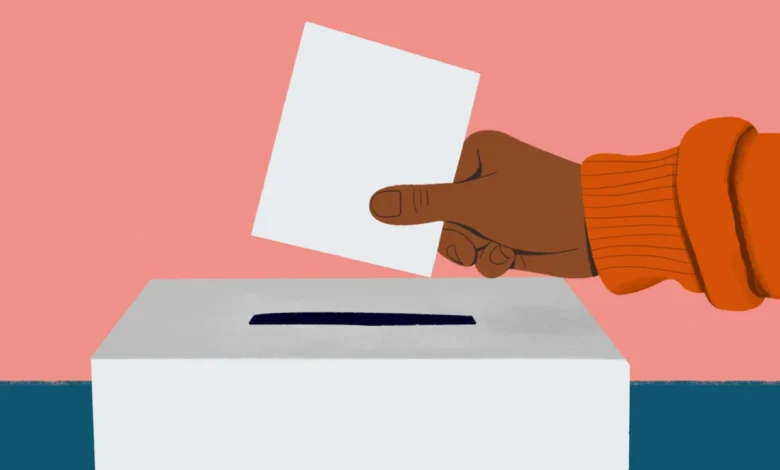
The downstream effects of this persistent healthcare cost crisis on the midterm elections cannot be overstated. Historically, midterm elections function as a referendum on the party in power, with economic issues serving as the primary lens through which voters evaluate governance.
When voters are forced to hand over their credit cards before seeing a physician, or when they watch their deductibles reset annually to levels that render their insurance effectively useless until thousands of dollars are spent, that frustration translates directly into political mobilization. Analysts note that healthcare consistently ranks alongside inflation and reproductive rights as a top-tier motivating issue for likely voters.
Candidates who can effectively articulate a credible, easily understandable plan to address out-of-pocket costs and administrative friction stand to gain a distinct advantage. Conversely, candidates who rely on vague talking points or ignore the day-to-day financial indignities experienced by patients risk alienating a weary and skeptical electorate.
Conclusion: A Decisive Moment for Policy and Patients
As the midterm elections draw closer, the debate over healthcare costs serves as a stark reminder of the fragile balance between medical innovation and financial accessibility in the United States. The systemic pressures driving up premiums, widening deductibles, and normalizing upfront payment demands are not ephemeral trends; they are deeply ingrained structural challenges that have vexed policymakers for decades.
Whether the current wave of voter discontent will translate into meaningful legislative reform remains to be seen. However, as Julie Rovner and other health policy experts have emphasized, the financial squeeze on American patients is a political powder keg. Until structural solutions are found to address the root causes of medical inflation, healthcare will remain a central, contentious pillar of American political life—shaping elections, defining legislative battles, and dictating the daily realities of millions of citizens seeking care.