
Deaths Cold Storms Ice Snow Freeze
Title: Death’s Cold Grip: Understanding the Fatalities and Dangers of Severe Winter Storms, Ice, Snow, and Freezing Temperatures
The chilling embrace of winter, while often associated with cozy fires and festive cheer, harbors a dark undercurrent of lethal potential. Severe winter storms, characterized by blizzards, ice accumulation, heavy snowfall, and prolonged freezing temperatures, represent a significant threat to human life and well-being. These events, often occurring with little warning, can transform familiar landscapes into treacherous terrains, overwhelming infrastructure, and creating hazardous conditions that directly lead to fatalities. Understanding the multifaceted dangers associated with these cold-weather phenomena is crucial for preparedness, mitigation, and ultimately, the preservation of life. The impact of extreme cold extends beyond direct exposure, encompassing a cascade of secondary dangers that amplify mortality rates.
Direct hypothermia and frostbite are the most immediate and obvious lethal consequences of exposure to freezing temperatures. Hypothermia occurs when the body loses heat faster than it can produce it, leading to a dangerous drop in core body temperature. As body temperature falls, vital organs begin to shut down. Early symptoms include shivering, confusion, drowsiness, and loss of coordination. As hypothermia progresses, shivering may stop, a sign of severe deterioration, and individuals can become unconscious, leading to respiratory arrest and death. Frostbite, on the other hand, is the freezing of body tissue. It most commonly affects extremities like fingers, toes, ears, and the nose. In severe cases, frostbite can cause permanent tissue damage, leading to amputation, and if left untreated, can progress to gangrene and systemic infection, ultimately proving fatal. The elderly and very young are particularly vulnerable to hypothermia and frostbite due to their bodies’ reduced ability to regulate temperature. Individuals with pre-existing medical conditions, such as cardiovascular disease or diabetes, are also at increased risk, as their bodies may be less able to cope with the physiological stress imposed by extreme cold. Homeless individuals and those without adequate shelter are disproportionately affected by these direct threats.
Beyond direct exposure, winter storms unleash a torrent of indirect dangers that contribute significantly to mortality statistics. The disruption of essential services, particularly power outages, presents a critical threat. Without electricity, homes lose their heating source, pushing individuals exposed to freezing temperatures towards hypothermia. Furthermore, lack of power can disable critical medical equipment, such as oxygen concentrators or dialysis machines, endangering those who rely on them for survival. Communication networks can also be compromised, hindering emergency services from reaching those in need and preventing individuals from calling for help. Transportation networks are severely impacted by ice and snow. Icy roads and heavy snowfall create extremely hazardous driving conditions, leading to a surge in traffic accidents. These accidents, often exacerbated by the inability of emergency responders to navigate effectively, can result in severe injuries and fatalities. Even non-traffic-related travel becomes dangerous. Walking on icy surfaces increases the risk of slips and falls, which can lead to fractures, head injuries, and other debilitating conditions, particularly for older adults.
The economic and social ramifications of severe winter storms also contribute to a broader spectrum of fatalities. While not always directly attributed to the storm itself, these factors can indirectly increase mortality. Widespread damage to infrastructure, including homes and businesses, can lead to displacement and homelessness, exposing individuals to the elements and increasing their vulnerability. The disruption of supply chains can lead to shortages of essential goods, including food and medication, impacting vulnerable populations and exacerbating existing health issues. The psychological toll of prolonged periods of isolation and uncertainty during severe winter events can also be significant, potentially contributing to mental health crises and, in extreme cases, suicide. The financial burden of storm damage and recovery can be immense, impacting individuals and communities for years, and can lead to increased stress and hardship that indirectly affects health and well-being.
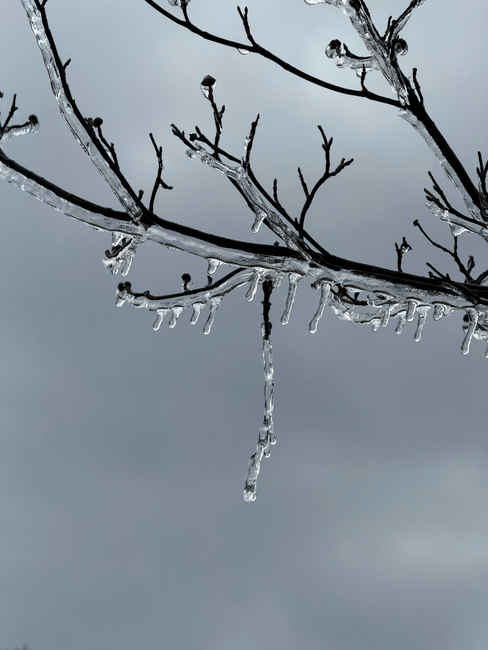
Specific types of winter weather events present unique and amplified dangers. Blizzards, defined by strong winds (35 mph or more) and considerable falling or blowing snow, reduce visibility to near zero, creating whiteout conditions. This extreme disorientation makes navigation impossible and significantly increases the risk of getting lost, even in familiar surroundings. The combination of frigid temperatures and high winds amplifies the effects of cold, accelerating heat loss from the body and leading to rapid hypothermia. Ice storms, where rain freezes on contact with surfaces, coat everything in a treacherous layer of ice. This makes roads, sidewalks, and power lines incredibly dangerous. The weight of accumulating ice can cause trees to fall and power lines to snap, leading to widespread power outages and further hazards from falling debris. Snowstorms, while perhaps less immediately dangerous than blizzards or ice storms, can still be lethal, particularly when accompanied by extreme cold. Heavy snowfall can trap people in their homes, leading to isolation and the potential for carbon monoxide poisoning if heating systems are not properly ventilated. The sheer weight of snow can also cause roofs to collapse, posing a direct physical threat.
Carbon monoxide poisoning is a silent and insidious killer often associated with winter weather. When heating systems, fireplaces, or generators are used in poorly ventilated spaces, particularly during power outages, carbon monoxide can build up to lethal levels. This odorless, colorless gas displaces oxygen in the blood, leading to suffocation and death, often without the victim realizing the danger. This is a significant concern during extended power outages when people resort to alternative heating methods. The risk is further amplified if snow or ice obstructs ventilation systems or chimneys.
Preventative measures and preparedness are paramount in mitigating the fatalities associated with severe winter storms. For individuals, this includes preparing an emergency kit with food, water, blankets, a flashlight, batteries, and a first-aid kit. Ensuring homes are properly insulated, sealing drafts, and having a reliable heating source are critical. Having a carbon monoxide detector with battery backup is essential. For communities, robust infrastructure maintenance, including snow removal, de-icing roads, and proactive power line maintenance, is vital. Early warning systems and public awareness campaigns are crucial for informing residents of impending threats and providing guidance on how to prepare and stay safe. Emergency services must be adequately resourced and trained to respond effectively in extreme winter conditions.
The long-term consequences of severe winter weather can also indirectly lead to increased mortality. Damage to agricultural infrastructure can disrupt food supplies, leading to malnutrition and increased susceptibility to disease. The economic impact can strain healthcare systems and social support networks. The psychological stress of repeated or severe weather events can contribute to chronic health problems. Understanding these broader impacts is crucial for developing resilient communities that can withstand and recover from the challenges posed by winter’s harsh grip.
The interplay between climate change and winter storms is also a growing concern. While the exact relationship is complex, some research suggests that a warming climate may lead to more extreme weather events, including more intense winter storms in certain regions. This underscores the importance of long-term climate mitigation strategies in conjunction with immediate preparedness measures. The human toll of these events is a stark reminder of our vulnerability to the forces of nature and the critical need for comprehensive strategies to protect lives and livelihoods in the face of severe winter weather. The cumulative impact of these diverse threats creates a significant mortality burden, demanding a multifaceted approach to understanding and addressing the dangers of death by cold storms, ice, snow, and freezing temperatures.
