Dem Senate hopeful’s ‘physician’ campaign pitch under fire after license records reveal key gaps

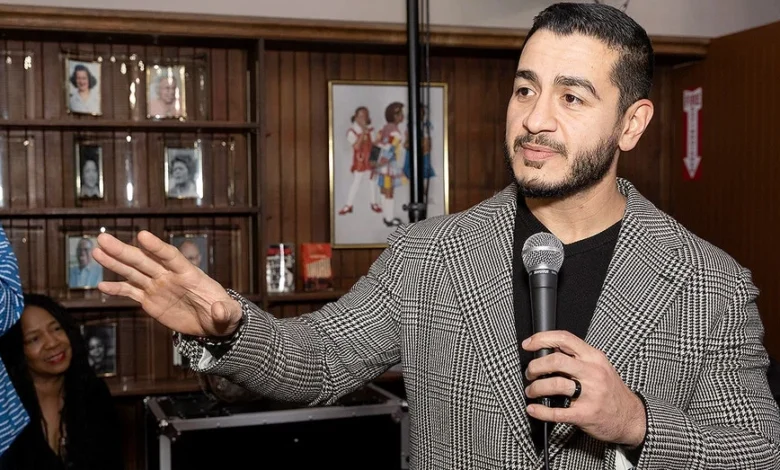
Michigan Democratic Senate candidate Abdul El-Sayed is currently facing intense scrutiny and criticism for consistently identifying himself as a "physician" in his campaign rhetoric and public biographies, despite official records indicating he has never held an active medical license in either Michigan or New York. This revelation, first brought to light by Politico and subsequently amplified by other news outlets, has cast a shadow over a central pillar of El-Sayed’s political persona and ignited a debate about professional representation in public service.
The Core Allegations and Campaign’s Foundation
The controversy centers on El-Sayed’s repeated use of the title "physician." While he indeed possesses a medical degree (M.D.), a fundamental distinction exists between holding a medical degree and being a licensed, practicing physician. Public records from both New York and Michigan, where El-Sayed has resided and worked, show no evidence of him ever having secured the necessary licensure to practice medicine. This distinction is critical, as state laws in both jurisdictions prohibit individuals without a license from identifying themselves as physicians or implying they are licensed to practice.
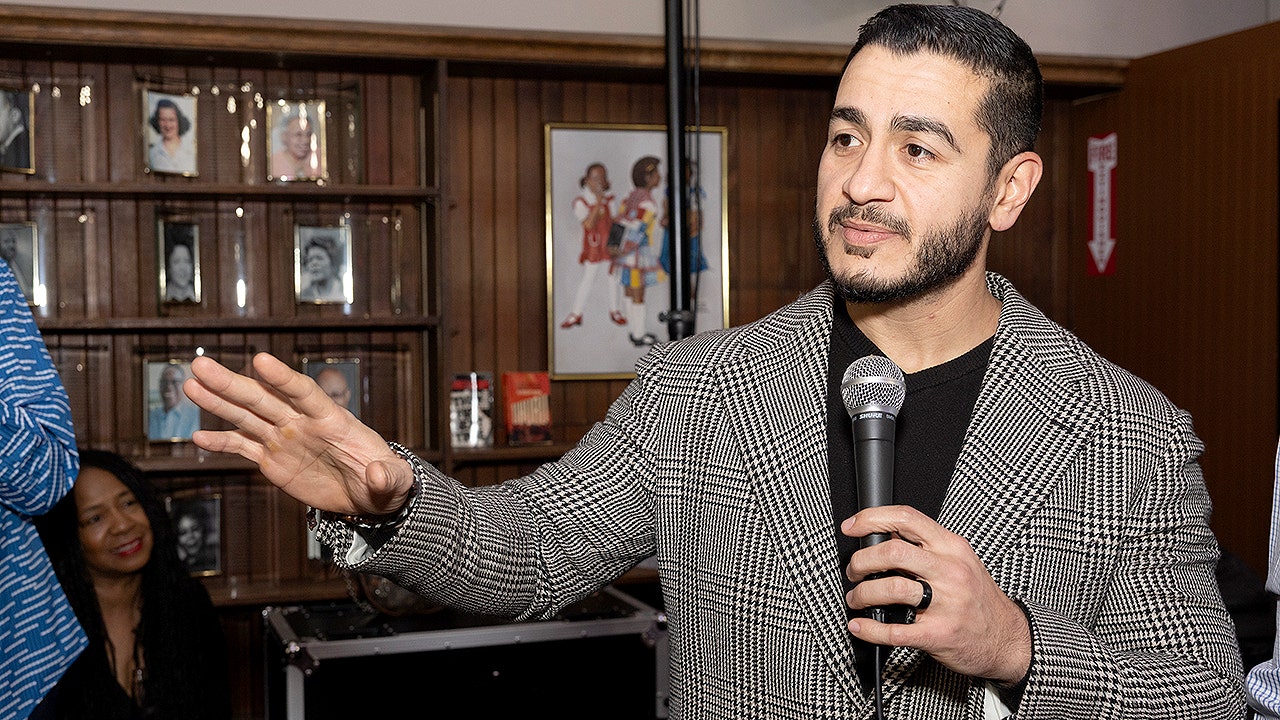
Much of El-Sayed’s campaign narrative, particularly his focus on healthcare policy and public health initiatives, has been meticulously crafted around his purported medical credentials. The image of a "doctor" has served as a powerful emblem for his platform, suggesting a deep, practical understanding of healthcare systems and patient needs. His public appearances, campaign materials, and biographical statements have frequently reinforced this image, leading many voters and political observers to believe he has actively practiced medicine. This perceived experience has been a cornerstone of his appeal, particularly in a state where healthcare access and affordability are perennial concerns. The idea that a candidate has firsthand experience in the medical field can resonate deeply with an electorate grappling with complex health issues, offering a sense of informed leadership.
Chronology of Claims and Disclosures
The timeline of El-Sayed’s self-identification as a physician and the subsequent questioning of this claim spans several years:
- 2018: Crain’s Detroit Business published an article questioning El-Sayed’s claims of being a physician, contrasting it with his lack of an active medical license. At the time, El-Sayed defended his stance by stating, "I think there’s a lot of ways that one serves as a physician. And I think the work that I have done and I continue to do is true to the core and the ethos of medicine. And when I took my Hippocratic Oath, that is still an oath that I use to guide my work today. I’m a physician because I have an MD, but I’m also a physician because of the work that I’ve dedicated my career to." This early challenge indicates that the current controversy is not entirely new territory for the candidate.
- 2022: In a podcast, El-Sayed described his limited hands-on medical experience – a four-week clinical rotation completed after medical school – as "cosplaying [as] a doctor." This comment, later reported by Politico, has become a point of contention, suggesting an acknowledgment of his non-practicing status, yet seemingly contradicting his public declarations.
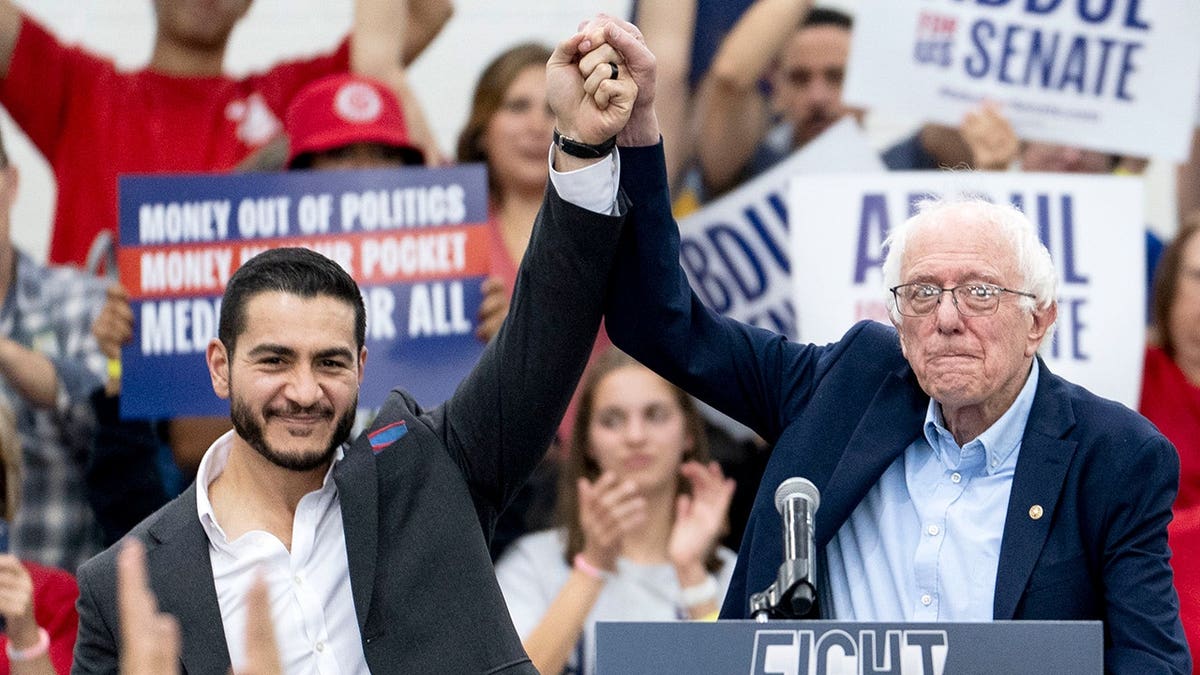
- 2025: U.S. Senator Bernie Sanders (I-Vt.), a prominent endorser and ally of El-Sayed, publicly referred to him as a "physician." El-Sayed did not correct Sanders on this occasion, allowing the perception to stand. This incident highlights how the narrative of his medical background has been reinforced by influential political figures.
- April [Year of Article]: During a debate hosted by the Council of Baptist Pastors, El-Sayed explicitly introduced himself as "a physician and epidemiologist." This public declaration, captured in a formal setting, directly contributes to the current wave of criticism.
- June [Year of Article]: A fundraising appeal from El-Sayed’s campaign featured a photograph of him dressed in a doctor’s coat, further visually cementing the image of him as a practicing medical professional. This visual reinforcement underscores the strategic use of medical imagery in his campaign messaging.
- Current Day (as of article publication): El-Sayed’s LinkedIn biography continues to identify him as a "physician and epidemiologist," alongside his Ph.D. in public health from the University of Oxford. This ongoing claim in professional and public forums remains a central point of contention.
Legal and Ethical Implications of Professional Titles
The use of professional titles like "physician" is not merely a matter of semantics; it is governed by specific state laws designed to protect the public. In New York, for example, state law explicitly prohibits individuals who lack medical licenses from identifying themselves as "physicians." Similarly, Michigan law bars individuals from engaging in actions "to induce the belief" that they are licensed to practice medicine. These regulations are in place to ensure patient safety, maintain professional standards, and prevent misrepresentation that could mislead the public, particularly in matters of health.
The distinction between holding a medical degree (MD) and being a licensed physician is crucial. An MD signifies the completion of medical school and the academic qualifications. However, licensure typically requires additional steps, including post-graduate residency training, passing rigorous board examinations, and ongoing professional development. These steps ensure that a medical doctor has acquired the practical clinical experience and demonstrated competency necessary to independently practice medicine and treat patients. El-Sayed’s spokesperson acknowledged his extensive work in public health, including initiatives to eliminate medical debt, increase Narcan access, and build air quality monitoring networks. While these are significant public health contributions, they do not, by themselves, constitute the practice of clinical medicine under a state license.
Responses from the Campaign and Political Rivals
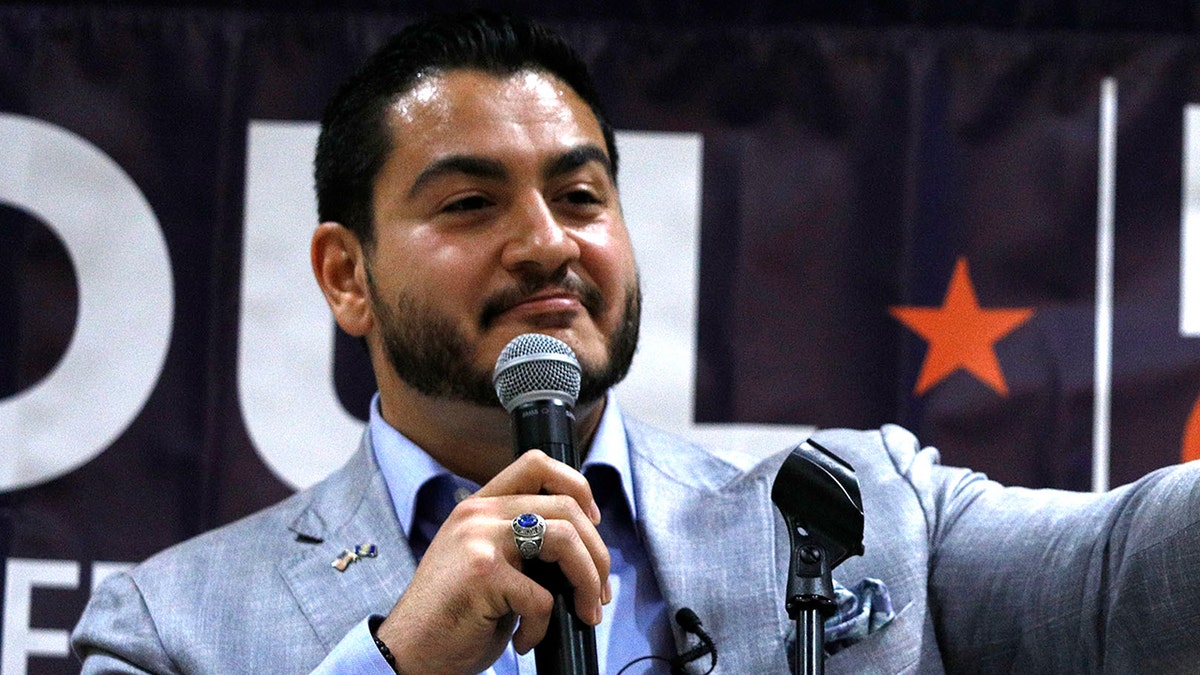
In response to the mounting questions, El-Sayed’s spokesperson, Roxie Richner, defended his use of the title. Richner stated, "Rather than this being a gotcha attack, this is Dr. El-Sayed’s origin story – one that Michiganders are familiar with." She further elaborated, "Dr. El-Sayed has spoken extensively about his experiences in medical school that led him first to public health and then to public service. He has spent his career improving healthcare for Michiganders through innovative, sweeping public health programs, including the elimination of up to $700 million in medical debt, increased access to Narcan, and built a state-of-the-art air quality monitoring network."
This defense attempts to pivot the narrative from clinical practice to public health leadership, framing his journey as a natural evolution from medical training to broader societal impact. However, critics argue that this explanation does not directly address the specific claim of being a "physician" in the active, licensed sense.
The controversy has been swiftly seized upon by El-Sayed’s political rivals, particularly within the Democratic primary for the Michigan Senate seat. State Senator Mallory McMorrow’s campaign, a direct competitor, issued a sharp critique. Campaign spokesperson Jackson Boaz asserted, "Abdul El-Sayed has made his supposed medical credentials a centerpiece of his campaign, but the truth is he never held a medical license, never did his residency, never passed his boards, and never practiced medicine independently. If Michigan voters can’t trust El-Sayed to be honest about something that is so central to his entire rationale for running, how can they trust him to be honest about what he’d do as a United States Senator?" This statement directly challenges El-Sayed’s integrity and aims to undermine voter trust, suggesting a pattern of misrepresentation could extend to other policy positions.
Other political strategists and consultants have also weighed in. Chris Dewitt, a Michigan Democratic strategist, told Politico, "The perception in Michigan is that he is, at least at one point in his life, a licensed physician. That apparently is not the case, and it blows up a big part of his campaign." Adrian Hemond, another Michigan Democratic consultant, expressed similar sentiments to Politico, remarking, "It’s a weird thing to hang your hat on in terms of a biographical detail if you never actually practiced medicine. It’s not as though he hasn’t done anything with all of the fancy education that he got like running public health programming for Wayne County and for the city of Detroit. And so maybe you would lean into that, as opposed to giving people the impression that you may have practiced medicine before." These comments highlight the perceived miscalculation in El-Sayed’s campaign strategy, suggesting he could have leveraged his legitimate public health accomplishments without stretching the "physician" claim.
Broader Impact and Implications for the Michigan Senate Race
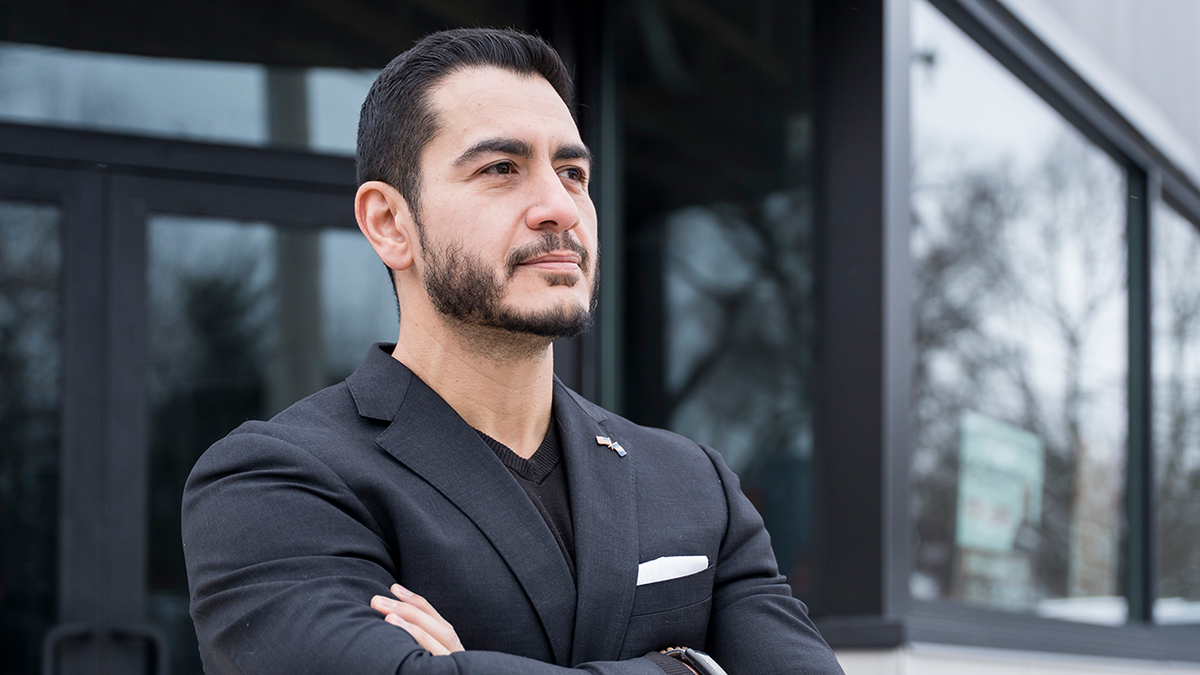
The controversy strikes at the heart of public trust in political candidates, especially concerning their professional backgrounds. In an era where misinformation and distrust in institutions are prevalent, the accuracy of a candidate’s resume can significantly impact voter perception. Voters often rely on stated credentials to gauge a candidate’s qualifications, expertise, and honesty. Any perceived embellishment or misrepresentation can erode confidence and raise questions about a candidate’s overall integrity.
For El-Sayed, whose campaign is heavily invested in his health-related expertise, this issue could prove particularly damaging. His narrative as a "physician" has been integral to his policy proposals on healthcare, framing him as uniquely qualified to tackle complex medical and public health challenges. Undermining this core claim could weaken the credibility of his entire platform.
The Michigan Senate race is expected to be highly competitive, with significant national implications. The Democratic primary itself is crowded, featuring several prominent figures vying for the nomination. State Senator Mallory McMorrow, who has gained national recognition, and other candidates present formidable challenges. In such a tight race, even seemingly minor controversies can have outsized effects, swaying undecided voters or energizing opposition. The National Republican Senatorial Committee (NRSC) has already seized on the issue, with Regional Press Secretary Samantha Cantrell telling the Washington Examiner, "Michigan’s Democrat Senate primary is such a mess that the guy cosplaying as an Egyptian citizen and licensed physician is still beating Chuck Schumer’s handpicked candidate." This demonstrates how the issue is being weaponized across the political spectrum.
Beyond the immediate political fallout, the situation also raises broader ethical questions for all public figures regarding the precise use of professional titles and the transparency required in presenting one’s qualifications to the electorate. It underscores the importance of clear communication and adherence to legal and professional standards in public discourse. As the primary election approaches, how El-Sayed navigates this challenge and how voters ultimately interpret his explanations will be a critical factor in determining his viability in the race. His ability to refocus the narrative on his undeniable accomplishments in public health, while addressing the concerns about his use of the "physician" title, will be crucial for maintaining his campaign’s momentum.