EPA Administrator Lee Zeldin Signals Broad Deregulation of Methane Emissions in New Policy Pivot

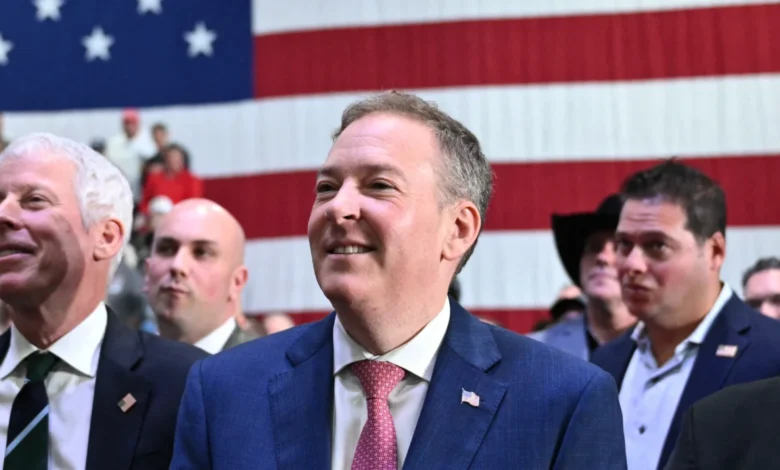
The Environmental Protection Agency is poised to initiate a significant retreat from federal oversight of the oil and gas sector, marking a fundamental shift in the United States’ climate policy trajectory. During a high-profile address to the New Mexico Oil and Gas Association in Santa Fe last week, EPA Administrator Lee Zeldin announced that the agency is finalizing a draft reconsideration of the Biden-era "Quad O" (OOOOb/c) methane rule. This proposed overhaul, which the administration frames as a necessary economic correction, would effectively dismantle core pollution standards, including the Methane Super Emitter Program and restrictions on routine flaring, venting, and leaking.
This policy reversal arrives less than a month after the agency moved to rescind established power plant pollution standards, signaling a broader, aggressive campaign to strip away environmental safeguards created during the previous administration. According to industry insiders and agency sources, the forthcoming proposal seeks to grant operators unprecedented latitude, potentially allowing the federal government to entirely step back from regulating methane emissions generated by fossil fuel production.
The Science of Methane and the Climate Stakes
The decision to weaken methane regulations carries profound implications for global climate stability. Methane, a potent greenhouse gas, possesses a heat-trapping potential approximately 80 times greater than carbon dioxide over a 20-year period. While its atmospheric lifespan is shorter than that of carbon dioxide, its immediate warming impact is severe. Climate scientists and policy analysts have frequently described rapid reductions in methane as an "emergency brake" for global temperature increases.
The United States currently leads the world in methane emissions from the oil and gas sector, which is responsible for roughly one-third of total global anthropogenic methane output. By easing requirements for leak detection and repair (LDAR) and allowing for the continuation of routine flaring—the practice of burning off unwanted natural gas at the wellhead—the new EPA framework threatens to negate years of incremental progress in decarbonizing the energy sector. Environmental advocacy groups have warned that the rollback essentially creates a "loophole-driven" regulatory environment that allows companies to report compliance while simultaneously emitting substantial volumes of the gas.
A Chronology of Regulatory Erosion
The push to dismantle these standards did not occur in a vacuum; it is the culmination of a multi-year, coordinated effort between energy industry interests and the current administration. The timeline of this transition reflects a concerted strategy to prioritize energy production volume over environmental mitigation.
- February 2026: The EPA formally rescinded the 2009 endangerment finding, a landmark legal determination that established the agency’s authority to regulate greenhouse gases as threats to public health and welfare. This action provided the legal bedrock for subsequent industry challenges to air quality rules.
- April 2026: Multiple energy corporations, including Continental Resources and Chord Energy, formally petitioned the EPA to protect the practice of routine flaring, arguing that current constraints imposed undue operational costs.
- Summer 2026: Internal EPA visitor logs reveal an intense period of collaboration, with agency officials meeting with industry representatives at least three dozen times to discuss the specific architecture of the new methane rule.
- September 2026: The EPA rolled back established power plant pollution standards, serving as a precursor to the broader deregulation of the oil and gas industry.
- October 2026: Administrator Zeldin confirms the finalization of the draft proposal to gut the "Quad O" standards, setting the stage for formal implementation.
Industry Influence and the "Wish List" Strategy
Critics of the policy pivot, including researchers at the watchdog group Fieldnotes, argue that the EPA’s new proposal mirrors an industry "wish list" rather than a balanced approach to public health. Investigations into internal industry communications reveal that fossil fuel trade associations have maneuvered extensively to neutralize the Waste Emissions Charge—the first direct fee in U.S. history aimed at penalizing oil and gas producers for excess greenhouse gas emissions.
A central figure in this transition is Harold Hamm, the founder of the Domestic Energy Producers Alliance (DEPA). As a long-standing ally of President Donald Trump, Hamm has exerted significant influence over the administration’s energy agenda. DEPA was the first trade group to publicly endorse the EPA’s decision to rescind the 2009 endangerment finding, and the group has consistently argued that the EPA lacks the constitutional authority to regulate methane as a pollutant.
The industry’s strategy has been multi-faceted. While some groups have pushed for the total repeal of methane oversight, others have pursued a more granular approach, such as requesting a distinct regulatory category for "stripper wells"—low-producing wells that are nonetheless responsible for a disproportionately high share of methane leaks. By shielding these sites from monitoring, the industry aims to avoid the costly infrastructure upgrades required to detect and stop emissions.
The Economic Argument for Deregulation
Administrator Zeldin has defended the rollback by highlighting the financial burdens faced by both the energy sector and the American public. In a press statement issued during the Santa Fe meeting, Zeldin estimated that the new measures would save taxpayers and energy companies approximately $45 billion.
"Americans must be able to afford to heat their homes in the winter and fill up their car and drive to work," Zeldin stated. "They can’t do that when the people producing the energy are weighed down by unnecessary burdens. The Trump EPA is committed to fixing this so the US can reach its full energy potential."
This rhetoric aligns with the administration’s "unleash American energy" platform, which seeks to maximize domestic oil and gas extraction as a means of insulating the U.S. economy from global market volatility. However, economic analysts remain divided on the long-term cost-benefit profile of this strategy. While the immediate savings to operators are quantifiable, the long-term fiscal impact of climate-related disasters and the health costs associated with air pollution remain significant, though often excluded from the administration’s regulatory impact assessments.
Institutional Resistance and Legal Challenges
The move to gut the "Quad O" rule is expected to face immediate legal scrutiny. When the Biden administration finalized these rules in 2024, they were met with a wave of litigation from oil and gas trade groups. While the new administration’s proposal to repeal these rules may temporarily render those specific lawsuits moot, environmental legal organizations are already preparing to challenge the underlying scientific and legal rationale for the withdrawal.
Furthermore, the dissolution of the Methane Super Emitter Program—a third-party monitoring system that utilized satellite data to identify major leaks—has drawn sharp criticism from transparency advocates. By removing the ability for outside actors to hold companies accountable for major blowouts and sustained leaks, the EPA is effectively creating an information vacuum that makes it difficult for the public to monitor the true scale of methane output.
Future Implications for U.S. Climate Commitments
The global implications of this policy shift are significant. As the United States pivots away from methane oversight, its ability to lead international climate negotiations is likely to be hampered. During previous climate summits, the U.S. often used its methane reduction targets as a key leverage point to encourage emerging economies to adopt similar standards.
As the draft proposal moves through the Office of Information and Regulatory Affairs (OIRA), the final language remains a subject of intense speculation. However, the trajectory is clear: the administration is moving toward a regulatory framework that emphasizes voluntary compliance and reduced reporting requirements.
For industry observers, the coming weeks will be critical as the text of the proposal is made public. For environmentalists, the focus has shifted from advocacy within the agency to the judicial system, where the fight over the legal definition of the EPA’s authority to protect the climate is set to continue for the foreseeable future. The final rule will serve as a defining indicator of the current administration’s willingness to prioritize short-term energy production over long-term environmental and public health safeguards.