Daredevil: Born Again will conclude its run on Disney+ following the release of its upcoming third season.

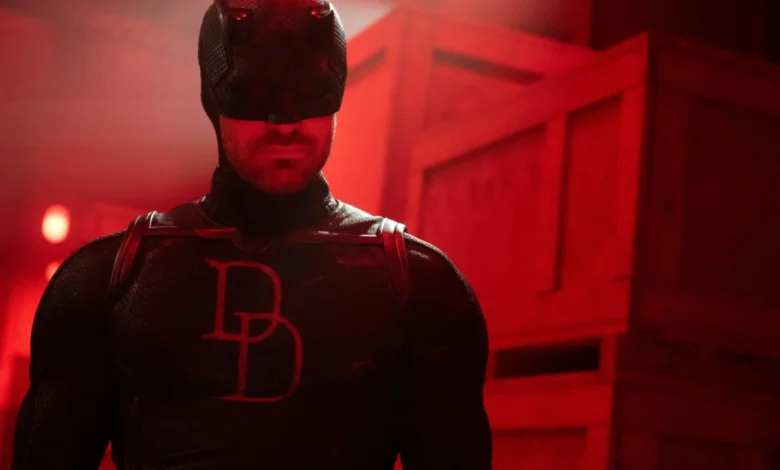
The announcement that the fan-favorite Marvel series starring Charlie Cox is set to wrap up its narrative arc with a third season marks the end of an era that spans over a decade of television history. While the production of this final chapter concluded several months ago, the series is currently in the midst of extensive post-production, with a scheduled premiere date slated for 2027. The departure of co-creator and showrunner Dario Scardapane during this phase signals a definitive transition for the franchise, closing the book on Matt Murdock’s modern-day tenure.
A Decade of the Devil: The Netflix Origins
To understand the significance of the conclusion of Daredevil: Born Again, one must look back to the inception of the character’s modern live-action presence. In 2015, Netflix launched its inaugural season of Daredevil, a gritty, grounded take on the Marvel Cinematic Universe (MCU) that focused on the street-level crime of Hell’s Kitchen. Charlie Cox’s portrayal of Matt Murdock—a blind lawyer who battles systemic corruption by night—was met with critical acclaim, effectively setting the tone for a broader narrative tapestry.
Between 2015 and 2018, this "Defenders" saga flourished, spawning a interconnected universe that included Jessica Jones, Luke Cage, and Iron Fist. This period, often referred to by fans as the "Netflix Marvel Era," culminated in the 2017 ensemble series The Defenders, which brought the four heroes together to combat the Hand. When Netflix cancelled the series in 2018, the move sent shockwaves through the fandom, leading to years of grassroots campaigns, most notably the #SaveDaredevil movement, which sought to see the characters reintegrated into the wider Marvel Studios landscape.
The Disney+ Revival and the Road to 2027
The acquisition of the rights by Disney+ paved the way for the 2025 launch of Daredevil: Born Again. Unlike the Netflix iteration, which operated with a degree of separation from the main MCU films, the new series was designed to integrate fully into the primary timeline. The show brought back key players including Vincent D’Onofrio as the formidable crime lord Wilson Fisk, Deborah Ann Woll as Karen Page, and Elden Henson as Foggy Nelson.
The evolution from a standalone revival to a multi-season saga culminated in a creative shift that began in earnest during the production of the second season. As the show moved toward its third and final act, it began to aggressively bridge the gap between the modern era and the legacy characters of the Netflix years. Krysten Ritter’s return as Jessica Jones, alongside cameos from Mike Colter as Luke Cage and reports of Finn Jones reprising his role as Danny Rand (Iron Fist), turned the final season into a massive crossover event that effectively serves as a spiritual successor to The Defenders.
Chronology of the Daredevil Franchise
- April 2015: Daredevil Season 1 premieres on Netflix to critical success.
- 2016–2017: Spinoff series Jessica Jones, Luke Cage, and Iron Fist debut, establishing the "street-level" Marvel universe.
- August 2017: The Defenders premieres, uniting the four main leads.
- November 2018: Netflix cancels Daredevil after three seasons, despite high viewership metrics.
- December 2021: Charlie Cox appears in Spider-Man: No Way Home, confirming his character’s presence in the MCU proper.
- March 2025: Disney+ launches Daredevil: Born Again.
- 2026: Production wraps on the third and final season.
- 2027: Scheduled premiere of the final season of Daredevil: Born Again.
The Creative Landscape and Narrative Stakes
The decision to wrap the series with the third season comes at a pivotal time for the narrative. The plot of the upcoming finale is reportedly centered on a high-stakes power vacuum. In the wake of the second season’s finale, Matt Murdock’s secret identity has been compromised, forcing him into a precarious position where he must navigate legal and criminal spheres simultaneously. Simultaneously, Wilson Fisk, having been stripped of his title as the Mayor of New York City, remains the primary antagonist, likely seeking to reclaim his influence through the chaos of the city’s fractured political landscape.
The integration of the former Defenders—Jessica Jones, Luke Cage, and Iron Fist—provides a sense of closure that the abrupt cancellation of the Netflix shows never allowed. By bringing these characters together to face a common threat, Marvel Studios is effectively providing fans with the long-awaited resolution to the story arcs that were left dangling in 2018.
Industry Implications and Market Strategy
From an analytical perspective, the decision to conclude the series after three seasons reflects a broader shift in how major studios handle streaming content. In an era where subscription fatigue is a primary concern for platforms like Disney+, prioritizing "eventized" television—series with a clear beginning, middle, and definitive end—has become a strategic imperative. By framing the final chapter as a massive crossover, Marvel ensures high engagement levels for the final season while avoiding the creative stagnation that can occur in long-running procedural dramas.
Furthermore, the departure of showrunner Dario Scardapane during the post-production phase is common in high-budget television when the creative vision for the narrative arc has been fully executed. It signifies that the storytelling objectives for the series have been met, allowing the studio to pivot its resources toward new intellectual properties.
Impact on the Marvel Cinematic Universe
The end of the Daredevil series does not necessarily imply the end of the character’s presence in the MCU. Throughout the Disney+ era, Marvel has utilized the character of Matt Murdock as a foundational pillar for its "Street-Level" narrative branch. Whether the character will transition into feature-length films or appear in other cameo-heavy projects remains a subject of intense speculation among industry analysts.
However, the definitive closure of this series allows for a cleaner slate. By resolving the plot threads involving Fisk, the Kingpin’s political aspirations, and the reintegration of the Defenders, Marvel is successfully "cleaning up" its continuity. This allows for future projects to feature these characters in different capacities without the baggage of long-running, serialized requirements.
Final Reflections
The conclusion of Daredevil: Born Again represents more than just the end of a television show; it is the culmination of a decade-long experiment in how streaming services can handle comic book adaptations. From the dark, noir-inspired hallways of the Netflix era to the integrated, grand-scale crossover event of the Disney+ era, the journey of Matt Murdock has mirrored the evolution of the superhero genre itself.
As fans look toward 2027, the focus shifts to how these characters will exit the stage. For the actors involved, the series has been a career-defining anchor, particularly for Charlie Cox and Vincent D’Onofrio, whose portrayals have become the definitive versions of their respective characters. While the mask may be hung up, the legacy of this series—and its impact on the cultural landscape of superhero media—remains firmly established. The final season stands as a testament to the power of fan persistence and the creative flexibility of the modern Marvel machine, ensuring that when the final credits roll in 2027, the story of the Devil of Hell’s Kitchen will have been told on its own terms.
Related posts: