Marine Conservationists Enlist Clams and Spring Roll Wrappers in Innovative Bid to Restore Long Island Sound Eelgrass Meadows

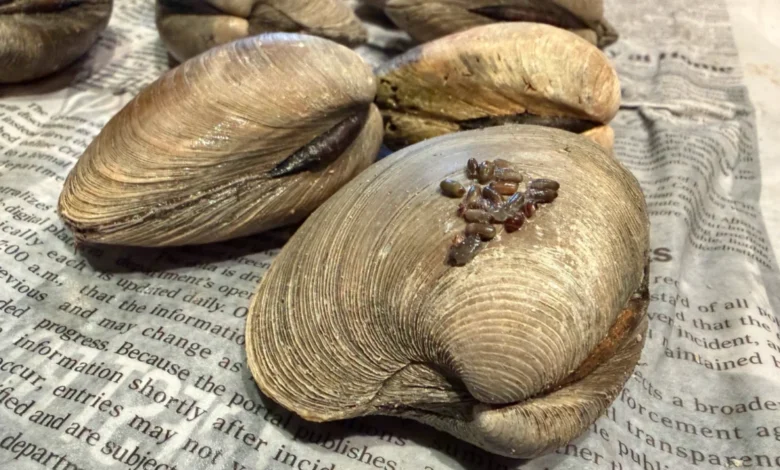
The waters of the Long Island Sound are playing host to a novel and surprisingly low-tech marine restoration experiment. Along the coastlines of New York and Connecticut, regional environmentalists are fighting back against a decades-long decline in critical aquatic vegetation by turning local clams into unwitting underwater gardeners. Spearheaded by the regional environmental action group Save the Sound, alongside engineering and academic partners, the initiative relies on an unusual logistical marriage: gluing eelgrass seeds to clam shells so that when the mollusks burrow into the sediment, they effectively plant the vegetation themselves.
This inventive strategy addresses one of marine ecology’s most stubborn challenges. While eelgrass meadows are fundamentally vital to coastal health, traditional restoration efforts have historically suffered from high failure rates. By shifting the burden of planting from human divers to the natural burrowing behavior of shellfish, conservationists are witnessing an unprecedented surge in aquatic plant growth, marking a potential turning point for coastal rehabilitation across the northeastern United States.
The Ecological Importance and Historic Decline of Eelgrass
Eelgrass, scientifically known as Zostera marina, functions as an anchor of biodiversity and ecological stability in shallow marine ecosystems. Often referred to as the lungs of the sea, the plant produces abundant oxygen through photosynthesis while simultaneously improving water clarity by trapping suspended sediments. Furthermore, eelgrass meadows act as a biological sponge, absorbing excess nitrogen and other nutrients that frequently cause destructive algal blooms in coastal waterways.
Beyond chemical filtration, these underwater meadows provide crucial physical infrastructure for local marine life. The dense blades of grass serve as essential nurseries, offering foraging grounds and protective cover for juvenile fish, crabs, and countless invertebrate species before they migrate to open waters. Additionally, the root systems stabilize the sea floor, substantially diminishing coastal erosion caused by wind-driven waves and heavy storms.
Despite these invaluable ecological services, eelgrass has vanished at an alarming rate. According to Save the Sound, eelgrass meadows in and around the Long Island Sound have plummeted by more than 90 percent since the 1930s. This staggering loss has been driven by a combination of factors, including warming ocean temperatures, declining water quality, coastal development, and historical disease outbreaks. Once a meadow is lost, the local ecosystem enters a feedback loop: without the grass, water quality degrades further, making it exceptionally difficult for new eelgrass to naturally take root and survive.
The Evolution of a Breakthrough Restoration Method
Restoring eelgrass has long been a frustrating endeavor for marine biologists. Traditional methods typically involve hand-planting individual shoots by SCUBA divers or broadcasting loose seeds directly onto the seabed. Both approaches are labor-intensive, expensive, and notoriously vulnerable to bottom currents, which frequently wash seeds away or bury them too deeply before germination can occur.
Recognizing the need for a paradigm shift, Robert Vasiluth, founder of Submerged Aquatic Vegetation Engineers Environmental (SAVE), conceptualized an entirely different pathway. Instead of relying on manual labor or ocean currents, Vasiluth proposed utilizing benthic organisms that naturally interact with the sediment daily. Clams, which routinely burrow into the seabed to feed and protect themselves, offered a living transport and planting mechanism.
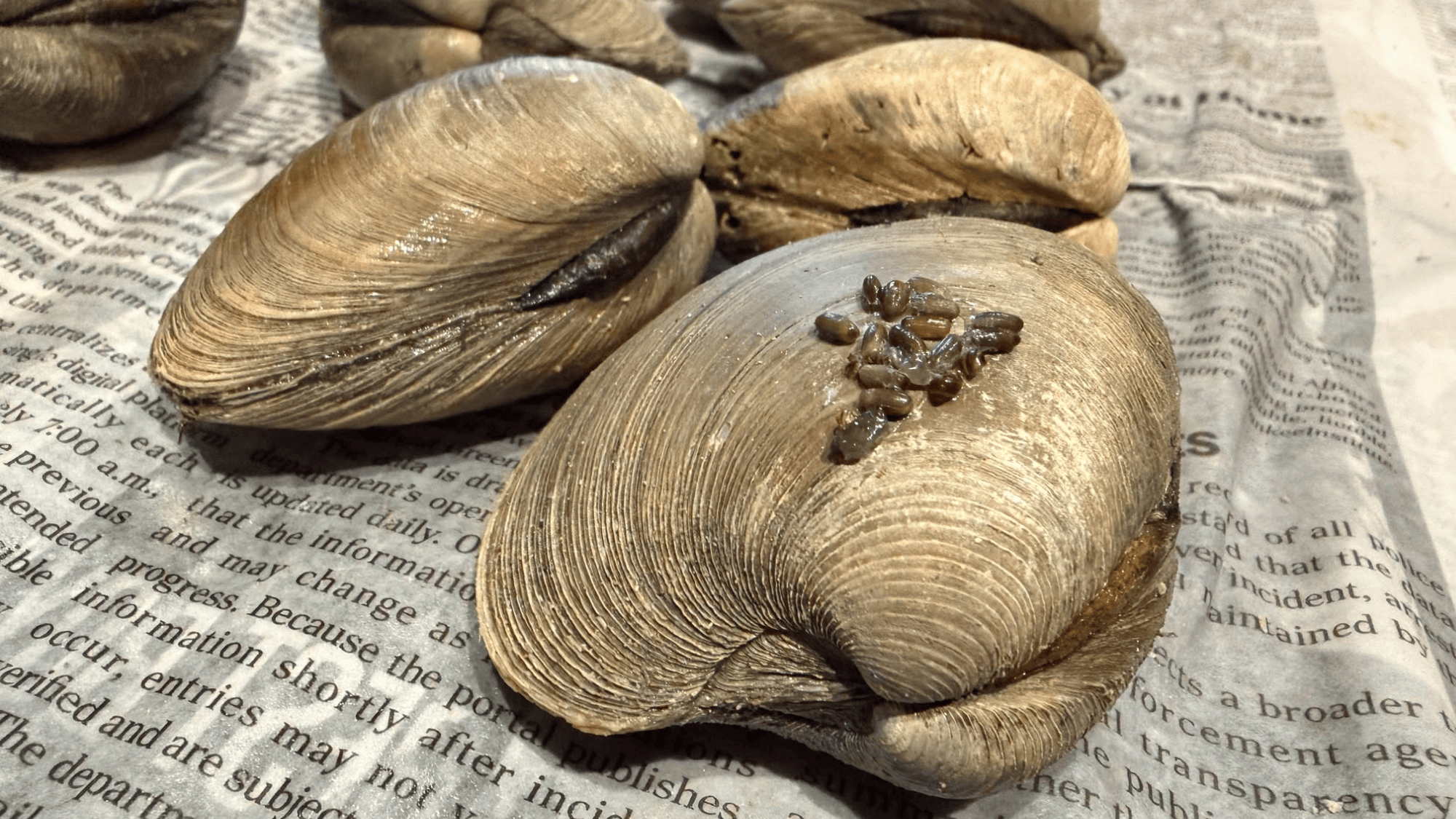
The operational concept is deceptively simple: secure eelgrass seeds to the exterior of a clam shell and release the mollusk into the sound. As the clam naturally rights itself and burrows into the sediment, it carries the attached seeds downward, positioning them at the precise depth and micro-environment required for successful germination.
Chronology of the Project and Technological Refinement
The initiative moved from conceptual theory to field execution in 2025, when Save the Sound deployed its first large-scale pilot using the clam-planting technique. During this initial phase, conservationists utilized industrial adhesives typically reserved for coral reef restoration to bond the seeds to the shells.
When the team returned to survey the deployment sites using drone imagery earlier this year, the results exceeded expectations. Data revealed that eelgrass meadow coverage in the targeted zones had expanded by an impressive 178 percent. Bill Lucey, the Long Island Soundkeeper with Save the Sound, expressed cautious optimism regarding the early numbers.
"It needs to survive for three years before we can really trumpet our horns and say it’s working, but the actual method of putting clams out and seeds attached to them really worked," Lucey noted. "The generation of the plants was incredible."
Despite the early success, the engineering team quickly identified room for optimization. The coral adhesive, while effective at holding seeds to calcium carbonate shells, was rigid and occasionally inhibited natural seed release or germination processes. Seeking better biological compatibility, the team consulted Maria Rosa, a biologist at Connecticut College who had experimented with alternative binding materials and yielded superior germination rates.
Dr. Rosa’s breakthrough involved the use of wet rice paper—the exact culinary wrap traditionally used to make spring rolls. As the team scaled up their operations during field deployments, they quickly realized that wet rice paper alone lacked the immediate tackiness required to withstand wave action during the descent to the seabed.
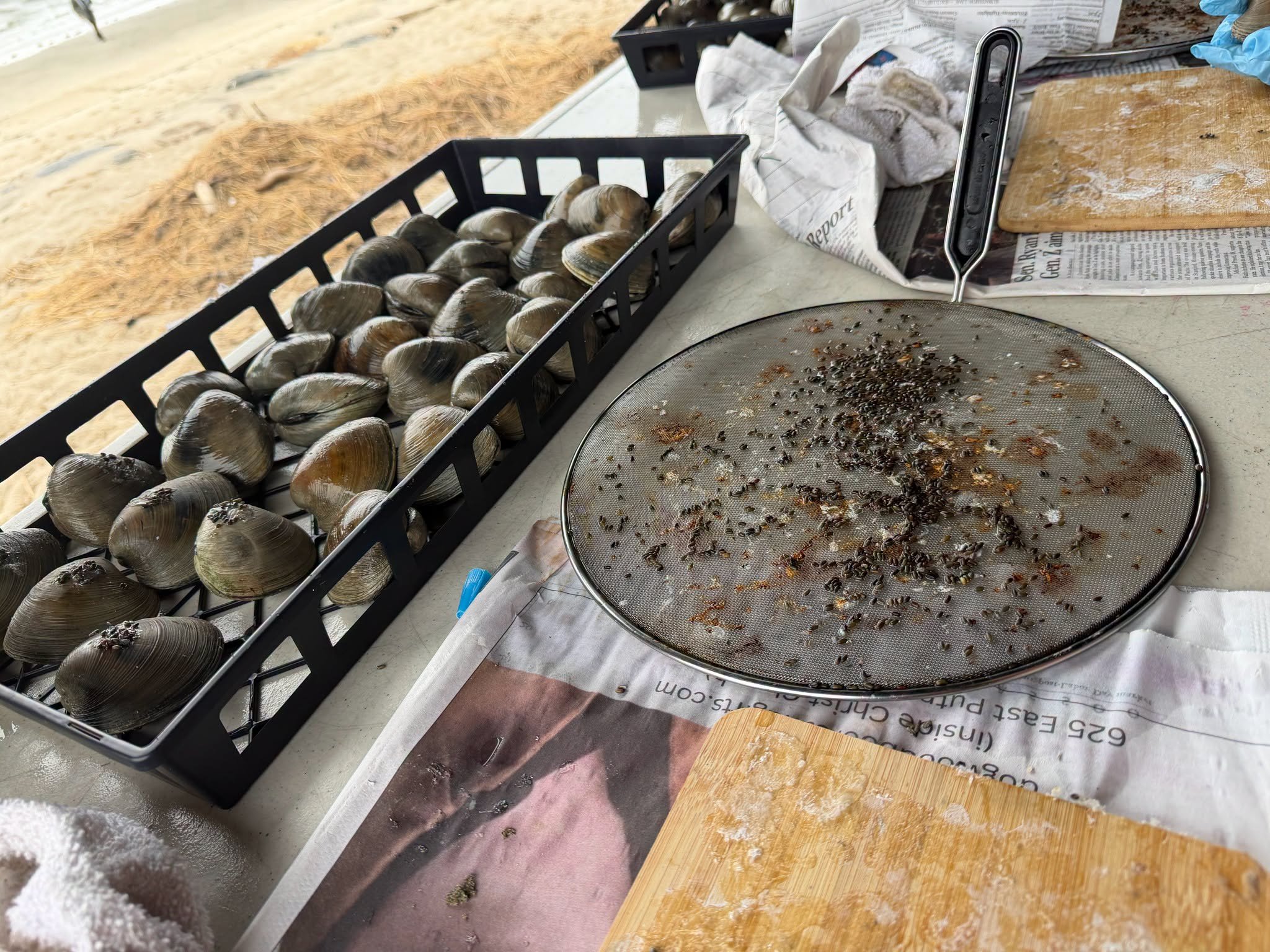
This challenge led to a refined hybrid technique currently being deployed by volunteers and scientists. The process now involves clustering a small pocket of 10 to 20 eelgrass seeds directly onto the top of a clam shell, securing them with a targeted ring of coral glue, and sealing the assembly beneath a moistened stamp of rice paper.
The spring roll wrapper serves a dual purpose: it keeps the delicate seeds moist during transit and initial deployment, while the coral glue holds the paper firmly to the shell. Over a short period in the marine environment, the rice paper naturally dissolves, neatly releasing the seeds right at the sediment surface alongside the burrowing clam.
Scale of Operations and Logistical Expansion
Building on the promising results of the pilot phase, Save the Sound has dramatically escalated its ambitions for the current planting season. The organization has established a target of releasing 10,000 clams carrying an aggregate total of 300,000 eelgrass seeds across designated restoration zones in New York and Connecticut waters.
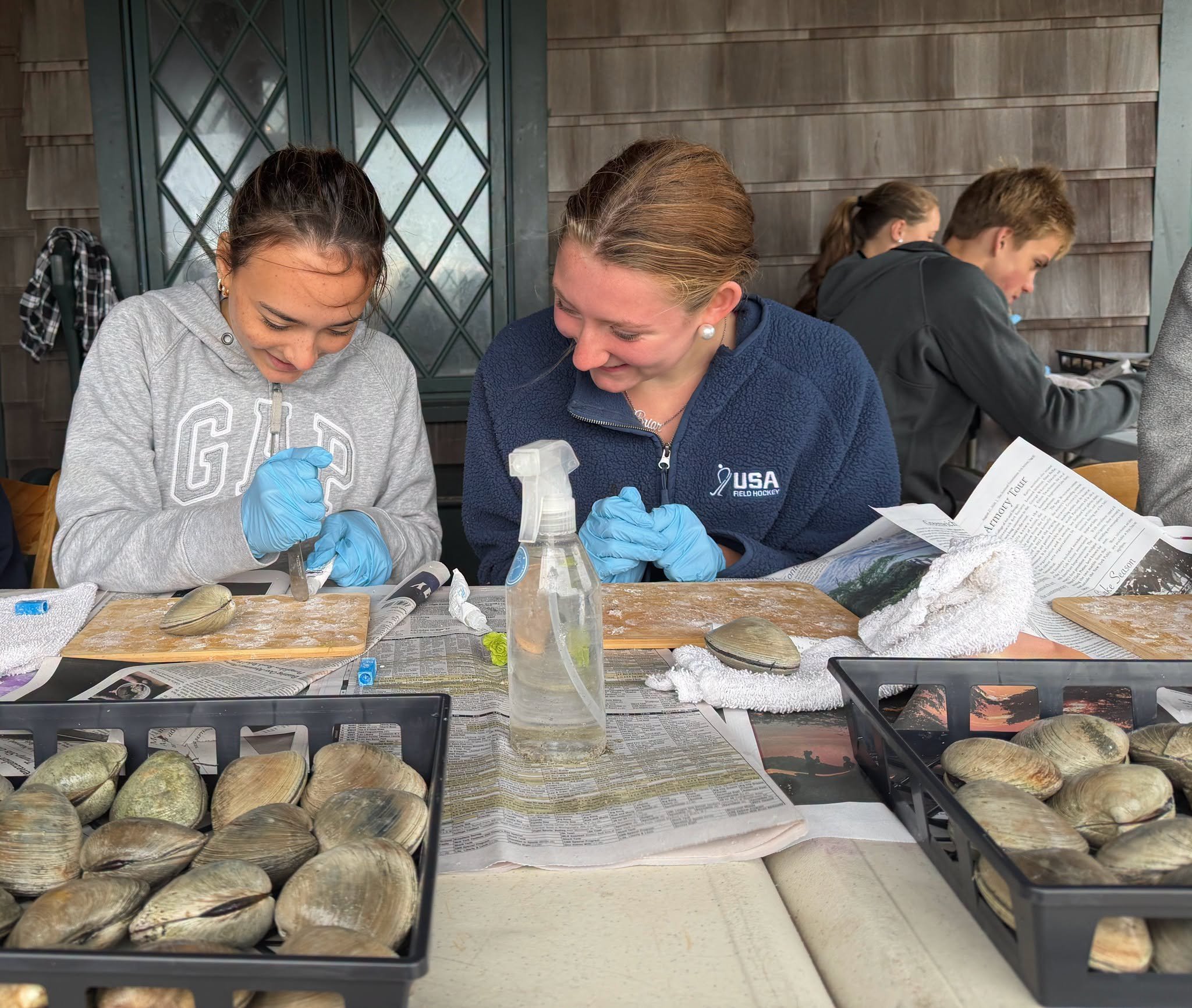
Achieving this milestone requires coordinated community science efforts. Volunteers, students, and conservation personnel work assembly-line style to clean shells, measure seed quantities, apply adhesives, and meticulously apply the rice paper stamps before the marine animals are transported to the water. This grassroots involvement not only scales up the labor-intensive preparation process but also fosters deep community engagement and educational awareness regarding local watershed health.
Broader Implications and Future Outlook
The success of the clam-planting technique carries significant implications for marine restoration ecology far beyond the boundaries of the Long Island Sound. As coastal managers globally grapple with the accelerating impacts of climate change, rising sea temperatures, and habitat degradation, traditional restoration toolkits are increasingly proving inadequate.
The integration of biomimicry and multi-species collaboration—leveraging the natural behaviors of bivalves to plant marine flora—demonstrates how creative engineering can overcome systemic ecological bottlenecks. By harnessing the biophysical actions of native fauna, conservationists can cover larger geographic areas with a fraction of the human labor and financial capital previously required.
Nevertheless, experts emphasize that biological restoration is a long-term commitment. While a 178 percent increase in initial meadow coverage is a monumental milestone, the true test of the ecosystem’s resilience will unfold over the coming years. Environmental stressors such as summer heatwaves, shifting water chemistry, and local boating activity will continue to challenge the newly established eelgrass shoots.
For now, conservationists remain focused on hitting their seasonal deployment targets of 10,000 clams and 300,000 seeds. Through a unique blend of marine biology, community activism, and culinary spring roll wrappers, the waters of the Long Island Sound may soon recover the lush, life-sustaining underwater meadows they lost nearly a century ago.
Related posts: