Beyond the Spooky Myth: Why Earth’s Only Winged Mammals Deserve Our Protection During Bat Week

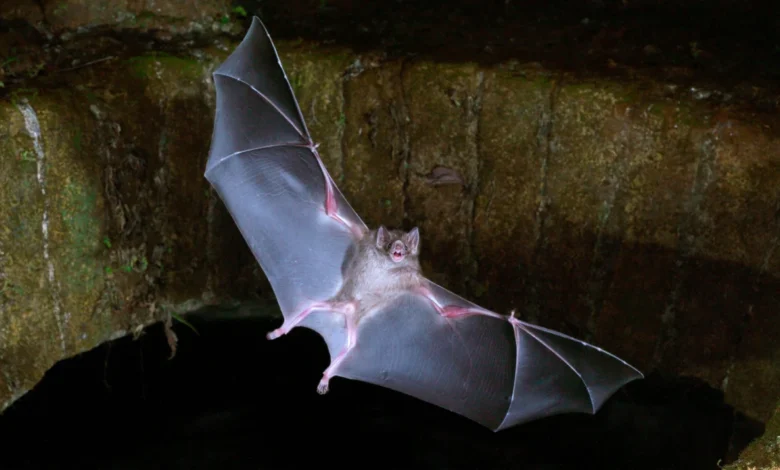
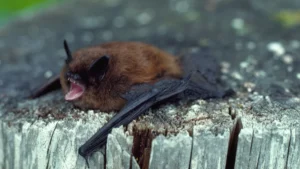
Bat Week, the annual celebration dedicated to changing public perceptions of Earth’s only truly flying mammals, officially commenced today, bringing critical attention to creatures that are far more vital to global ecosystems than their cinematic reputations suggest. Long typecast in popular culture as harbingers of disease, nocturnal terrors, and mythical vampires, bats are, in reality, crucial ecological pillars. Operating quietly in the shadows, they serve as master pollinators, prolific pest controllers, and seed disperses necessary for forest regeneration. Despite their immense biological value, conservationists note that bats continue to face severe public misunderstanding and habitat degradation.
To understand the complex behavioral ecology of these animals, researchers have spent decades probing the dense rainforests of Central and South America. Among them is Rachel Page, an evolutionary biologist at the Smithsonian Tropical Research Institute (STRI) in Panama. According to Page, studying bats offers an endless cascade of scientific revelations. The deeper researchers dig into chiropteran behavior, the more intricate and surprising the findings become, revealing creatures that exhibit surprisingly sophisticated social structures, problem-solving capabilities, and emotional resilience.
The Origins and Evolution of Bat Week
The establishment of Bat Week as an international collaborative conservation event stems from decades of mounting scientific evidence highlighting the vulnerability and ecological indispensability of chiropterans. Historically, bats have suffered from negative human prejudice, exacerbated by zoonotic disease scares and vampire horror tropes. In response, wildlife agencies, non-profit conservation groups, and academic institutions banded together to create an organized awareness campaign. The initiative aims to educate the public through community events, educational resources, and scientific outreach, highlighting that out of more than 1,400 known bat species worldwide, only three specialize in feeding exclusively on blood, and none pose a malicious threat to human populations.
Sharing Food for Survival: The Social Networks of Vampire Bats
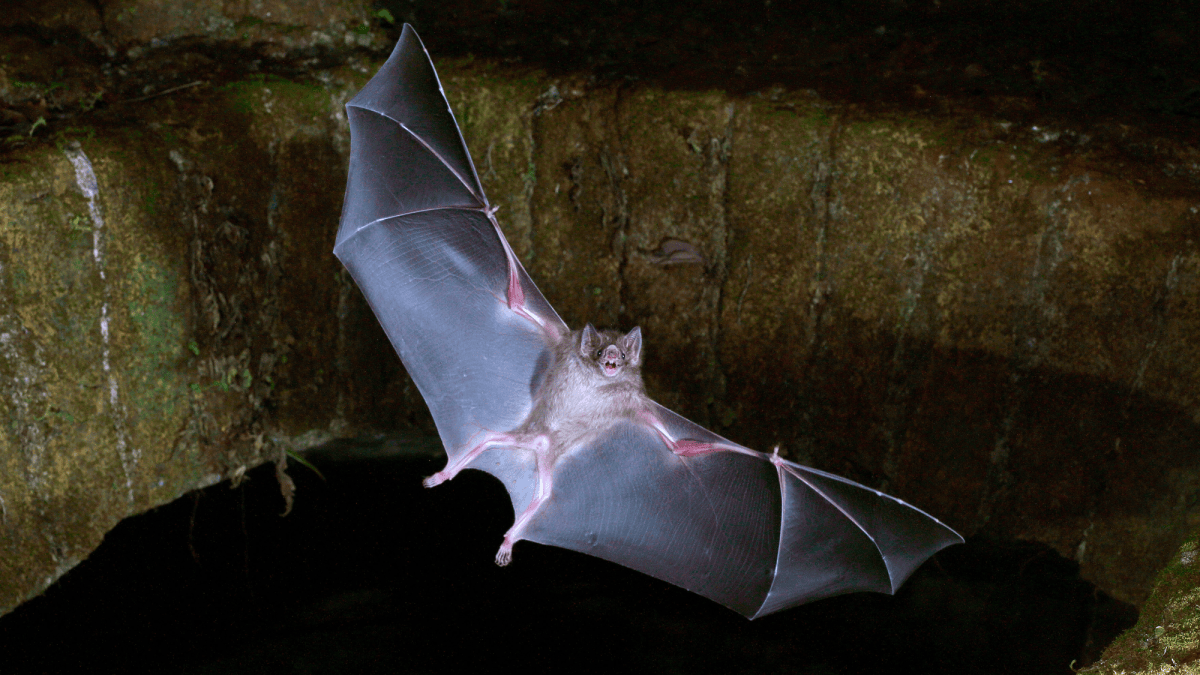
One of the most striking parallels between bats and humans lies in their social architecture, particularly within vampire bat species belonging to the subfamily Desmodontinae. Exclusively dependent on blood for survival, these animals operate on tight physiological margins. A common vampire bat (Desmondus rotundus) can survive for only about two days without a blood meal before succumbing to starvation. To mitigate this high-stakes risk, vampire bats have evolved complex reciprocal social networks that function identically to human friendships.
When a bat returns to its roost unsuccessful after a night of foraging, it relies on its social allies for sustenance. Members of the same roosting network will readily regurgitate ingested blood to nourish a starving neighbor. This food-sharing mechanism is strictly reciprocal; a donor bat expects and typically receives the same favor later should its fortunes reverse. Researchers observe that these reciprocal relationships form the bedrock of vampire bat societies, demonstrating a level of empathy, delayed gratification, and mutual aid rarely seen outside of primates and cetaceans.
Punching Above Their Weight: Personality and Roost Dominance
Just like humans, individual bats exhibit distinct, consistent personalities that shape their interactions within their communities. Some species and individuals display a notably passive and gentle disposition, while others are remarkably feisty and confrontational. This behavioral boldness is starkly visible in interactions between different species competing for prime roosting real estate in tropical habitats.
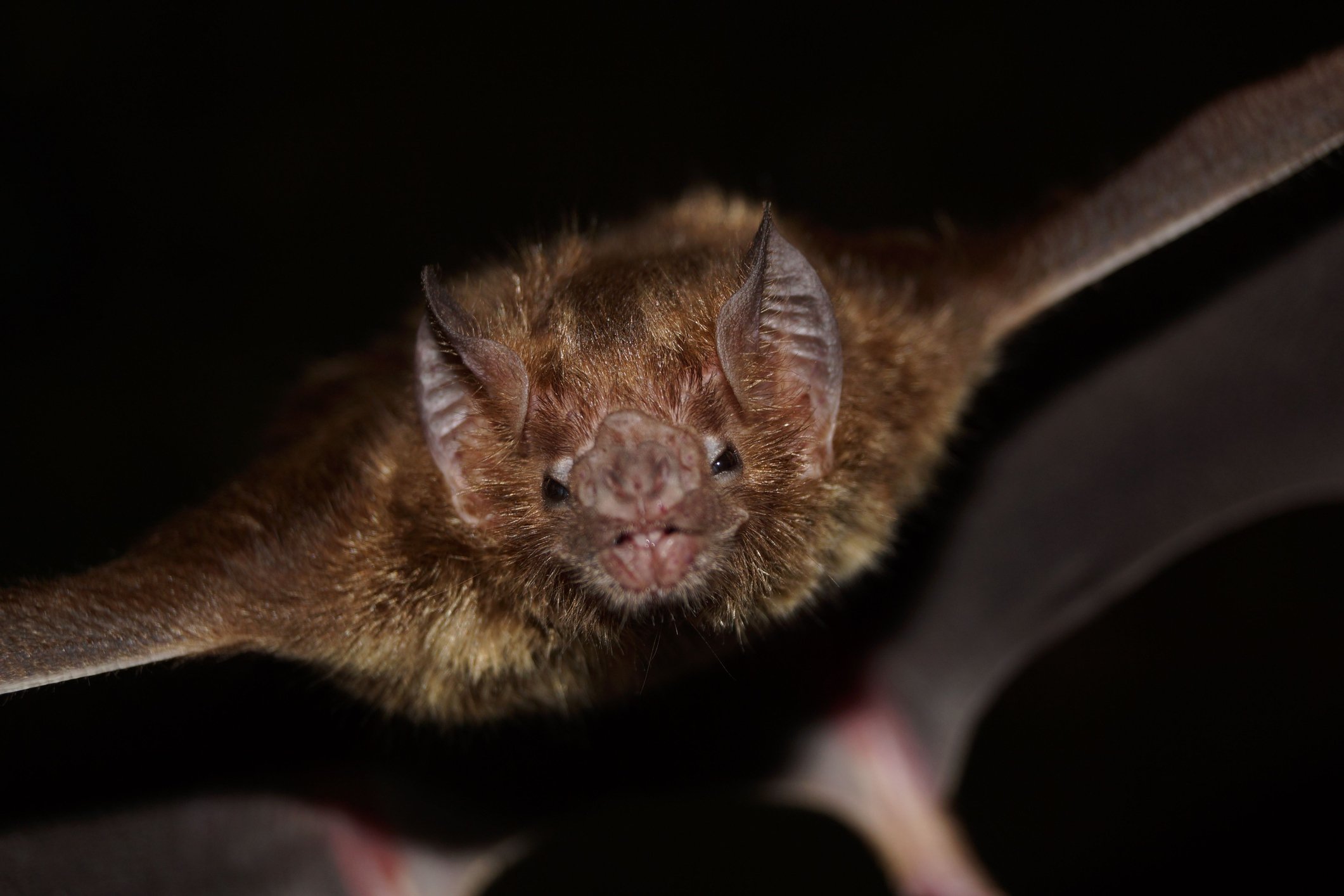
At the edges of Panama’s Soberanía National Park, field researchers have documented astonishing encounters where tiny, fruit-eating Seba’s short-tailed bats (Carollia perspicillata) successfully usurp the roosts of much larger, carnivorous bat species. Weighing roughly the same as a single strawberry, the male Seba’s short-tailed bat has been observed instigating territorial disputes against the frog-eating, fringed-lipped bat (Trachops cirrhosus), an adversary that weighs as much as an apricot and roughly twice the mass of the smaller species. Through aggressive posturing—such as opening their mouths wide to display sharp teeth and actively boxing with their larger rivals—the smaller bats routinely drive off their formidable predators, proving that physical size does not dictate tenacity in the wild.
Navigating Echolocation Challenges Through Spatial Problem-Solving
In the dense, cluttered understory of tropical rainforests, bats face immense sensory challenges when hunting motionless prey, such as insects resting quietly on foliage. Traditional scientific consensus long held that the complex architecture of broad leaves provided small insects with an "acoustic camouflage," baffling the sophisticated echolocation systems of hunting bats. However, recent field studies have disproven this hypothesis.
Bats successfully pierce this acoustic camouflage by dynamically altering their flight paths and the spatial angle at which they approach stationary targets. By projecting their echolocation calls toward a flat leaf at a precise angle, the sound waves bounce back to the bat with enough fidelity to reveal the hidden insect. This sophisticated problem-solving ability highlights the remarkable neurosensory adaptability that bats employ to secure sustenance in complex environments.
Fledging and Parental Investment

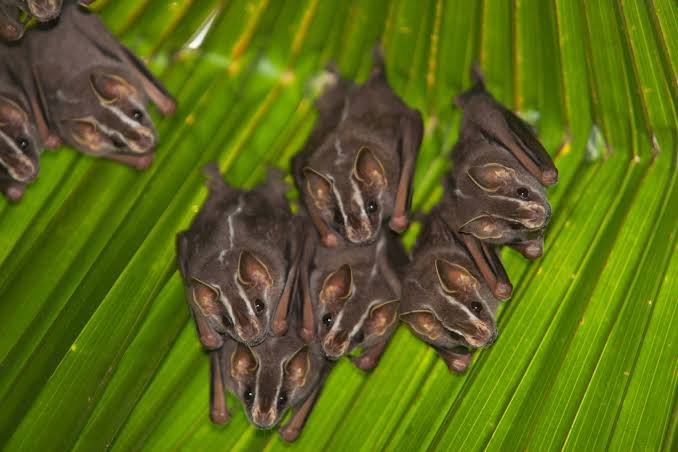
The transition from youth to independence in bats mirrors the universal challenges of mammalian and avian parenting. For tent-making bats (Uroderma bilobatum), when the time arrives for juveniles to wean and depart their maternal roost structures, mothers resort to physical persuasion. Field observations reveal maternal bats actively prodding their hesitant offspring with their forearms, encouraging them to take flight and forage independently. This developmental tug-of-war mirrors the fledging behaviors observed in birds, underscoring the universal evolutionary hurdles associated with raising offspring to independence.
Behavioral Adaptations to Illness and Infection
Recent research has also illuminated how bats manage disease and infection, drawing fascinating parallels to human healthcare and behavioral epidemiology. When humans or non-human primates contract illnesses, they frequently alter their behavior—isolating themselves to curb contagion and seeking out medicinal flora to alleviate symptoms. Emerging research indicates that bats exhibit similar adaptive responses.
In an ongoing collaborative study involving researchers from the Smithsonian Tropical Research Institute and the Ukrainian Bat Rehabilitation Center, scientists are analyzing the fecal samples of fruit-eating bats from Barro Colorado Island in Panama. The data reveals that bats modify their diets during periods of illness, occasionally consuming less nutritious leaves that are suspected to possess medicinal or anti-parasitic properties.
Furthermore, vampire bats exhibit dual behavioral strategies when sick: they self-isolate to protect their broader social network from infection, yet they continue to provide unwavering care for their dependent offspring. Page notes that this behavior reflects a fundamental mammalian instinct: even when incapacitated by fever or illness, maternal bats refuse to abandon their young, mirroring the compassionate caregiving observed in human parents.
Eavesdropping as an Evolutionary Strategy
For specialized hunters like the fringed-lipped bat (Trachops cirrhosus), survival depends on acute auditory observation. These bats regularly hunt túngara frogs, but rather than relying purely on echolocation to locate moving prey, they actively eavesdrop on the acoustic mating calls emitted by male frogs attempting to attract females.
By listening closely to these vocalizations, the bats can distinguish between edible frog species and toxic ones before executing an attack. Researchers compare this sophisticated eavesdropping to listening to the distinct sound of someone opening a bag of chips in a quiet room; the recognizable audio cue instantly captures attention. Through this social learning process, younger bats learn to differentiate palatable prey from dangerous species by observing the foraging behaviors of experienced adults in their roost.
Broader Implications for Conservation and Ecosystem Health
As Bat Week progresses, wildlife conservationists emphasize that understanding the complex behavioral ecology of bats is essential for global environmental management. Far from being mere characters of folklore, bats are integral to the economic and ecological health of agriculture and forestry. As insect predators, they save agricultural industries billions of dollars annually by naturally suppressing crop-damaging pests. As pollinators and seed disperses, they ensure the survival of rainforest ecosystems worldwide.

Despite their vital contributions, bat populations face unprecedented threats from habitat destruction, climate change, and devastating fungal pathogens like White-Nose Syndrome. Experts urge the public to utilize events like Bat Week to educate themselves, dismantle harmful myths, and support local conservation efforts designed to protect these remarkable winged mammals for future generations.