Beyond the Wurst: A Comprehensive Guide to the Cultural Heritage and Evolution of German Cuisine

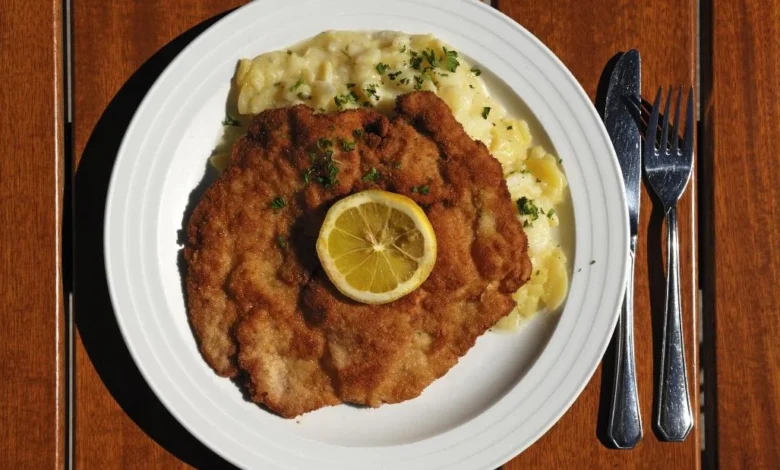
German food is rich, hearty, and remarkably diverse, representing a culinary landscape defined by its commitment to high-quality, locally sourced ingredients. While the global perception of German gastronomy is often limited to the triad of beer, sauerkraut, and sausage, the reality is a sophisticated tradition shaped by centuries of agricultural heritage and the profound influence of immigrant communities. Today, Germany’s culinary scene is a vibrant mosaic of traditional beer gardens, refined regional specialties, and a modern appetite for international flavors. To understand German food is to understand the history of the country itself—a story of resilience, adaptation, and an enduring appreciation for the well-prepared meal.
The Foundations of German Gastronomy
Historically, German cuisine evolved as a product of its geography. The country’s diverse landscape, from the alpine south to the maritime north, necessitated a diet based on what the land could provide. Cold climates and long winters dictated a reliance on preservation techniques, leading to the development of robust pickling, smoking, and curing traditions.
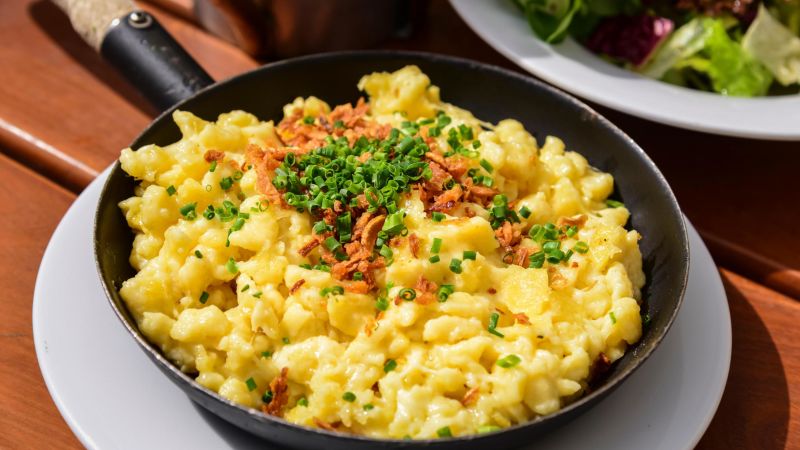
Agriculture remains the backbone of the German food industry. According to the German Federal Ministry of Food and Agriculture, the country possesses one of the most efficient agricultural sectors in the European Union, with a heavy emphasis on sustainable farming practices. This focus on "farm-to-table" dining is not a modern marketing trend in Germany but a centuries-old standard of living. Whether it is the seasonal obsession with Spargel (white asparagus) or the precise art of baking, the German approach to food is inherently disciplined and ingredient-focused.
A Chronology of Culinary Influence
The evolution of German cuisine can be segmented into distinct periods of regional consolidation and external influence. During the 18th and 19th centuries, regional identities were strong, with dishes like Labskaus—a mixture of salted beef, potatoes, and beetroot—serving as essential sustenance for Baltic and North Sea sailors. These dishes were born out of the necessity to prevent scurvy and preserve food on long voyages.
The post-World War II era marked a significant turning point. The economic miracle, or Wirtschaftswunder, brought with it an influx of migrant labor, particularly from Turkey and Italy, which fundamentally altered the German palate. The introduction of the Döner Kebab in the early 1970s by immigrants like Kadir Nurman at West Berlin’s Zoo Station transformed the street food landscape. By the late 20th century, these immigrant contributions were no longer seen as "foreign" but as essential components of the German national diet. Data from the German Hotel and Restaurant Association suggests that the integration of these flavors has made Germany one of the most dynamic food markets in Europe.

Regional Specialties and Iconic Dishes
To traverse Germany is to experience a rotating menu of regional pride. In the southwestern region of Swabia, Maultaschen—large, square pasta pockets filled with a mixture of minced meat, onions, and spinach—serve as a testament to regional ingenuity. In 2009, the European Union granted Maultaschen protected status as a regional specialty, underscoring their significance to the cultural heritage of Baden-Württemberg.
In the north, the focus shifts to maritime staples. Rollmöpse, or pickled herring fillets rolled around a gherkin, have been a fixture since medieval times. These items, often served as part of a "hangover breakfast" (Katerfrühstück), reflect a culinary tradition that balances heavy flavors with sharp, acidic preservatives.
Moving into the heart of the country, the Königsberger Klopse—meatballs in a creamy caper sauce—demonstrate the shifting political geography of the region. Named after the former East Prussian capital of Königsberg (now Kaliningrad, Russia), the dish’s history is inextricably linked to the geopolitical changes of the 20th century. During the era of the German Democratic Republic (GDR), officials attempted to rename the dish Kochklopse to avoid mentioning the city, which had been annexed by the Soviet Union. Today, the dish has reclaimed its original name, serving as a reminder of the nation’s complex past.

The Street Food Phenomenon: Currywurst and Beyond
No discussion of German food is complete without the Currywurst. Invented in 1949 by Herta Heuwer in Berlin, the dish is a synthesis of postwar necessity. By combining ketchup and curry powder obtained from British soldiers, Heuwer created a cultural icon. It is estimated that Germans consume approximately 800 million servings of currywurst annually. The dish represents the democratic nature of German street food—accessible, filling, and deeply ingrained in the public consciousness.
Similarly, the Bratwurst remains a central pillar of German identity. With over 40 distinct regional varieties, including the spicy Thüringer Rostbratwurst and the small, grilled Nürnberger Rostbratwurst, the sausage serves as the baseline for the German culinary experience. The opening of the German Bratwurst Museum in 2006 in Thuringia serves as a formal recognition of the sausage’s status as a cultural artifact.
The Seasonal Rituals of the German Kitchen
German food is inherently cyclical. The arrival of Spargelzeit (asparagus season) in mid-April triggers a national event. As the "white gold" hits the markets, consumption levels spike, with the average German eating asparagus daily until the season ends on June 24, St. John the Baptist Day. This fixation is not merely a preference but a ritualized appreciation for seasonal produce.

Similarly, the autumn months are defined by Zwiebelkuchen (onion tart) and Federweisser (partially fermented young white wine). Because the wine is in a state of rapid fermentation, it cannot be bottled in airtight containers and must be consumed locally, reinforcing the importance of regional markets and community festivals.
Sweet Traditions and Institutional Excellence
Germany’s baking culture is world-renowned, with the Schwarzwälder Kirschtorte (Black Forest Gateau) standing as a flagship of confectionery expertise. Though often mistakenly attributed to the Black Forest region itself, the cake is named after the Schwarzwälder Kirsch liquor distilled from the region’s tart cherries.
Furthermore, the German approach to sweets is marked by a focus on quality over excess. The German cheesecake, for example, utilizes low-fat quark instead of heavy cream cheese, resulting in a lighter, more textured dessert. The innovation of the Spaghettieis in 1969 by Dario Fontanella in Mannheim further illustrates the creative fusion of Italian influence and German preference, proving that even modern culinary inventions can achieve status as national classics.

Analysis: The Future of German Culinary Heritage
The sustainability of traditional German cuisine rests on the balance between preservation and adaptation. As global food trends shift toward plant-based diets and sustainability, German institutions are pivoting. Modern adaptations of traditional dishes—such as vegetarian Maultaschen or vegan Döner—are becoming commonplace, suggesting that the "hearty" nature of the cuisine is evolving to meet modern health standards without sacrificing the core components that defined it.
From the legislative protection of regional foods by the European Union to the scientific rigor applied at institutions like the German Institute for Bread, the country treats its food with the same level of seriousness as its engineering. The broader impact of this focus is a culinary industry that remains competitive, culturally significant, and deeply appealing to both the domestic population and the millions of visitors who travel to Germany annually.
As the country continues to navigate the complexities of a globalized food system, its strength lies in the continuity of its regional specialties. Whether it is the Sunday family dinner of Sauerbraten—marinated for days in red wine vinegar—or a quick stop for a Reibekuchen at a Christmas market, German food remains a testament to a culture that values its history, its farmers, and, most importantly, the simple, honest pleasure of a well-served meal.