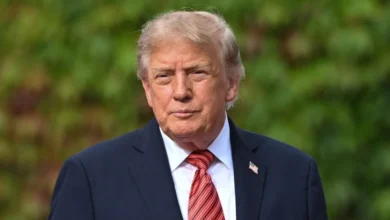
President Trump and first lady Melania Trump cast their votes for the midterms in person in Palm Beach County, Florida, on Saturday.

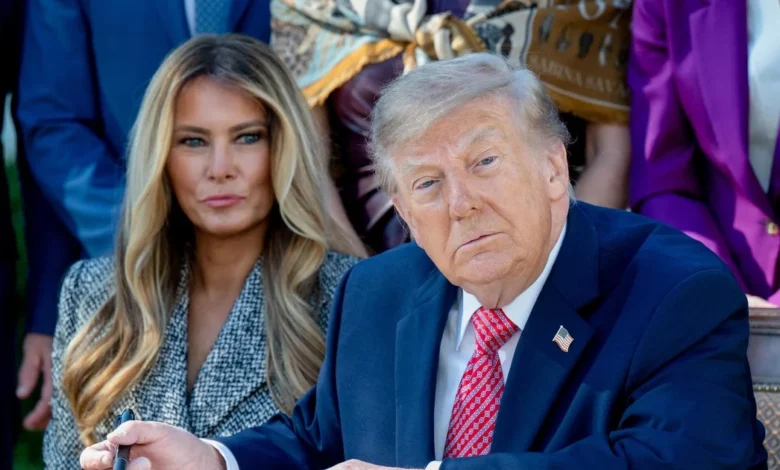
The arrival of the former president and the first lady at the Palm Beach County Supervisor of Elections building marked a significant moment in the current midterm election cycle, as the couple participated in the opening day of Florida’s early in-person voting period. The voting window, which commenced on Saturday, October 24, 2026, will remain open to Florida residents through October 31, providing a crucial opportunity for voters to cast their ballots before the official Election Day.
A Departure from Recent Precedents
The decision by the Trumps to vote in person stands in contrast to the former president’s recent voting history. In several prior election cycles, Mr. Trump utilized mail-in ballots to cast his vote in Florida. This choice has historically drawn public attention, given the former president’s vocal and frequent criticism of widespread mail-in voting systems, which he has often characterized as vulnerable to fraud and mismanagement.
While Mr. Trump stated earlier in the week that he generally prefers the tradition of voting on Election Day, his current travel schedule—dominated by a rigorous series of campaign rallies across the country—necessitated an earlier visit to the polls. By casting his ballot on the first day of early voting, the former president ensured his participation in the democratic process despite a calendar that has seen him traversing the country to bolster Republican candidates.
Campaign Momentum and Strategic Focus
Following his stop at the polling location, Mr. Trump departed for Georgia, where he was scheduled to headline a rally in Perry. This event was organized to provide high-profile support for Republican congressional candidates Mike Collins and Rick Jackson. The former president has been a fixture on the campaign trail throughout the week, maintaining a frenetic pace that underscores the high stakes of the 2026 midterm elections.
His recent itinerary reflects a broader strategy of focusing on key battleground states and districts. Prior to his visit to Georgia, Mr. Trump held rallies in South Carolina on Wednesday, Iowa on Thursday, and a localized appearance in Fort Myers, Florida, on Friday evening. These appearances serve as a litmus test for his influence within the Republican Party and his ability to mobilize the base ahead of the midterms.
In a message posted to his Truth Social platform ahead of the Georgia rally, Mr. Trump articulated his support for his endorsed candidates while simultaneously launching sharp critiques against their political opponents. "Their opponents are Radical Left Lowlifes and Lunatics who want to Take Away Your Guns, Open Your Borders, Allow Men To Play In Women’s Sports, and have Transgender nonsense for everyone," he wrote. He also referenced his previous electoral performance in Georgia, framing the upcoming contests as a continuation of his political legacy.
The Landscape of Early Voting in Florida
Florida’s early voting period is a critical component of the state’s electoral infrastructure. By providing a week-long window for citizens to vote in person, the state aims to reduce congestion at polling stations on Election Day and increase overall turnout. Election officials in Palm Beach County and across the state have prepared for high participation levels, encouraging voters to check their registration status and polling locations well in advance.
The midterm environment in 2026 is defined by a intense focus on inflation, border security, and social issues. As both parties vie for control of Congress, the strategic importance of early voting cannot be overstated. Both Republican and Democratic organizations have invested heavily in "get out the vote" (GOTV) operations, urging their supporters to cast ballots early to bank votes and focus resources on undecided voters in the final days of the campaign.
Analytical Context: The Evolution of Voting Methods
The shift in rhetoric and practice regarding mail-in voting remains a central theme of modern American political discourse. While many jurisdictions expanded mail-in access during the 2020 pandemic, the 2026 cycle has seen a move toward more localized, state-specific regulations. Florida, under current leadership, has implemented specific requirements for mail-in ballots, including stricter identification standards and limitations on ballot harvesting, which have been championed by state Republicans as necessary safeguards.
Analysts note that the former president’s decision to vote in person, despite his history of using mail-in ballots, is likely intended to project confidence in the in-person process and reinforce his messaging to the base. By appearing at the polls personally, Mr. Trump provides a visual endorsement of the voting method he has consistently championed as the most secure.
Looking Ahead to Election Day
As the midterm cycle approaches its conclusion, questions remain regarding the former president’s specific plans for Election Day. When pressed by reporters during the week, he did not provide details on his whereabouts or activities for the final day of voting. The uncertainty surrounding his schedule reflects the fluid nature of his campaign, which is often dictated by shifting polling data and the evolving needs of the candidates he supports.
The coming days will likely see an increase in activity from both major political parties as they enter the final stretch. With early voting underway, the focus will shift toward monitoring participation rates and evaluating the impact of these early ballots on the final tallies. In Florida, election supervisors are closely tracking the influx of voters at early sites, reporting steady traffic and efficient processing of ballots.
Implications for the Republican Platform
The rally in Georgia, and the broader campaign tour, highlight the central issues that the Republican Party hopes will drive voters to the polls. By emphasizing themes of border security, Second Amendment rights, and opposition to current social policies, the former president is working to frame the 2026 midterms as a referendum on the current administration’s performance.
The support for candidates like Mike Collins and Rick Jackson is part of a larger, coordinated effort to flip seats and secure a legislative majority. Should these candidates succeed, it would likely signal a significant shift in the balance of power, granting Republicans the authority to challenge the executive branch’s agenda more aggressively.
Conclusion
The casting of ballots by President and Mrs. Trump in Palm Beach County is a symbolic and practical reinforcement of the importance of the 2026 midterm elections. As the nation prepares for the final days of the campaign, the focus remains on the mobilization of the electorate and the strategic deployment of political resources. Whether through early voting or on the final day in November, the outcome of these races will undoubtedly shape the trajectory of American governance for the remainder of the decade. As the campaign trail continues to wind through Georgia and beyond, the rhetoric, the strategies, and the engagement of the voters will determine the legislative landscape that will define the political future of the United States.
Related posts: