Oregon Hospitals Face Financial Pressures and Medical Debt Overhaul Following Pioneering Presumptive Eligibility Law

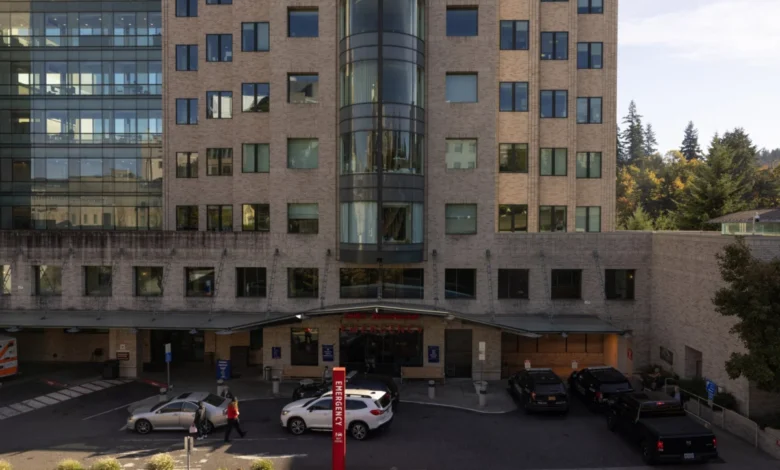
Four years ago, the healthcare landscape in Oregon was defined by a contentious standoff between state authorities, patient advocacy groups, and the hospital industry. Critics fiercely argued that nonprofit medical institutions had erected deliberately complex, burdensome administrative barriers, making it exceedingly difficult for vulnerable patients to successfully apply for and receive financial assistance to pay off staggering medical bills. At a time when millions of Americans nationwide were grappling with mounting healthcare debt, Oregon’s safety-net institutions were under immense scrutiny regarding whether their charitable output truly justified the millions of dollars they saved annually through lucrative federal, state, and local tax exemptions.
The ensuing public outcry prompted swift and dramatic legislative intervention. Within months of the initial investigations, Oregon lawmakers enacted a sweeping, first-of-its-kind law that fundamentally upended traditional medical billing and charity care practices across the state. Taking full effect in July 2024, the groundbreaking regulations required hospitals to abandon the traditional application model for nearly all patients. Instead, institutions were legally mandated to proactively screen patients on the backend and automatically grant financial aid to anyone who met the statutory income thresholds—a rare and radical policy shift within the American healthcare ecosystem.
The policy was designed to replace anxiety with immediate reassurance at a time when patients are most vulnerable. Proponents argued that instead of forcing sick or injured individuals to navigate confusing financial paperwork while recovering from medical emergencies, hospitals should shoulder the administrative burden. Early empirical evidence demonstrated that the law worked precisely as intended, triggering a massive surge in the distribution of financial relief, but it also ignited a complex economic debate over hospital sustainability, rising uninsured rates, and the true cost of safety-net care.
The Genesis of Presumptive Eligibility: A Chronology of Reform
The transformation of Oregon’s hospital charity care policy unfolded through a deliberate, highly scrutinized sequence of legislative milestones and regulatory adjustments:
- 2022: Patient advocacy groups and state authorities escalated pressure on Oregon hospitals, publishing critical reports detailing how opaque and complex financial assistance policies systematically failed low-income patients with the greatest need.
- Early 2023: Recognizing systemic failures in how nonprofit hospitals fulfilled their community benefit requirements, Democratic state Sen. Lisa Reynolds introduced a comprehensive legislative package aimed at enforcing accountability.
- Mid-2023 to Early 2024: The Oregon Legislature passed House Bill 3320, establishing mandatory presumptive eligibility rules. Hospitals spent months preparing their administrative systems, electronic health records, and data-screening software ahead of the official enforcement date.
- July 2024: The new state rules officially took effect, requiring hospitals to bypass formal charity care applications for uninsured patients, Medicaid beneficiaries, and individuals meeting specific financial criteria, providing immediate up-front relief.
- January 2025: Initial financial disclosures and public hospital board meetings revealed unprecedented spikes in charity care spending. For example, Oregon Health & Science University (OHSU) reported that 64% of its patients automatically qualified for financial assistance in the early months of the law, a dramatic increase from just 12% previously.
- April 2026: Responding to intense lobbying from hospital administrators regarding software inaccuracies, higher-income screening errors, and mounting operational stress, the Oregon Legislature enacted House Bill 4040. This follow-up measure raised the automatic monetary screening threshold for a single visit from $500 to $1,500, offering hospitals modest financial relief while preserving the core mandate.
Immediate Financial Impact and Relief for Insured Patients
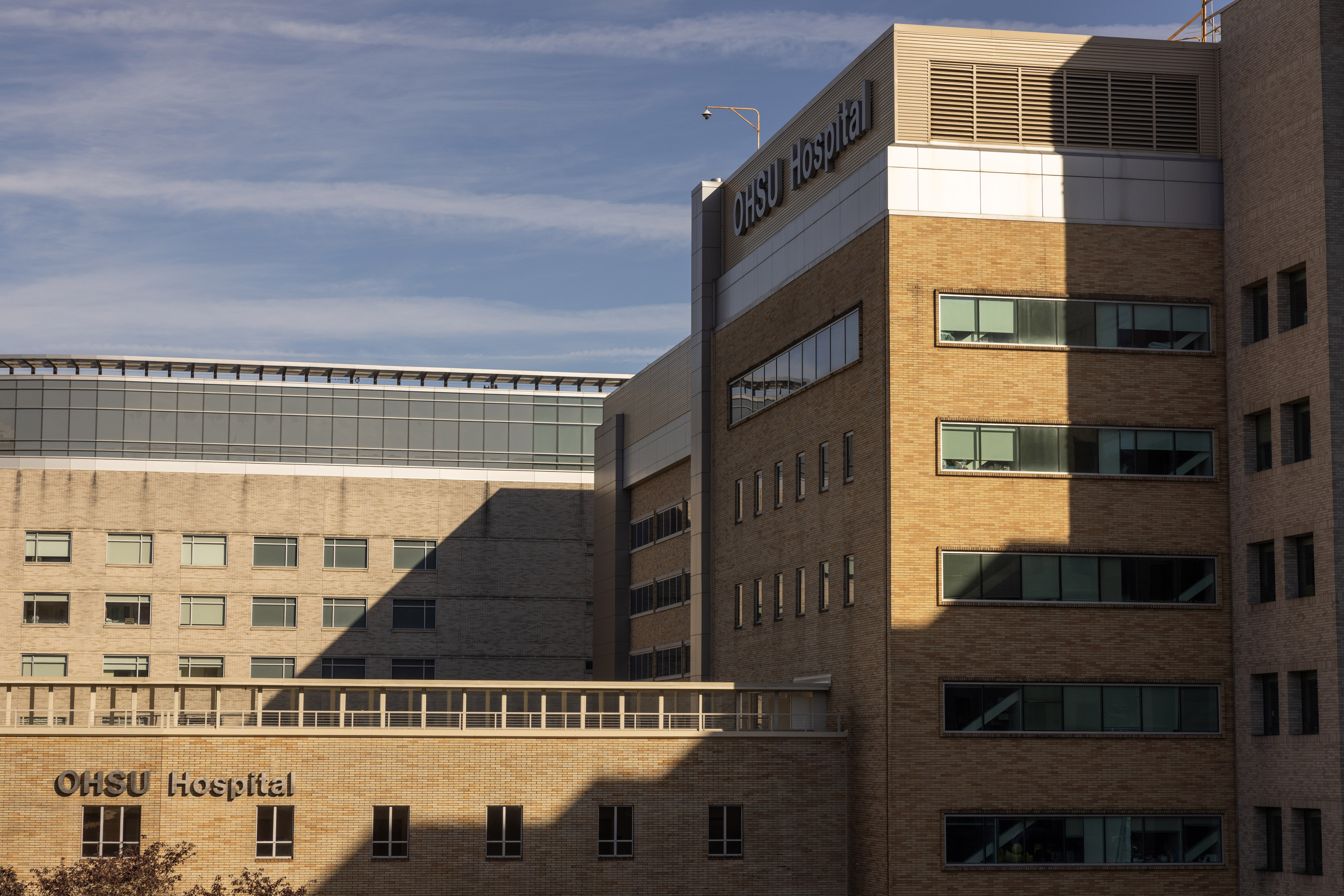
The economic impact of Oregon’s presumptive eligibility law was immediate and profound. According to federal financial reports compiled from approximately two-thirds of the state’s hospitals during their first full fiscal year under the new rules, total spending on financial assistance more than doubled on average compared with the last full year before the policy change. Overall, Oregon hospitals’ spending on free and discounted care surged from 1.4% of all operating expenses to an average of 2.7%. This increase brought the state’s institutions slightly above the national average for nonprofit hospitals, which hovered around 2.4% between 2021 and 2024, according to data from Johns Hopkins University researcher Hossein Zare.
For individual patients, the shift eliminated countless hours of financial distress. Medical debt is widely recognized as a pervasive driver of psychological and financial ruin in the United States, forcing millions of adults to skip vital prescription medications, delay necessary follow-up care, and drain their personal savings. By shifting the burden of proof from the patient to the hospital, Oregon’s policy provided direct relief to families who otherwise would have faced impossible choices between paying monthly mortgages and settling accumulated medical bills.
Crucially, the law extended significant financial help to a demographic frequently overlooked by traditional charity care programs: patients with private health insurance. OHSU’s financial data revealed that spending on assistance for insured patients reached approximately $39 million during the first year of the law—roughly five times the amount spent in previous years.
Prior to the legislative change, insured patients frequently assumed they were ineligible for charity care because they possessed health coverage. Consequently, they absorbed high out-of-pocket costs, steep copayments, and massive annual deductibles that had to be met before insurance benefits engaged. Under the automatic screening protocols, hospitals routinely wiped out or substantially reduced these lingering balances. Economists and public health experts note this correction is vital, given that national surveys—such as a 2025 study by the Commonwealth Fund—indicate that roughly one in three adults with private insurance carries medical debt, directly undermining the fundamental purpose of health coverage.
A Shifting Landscape: Hospital Pushback and Legislative Adjustments
Despite the undeniable benefits delivered to patients, the state’s hospital leadership argued that the sweeping mandates placed an unsustainable financial strain on institutions already navigating a turbulent economic climate. Executive leadership at OHSU reported that the institution spent approximately $64 million on free and discounted care in the first year alone—representing roughly 1% of its total operating expenditures. While former OHSU chief financial officer Lawrence Furnstahl publicly acknowledged during a January 2025 meeting that the funds directly aided patients, he emphasized the fiscal reality: “It is a good thing, but it is an expensive thing.”
Compounding these operational pressures, external macroeconomic and political factors began to weigh heavily on Oregon’s healthcare safety net. Hospital executives and industry representatives pointed to the broader national policy environment, including changes stemming from federal domestic policy decisions and congressional budgetary adjustments. Analysts project that millions of Americans will lose health coverage in the coming years due to structural modifications to Medicaid and the expiration of enhanced federal subsidies for health insurance marketplaces.

The Hospital Association of Oregon projected that the state’s uninsured rate would climb to 10% or higher, a sharp increase from the roughly 3% baseline recorded before the screening laws were implemented. Sean Kolmer, an executive vice president for the association, noted that hospitals were operating in “a very different world” marked by shrinking federal safety-net support and rising uncompensated care costs.
These mounting financial pressures ultimately forced state lawmakers to reevaluate the statute’s parameters. Hospital administrators reported that automated screening tools struggled to accurately verify income brackets for middle- and upper-income patients, inadvertently granting financial aid to individuals who did not genuinely qualify under hardship guidelines.
To address these implementation hurdles, the Oregon Legislature passed House Bill 4040 in April 2026, raising the automatic screening threshold for single medical visits from $500 to $1,500. While lawmakers like State Representative Rob Nosse—chair of the Oregon House healthcare committee—expressed deep reluctance to alter a policy designed to protect consumers, they acknowledged the existential threat facing rural and suburban community hospitals. Nosse emphasized the delicate legislative balancing act required to keep regional healthcare facilities solvent while ensuring that low-income consumers retain avenues to request relief for smaller medical bills.
National Implications and the Rise of Presumptive Eligibility
Oregon’s bold regulatory experiment serves as the premier test case for a rapidly growing national movement centered on presumptive eligibility. For decades, nonprofit hospitals have enjoyed billions of dollars in federal, state, and local tax exemptions—including relief from property, sales, and income taxes—under the vague federal mandate that they provide adequate "community benefits" through charity care. Yet, numerous investigations have revealed stark disparities in how hospitals deliver these benefits, with many institutions utilizing complex application processes to suppress charity care spending while aggressively pursuing collections against vulnerable patients.
As federal scrutiny intensifies, other states are moving to replicate Oregon’s aggressive accountability model. North Carolina expanded its mandatory hospital screening requirements to encompass patients with incomes up to 300% of the federal poverty line. Meanwhile, legislative bodies in California and Delaware have enacted statutes requiring hospitals to automatically grant financial assistance by July 2027.
Public health analysts suggest that the widespread adoption of presumptive eligibility could fundamentally reshape the American healthcare debt crisis. By removing the administrative hurdles that historically kept billions of dollars in charity care locked away, states are forcing nonprofit hospitals to honor the original social contract attached to their tax-exempt status. While battles over financial thresholds, software accuracy, and institutional overhead will undoubtedly persist, Oregon’s experience demonstrates that proactive screening is an exceptionally powerful tool for keeping patients out of medical debt—proving that when it comes to healthcare emergencies, institutional support can be delivered before financial ruin sets in.
Related posts: