The Hidden Cost of Houseplants: Workers and Activists Demand Extreme Heat Protections at Costa Farms Nurseries


On a sweltering Tuesday following Labor Day, a coalition of labor rights advocates marched past the security gates of a sprawling plant nursery in Leicester, North Carolina, just outside Asheville. Inside the perimeter, the afternoon sun beat down relentlessly on rows of steamy greenhouses, where agricultural laborers moved through dense aisles of potted houseplants destined for commercial sale. The demonstrators—comprising local community members, faith leaders, and labor organizers—were on a mission to deliver a pointed petition to management at Costa Farms, recognized globally as the largest grower and distributor of indoor houseplants.
The action in North Carolina was not an isolated event. It formed part of a coordinated, multi-state day of mobilization organized by WeCount, a prominent worker-led labor and human rights organization. The campaign, branded as Planting Justice, simultaneously targeted nurseries operated by Costa Farms across five states in an effort to bring corporate supply chains to account for the mounting human toll of agricultural labor under accelerating climate change.
The Escalating Crisis of Occupational Heat Exposure
The multi-state protests underscore a deepening nationwide crisis regarding occupational safety for outdoor and agricultural workers. As global temperatures climb to record highs year after year, driven primarily by human-caused climate change, the hazards faced by those who cultivate food and ornamental plants have grown exponentially.
According to public health data, extreme heat remains the deadliest form of severe weather in the United States, outpacing the combined fatalities of hurricanes, floods, and tornadoes. However, labor advocates and public health researchers emphasize that official federal counts of heat-related mortality drastically underreport the true magnitude of the danger. A comprehensive two-year investigation conducted by NPR and Boston University revealed systemic flaws in how heat deaths are cataloged, masking a lethal occupational health crisis.
Agricultural workers bear the heaviest burden of this reality. Government and academic research indicates that agricultural workers—a category that encompasses plant nursery staff who directly handle flora and maintain greenhouse environments—are more than 35 times more likely to die from heat-related illnesses than workers in almost any other industrial sector. Despite these sobering statistics, agricultural employees remain explicitly excluded from federal collective bargaining protections under the historic National Labor Relations Act, leaving them structurally vulnerable to exploitation and unsafe working conditions.
Legislative Roadblocks and the Fight for Workplace Standards
For years, labor advocacy groups, community organizations, and public health officials have lobbied for the implementation of a comprehensive federal heat standard. Such a regulatory framework, overseen by the Occupational Safety and Health Administration (OSHA), would establish enforceable, nationwide guidelines compelling employers across various industries to mitigate heat illness risks through mandatory hydration, shade, and rest breaks.
While the Biden administration initially signaled progress toward enacting the nation’s first federal heat rule, those regulatory efforts have since stalled amid intense political friction and pushback from business lobbies. At the state level, pathways for protection have faced similar, if not more severe, legislative roadblocks.

The limitations of state-level advocacy were starkly demonstrated in Florida, where WeCount is headquartered. Prior to 2024, WeCount spearheaded a vigorous campaign for a municipal heat standard in Miami-Dade County, where localized heat-island effects and extreme temperatures threaten vulnerable workforces, with heat-related deaths projected to spike dramatically during peak summer months. However, those municipal efforts were abruptly dismantled when business trade groups successfully lobbied state lawmakers. Governor Ron DeSantis signed legislation explicitly preempting local governments from enacting their own municipal heat standards, arguing that localized workplace regulations would create administrative and economic burdens.
Faced with stalled federal rulemaking and hostile state-level preemption laws, worker-led organizations have been forced to pivot away from traditional legislative lobbying toward direct corporate accountability models.
Worker-Driven Social Responsibility and the Fair Food Blueprint
To achieve meaningful and enforceable labor reforms, the Planting Justice campaign draws heavy inspiration from the worker-driven social responsibility (WSR) model. Specifically, organizers look to the Fair Food Program—pioneered in 2015 by the Coalition of Immokalee Workers in Florida—which is widely regarded as the gold standard for agricultural labor protections in the United States.
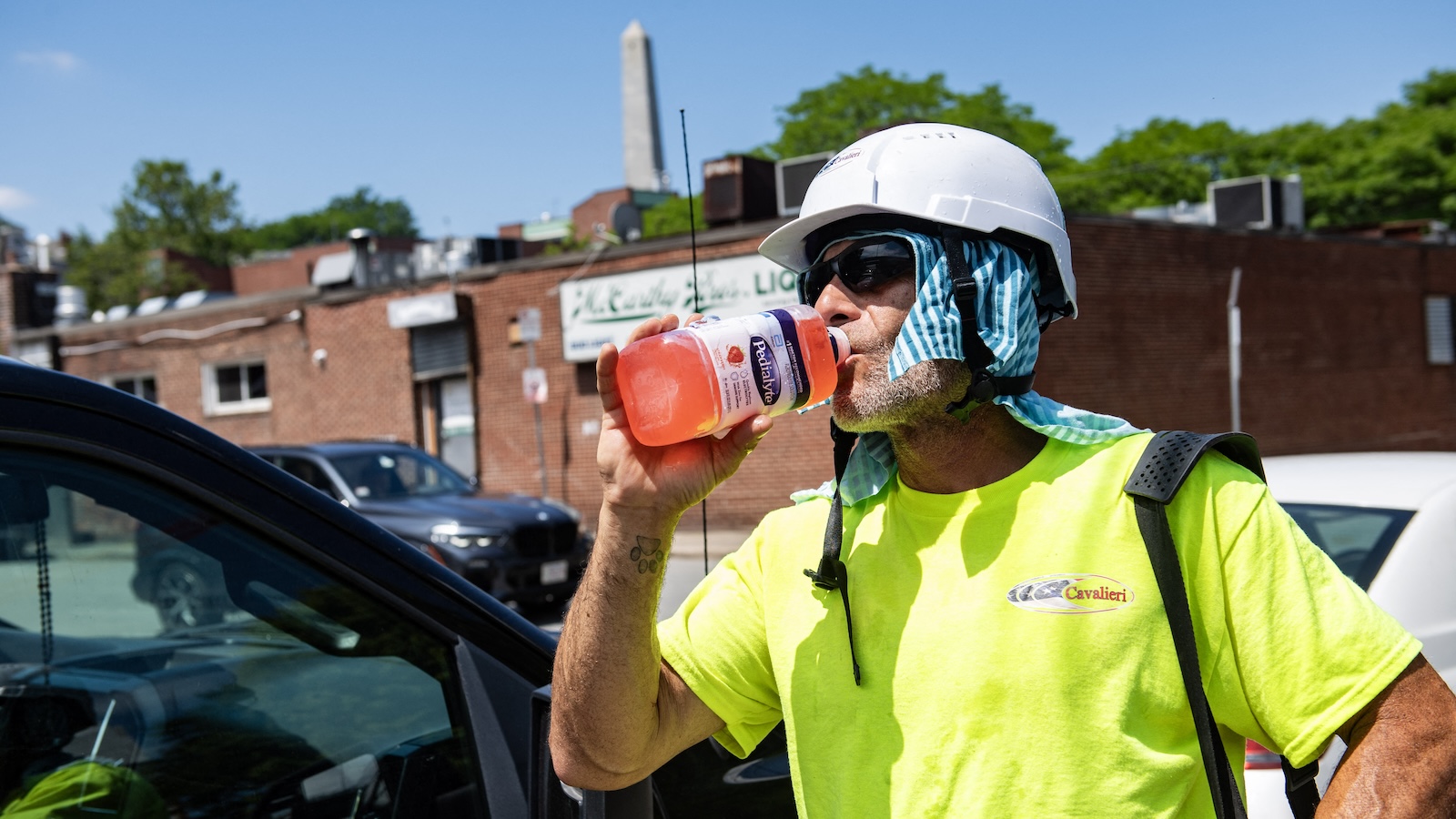
The Fair Food Program operates not through government mandates, but through legally binding market-enforced agreements between farmworkers, growers, and major retail purchasers. By leveraging the purchasing power of multi-billion-dollar corporate buyers, the framework ensures continuous monitoring, worker education, and strict compliance mechanisms. For instance, while drinking water access is a foundational pillar of the program, persistent worker feedback recently compelled the expansion of the code to mandate year-round access to electrolyte beverages and nutritional supplements.
Oscar Londoño, co-executive director of WeCount, noted the necessity of shifting tactics as traditional legislative avenues narrow. "We know that every year this crisis is getting worse," Londoño stated during the day of action, reflecting on the escalating climate realities. "But increasingly, legislative avenues are more and more limited. That is why worker-driven social responsibility is essential."
Voices from the Greenhouse: Demands vs. Corporate Realities
The core objective of the Planting Justice campaign is to compel Costa Farms to sign a binding code of conduct authored by its workforce. The demands outlined in the proposed agreement are straightforward: comprehensive education for both workers and supervisors regarding the early physiological signs of heat exhaustion and heat stroke; guaranteed access to cool drinking water, adequate shade structures, and periodic paid rest breaks; and transparent, accessible mechanisms for reporting and mitigating workplace heat stress.
Organizers argue that these measures are urgently needed to bridge the gap between corporate policies on paper and daily conditions on the ground. While corporate sustainability and human resources reports often outline comprehensive safety protocols, workers frequently report stark discrepancies. Londoño highlighted recurring grievances from nursery staff, such as hydration stations stocked with water possessing strong chemical odors or water coolers contaminated with mold during peak operational periods.
Alejandro Gonzales, a Costa Farms nursery worker originally from Guatemala who spoke at a mobilization event in Florida, painted a grim picture of daily life inside the greenhouses. Testifying in Spanish, Gonzales described summer temperatures soaring past 110 degrees Fahrenheit inside enclosed structures. "They don’t give us cold or clean water," Gonzales asserted. "They don’t provide any breaks or shade."
These testimonials are corroborated by empirical research conducted by WeCount. A comprehensive survey of Costa Farms employees revealed that 86 percent of respondents experienced dangerous incidents on the job, encompassing severe heat illness, acute pesticide exposure, and physical workplace accidents. Furthermore, over two-thirds of surveyed workers reported being systematically denied standard rest breaks and designated days off.
Compounding these hazards is the precarious legal status of many greenhouse laborers. A significant portion of the houseplant workforce relies upon H-2A temporary agricultural worker visas or remains undocumented. This structural dependence leaves employees tethered to their employers for housing and legal standing, making them profoundly hesitant to report labor violations or health hazards for fear of retaliation, termination, or deportation.
Corporate Response and Defense of Existing Protocols
In official statements responding to the protests and the release of the WeCount survey, Costa Farms vigorously defended its operational record, pointing to numerous accolades and awards recognizing its workplace safety standards.
Ariana Cabrera de Oña, senior vice president, general counsel, and head of human resources at Costa Farms, emphasized the company’s proactive health infrastructure. "We have a full-time, on-site nurse with a functional medical clinic, and our robust heat protection policy is aligned with the proposed OSHA heat safety rules," Cabrera de Oña stated.
The company noted that in the wake of severe regional disruptions caused by Hurricane Helene in North Carolina, management instituted mandatory daily five-minute safety briefings. During these sessions, workers and supervisors review potential occupational hazards, including daily extreme weather forecasts. Additionally, Costa Farms maintains that when specific wet-bulb temperature thresholds are reached, operational adjustments are triggered automatically, including increased break frequencies and the deployment of additional hydration stations across the facilities.
Broader Implications and Next Steps for the Retail Supply Chain
As the Leicester demonstration concluded, representatives from Costa Farms management asked Oscar Rozo, an Episcopal clergy member working with Spanish-speaking immigrants in Western North Carolina, and his fellow activists to vacate the premises. The activists complied, having successfully delivered the petition into corporate hands.
However, labor advocates emphasize that the Leicester demonstration was merely the opening salvo in a sustained national campaign. Beyond pressuring growers directly, WeCount is expanding its strategy upstream to target massive corporate retailers—such as The Home Depot and IKEA—that source their inventory from Costa Farms and similar mega-nurseries. Activists are calling on these retail giants to implement supply chain transparency and commit to purchasing floral and plant products exclusively from agricultural suppliers that formally adopt the worker-backed code of conduct.
The outcome of the Planting Justice campaign could establish a critical precedent for the agricultural and horticultural industries nationwide. As global temperatures continue to rise and federal regulatory protections remain deadlocked, the push for worker-driven social responsibility highlights an emerging paradigm where consumers, retailers, and laborers directly negotiate the human cost embedded within everyday consumer goods.