
Israel Gaza War Death Toll
Israel Gaza War Death Toll: A Comprehensive Analysis
The ongoing conflict between Israel and Hamas, with its epicentre in the Gaza Strip, has resulted in a devastating and ever-increasing death toll. Quantifying these casualties is a complex and often contested endeavor, fraught with challenges related to data collection, verification, and differing methodologies employed by various sources. This article aims to provide a comprehensive overview of the reported death tolls, exploring the scale of the human tragedy, the demographic breakdown of casualties, and the factors influencing these numbers. Understanding the death toll is crucial for grasping the profound human cost of the conflict, informing international discourse, and advocating for peace and accountability.
The current escalation, which began with Hamas’s October 7th attacks on Israel and Israel’s subsequent military response in Gaza, has seen a dramatic surge in fatalities on both sides. However, the sheer magnitude of casualties within the densely populated Gaza Strip has drawn particular international attention and condemnation. Gaza, a small territory with over two million inhabitants, has been subjected to extensive Israeli bombardment and a ground offensive, leading to widespread destruction and a catastrophic loss of life. Reports from the Palestinian Ministry of Health in Gaza, often cited by international organizations and media, consistently indicate figures that far surpass those reported by Israeli authorities. These figures generally encompass individuals killed in Israeli airstrikes, shelling, and ground operations, as well as those who have died from injuries sustained during the conflict, lack of medical care, and the collapse of essential infrastructure.
On the Israeli side, the initial Hamas attacks on October 7th resulted in a significant number of fatalities, primarily civilians, including women, children, and the elderly. These attacks, which targeted communities near the Gaza border, kibbutzim, and a music festival, were characterized by extreme violence. Israeli government figures, released shortly after the attacks and updated periodically, provide the official count of those killed within Israel during that initial offensive. This figure includes both civilians and members of the security forces. Subsequent exchanges of fire, rocket attacks from Gaza into Israel, and localized clashes have contributed to a smaller, though still significant, number of Israeli casualties throughout the broader conflict.
The disparity in reported death tolls between Gaza and Israel is a stark reflection of the asymmetrical nature of the conflict and the devastating impact of the Israeli military campaign within the confined space of Gaza. While Israeli authorities have emphasized their efforts to target Hamas combatants and infrastructure, the scale of destruction and civilian deaths in Gaza has led to accusations of disproportionate force and violations of international humanitarian law. The Palestinian Ministry of Health’s reported figures often include a high percentage of women and children, underscoring the severe impact on the civilian population. The challenges of accurately documenting and verifying deaths in a war zone like Gaza are immense, with ongoing hostilities, damage to communication networks, and the overwhelmed capacity of medical facilities posing significant obstacles.
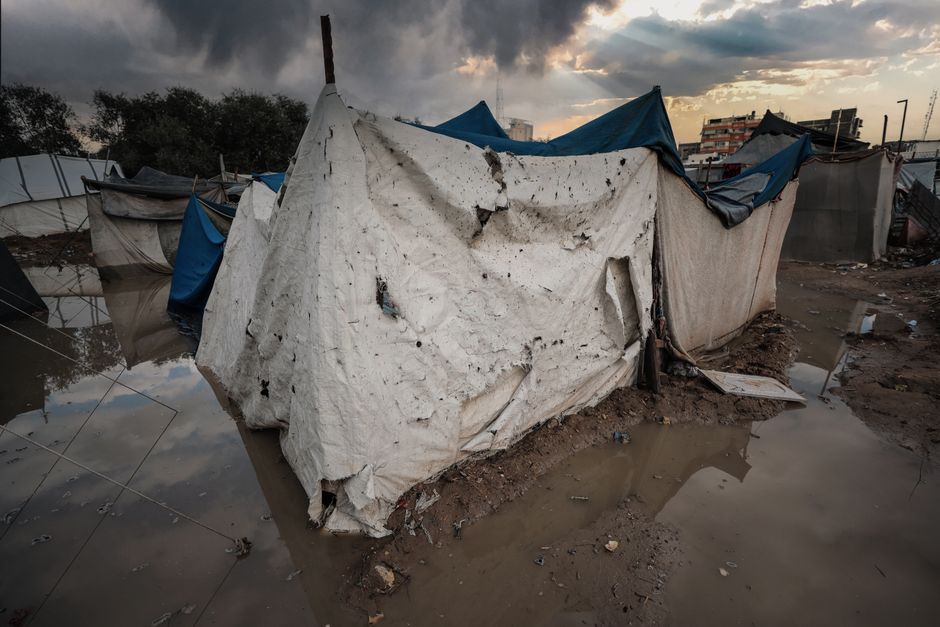
Factors contributing to the high death toll in Gaza are multifaceted. The sheer density of the population means that even targeted strikes can result in a large number of civilian casualties. The destruction of residential buildings, schools, hospitals, and other civilian infrastructure has displaced hundreds of thousands of people, forcing them into overcrowded and precarious conditions, increasing their vulnerability to further attacks and disease. The blockade imposed on Gaza for many years prior to the current escalation has also severely degraded its healthcare system and economic capacity, making it less resilient to the shocks of war. The lack of essential resources such as clean water, food, and medicine exacerbates the humanitarian crisis and contributes to indirect deaths from starvation, dehydration, and preventable diseases. Furthermore, the ongoing Israeli ground operations and intense aerial bombardment continue to inflict casualties on a daily basis.
Conversely, the factors contributing to the Israeli death toll, while significant in absolute terms, are largely concentrated around the initial October 7th attacks. Subsequent rocket attacks from Gaza have inflicted casualties, but Israeli air defenses have intercepted a substantial percentage of these. The conflict has also seen Israeli soldiers killed in combat operations within Gaza and along the Gaza border. The emphasis in Israeli reporting often lies on identifying and quantifying the number of Hamas fighters killed, alongside civilian casualties.
The reporting of death tolls itself has become a point of contention. Hamas, the de facto governing authority in Gaza, and the Palestinian Ministry of Health provide figures that are widely disseminated. However, Israel has, at times, questioned the accuracy and attribution of these figures, suggesting that some casualties might be misattributed or inflated. Conversely, international bodies and human rights organizations often rely on these figures, while also seeking independent verification where possible. The difficulty in independently verifying every single casualty in a conflict zone with such extensive destruction and displacement is undeniable. The sheer volume of destruction makes it challenging for forensic teams to identify all remains, and the constant movement of people due to displacement further complicates the tracking of individuals.
Demographically, the death toll in Gaza reveals a disproportionate impact on women and children. This is a recurring pattern in many conflicts where civilian infrastructure and residential areas are targeted or damaged. The vulnerability of these groups, coupled with the breakdown of essential services, amplifies their risk. The psychological toll on the survivors, particularly children who have witnessed unimaginable horrors, is another tragic dimension of this conflict, though not directly reflected in the death toll statistics.
The international community’s response to the escalating death toll has been varied. Many nations and international organizations have called for a ceasefire, humanitarian aid, and adherence to international law. However, geopolitical considerations, historical grievances, and differing perspectives on the conflict have led to divisions in the international response, impacting the effectiveness of efforts to mitigate the loss of life. The ongoing debates within the United Nations and other international forums highlight the deep disagreements surrounding the conflict and its human cost.
The question of accountability for the deaths is also a significant and complex issue. International legal frameworks exist to prosecute war crimes and crimes against humanity. Investigations into alleged violations by all parties to the conflict are ongoing or called for by various international bodies. The accurate documentation of casualties is a crucial element in any future legal proceedings or efforts towards transitional justice. Without a comprehensive and verified understanding of who has died, and under what circumstances, it becomes incredibly difficult to establish responsibility and ensure that justice is served.
The long-term implications of the current death toll are profound and far-reaching. Beyond the immediate grief and loss experienced by families, the decimation of a generation, the destruction of infrastructure, and the exacerbation of social and economic disparities will have lasting consequences for the region. The cycle of violence, fueled by loss and unresolved grievances, is likely to persist unless fundamental political solutions are pursued. The sheer human cost, as measured by the death toll, serves as a stark and urgent reminder of the imperative for a just and lasting peace.
In conclusion, the death toll in the Israel-Gaza war represents an unfolding humanitarian catastrophe. While precise figures are subject to ongoing collection and verification, the scale of fatalities, particularly within Gaza, is devastating. The impact on civilian populations, especially women and children, is undeniable. Understanding the complexities of data collection, the contributing factors to casualties, and the demographic breakdown of these tragic losses is essential for comprehending the true cost of this conflict and for galvanizing efforts towards peace, accountability, and the protection of civilian lives. The ongoing nature of the conflict means that these figures will continue to rise, underscoring the urgent need for de-escalation and a resolution to the underlying issues that perpetuate this cycle of violence.
