The Evolution of Domestic Pet Naming Trends and the Rise of Anthropomorphic Identity in Modern Households

The practice of naming domestic animals has evolved from a functional necessity into a sophisticated form of self-expression and cultural commentary, reflecting broader shifts in the relationship between humans and their animal companions. Historically, pet names were predominantly descriptive or utilitarian, with names like "Spot," "Rover," or "Fido" serving as the standard for generations. However, recent sociological data and anecdotal evidence from community forums suggest a significant departure from these traditional conventions. Owners are increasingly opting for names that subvert expectations—ranging from mundane human names to abstract concepts and food items—thereby signaling a deeper integration of pets into the family unit and a sophisticated use of humor in domestic life.
The Shift Toward Anthropomorphic Naming Conventions
One of the most prominent trends in modern pet ownership is the "humanization" of animal names. According to annual reports from pet care platforms such as Rover and the American Kennel Club (AKC), names that were once reserved exclusively for humans, such as Oliver, Bella, and Luna, have dominated the top of the charts for the last decade. This trend has recently expanded to include more "buttoned-up" or traditional human names that create a sense of irony when applied to animals.
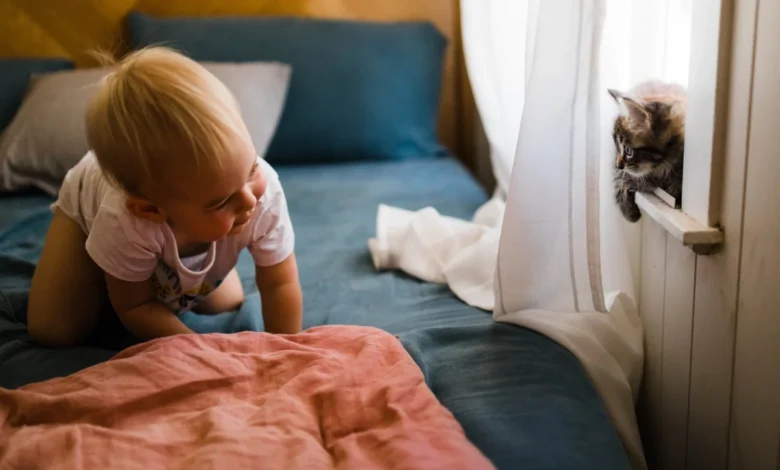
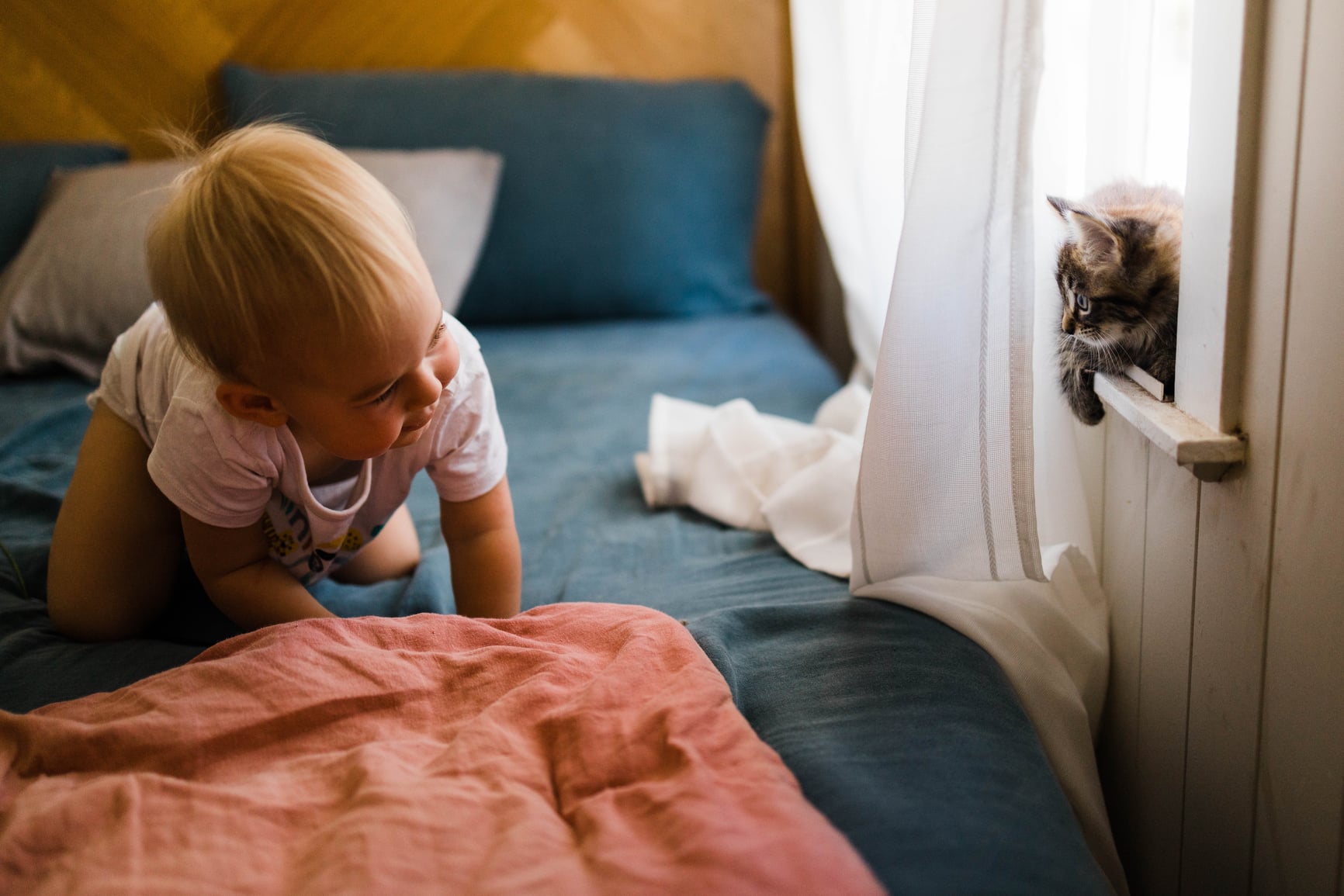
The recent case of a cat named Hilary, documented in community discourse, exemplifies this trend. By assigning a name with strong professional or historical connotations to a feline, owners engage in a form of anthropomorphism that blurs the line between the animal and human spheres. Linguists suggest that this choice often reflects the owner’s view of the pet as a distinct personality with individual agency, rather than a mere subordinate or working animal. This shift correlates with the rise of the "pet parent" identity, where domestic animals are afforded the same emotional and social status as children within the household.
The Role of Incongruity and Humor in Pet Nomenclature
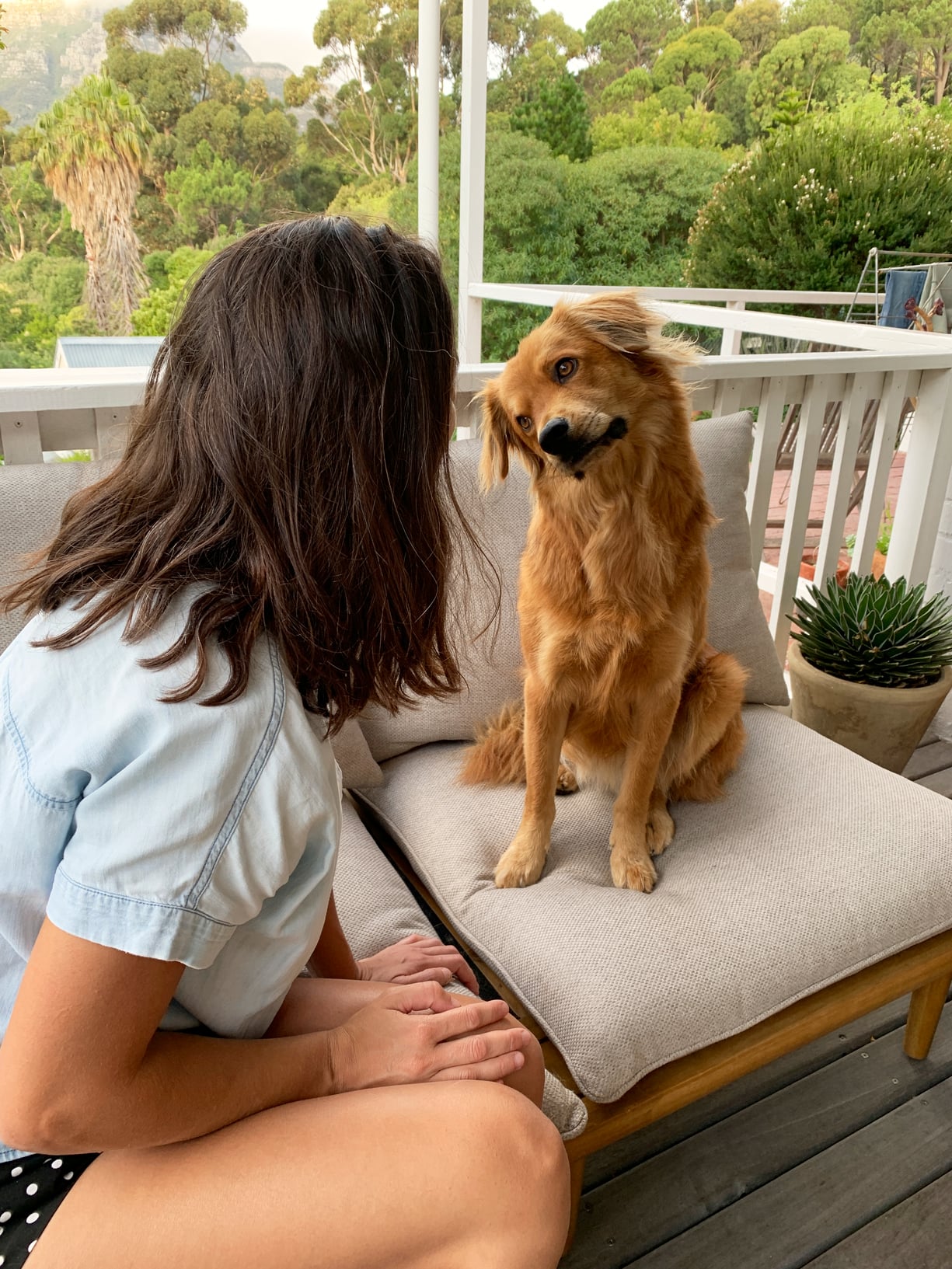
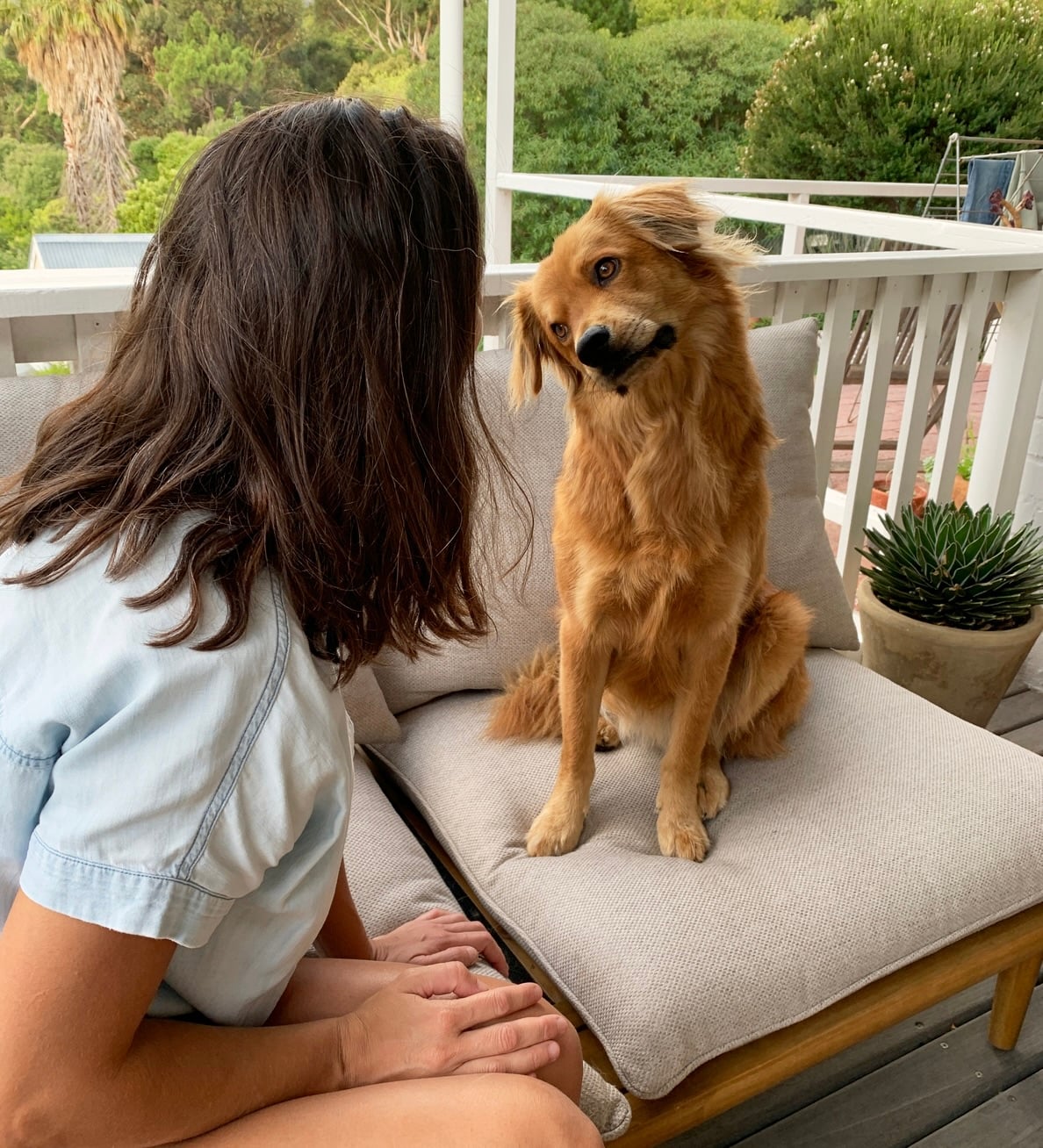
Beyond human names, a secondary and more avant-garde trend involves naming pets based on abstract qualities or ironic descriptors. A notable example is the case of "Normal," a wiry, anxious, and prone-to-biting dog. The humor derived from such a name is rooted in the "Incongruity Theory" of humor, which suggests that laughter is a reaction to the realization of a mismatch between a concept and a real-world object.
When an animal exhibits behaviors that are decidedly erratic or "abnormal," assigning it the name "Normal" creates a constant linguistic irony. This serves as a social lubricant, allowing owners to acknowledge and mitigate the stress of their pet’s behavioral challenges through comedy. Similar instances include naming a slow turtle "Turbo" or a massive Great Dane "Tiny." This practice demonstrates a high level of intentionality in the naming process, where the name serves as a narrative tool for the owner to frame the pet’s personality for the public.
Food-Based Naming and the Influence of Public Figures
The influence of media and public figures also plays a critical role in the dissemination of unique naming trends. For example, James Hamblin, a prominent medical journalist and former writer for The Atlantic, has contributed to the popularity of food-based names with his black Labrador, Raisin. Food-based names—such as Mochi, Olive, Biscuit, and Raisin—occupy a specific niche in pet nomenclature that emphasizes "cuteness" and "approachability."
Data from the 2023 Pet Names Report indicates that food-themed names saw a 12% increase in popularity year-over-year. These names often reflect the owner’s personal tastes or the physical characteristics of the animal (e.g., a dark-furred dog named Raisin). Furthermore, the endorsement of such names by writers, influencers, and intellectuals gives these choices a certain cultural "cool," encouraging others to move away from generic labels in favor of more specific, evocative descriptors.
Chronology of Naming Trends: From Function to Fashion
The timeline of pet naming reflects the changing status of animals in Western society. A brief chronology reveals the following stages:
- Pre-19th Century (Functionalism): Names were largely absent for most domestic animals, or they were based strictly on function (e.g., "Hunter," "Guard").
- Late 19th to Mid-20th Century (Standardization): The rise of the middle class and the concept of the "household pet" led to a set of standardized names like "Lassie" or "Rex," often influenced by early cinema and radio.
- 1990s to 2010s (The Human Wave): A surge in "baby names" for pets began, coinciding with declining birth rates in several developed nations and the rise of pets as "starter children."
- 2020 to Present (The Absurdist Era): Following the global pandemic, there has been a notable shift toward high-concept, ironic, and highly specific names. During the lockdowns of 2020, pet adoption rates soared, and owners, spending more time than ever with their animals, began to choose names that reflected the unique, often eccentric, bonds formed during isolation.
Statistical Analysis and Demographic Preferences
Recent surveys of over 500,000 pet owners provide a quantitative look at these naming patterns. While the top 10 list remains relatively stable with names like Max and Charlie, the "long tail" of the data—where unique names reside—is growing faster than the "head."
| Category | Popularity Increase (2020–2024) | Example Names |
|---|---|---|
| "Old Person" Names | 22% | Walter, Gertrude, Arthur, Hilary |
| Food & Beverage | 15% | Chardonnay, Tofu, Raisin, Bagel |
| Abstract Concepts | 8% | Normal, Chaos, Echo, Karma |
| Pop Culture Icons | 18% | Succession, Barbie, Grogu |
This data suggests that while traditionalists still exist, the modern pet owner is increasingly looking to distinguish their animal through a name that tells a story or sparks a conversation.
Broader Implications for the Pet Care Industry
The diversification of pet names has significant implications for the multi-billion dollar pet care industry. Personalization has become a cornerstone of the market, with companies specializing in custom-engraved tags, embroidered collars, and personalized pet food formulations. When owners choose names like "Normal" or "Hilary," they are more likely to invest in customized products that reflect that specific identity.

Market analysts observe that owners who give their pets human or unique names tend to spend more on high-end veterinary care, premium organic food, and "pet tech" (such as GPS trackers and automated feeders). The name is a primary indicator of the "humanization" of the pet, which correlates directly with the owner’s willingness to spend on luxury services. If a pet is named like a family member, it is treated like a family member in the economic sense.
Expert Reactions and Psychological Insights
Veterinary behaviorists and animal psychologists have noted that while the name matters little to the animal’s self-concept, it matters immensely to the human-animal bond. "An animal responds to the tone and frequency of the call, not the semantic meaning of the name ‘Hilary’ versus ‘Fido,’" says Dr. Arlo Vance, a specialist in canine cognition. "However, the owner’s psychological state is influenced by the name. If you name an anxious dog ‘Normal,’ you are using humor to cope with the stress of the animal’s condition. This can actually lead to a more patient and positive interaction between the owner and the pet."
Furthermore, social media platforms have acted as a catalyst for these trends. Platforms like Instagram and TikTok allow unique pet names to go viral, creating a feedback loop where owners compete for the most creative or "relatable" name to gain engagement. The 40+ comments on a recent community post regarding funny pet names underscore the high level of public interest and the desire for shared storytelling in the pet-owning community.
Conclusion: The Future of the Pet-Human Bond
As domestic animals continue to move from the backyard into the bedroom, the names we give them will continue to reflect our own social values, humor, and need for connection. The transition from "Fido" to "Normal" or "Hilary" is not merely a whim of fashion; it is a testament to the increasing complexity of our relationships with the natural world. By naming a dog "Normal," we are not just identifying an animal; we are participating in a sophisticated linguistic tradition that celebrates the beautiful, often hilarious absurdity of sharing our lives with another species. The trend toward unique nomenclature is expected to accelerate, driven by social media influence and a continued cultural emphasis on individuality and anthropomorphic companionship.