Colorado Constitutional Initiative Aims to Enshrine Right to Natural Gas and Halt State Electrification Efforts

A high-stakes political and environmental battle is unfolding in Colorado as a conservative-backed ballot measure seeks to amend the state’s constitution to protect the sale and use of methane gas. Initiative 177, titled the “Right to Natural Gas,” was officially submitted to the Colorado Secretary of State on June 25, 2025, after proponents gathered the necessary signatures to place the question before voters in the upcoming November general election. If passed, the amendment would establish a constitutional right for producers and utilities to sell natural gas to homes and businesses, a move that legal experts and environmental advocates warn could dismantle years of progress toward state climate goals and local building electrification mandates.
The measure is spearheaded by Advance Colorado, a conservative nonprofit organization that has become a prominent force in the state’s burgeoning ballot initiative landscape. The proposed amendment is strikingly brief, consisting of only 60 words, yet its implications are vast. By elevating the status of natural gas to a constitutional right, the measure could preempt local ordinances in cities like Denver and Crested Butte that have already implemented building codes requiring electric appliances in new construction or major renovations.
The Push for Initiative 177: Origins and Strategy
The "Right to Natural Gas" initiative did not emerge in a vacuum. It represents the latest development in a multi-year effort by fossil fuel interests and conservative groups to push back against Colorado’s aggressive decarbonization agenda. In 2023, industry groups including the American Petroleum Institute and the Colorado Oil and Gas Association lobbied heavily for HB23-1127, a bill titled the “Customer’s Right To Use Energy.” That legislation sought to prohibit local governments from banning or limiting gas connections. While the bill ultimately failed in committee, its core philosophy has been resurrected in the form of Initiative 177.
Advance Colorado argued in a comprehensive report published in April 2024 that state-led efforts toward electrification are "burdensome" and impose "hidden costs" on consumers. The organization contends that protecting "energy choice" is essential for maintaining affordability and reliability in the state’s energy grid. They assert that a rapid transition away from gas would have a "devastating impact" on the state’s economy, particularly for lower-income residents who may face higher upfront costs for electric heat pumps and appliances.
The decision to pursue a constitutional amendment rather than a statutory change is a calculated legal strategy. In Colorado, a constitutional amendment requires a 55 percent majority to pass, but once enacted, it carries more legal weight than a standard law. It can effectively override existing statutes and local building codes, creating a "preemption" effect that would make it nearly impossible for municipalities to regulate gas usage within their jurisdictions.
A Chronology of Colorado’s Energy Transition
To understand the weight of Initiative 177, one must look at the timeline of Colorado’s energy policy over the last several years:
- 2004: Colorado voters pass the Renewable Portfolio Standard, the first of its kind in the nation to be approved via a ballot measure. This set the stage for Colorado’s transition toward wind and solar energy.
- 2022: The Colorado Public Utilities Commission (PUC) adopts a landmark rule requiring gas utilities to file "Clean Heat Plans." These plans are designed to reduce greenhouse gas emissions from the building sector by 4 percent by 2025 and 41 percent by 2035.
- 2022-2023: Municipalities begin taking independent action. The City of Denver implements a policy requiring the installation of electric heat pumps in commercial buildings and homes during major heating system replacements. Crested Butte becomes the first town in the state to mandate all-electric new construction.
- 2024: House Democrats attempt to pass a bill that would add public health and safety protections to any potential "right to gas" language. House Republicans use procedural maneuvers to run out the clock, preventing the bill’s passage on the final day of the session.
- June 2025: Advance Colorado submits signatures for Initiative 177.
- November 2025: The measure is set to appear on the statewide ballot.
Data and Economic Context: The Stakes of the Gas Debate
The economic and logistical scale of natural gas in Colorado is significant. Currently, approximately 70 percent of Colorado households rely on methane gas for space heating, and the state generates roughly one-third of its electricity from gas-fired power plants. This deep integration makes the transition to electricity both a massive infrastructure challenge and a significant financial opportunity for whichever industry prevails.
The fossil fuel industry maintains a formidable presence in the state capitol. According to state lobbying disclosures, three major players—Chevron, Civitas, and Kinder Morgan—registered a combined 21 lobbyists during the 2025 legislative session. In contrast, the state’s three largest employers (Walmart, Denver International Airport, and the University of Colorado) employed only eight lobbyists combined.
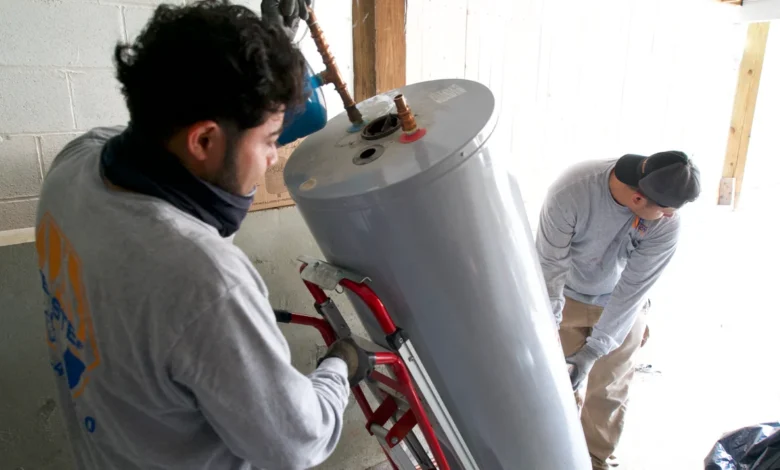
On the consumer side, there is evidence of strong demand for electrification when financial barriers are lowered. In late 2025, the state released $31.9 million in federal rebates funded by the Inflation Reduction Act (IRA) to help residents switch to electric heat pumps. The response was overwhelming; within six months, homeowners in the eastern half of the state had reserved four years’ worth of available funding. As of early 2026, only $3.5 million of the original fund remains.
Environmental advocates point to the efficiency of heat pumps as a primary driver for the transition. Electric heat pumps are significantly more energy-efficient than gas furnaces because they move heat rather than generating it through combustion. Even when the local electricity grid is partially powered by gas, heat pumps typically produce fewer carbon emissions per unit of heat than on-site gas furnaces. Furthermore, as the grid incorporates more renewable energy, the carbon footprint of electric heating continues to drop, whereas gas heating remains tethered to a fixed emission rate.
Legal Analysis: Uncharted Constitutional Territory
Legal scholars are watching the Colorado initiative closely, noting its potential to set a national precedent. Michael Burger, executive director of the Sabin Center for Climate Change Law at Columbia University, noted that while 26 other states have passed laws preempting gas bans, Colorado’s approach is unique.
"We’re in uncharted terrain," Burger said. "This would be the first constitutional amendment to provide a right to a particular fossil fuel."
The lack of caveats in the 60-word text is a point of concern for legal analysts. Traditional utility regulation involves a complex balance of safety, cost, and environmental impact. By enshrining a "right to sell," the amendment could potentially limit the state’s ability to enforce safety regulations or manage the decommissioning of aging gas infrastructure. It remains unclear how the state would reconcile a constitutional right to gas with existing public health mandates regarding air quality and carbon reduction.
Official Responses and Political Fallout
The reaction to Initiative 177 has been sharply divided along partisan and ideological lines. Conservation Colorado, the state’s largest environmental advocacy group, has launched a vigorous campaign to defeat the measure. Kelly Nordini, the organization’s CEO, characterized the initiative as a "cynical attempt" to protect corporate profits at the expense of public health.
"This is about locking fossil fuel industry profits into the state constitution," Nordini stated. "It has no provisions for public health or safety, and it ignores the fact that Coloradans are already choosing cleaner, more efficient electric options when they are affordable."
Conservation Colorado had initially considered filing its own counter-initiatives, including measures that would hold oil and gas companies liable for environmental damages. However, the group ultimately decided to withdraw those filings to focus all resources on the "No on 177" campaign. They have also filed a campaign finance complaint alleging that Advance Colorado has failed to properly disclose its donors and expenditures related to the signature-gathering process.
Advance Colorado, meanwhile, continues to frame the issue as one of "energy freedom." They argue that the state’s push toward electrification is a top-down mandate that ignores the preferences of rural communities and the practicalities of Colorado’s cold-weather climate. Their messaging focuses on "energy choice," suggesting that the government should not be in the business of picking winners and losers in the energy market.
Broader Implications and Future Outlook
The outcome of the November vote will have ramifications far beyond Colorado’s borders. If Initiative 177 passes, it may serve as a blueprint for fossil fuel interests in other "blue" or "purple" states where legislatures are pursuing aggressive climate policies. It marks a shift in tactics from legislative lobbying to direct appeals to voters through the ballot box, utilizing the deep pockets of non-disclosed "dark money" donors.
For Colorado, the stakes involve the state’s ability to meet its statutory goal of reducing greenhouse gas emissions by 50 percent by 2030 (based on 2005 levels). Since buildings are the fourth-largest source of emissions in the state, a constitutional barrier to electrification could render these targets unreachable.
Furthermore, the measure could spark a wave of litigation. If local building codes in Denver or Crested Butte are challenged based on the new constitutional right, the cases would likely head to the Colorado Supreme Court. This could lead to a protracted period of regulatory uncertainty, potentially stalling new construction projects and infrastructure investments as developers wait for legal clarity.
As the November election approaches, both sides are preparing for an expensive and high-visibility media campaign. With over $10 million already spent on ballot initiative canvassing by conservative groups in the state since 2023, the "Right to Natural Gas" debate is poised to be one of the most expensive and consequential items on the Colorado ballot this decade. Voters will ultimately decide whether the state’s energy future remains flexible and climate-focused or if the right to fossil fuels becomes a permanent fixture of the state’s foundational legal document.
Related posts: