Georgia Scientists Launch Fifteen Million Dollar Superfund Research Initiative to Address Climate Risks and Toxic Legacies in Brunswick

A consortium of six leading research institutions has secured a $15 million federal grant to establish Georgia’s first dedicated Superfund research center, an ambitious five-year project aimed at unraveling the complex relationship between industrial contamination, public health, and the accelerating threat of climate change. Funded by the National Institute of Environmental Health Sciences (NIEHS), the team—comprising experts from Emory University, the University of Georgia, Georgia Tech, Morehouse School of Medicine, Spelman College, and Texas Tech University—will focus their efforts on Glynn County, a coastal region grappling with the legacy of four high-priority toxic Superfund sites. This initiative marks a pivotal shift in environmental research, moving beyond static cleanup assessments to dynamic modeling that accounts for how rising sea levels and intensifying storms may mobilize long-buried toxins into residential neighborhoods.
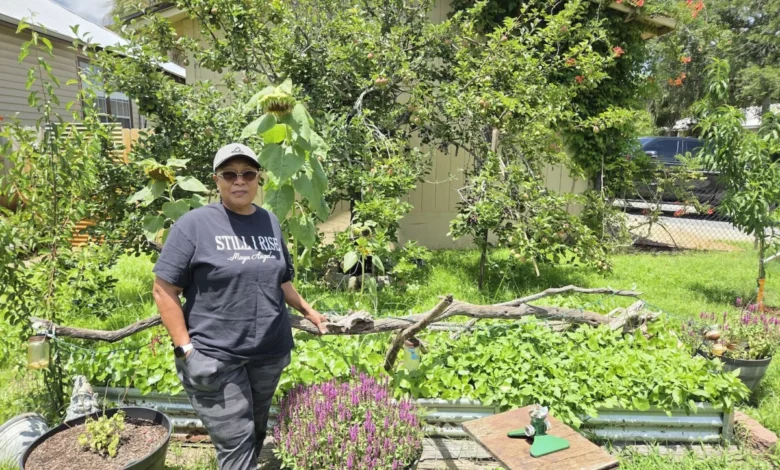
The urgency of the research is underscored by the lived experience of residents like Semona Holmes, whose Brunswick home sits just half a mile from a former pesticide plant. For Holmes and her neighbors, the threat is not merely a theoretical environmental hazard but a recurring physical reality. During periods of heavy rainfall or exceptionally high tides, her street transforms into what she describes as a river. In the aftermath of hurricanes, the flooding has been severe enough for neighbors to navigate the streets by canoe. While the immediate danger of drowning or property damage is a constant concern, the invisible threat lurking within the floodwaters—residue from decades of industrial chemical production—represents a deeper, more existential fear for the community.
The Toxic Legacy of Glynn County
Glynn County, situated along Georgia’s Atlantic coast, serves as a microcosm of the United States’ industrial past and its lingering environmental debt. The county is home to four sites on the Environmental Protection Agency’s (EPA) National Priorities List, commonly known as Superfund sites: the LCP Chemicals Georgia site, the Hercules 009 Landfill, the Brunswick Wood Preserving site, and the Terry Creek Dredge Spoil Areas.
For decades, these facilities were engines of local economic growth, producing pesticides, chlorine, and treated lumber. However, the industrial processes employed during the mid-20th century often lacked the stringent environmental safeguards required today. At the LCP Chemicals site, for instance, mercury and polychlorinated biphenyls (PCBs) contaminated hundreds of acres of marshland. At the Hercules 009 Landfill, toxaphene—a persistent organic pollutant once widely used as a pesticide—was discarded in unlined pits.
The EPA’s Superfund program, established by the Comprehensive Environmental Response, Compensation, and Liability Act (CERCLA) of 1980, was designed to address such contaminated sites. While remediation efforts have been ongoing for decades, including the installation of protective caps and the removal of the most hazardous soils, residents remain skeptical. The new research center aims to provide the scientific data necessary to validate or address these community concerns, focusing on how these legacy chemicals continue to move through the air, soil, and water.
A Multi-Institutional Approach to Public Health
The $15 million initiative is structured around two primary objectives: quantifying the health impacts of past chemical exposures and developing strategies to mitigate future risks. Noah Scovronick, an assistant professor of environmental health at Emory University’s Rollins School of Public Health and a lead researcher on the project, emphasizes that the work is inherently interdisciplinary.
The inclusion of historically Black colleges and universities (HBCUs) like Morehouse School of Medicine and Spelman College is a critical component of the center’s mission. These institutions bring expertise in community-based participatory research and a deep understanding of environmental justice. In many Superfund communities, industrial sites were historically situated near low-income and minority neighborhoods, leading to disproportionate health burdens. By involving these institutions, the research team ensures that the concerns of marginalized residents are prioritized and that the findings are communicated effectively to those most at risk.
Researchers will conduct extensive environmental sampling, testing soil in backyards, air quality near industrial perimeters, and the safety of local seafood—a primary food source for many in the coastal community. Simultaneously, epidemiologists will analyze health data to look for patterns of illness that may be linked to specific contaminants, such as reproductive issues, developmental delays in children, and various forms of cancer.
Climate Change and the Vulnerability of Containment
One of the most innovative aspects of the new Georgia Superfund research center is its focus on climate resilience. Traditional remediation strategies often rely on "capping"—covering contaminated soil with layers of clay, plastic, and clean dirt to prevent toxins from spreading. While effective under stable conditions, these caps are increasingly vulnerable to the effects of climate change.
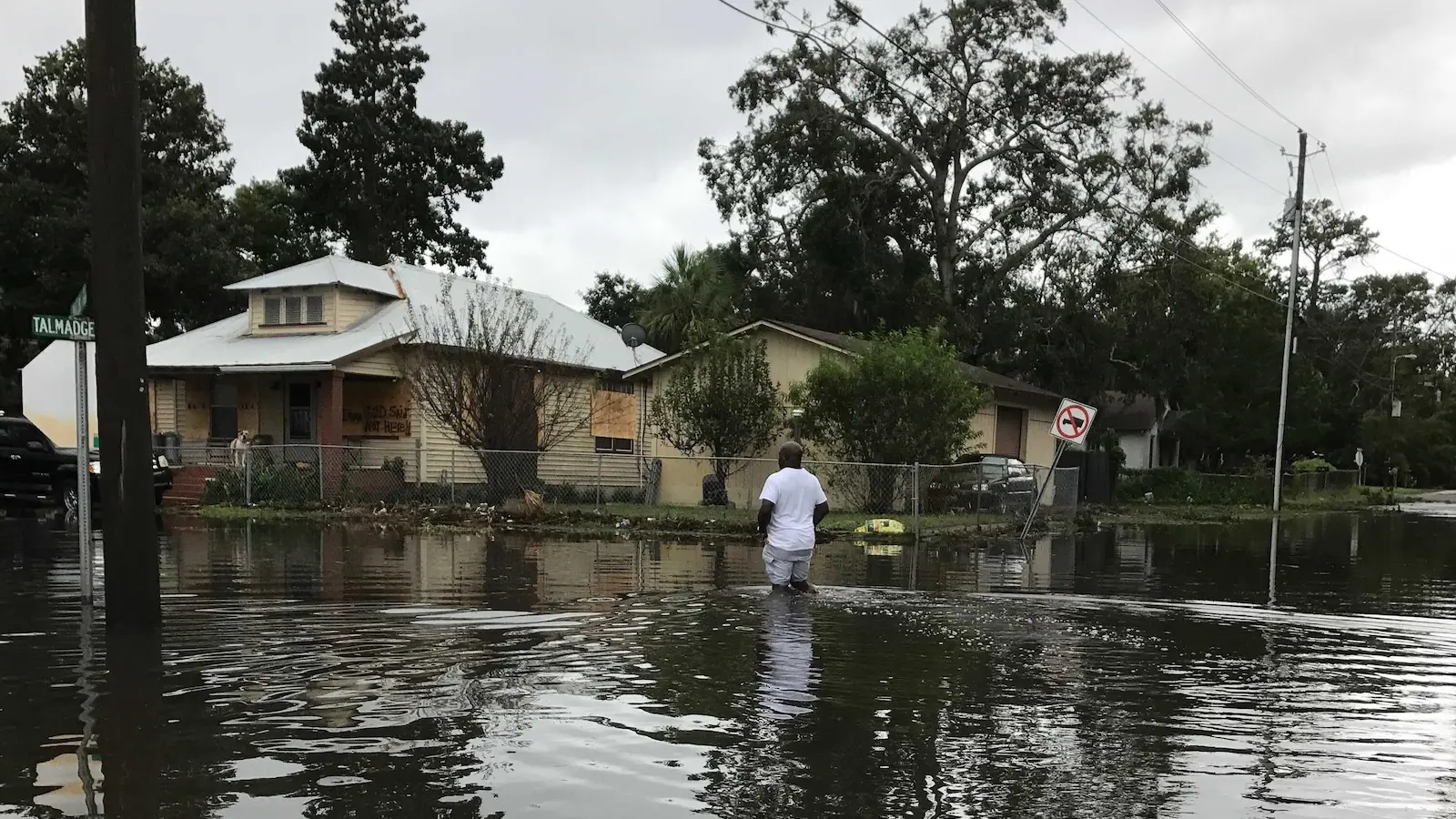
Brunswick is particularly susceptible to sea-level rise and storm surges. As the Atlantic Ocean encroaches on the coastline, the groundwater table rises, potentially saturating buried contaminants from below. Furthermore, more frequent and intense rainfall events can overwhelm local stormwater systems, causing "sunny day flooding" that carries sediment from contaminated areas into residential streets.
"We want to be sure that the remediation that is ongoing at those sites is resilient to extreme weather moving forward," Scovronick stated. The research team will use advanced computer modeling from Georgia Tech to simulate various climate scenarios, determining if current containment structures can withstand a 100-year storm or a two-foot rise in sea level. If the models suggest a high risk of breach, the data could be used to lobby the EPA and responsible parties for more robust, "climate-proof" remediation measures.
Community Concerns and Daily Realities
For residents like Semona Holmes, the research provides a glimmer of hope for clarity in a situation clouded by uncertainty. Holmes has already taken drastic measures to protect her family, including her six grandchildren. They do not drink the tap water, and they strictly avoid seafood caught in local Glynn County waterways, despite the region’s rich fishing tradition.
However, total avoidance is impossible. Children play in local parks and attend schools situated only blocks away from the nearest toxic sites. The fear that a playground might be contaminated with lead or pesticides is a source of chronic stress for parents and grandparents alike. Holmes argues that the burden of proof should not fall on the residents, but on the corporations that profited from the industrial activity and the government agencies tasked with oversight.
The research center has committed to a "community-first" model, meeting with local advocates to ensure the scientific questions being asked align with the questions residents need answered. This includes documenting the cumulative impact of living near multiple sites, rather than treating each Superfund location as an isolated variable.
Timeline of Industrial Impact and Regulatory Action
The history of Glynn County’s environmental challenges follows a timeline common to many American industrial hubs:
- 1910s–1960s: Rapid industrial expansion in Brunswick, driven by the naval stores industry, pesticide manufacturing, and timber processing.
- 1970s: Emergence of federal environmental regulations, including the Clean Air Act and Clean Water Act, which began to highlight the extent of local pollution.
- 1980: Passage of CERCLA (Superfund), providing the federal government with the authority to respond to hazardous substance releases.
- 1990s: Major sites in Glynn County are added to the National Priorities List. The LCP Chemicals site undergoes emergency removal actions after massive mercury contamination is discovered.
- 2000s–2010s: Long-term remediation projects begin, including dredging of contaminated marshes and the construction of containment cells.
- 2024: Launch of the Georgia Superfund Research Center to address the "second wave" of risk posed by climate change and persistent legacy toxins.
Analysis of Implications and Future Outlook
The establishment of this research center has implications that extend far beyond the borders of Glynn County. As of 2023, the EPA estimates that approximately 34 million people live within three miles of a Superfund site. Many of these sites are located in coastal or flood-prone areas. The methodologies developed by the Georgia team—integrating climate modeling with toxicological research—could serve as a blueprint for Superfund management nationwide.
Furthermore, the project highlights the shifting landscape of corporate accountability. While many of the original companies responsible for the pollution have gone bankrupt or been acquired, the "polluter pays" principle remains a cornerstone of Superfund law. Accurate, peer-reviewed data linking specific contaminants to health outcomes or identifying failures in containment can provide the legal and scientific basis for holding successor corporations responsible for additional cleanup costs necessitated by climate change.
For Semona Holmes, the goal is simple: acknowledgment and action. She believes that documenting the damage is a necessary step toward justice. "It shows that you care about humanity," she said, referring to the potential for companies to take responsibility. Beyond acknowledgment, the community seeks a future where the rain does not bring a "river" of chemical anxiety, and where the next generation can grow up without the shadow of an industrial past dictating their health.
As the five-year study begins, the eyes of environmental scientists and coastal residents alike will be on Brunswick, watching to see if data can finally pave the way for a cleaner, more resilient future.
Related posts: