Salman Ali Agha makes a triumphant return to Pakistan team with century in 37-run tri-series victory over Sri Lanka

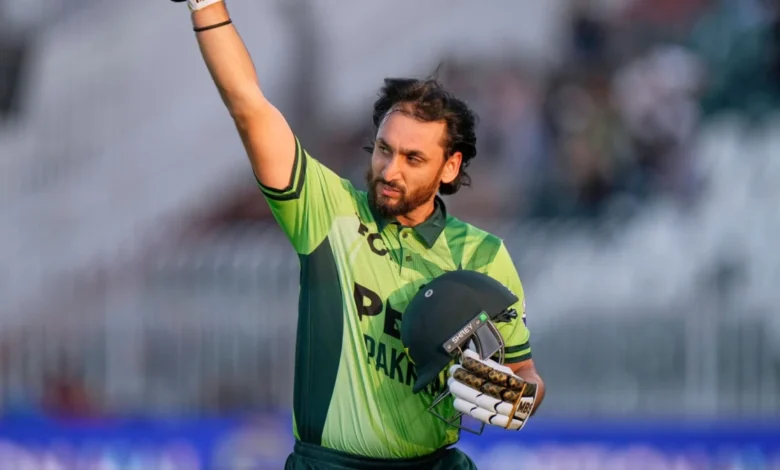
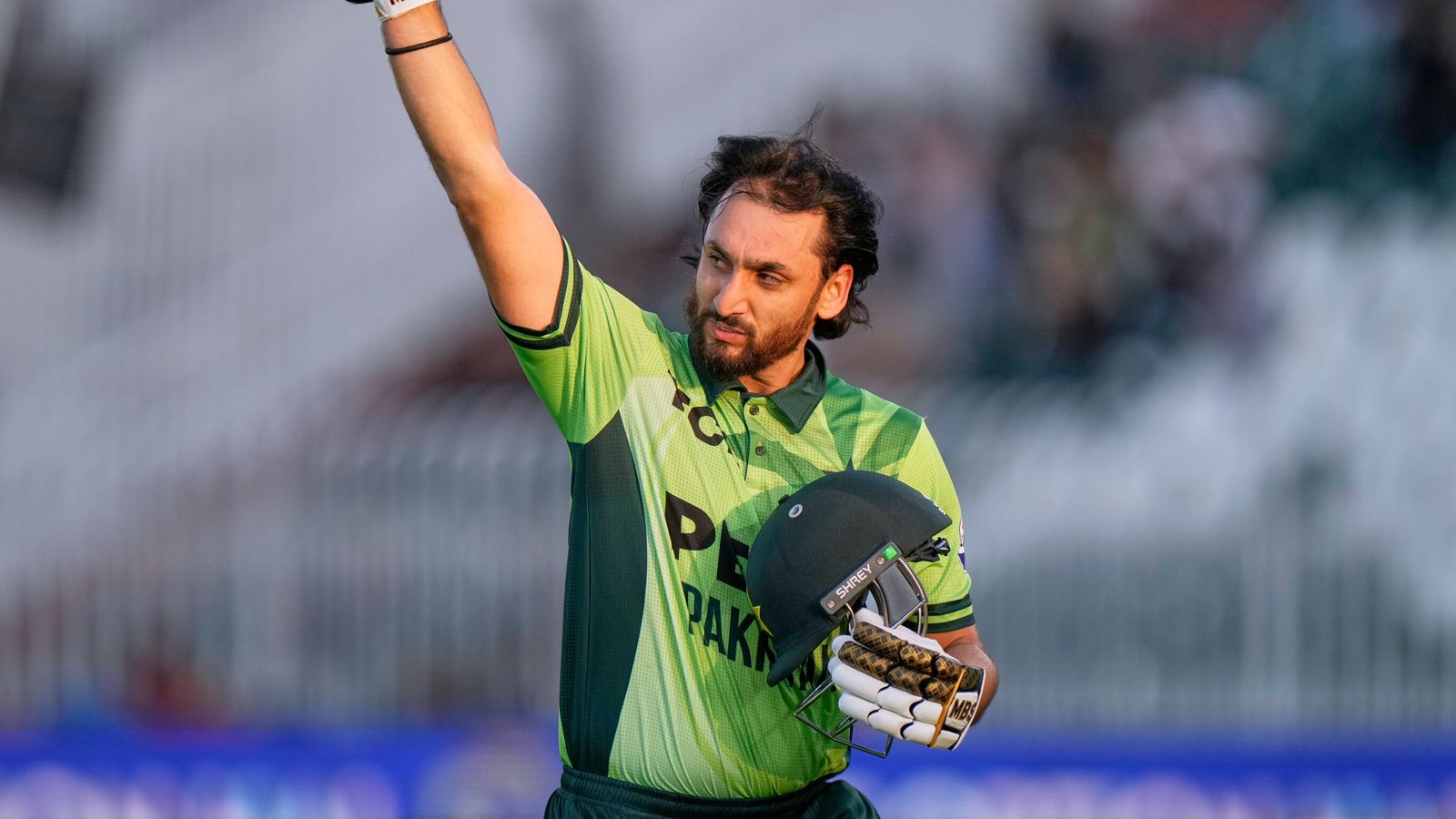
The Rawalpindi Cricket Stadium served as the backdrop for a dramatic opening to the tri-series as Pakistan secured a hard-fought 37-run victory over Sri Lanka on Sunday. The centerpiece of the contest was the return of Salman Ali Agha, whose majestic 107-run innings anchored the hosts to a competitive total of 305. The match was characterized by a contest between Pakistan’s potent pace attack and a resilient middle-order recovery from Sri Lanka, set against the backdrop of challenging evening conditions in Rawalpindi.
Agha’s Redemption Arc
The narrative surrounding Salman Ali Agha’s inclusion in the squad was arguably the most significant pre-match talking point. Having been summoned home in late August following a tumultuous tour of England—where he had served as the Test captain—Agha’s international career appeared to be at a critical juncture. Following his removal from the T20 captaincy and a subsequent exclusion from the squad that faced Sri Lanka in the recent T20I series, Agha’s path back to the national setup was paved exclusively through domestic dominance.
His recent form, highlighted by a massive triple-century in domestic competition, forced the selectors’ hands. On Sunday, Agha vindicated that decision. Walking to the crease with Pakistan reeling at 118-4 in the 22nd over, he displayed the composure of a veteran. He navigated a disciplined Sri Lankan bowling attack, stabilizing the innings alongside Hasan Nawaz (37) and later Arafat Minhas (18). His 90-ball century was a masterclass in pacing, balancing aggressive stroke-play with the necessity of accumulation.
Chronology of the Contest
Sri Lanka captain Kusal Mendis won his fourth consecutive toss and, true to form, elected to field on a surface that promised early assistance for his seamers. The decision appeared vindicated early on as Dilshan Madushanka dismantled the Pakistan top order. Both Fakhar Zaman (16) and Saim Ayub (7) were removed within the opening powerplay, leaving the hosts in a precarious position.
A brief resurgence was provided by Babar Azam and 19-year-old debutant Saad Baig. The duo put together a 74-run stand that injected momentum into the innings. However, the introduction of Eshan Malinga triggered a significant collapse. Malinga, who finished with impressive figures of 4-46, accounted for both Babar (45) and Baig in quick succession, placing the onus entirely on Agha.
As the match transitioned into the second innings, Pakistan’s pace battery—led by captain Shaheen Afridi—faced an immediate challenge. Naseem Shah provided the initial breakthroughs, removing Avishka Fernando and maintaining a relentless line and length that stifled the Sri Lankan top order. When Kusal Mendis fell to Faheem Ashraf for 18, Sri Lanka found themselves struggling at 91-4.
The middle phase of the chase saw Pavan Rathnayake (79) and Janith Liyanage (60) mount a spirited 119-run partnership. The heavy dew at the Rawalpindi Cricket Stadium made the ball difficult to grip, neutralizing the threat of reverse swing for the Pakistani pacers. It was only when Faheem Ashraf claimed the vital wicket of Rathnayake in the 38th over that the momentum swung decisively back toward the home side. Haris Rauf’s ability to clean up the tail ensured that Pakistan wrapped up the proceedings, dismissing Sri Lanka for 268 in 48.1 overs.
Tactical Analysis and Statistical Overview
The statistical breakdown of the match reveals the high-variance nature of the encounter. Pakistan’s total of 305, while substantial, could have been significantly higher had it not been for a late-innings collapse. Losing the final five wickets for just 26 runs, highlighted by Malinga’s maiden over in the death stages, will be a point of concern for the team management.
Sri Lanka’s bowling unit, despite the loss, showcased depth. Malinga’s ability to extract movement in the final overs proved that the pitch remained balanced for both disciplines. Conversely, Pakistan’s bowling figures were well-distributed. Shaheen Afridi’s 3-55 provided the necessary experience at the death, while Naseem Shah’s 2-43 was critical in the opening overs. The consistency of Haris Rauf (2-48) and Faheem Ashraf (2-49) demonstrated the tactical depth of the Pakistan pace quartet.
For Sri Lanka, the 119-run partnership between Rathnayake and Liyanage remains a positive takeaway. Their ability to negotiate the conditions and keep the required run rate within reach against a premier pace attack will provide confidence for the remainder of the tri-series.
Contextualizing the Tri-Series
The tri-series serves as a vital staging ground for all participating nations as they refine their squads ahead of the next major ICC tournament cycle. For Pakistan, this victory is more than just a win; it is a signal of the team’s intent to move past the organizational turbulence that defined their summer.
The inclusion of young talent like Saad Baig suggests a long-term developmental strategy. Baig’s debut, which saw him score a brisk 30s-range knock including two sixes, signals the presence of a new generation of batters capable of maintaining a high strike rate. Furthermore, the return of players like Agha provides the team with a necessary anchor—a player capable of playing multiple roles depending on the match situation.
The implications for Sri Lanka, meanwhile, center on consistency. Despite the loss, their ability to remain in the hunt until the final ten overs demonstrates that their rebuild is progressing. The performance of Dasun Shanaka, who chipped in with a quick-fire 28 off 18 balls, highlights the depth of their lower-middle order, even if the top order continues to struggle with early-innings stabilization.

Official Reactions and Future Outlook
While formal press conferences were sparse following the conclusion of the match, the general sentiment within the Pakistan camp was one of relief and satisfaction. Agha’s century was celebrated as a testament to the efficacy of the domestic circuit, with coaching staff noting that his recall was purely merit-based.
The focus now shifts immediately to the next match of the tri-series. Pakistan is scheduled to face England at the Rawalpindi Cricket Stadium on Tuesday. For England, the match represents their first foray into the series, and they will be looking to capitalize on the observations made during the opener. The dew factor, which clearly hampered the bowlers during the latter half of the second innings, will be a key variable for the captains to consider in the upcoming fixtures.
The Rawalpindi pitch, which offered some lateral movement for the pacers and reasonable carry for the stroke-makers, is expected to remain a balanced surface. Spectators and analysts will be watching closely to see if Pakistan retains the same aggressive bowling lineup or opts for a more spin-oriented attack to counter the dew factor, should conditions remain similar.
The Path Forward
As the tri-series progresses, the focus for both teams will remain on squad rotation and testing bench strength. For Pakistan, the immediate challenge is maintaining the momentum established by the top-order resilience and the death-bowling accuracy displayed by Rauf and Afridi. For Sri Lanka, the priority will be ensuring their top order can provide a more substantial foundation, preventing the middle order from being forced into a rebuilding role too early in the game.
With the second match of the series looming, the victory in Rawalpindi provides Pakistan with a crucial two points and a significant boost in net run rate, factors that often prove decisive in short, intense tournaments. As the international cricket calendar continues to demand high-intensity performances, the ability to adapt to changing environmental conditions—as evidenced by the dew on Sunday—will be the defining metric for success in this series.
The cricket world remains fixed on Rawalpindi, where the next chapter of this tri-series will unfold under the floodlights, with England eager to stamp their authority on the proceedings. For Salman Ali Agha, the challenge will be to maintain this level of form, turning his redemption match into a sustained period of excellence at the international level.