The omnipresence of artificial intelligence in content creation has blurred the lines between human and machine-generated text, raising critical questions about authenticity and authorship. As AI tools like ChatGPT, Gemini, and Claude become increasingly sophisticated, the ability to discern their output from human writing has become a pressing concern for educators, publishers, and individuals alike. This article investigates the efficacy of several prominent AI detection tools by putting them to the test against a carefully curated selection of human and AI-generated text samples. The findings reveal a mixed landscape of accuracy, highlighting both the potential of these technologies and their current limitations.
The proliferation of AI-generated content has created a new paradigm for information consumption and creation. From academic essays and professional reports to casual social media posts, the question "Did an AI write this?" has become a common refrain. This surge in AI-assisted or fully AI-generated text necessitates robust methods for identification. While some proponents point to subtle linguistic cues, such as the distinctive use of em dashes, as telltale signs of AI authorship, the rapid evolution of these models means that such markers are often fleeting and easily mimicked. To address this challenge, a growing number of AI detection tools have emerged, promising to accurately distinguish between human and artificial prose. This investigation aims to rigorously evaluate the performance of five such tools: Pangram, Grammarly, GPTZero, Scribbr, and Copyleaks.
To conduct this evaluation, a systematic approach was employed. The author, David Nield, provided several introductory paragraphs from his previously published articles, ensuring these were composed entirely by human effort. Subsequently, the AI models ChatGPT, Gemini, and Claude were tasked with generating 150-word introductions based on the titles and premises of these human-written pieces. This created a balanced dataset comprising both authentic human writing and AI-generated content, designed to challenge the detection algorithms. The subsequent analysis focused on how accurately each AI detection tool classified these diverse text samples.
Pangram: A Promising Start
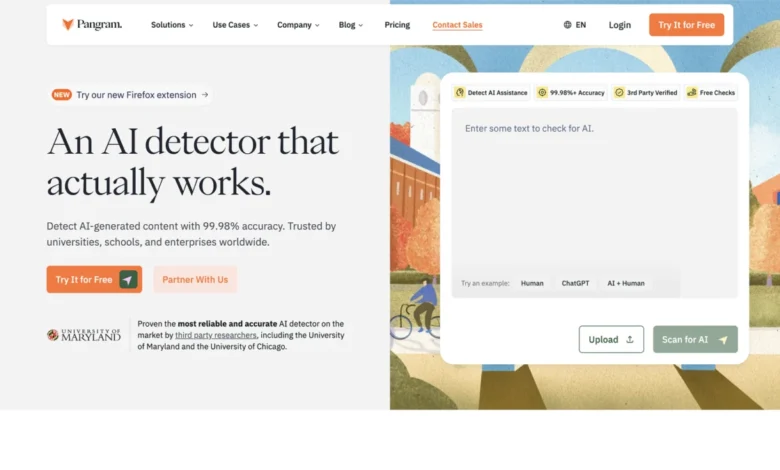
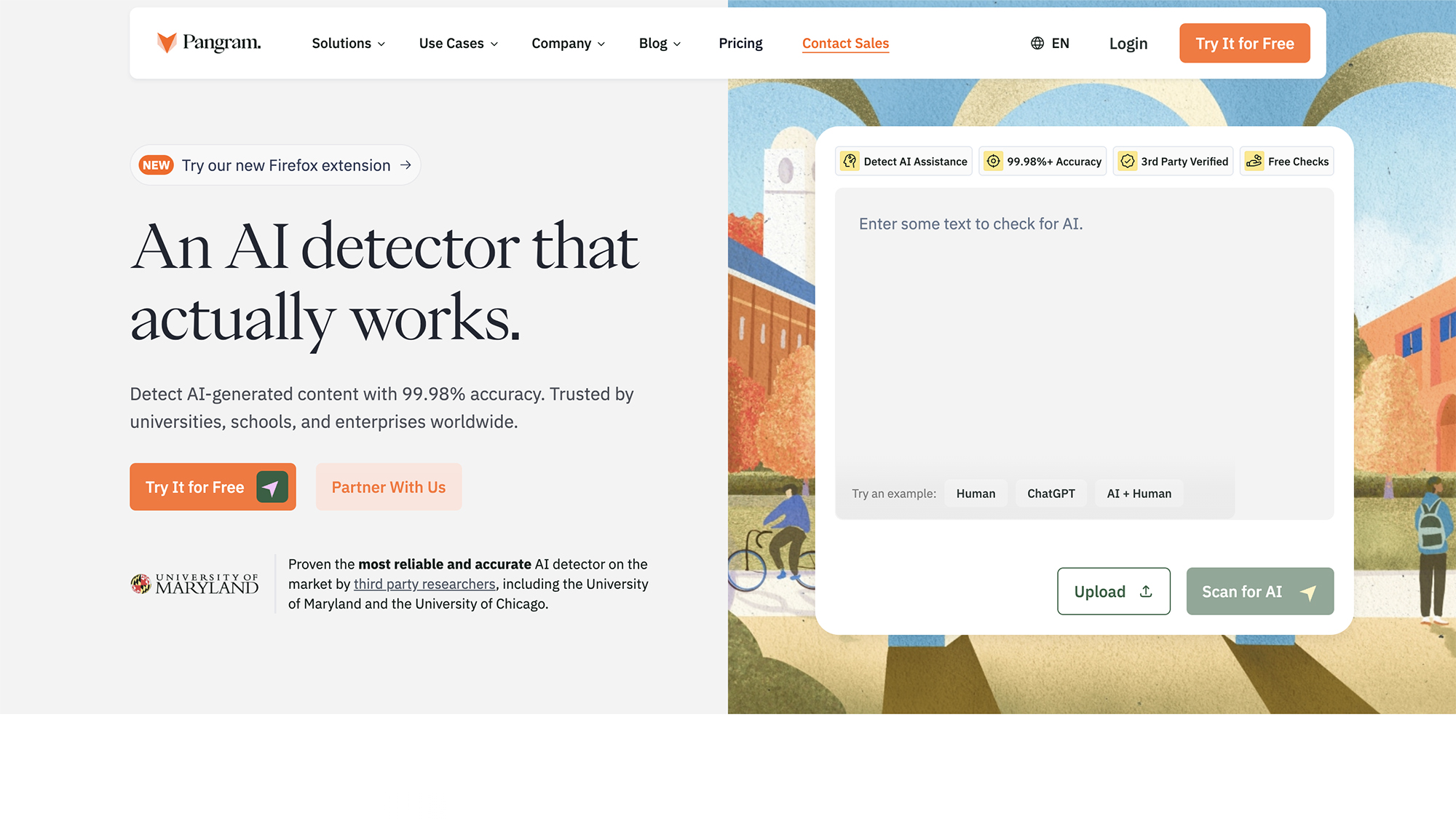
The first tool under scrutiny was Pangram, which advertises itself as "an AI detector that actually works." Offering four free queries per day, with paid subscriptions starting at $20 per month for enhanced features and plagiarism detection, Pangram aims for a balance of accessibility and robust functionality. The initial results were highly encouraging. Both of the author’s human-written samples were unequivocally identified as 100 percent human-generated, with Pangram expressing a "high" level of confidence in these assessments. This suggests that, for human prose, Pangram’s algorithms are adept at recognizing established writing patterns.
When presented with AI-generated introductions from ChatGPT and Claude, Pangram also demonstrated impressive accuracy, correctly flagging both as 100 percent AI-written. The tool even provided insights into potential AI indicators, citing phrases like "from the moment you…" as potential giveaways. This level of detail, combined with its high accuracy, positions Pangram as a strong contender in the AI detection market. The perfect score of 4 out of 4 correct classifications in this initial test phase indicates a strong performance, particularly in distinguishing between clearly human and clearly AI-generated text.
Grammarly: Familiar Name, Evolving Capabilities
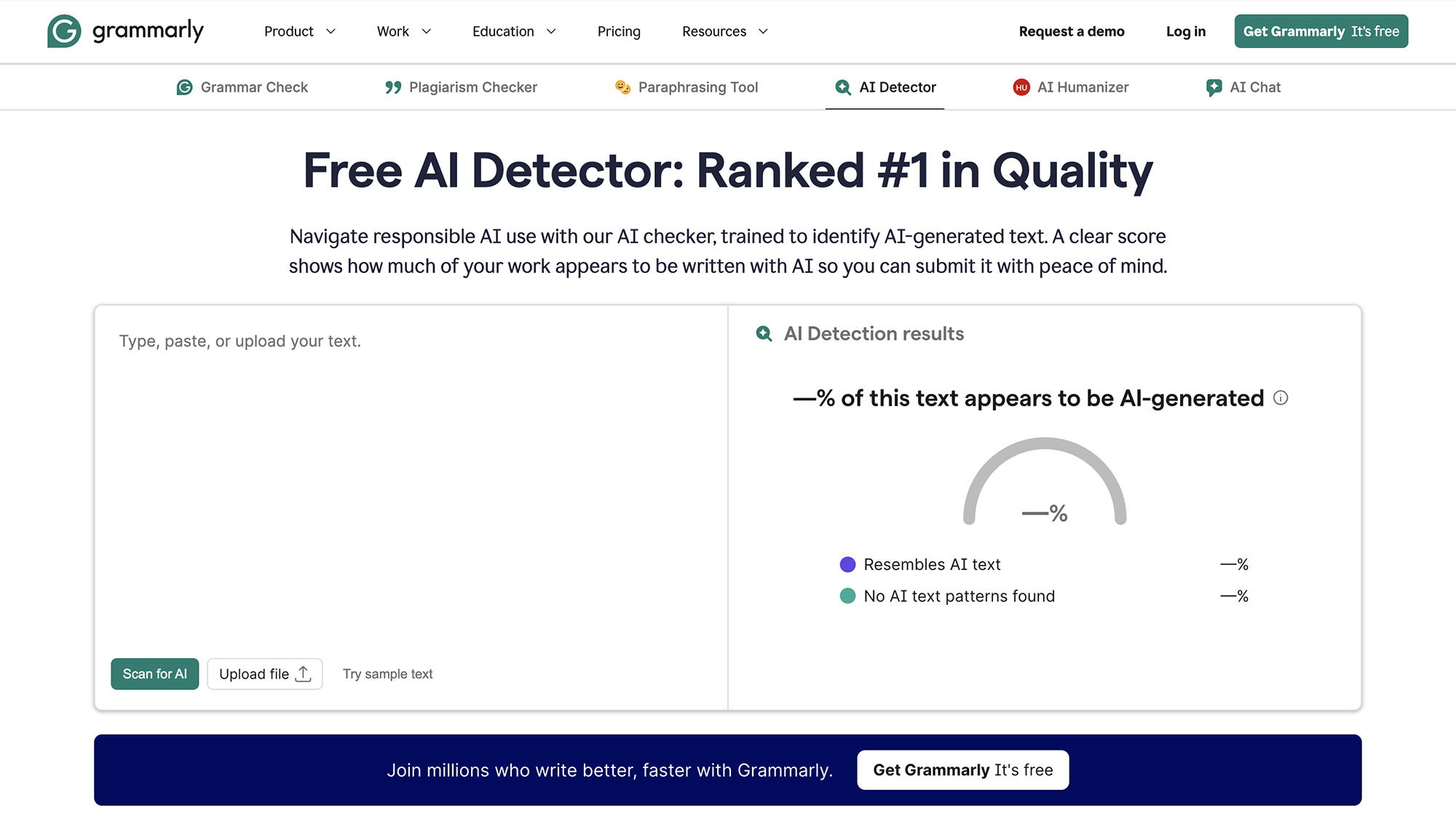
Grammarly, a long-established player in the realm of writing assistance, has expanded its offerings to include AI detection. With three free AI checks per day and paid plans beginning at $12 per month, Grammarly leverages its extensive experience with language analysis. In this test, Grammarly mirrored Pangram’s success with human-written text, accurately classifying both samples as 0 percent AI text, with no detectable AI patterns. This consistency across different tools reinforces the idea that human writing possesses a distinct, recognizable quality that current AI detectors can effectively identify.
However, Grammarly’s performance faltered slightly when analyzing the AI-generated content. While it did identify AI characteristics, it did not achieve a definitive classification. The AI samples from Claude and Gemini were marked as 68 percent and 66 percent AI-written, respectively. While these figures suggest a recognition of AI influence, they fall short of the definitive "AI-written" label awarded by Pangram. This indicates that while Grammarly can flag potential AI elements, it may exhibit a degree of uncertainty when faced with more nuanced AI outputs. Nevertheless, achieving a 4 out of 4 correct classification rate in terms of identifying human versus AI content (even with less precise percentages for AI) demonstrates a solid overall performance.
GPTZero: A Mission to Preserve Humanity
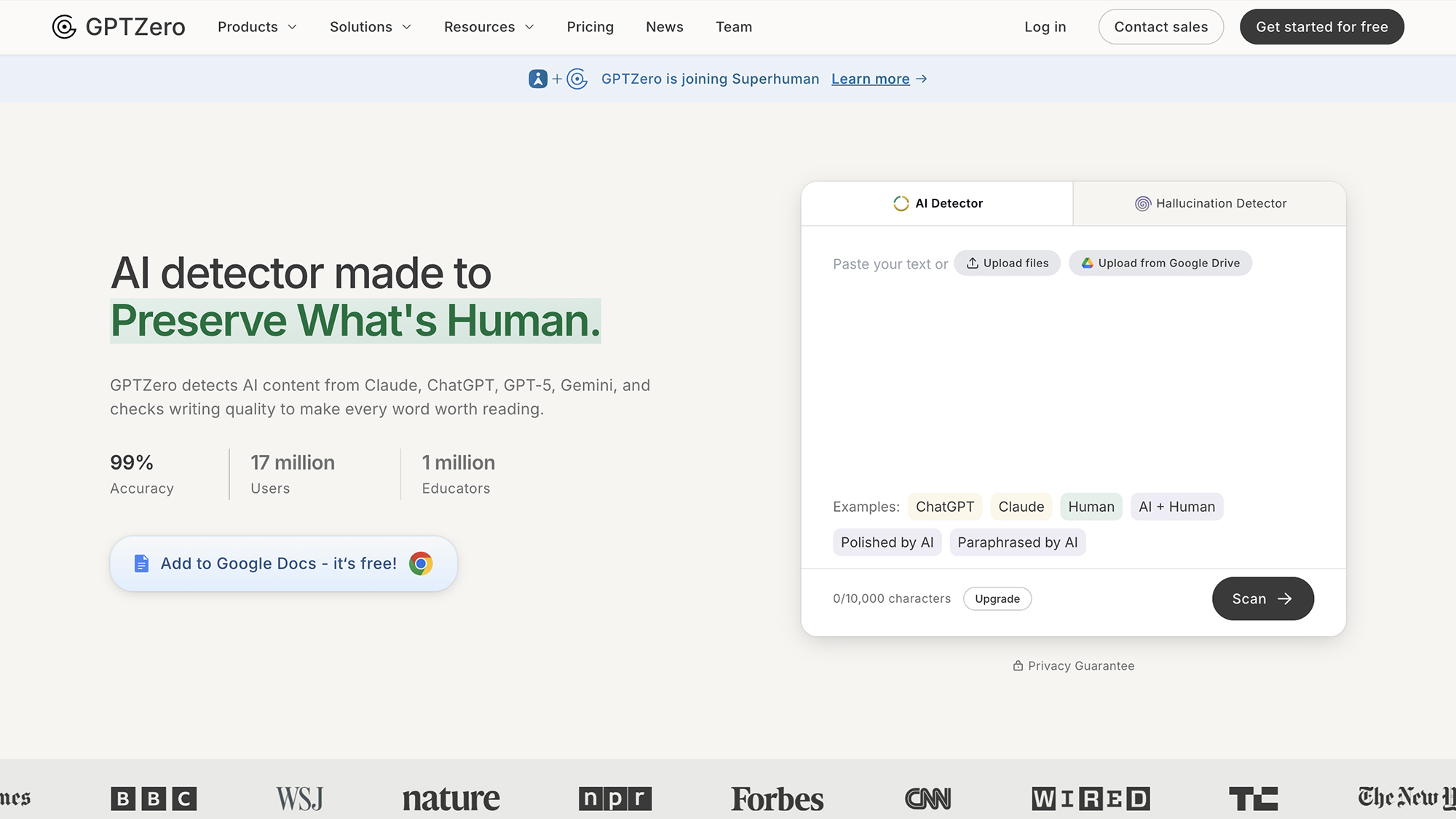
GPTZero enters the arena with a clear mission: to "preserve what’s human." This tool offers a generous free tier, allowing users to scan up to 10,000 words monthly, with paid plans starting at $23.99 per month for expanded word limits and advanced features. As with the previous detectors, GPTZero confidently classified the author’s human-written samples as entirely human-generated, stating, "We are highly confident this text is entirely human." This consistent affirmation of human authorship across multiple platforms suggests a reliable detection of genuine human writing.
GPTZero also proved adept at identifying AI-generated text. Samples from Gemini and ChatGPT were correctly flagged as AI-generated. Notably, GPTZero went a step further by highlighting the most AI-like sentences within these texts. While the author found it challenging to discern the specific patterns in these flagged phrases, this feature offers a valuable diagnostic capability, providing users with more granular insights into the AI’s influence. The 4 out of 4 correct classifications solidify GPTZero’s position as a highly effective AI detection tool, aligning with its stated goal of safeguarding human authorship.
Scribbr: Mixed Results from a Free Tool
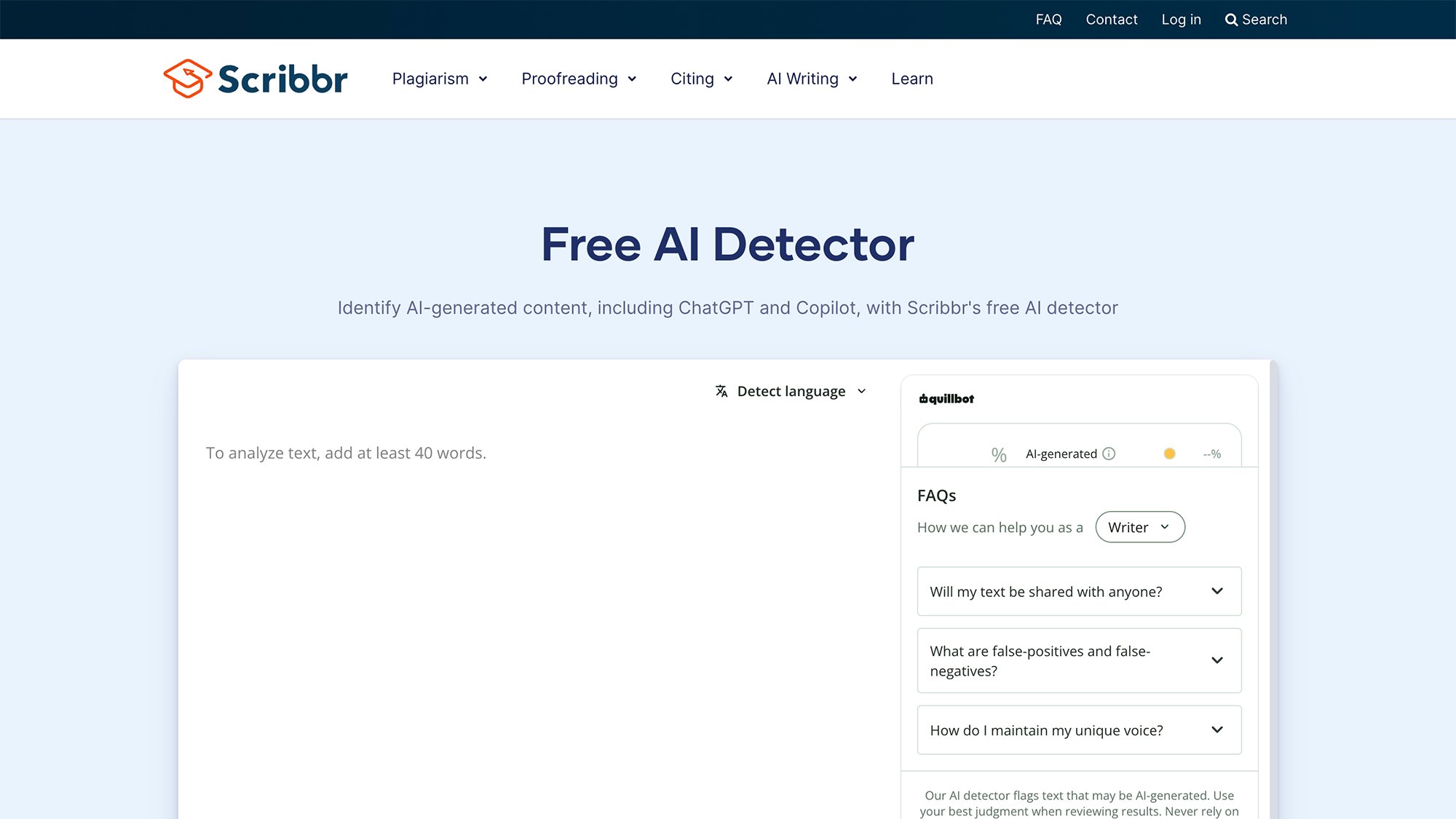
Scribbr, which provides a suite of editing and proofreading services, offers a free AI detector that requires no account registration. This accessibility makes it an attractive option for casual users. In the tests, Scribbr accurately identified the author’s human-written samples as 100 percent human-generated. However, the tool’s performance declined significantly when assessing AI-generated content. Both the ChatGPT and Claude samples were incorrectly classified as being entirely AI-free, despite their clear artificial origin.
Scribbr includes a disclaimer acknowledging the potential unreliability of AI detectors, but its confident misclassification of AI text is a significant drawback. This discrepancy raises questions about the underlying algorithms and calibration of Scribbr’s AI detection capabilities. While its free and accessible nature is commendable, its failure to accurately identify AI-generated content undermines its utility for serious detection purposes. With a 2 out of 4 correct classification rate, Scribbr falls short of the accuracy displayed by other tools in this evaluation.
Copyleaks: A Step Towards Enhanced Detection
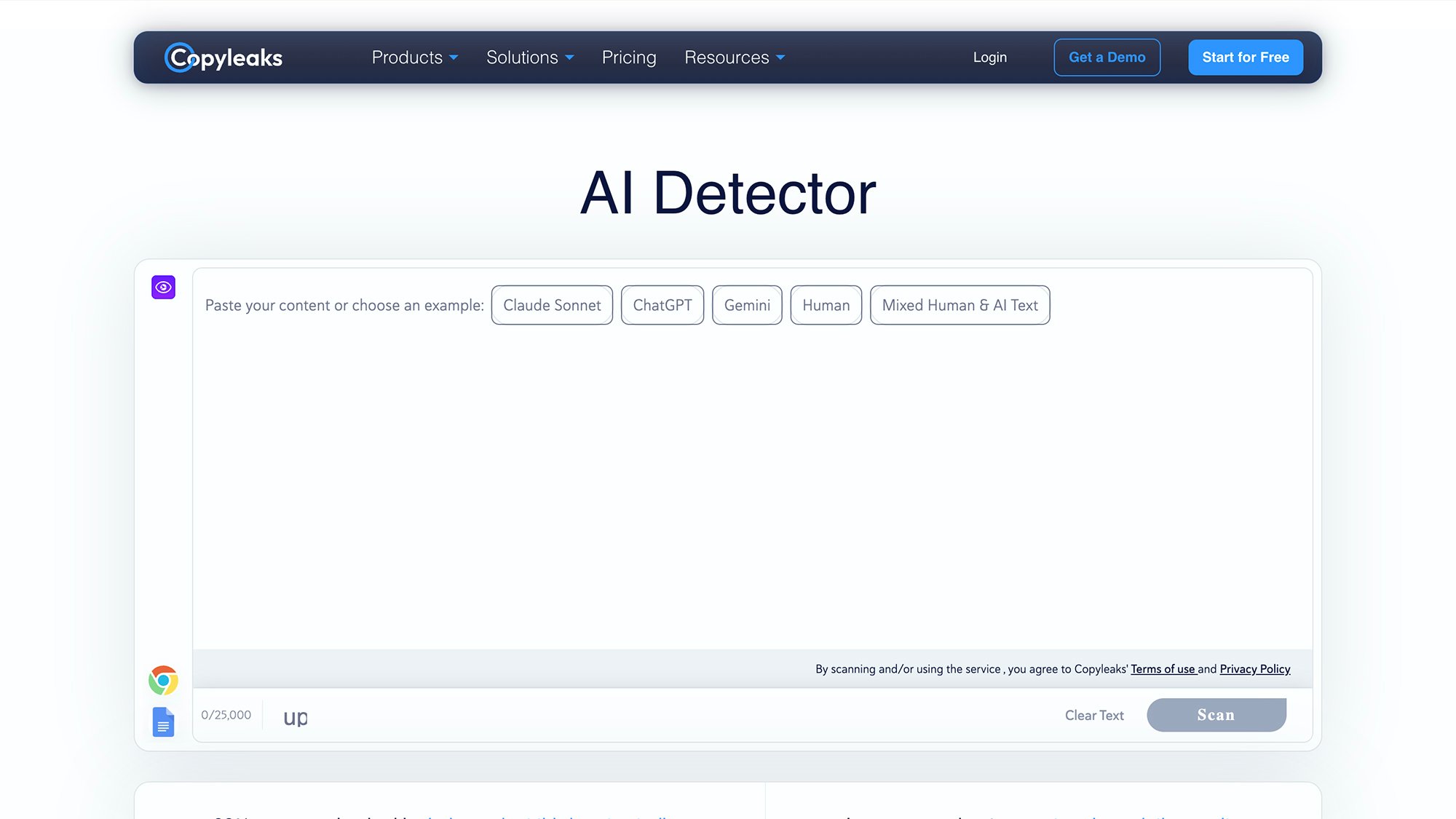
Copyleaks, a platform that also offers tools for detecting AI-generated images and videos, rounds out this investigation. Its AI detector allows for four free scans, with paid plans starting at $16.99 per month, offering more detailed reports and additional features. Similar to the other tools, Copyleaks successfully identified the author’s human-written samples as 100 percent AI-free, providing reassurance regarding the detection of genuine human prose.
However, Copyleaks’ performance with AI-generated text was inconsistent. While it correctly identified the Gemini sample as 100 percent AI-written, it misclassified the Claude sample as 0 percent AI-written. This "half-right" outcome suggests that while Copyleaks is making strides in AI detection, its accuracy can vary depending on the specific AI model and its output. The observed inconsistencies echo those seen with Scribbr, indicating that while progress is being made, fine-tuning and calibration remain crucial for achieving consistent reliability across different AI generation models. Copyleaks achieved a 3 out of 4 correct classification rate, indicating a moderate level of accuracy.
The Verdict: A Nuanced Landscape of AI Detection
The findings from this comprehensive testing reveal a complex and evolving landscape of AI detection. Across all five tools, human-written text was consistently and accurately identified as such. This suggests that current AI detectors are more adept at recognizing what human writing is rather than definitively identifying what AI writing is not. The ability to reliably detect AI-generated content, however, proved to be more variable, with some tools demonstrating superior performance than others.
Pangram, GPTZero, and Grammarly (despite its less definitive AI percentages) emerged as the most promising tools, consistently distinguishing between human and AI authorship with a high degree of accuracy. Their ability to provide confidence levels or specific indicators offers valuable insights for users. In contrast, Scribbr and Copyleaks exhibited notable inconsistencies, particularly in their assessment of AI-generated content. This highlights the ongoing challenge of keeping pace with the rapid advancements in AI language models, which are constantly refining their ability to mimic human writing styles.
The implications of these findings are significant. For educational institutions grappling with AI-assisted plagiarism, these tools can serve as valuable supplementary resources, but they should not be the sole basis for accusations. Educators might consider a multi-pronged approach, combining AI detection with traditional methods of evaluating understanding and originality. Similarly, publishers and content creators can use these tools to maintain content integrity, but should be aware of their limitations.
The author’s experience underscores a key takeaway: if one is serious about identifying AI-generated text, employing multiple detection tools in conjunction is advisable. This cross-referencing can help mitigate the risk of false positives or negatives. Furthermore, upgrading to paid tiers that offer detailed reasoning behind the AI detection scores could provide a more robust and nuanced understanding of the analysis.
As AI technology continues its relentless march forward, the arms race between AI generation and AI detection will undoubtedly persist. While current tools offer a valuable glimpse into the possibility of discerning machine-generated text, they are not infallible. The journey towards perfectly accurate AI detection is ongoing, and users must approach these technologies with a critical and informed perspective. The future of authentic communication in the digital age hinges on our ability to navigate this evolving technological frontier with both caution and curiosity.
Related posts: