
New Crime Mystery Books
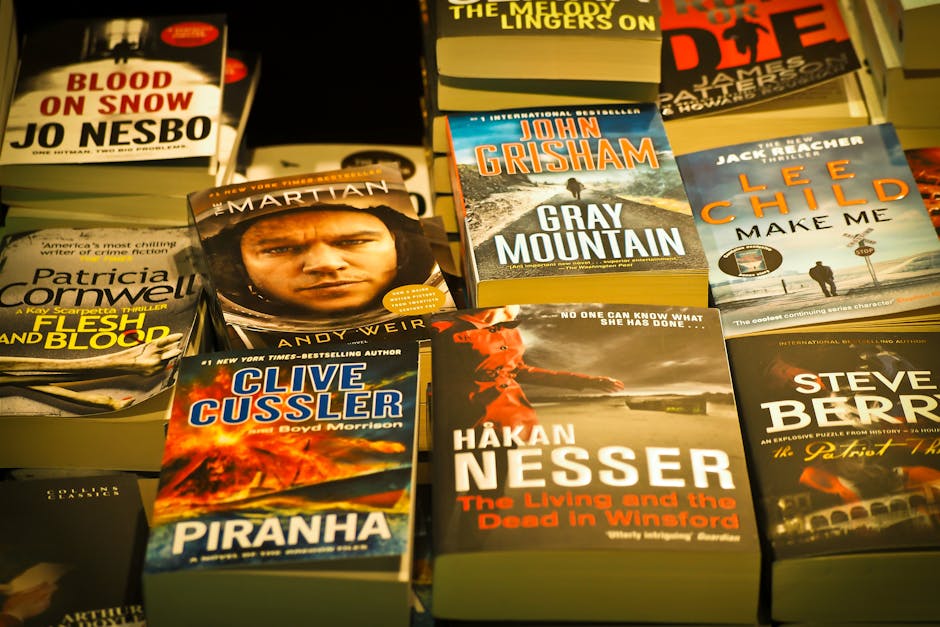
Unlocking the Latest: A Deep Dive into This Season’s Most Gripping New Crime Mystery Releases
The literary landscape of crime and mystery is perpetually fertile, offering a constant influx of new narratives that challenge, intrigue, and often, disturb. For dedicated aficionados of the genre, staying abreast of the latest releases is not merely a hobby; it’s a quest for intellectual stimulation and a vicarious thrill. This season’s offerings are particularly robust, showcasing a diverse range of subgenres, from hard-boiled detective fiction and intricate police procedurals to psychological thrillers and cozy mysteries with a contemporary edge. These new crime mystery books delve into the darkest corners of human nature, explore the complexities of justice, and introduce protagonists whose determination and intellect are matched only by the cunning of their adversaries. For readers seeking their next literary obsession, this curated selection represents the cutting edge of suspense, promising meticulously crafted plots, unforgettable characters, and resolutions that linger long after the final page is turned.
One prominent trend emerging from the latest wave of crime fiction is the continued exploration of deeply flawed, yet compelling, protagonists. Authors are moving away from the stoic, infallible detective and embracing characters burdened by past traumas, personal demons, and moral ambiguities. This introspection adds a significant layer of psychological depth, forcing readers to question not only the perpetrator but also the motivations and methods of those tasked with bringing them to justice. For instance, the recent novel by [Author Name A], The Shadowed Labyrinth, introduces Detective Isabella Rossi, a brilliant investigator haunted by a case that cost her dearly. Rossi’s internal struggles are intricately woven into the fabric of the investigation into a series of seemingly unrelated disappearances. The novel excels at presenting a multi-layered mystery where the external threat mirrors the protagonist’s internal turmoil, creating a potent cocktail of suspense and emotional resonance. The narrative skillfully employs red herrings and misdirection, keeping readers guessing until the very end, while simultaneously offering a poignant character study. Rossi’s relentless pursuit of the truth, even when it threatens to consume her, makes her a formidable and relatable figure. The pacing is relentless, building tension with each revelation, and the atmosphere of the city, rendered with stark realism, becomes a character in itself, mirroring the grimness of the crimes.
Another noteworthy development is the increasing sophistication of plot construction, particularly in the realm of the police procedural. Authors are meticulously researching police procedures, forensic science, and legal frameworks, lending an air of authenticity that elevates the genre. The intricacies of modern-day investigations, from digital forensics to the psychological profiling of offenders, are no longer mere background details but crucial plot drivers. In [Author Name B]’s Echoes in the Code, the investigative team grapples with a cyber-enabled crime spree that leaves no physical trace. The novel’s strength lies in its ability to translate complex technological concepts into accessible and thrilling narrative elements. The collaboration between seasoned detectives and sharp young cyber-analysts highlights the evolving nature of law enforcement and the challenges posed by crimes that transcend geographical boundaries and traditional investigative methods. The authors meticulously detail the painstaking process of tracing digital footprints, the ethical dilemmas faced by investigators, and the human cost of these sophisticated attacks. The narrative is propelled by a series of escalating threats, each more audacious than the last, forcing the protagonists to constantly adapt and innovate. The final confrontation is a masterclass in suspense, demonstrating how even the most elusive criminals can be brought to account through relentless dedication and cutting-edge techniques.
The subgenre of psychological thrillers continues its reign as a dominant force, and this season’s releases are no exception. These novels excel at dissecting the human psyche, exploring themes of paranoia, obsession, and manipulation with chilling precision. The unreliable narrator remains a popular trope, forcing readers to constantly question the veracity of the information presented and to piece together the truth from fragmented perspectives. [Author Name C]’s The Silent Witness masterfully employs this technique. The story unfolds through the fragmented memories of a witness who claims to have seen a murder but struggles with memory loss due to a traumatic brain injury. The novel’s power lies in its ambiguity, forcing the reader to engage actively in the act of interpretation, discerning truth from delusion. The psychological landscape of the protagonist is as crucial to the mystery as the external events. The author skillfully manipulates the reader’s perceptions, creating a pervasive sense of unease and dread. The subtle shifts in the narrative voice and the gradual revelation of distorted memories contribute to a deeply unsettling experience, making The Silent Witness a truly immersive and thought-provoking read. The suspense is not derived from graphic violence but from the insidious creeping of doubt and the chilling realization of how easily reality can be distorted.
Beyond the more traditional subgenres, there’s a notable surge in "cozy" mysteries that are shedding their overtly saccharine elements for sharper social commentary and more complex thematic explorations. These novels often retain their charming settings and amateur sleuths but tackle issues like class disparity, corporate malfeasance, and the hidden underbelly of seemingly idyllic communities. [Author Name D]’s latest installment in her beloved series, The Gilded Cage, is a prime example. While set in a picturesque coastal town, the mystery revolves around a wealthy philanthropist’s suspicious death, exposing the dark secrets and bitter rivalries that fester beneath the surface of polite society. The novel offers a satisfying blend of puzzle-solving and social critique, demonstrating that even in seemingly quaint settings, human greed and deception can lead to deadly consequences. The amateur detective, a shrewd baker with an uncanny knack for observation, navigates the intricate social dynamics of the town, uncovering a web of deceit and betrayal. The author skillfully contrasts the outward appearances of wealth and prosperity with the underlying tensions and resentments, making the mystery a reflection of broader societal issues. The resolution is both surprising and earned, providing a satisfying conclusion while prompting reflection on the nature of privilege and power.
The international crime fiction scene is also providing a wealth of compelling new narratives. Authors from diverse cultural backgrounds are offering unique perspectives on crime and justice, enriching the genre with new settings, traditions, and storytelling conventions. [Author Name E]’s novel, The Crimson Tide of Kyoto, transports readers to the ancient streets of Japan, where a seasoned detective must unravel a series of ritualistic murders with deep historical roots. The novel’s strength lies in its immersive portrayal of Japanese culture, its meticulous attention to detail, and its exploration of themes of honor, tradition, and revenge. The cultural nuances and historical context are not merely decorative but integral to the plot, providing the motive and means for the crimes. The detective’s internal conflict, torn between modern investigative techniques and the ancient customs that inform the killings, adds another layer of complexity. The atmosphere of Kyoto, rendered with vivid prose, becomes a palpable presence, enhancing the sense of mystery and intrigue. The intricate plotting and the gradual unveiling of the killer’s motivations make this a truly captivating read for those seeking a departure from Western-centric crime fiction.
Furthermore, the concept of the “anti-hero” in crime fiction continues to evolve. Instead of simply being morally compromised, these characters are often actively working against the established system, driven by their own unconventional sense of justice. This can lead to thrilling narratives where the lines between right and wrong are blurred, and the reader finds themselves rooting for individuals who operate outside the law. [Author Name F]’s The Ghost of Elm Street features a disgraced former detective who, ostracized by the force, takes on a case that the official investigators have abandoned. His methods are unorthodox, his contacts are unsavory, and his motivations are suspect, but his determination to uncover the truth is undeniable. The novel challenges conventional notions of heroism and explores the idea that sometimes, the most effective pursuit of justice requires stepping outside the boundaries of what is considered permissible. The narrative is fast-paced and action-packed, with a gritty, noir-infused sensibility. The protagonist’s internal monologue provides a cynical yet insightful commentary on the failings of the justice system, making his extralegal actions understandable, if not entirely justifiable. The author’s ability to craft a compelling narrative around such a morally ambiguous figure is a testament to their skill.
The resurgence of historical crime fiction also deserves mention. These novels transport readers to different eras, using the backdrop of past societies to explore timeless themes of crime, punishment, and social injustice. The meticulous research and vivid historical detail immerse readers in a bygone world, making the mysteries feel both alien and surprisingly familiar. [Author Name G]’s The Blacksmith’s Secret is set in Victorian London, a city teeming with both opulence and squalor, where a series of brutal murders baffles the police. The novel’s success lies in its authentic portrayal of the era, from the social stratification to the nascent stages of forensic science. The detective, a sharp-witted inspector, navigates the rigid social hierarchy and the often-brutal realities of Victorian life to uncover the truth. The author’s ability to weave a compelling mystery within such a richly detailed historical setting is commendable, making The Blacksmith’s Secret a must-read for fans of both historical fiction and crime novels. The interplay between the social constraints of the era and the relentless pursuit of justice creates a unique and compelling narrative tension.
Finally, the ongoing innovation in how crime and mystery are presented visually and structurally within books is noteworthy. While not strictly narrative, the use of found footage, digital artifacts, or even intentionally fragmented prose can significantly impact the reader’s experience. For instance, a novel incorporating simulated text messages, redacted documents, or handwritten notes can create a more immersive and interactive puzzle. While specific examples might be too niche for a broad overview, the trend signifies an expanding definition of what constitutes a "crime mystery book" and a willingness for authors to experiment with form to enhance thematic resonance and reader engagement. These stylistic choices, when expertly implemented, can elevate a good mystery into an unforgettable experience, pushing the boundaries of the genre and offering new ways to explore its fundamental elements of suspense, deception, and resolution. The visual and structural elements become as much a part of the puzzle as the clues themselves, forcing readers to analyze not just what is said, but how it is presented. This meta-narrative approach adds a unique layer of intellectual challenge and can leave a lasting impression on the reader’s perception of the story.
