Congressman Eric Swalwell Resigns Amid Sexual Misconduct Allegations, Precipitating Special Election in California

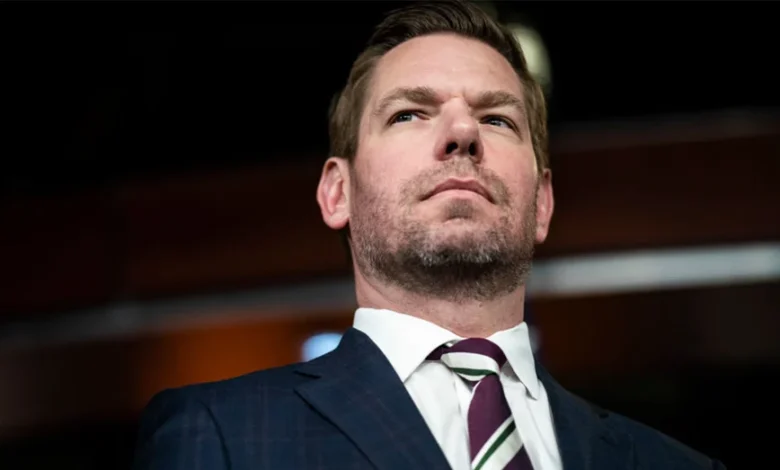
The political landscape in California and Washington D.C. was significantly reshaped this week following the abrupt resignation of Representative Eric Swalwell (D-Calif.) from the U.S. House of Representatives. His decision, announced Monday, came on the heels of mounting pressure from Senate lawmakers and a series of explosive media reports detailing multiple allegations of sexual misconduct. Swalwell’s departure not only ends his tenure as a rising star in the Democratic Party but also triggers a special election to fill his seat in California’s 14th Congressional District, a process that will undoubtedly draw considerable attention.
The cascade of events leading to Swalwell’s resignation began to accelerate over the weekend. On Sunday, news broke that the 42-year-old congressman had decided to abandon his ambitious bid for the California governorship. This withdrawal was directly linked to the surfacing of severe sexual misconduct allegations, which had been extensively reported by major news outlets. Despite his initial move to step back from the gubernatorial race, the pressure intensified for him to relinquish his congressional seat as well.
The Weight of Allegations and Congressional Demands
By Monday, the calls for Swalwell’s resignation from Congress became explicit and bipartisan. Several Democratic senators, historically cautious about preempting due process, voiced their unequivocal belief that Swalwell should step down. Senator Tammy Baldwin, a Democrat from Wisconsin, responded plainly when asked if Swalwell should resign from the House, stating, "I do." Her sentiment was echoed by Senator Maria Cantwell, a Washington Democrat, who simply answered, "Yes." These direct statements from within his own party underscored the gravity of the allegations and the growing consensus that Swalwell’s position had become untenable.
The allegations themselves, first brought to light by detailed investigative reports from CNN and the San Francisco Chronicle last Friday, painted a disturbing picture. These reports meticulously recounted claims from several women, providing specific instances of alleged misconduct. These included accusations that Swalwell had pursued intoxicated women, pressured female employees into intimate situations, and solicited explicit images from various female contacts. The sheer volume and consistency of these accounts sent shockwaves through the political establishment, prompting many to reassess Swalwell’s future.
Senator Mark Warner, a Democrat from Virginia, articulated the alarm felt by many of his colleagues. "They sound extraordinarily serious," Warner stated, referring to the detailed accounts. He added, "I don’t know Mr. Swalwell, but I do think when you have this many people who know him well, [making accusations] he should go." This statement highlighted a critical factor: the multiple sources and the detailed nature of the allegations lent them a significant degree of credibility in the eyes of many lawmakers.
Swalwell’s Response and Rationale
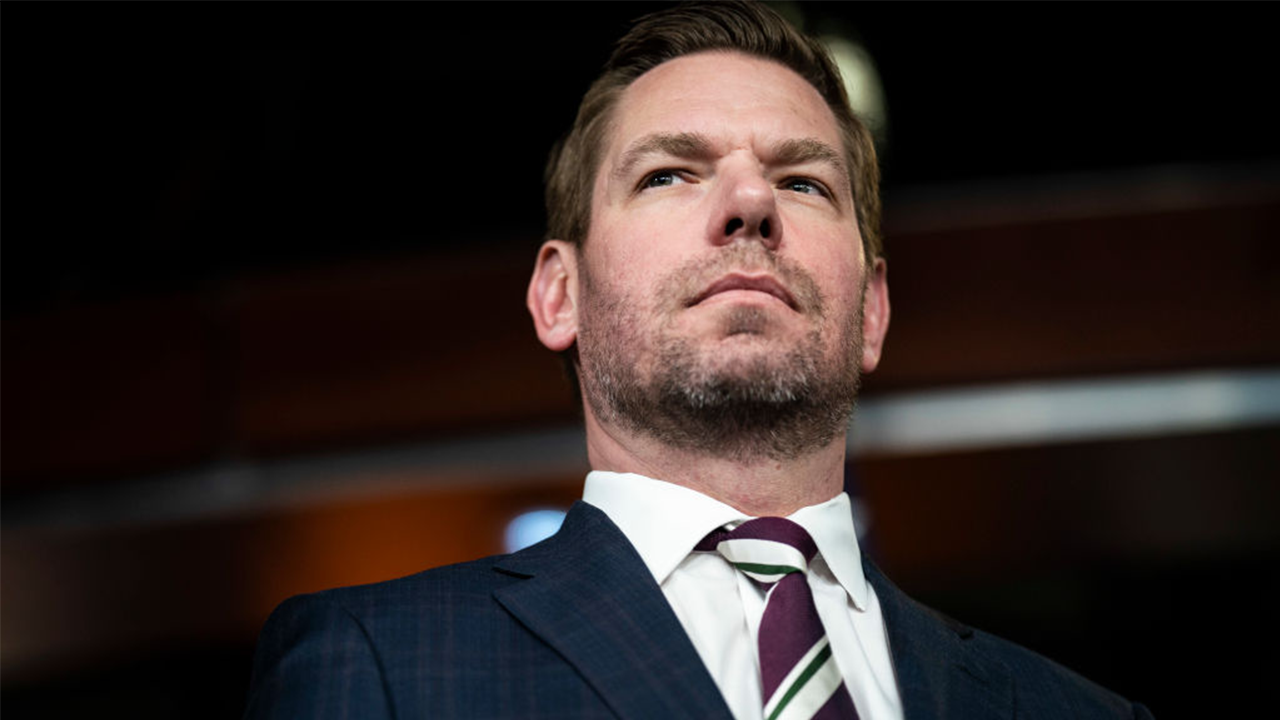
In the face of this escalating political storm, Swalwell ultimately yielded to the pressure. He announced his plans to leave office, acknowledging "mistakes in judgment" while simultaneously pushing back against the most severe accusations. In a statement released shortly after the mounting calls for his resignation, Swalwell said, "I am deeply sorry to my family, staff, and constituents for mistakes in judgment I’ve made in my past. I will fight the serious, false allegations made against me. However, I must take responsibility and ownership for the mistakes I did make."
This statement attempted to navigate a complex legal and ethical tightrope: admitting to unspecified "mistakes" but denying outright the claims of abuse, harassment, and rape that had been leveled against him. The distinction, while perhaps intended to preserve some aspect of his reputation, did little to quell the political fallout or the public outcry. The acknowledgment of "mistakes" suggested a tacit acceptance of some impropriety, even if he contested the most egregious accusations.
Senator Jeane Shaheen, a Democrat representing New Hampshire, offered insight into what she believed was the ultimate deciding factor for Swalwell. "I think he must have heard from his constituents and he responded to that," Shaheen remarked. This perspective underscores the powerful role of public opinion and the direct accountability politicians face from the very people they represent. In the era of instant communication and heightened awareness regarding issues of sexual misconduct, constituents are increasingly vocal and influential in demanding ethical conduct from their elected officials.
Background Context: A Promising Career Derailed
Eric Swalwell’s political career, prior to these allegations, was characterized by a rapid ascent and a national profile. First elected to Congress in 2012 at the age of 31, he represented California’s 15th Congressional District, later redrawn to the 14th, a reliably Democratic stronghold in the San Francisco Bay Area. Before his congressional tenure, he served on the Dublin City Council and as a prosecutor in Alameda County. His youth, prosecutorial background, and articulate demeanor quickly made him a visible figure within the Democratic Party.
Swalwell gained significant national prominence during the Trump administration, becoming a frequent guest on cable news programs where he was a vocal critic of the former president. His role as an impeachment manager during Trump’s first impeachment trial further solidified his status as a national figure and a fierce advocate for his party’s agenda. These high-profile roles, coupled with his ambition, positioned him as a potential future leader within the Democratic Party, leading to his exploratory committee for a presidential run in 2020 and, more recently, his bid for California governor. His district, encompassing parts of Alameda and Contra Costa counties, is diverse and affluent, with a strong progressive bent, consistently re-electing him with wide margins. The average income in the district is significantly higher than the national average, and it has a robust tech sector presence.
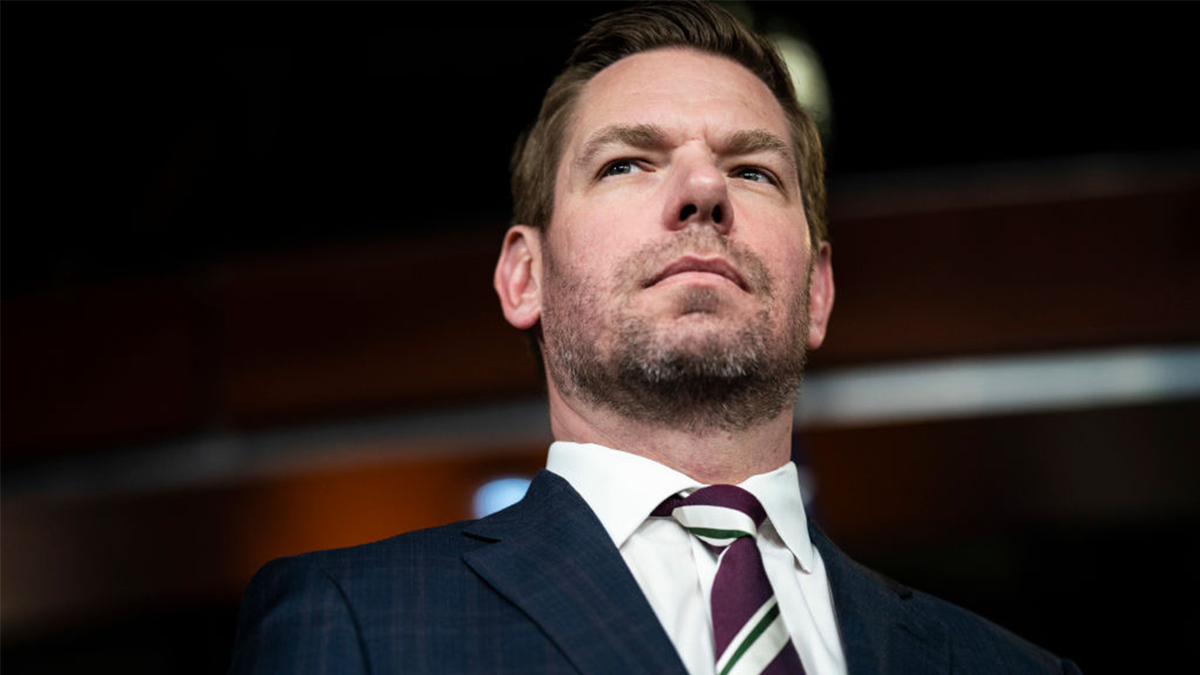
The allegations, however, brought this promising trajectory to a screeching halt. The timing was particularly damaging, as he was actively campaigning for one of the most prominent state offices in the nation. The "Manhattan sex assault probe" referenced in news headlines added a layer of potential legal jeopardy beyond the political and ethical concerns. While details of this probe remained largely under wraps, the mere existence of a law enforcement investigation into sexual assault claims in a major jurisdiction like Manhattan signaled a potentially more serious and enduring challenge for Swalwell.
The Threat of Expulsion and the Ethics Process
Adding to the immediate pressure, Swalwell had been facing the very real threat of an expulsion resolution in the House of Representatives. Such a move is exceedingly rare in congressional history, requiring a two-thirds vote of members present and voting. Historically, expulsion has been reserved for the most egregious forms of misconduct, often involving treason, bribery, or other high crimes. The process typically involves a thorough investigation by the House Ethics Committee.
Swalwell addressed this looming threat in his resignation statement, condemning it as a breach of due process. "I am aware of efforts to bring an immediate expulsion vote against me and other members," he stated. "Expelling anyone in Congress without due process, within days of an allegation being made, is wrong. But it’s also wrong for my constituents to have me distracted from my duties. Therefore, I plan to resign my seat in Congress." His statement implied that while he disagreed with the procedural aspects of a potential expulsion, the practical reality of being "distracted from my duties" ultimately compelled his decision.
The House Ethics Committee, which is responsible for investigating allegations of misconduct against members, would likely have initiated a formal inquiry had Swalwell not resigned. Such investigations are often lengthy, confidential, and can be politically damaging regardless of their ultimate findings. By resigning, Swalwell preempted a potentially prolonged and public ethics battle that would have continued to overshadow his district’s representation and the broader Democratic agenda.
Broader Implications: The #MeToo Era and Political Accountability
Swalwell’s resignation is another significant chapter in the ongoing narrative of accountability within American politics, particularly amplified by the #MeToo movement. Since its widespread resurgence in 2017, #MeToo has fundamentally shifted public expectations regarding the conduct of powerful individuals, including elected officials. Cases involving figures like Senator Al Franken, Representative Katie Hill, and Representative Blake Farenthold demonstrated a heightened intolerance for sexual misconduct, often leading to resignations or decisions not to seek re-election even in the absence of criminal convictions.

The rapid political fallout for Swalwell underscores this changed environment. Where past allegations might have been quietly managed or dismissed, today’s political climate often demands swift and decisive action. The media plays a crucial role in this, with detailed investigative journalism bringing allegations to light that might once have remained hidden. This increased scrutiny, while often painful for the individuals involved, is widely seen as a necessary evolution towards greater transparency and ethical governance.
For the Democratic Party, Swalwell’s situation presented a delicate balancing act. As a party that often champions women’s rights and condemns sexual harassment, failing to act decisively could have been seen as hypocritical. The "Swalwell’s Fall From Grace Sparks Democrat Rush to Return Campaign Contributions Amid Scrutiny" headline indicates the immediate financial and reputational impact on his political allies. Many Democratic organizations and individual politicians likely moved quickly to distance themselves and divest from his campaign funds to avoid being associated with the controversy. This collective action highlights the pressure on parties to demonstrate a firm stance against misconduct. Speaker Nancy Pelosi, a powerful figure within the Democratic Party and a long-time ally of Swalwell, notably distanced herself from him as the allegations mounted, signaling a lack of institutional protection that further isolated the embattled congressman.
The Path Forward: A Special Election in California
Swalwell’s resignation immediately sets in motion the legal requirements for a special election in California’s 14th Congressional District. According to California state law, Governor Gavin Newsom must announce a special election to fill the vacant seat within 14 calendar days of the official resignation. Once announced, the election itself must be held within 140 days.
This timeline means the residents of the 14th District will likely face a crowded and competitive race. Given the district’s strong Democratic leanings—it consistently votes for Democratic presidential candidates by wide margins—the primary election will effectively determine Swalwell’s successor. Potential candidates will emerge from local political figures, state legislators, and potentially even individuals from Swalwell’s former staff or those who have previously run for office in the region. The special election will likely be a costly affair, attracting significant attention and resources from both state and national party organizations eager to maintain or flip control of the seat.
The implications for the Democratic Party in California are also noteworthy. Swalwell’s exit from the gubernatorial race leaves fewer high-profile challengers to Governor Newsom, potentially simplifying the path for the incumbent. However, the sudden vacancy of a congressional seat creates a new dynamic, opening up opportunities for aspiring politicians within the party.
In conclusion, Representative Eric Swalwell’s resignation marks a significant moment of political accountability driven by severe allegations of sexual misconduct and intense public and political pressure. While he maintains a defense against the gravest charges, his decision to step down reflects the shifting landscape of ethical expectations for elected officials in the modern political era. The forthcoming special election in California’s 14th Congressional District will be closely watched as the community seeks to determine its next representative, navigating the aftermath of a scandal that abruptly ended a once-promising political career.