Silencing the Public: How the Trump Administration is Dismantling Environmental Oversight Through Procedural Bypass

For more than half a century, the bedrock of American environmental governance has rested upon a simple yet profound principle: the public has a right to be heard before the government authorizes projects that fundamentally alter their communities, their health, and their local ecosystems. From the passage of the National Environmental Policy Act (NEPA) in 1969 to the implementation of the Clean Air and Clean Water Acts, the federal regulatory framework has relied on a transparent, participatory process. However, a sweeping series of policy shifts under the Trump administration has signaled a departure from this precedent, as federal agencies increasingly adopt strategies to bypass public comment, truncate environmental reviews, and marginalize citizen-led litigation.
A Systematic Shift in Regulatory Engagement
The current administration’s approach to environmental regulation is characterized by a deliberate narrowing of the "notice and comment" period, a practice traditionally mandated by the Administrative Procedure Act (APA). While proponents of the administration’s strategy argue that these changes are necessary to clear the "red tape" strangling American infrastructure, critics and legal scholars warn that the erosion of public input is producing policy that is inherently more fragile, legally vulnerable, and detached from local realities.
By invoking the "good cause" exception to the APA—a clause originally intended for true emergencies like public health crises or imminent national security threats—agencies are increasingly finalizing rules before the public has a chance to review them. This preemptive rulemaking effectively shields administrative decisions from the vetting process that historically identified flaws, miscalculations, and potential environmental hazards in federal proposals.
Chronology of Regulatory Curtailment
The acceleration of these policies began in earnest in early 2025, marking a distinct pivot from the collaborative regulatory model of previous decades.
- Early 2025: Federal agencies, including the Departments of Interior, Agriculture, and Energy, ceased the practice of sharing draft environmental impact statements with the public. This effectively blindsided stakeholders who were previously able to provide input during the formative stages of project development.
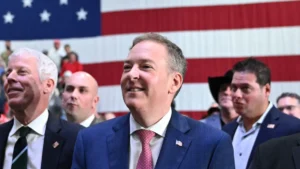
- May 2025: Demonstrations erupted at Senate committee hearings as activists and environmental groups signaled alarm over the cumulative effect of these policies, particularly regarding the EPA’s budget and the shifting mandate of Administrator Lee Zeldin.
- June 2025: The EPA attempted a procedural maneuver to revoke California’s clean car standards by relabeling them as "rules" rather than waivers, a move designed to bypass the traditional public notice and comment period. While the Senate Parliamentarian and the Government Accountability Office (GAO) challenged the legality of this, the administration proceeded, prompting immediate legal pushback from state attorneys general.
- Summer 2025: The administration expanded its use of "national security" justifications to grant exemptions from the Endangered Species Act and the Clean Air Act, particularly for coal plants and chemical manufacturers, setting a precedent that sidesteps environmental compliance standards entirely.
The Cost of Efficiency: Why Public Input Matters
The push to expedite infrastructure and energy projects often cites the need for speed in an era of rapid technological and economic change. Yet, data suggests that the "delays" caused by public participation are often mitigations for long-term failure. The inclusion of local stakeholders has historically served as a diagnostic tool for federal agencies.
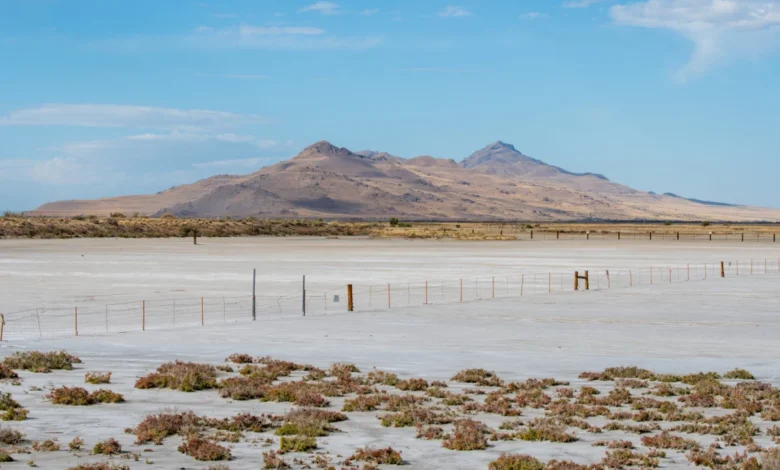
For instance, the redesign of Utah’s Legacy Parkway remains a textbook example of how public oversight preserves vital resources. Initial proposals threatened significant portions of the Great Salt Lake wetlands. Through the NEPA public comment process, the potential for ecological catastrophe was highlighted, leading to a rerouting that protected the area while still allowing for the development of the parkway. Similarly, the Department of Energy’s inclusion of a wildfire-mitigation program at the Los Alamos National Laboratory—a direct result of public comments regarding fire risks—proved essential when a fire later swept through the region, significantly reducing the potential for a catastrophic toxic release.
Current efforts to limit these inputs, including the proposed September 2025 Senate legislation, seek to bar courts from delaying projects even when agencies make demonstrably erroneous assessments. While this may shorten initial project timelines, the long-term risk of litigation and project failure increases, as policies built on incomplete data are significantly more likely to be struck down by federal courts upon review.

Data Center Expansion and the "Minor Source" Loophole
A primary area of concern involves the EPA’s proposal to reclassify certain air pollution permits. By allowing data centers—which are increasingly powered by intensive diesel and gas generation—to divide their power units into smaller, "minor" sources, the agency could effectively exempt them from the stringent public comment requirements reserved for major polluters.
This strategy of "salami slicing" projects to avoid regulatory thresholds is not merely a bureaucratic technicality; it directly impacts the air quality of local communities. Without the requirement to solicit public feedback, the environmental health impacts of these massive energy consumers remain unvetted, leaving residents with little recourse to challenge the proximity of industrial-scale generators to residential or sensitive areas.
The Assault on Citizen Suits
Perhaps the most significant development in this shift is the administration’s challenge to the "citizen suit" provision, a tool provided by Congress in the 1970s to allow private citizens to hold both regulators and private entities accountable for environmental violations.
In a recent intervention regarding a case against xAI for Clean Air Act violations, the administration argued that the President possesses the authority to demand the dismissal of citizen suits for any reason, regardless of whether the government is actively prosecuting the violation. This stance represents a departure from the historical consensus that citizen suits act as a necessary "fail-safe" for environmental enforcement. When federal agencies are underfunded or politically incentivized to look the other way, citizen litigation has remained the primary mechanism for ensuring that federal standards are upheld.
Broader Implications for Governance and Trust
The erosion of public participation in environmental decision-making is not merely an environmental issue; it is a fundamental governance issue. Research consistently shows that when individuals are excluded from decision-making processes that directly affect their health and property, the perceived legitimacy of those decisions declines.
As the administration continues to prioritize speed through the suppression of oversight, the long-term consequences are likely to manifest in three distinct ways:
- Legal Instability: By cutting corners on the Administrative Procedure Act and NEPA, the administration invites a wave of litigation that may ultimately result in the cancellation or stalling of the very projects they seek to expedite.
- Resource Mismanagement: The loss of expert feedback from industry, academia, and local stakeholders means that agencies are operating in an information vacuum, increasing the likelihood of costly engineering or planning errors.
- Institutional Distrust: As the public realizes their input is being actively stifled, the democratic compact that underpins federal environmental policy is weakened. This loss of trust often leads to greater polarization, making future consensus-building around energy and infrastructure policy significantly more difficult.
The current administration maintains that these reforms are the only way to modernize the American economy. However, as the evidence from the past fifty years demonstrates, the most efficient and stable projects are those that have been stress-tested by the very people they affect. By jettisoning public participation, the government may be gaining temporary speed at the cost of enduring, sustainable, and legitimate governance.