The Uilleann Pipes Get an Electric Makeover: A 30-Year Journey to Rock Band Readiness

For decades, the distinctive, often polarizing, sound of bagpipes has echoed through concert halls, ceremonial gatherings, and even the occasional battlefield. While their sonic capabilities have been largely confined to acoustic tradition, one dedicated hobbyist in the United Kingdom has embarked on an ambitious, three-decade-long project to bring the Uilleann pipes into the electric age, aiming to make them a formidable force alongside modern amplified instruments. This remarkable endeavor, detailed on the project’s Hackaday page, showcases a deep dive into instrument modification and a persistent drive to overcome sonic limitations.
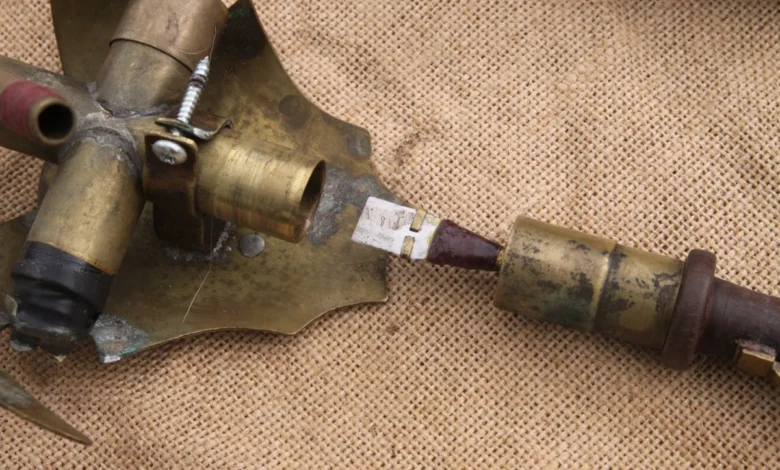
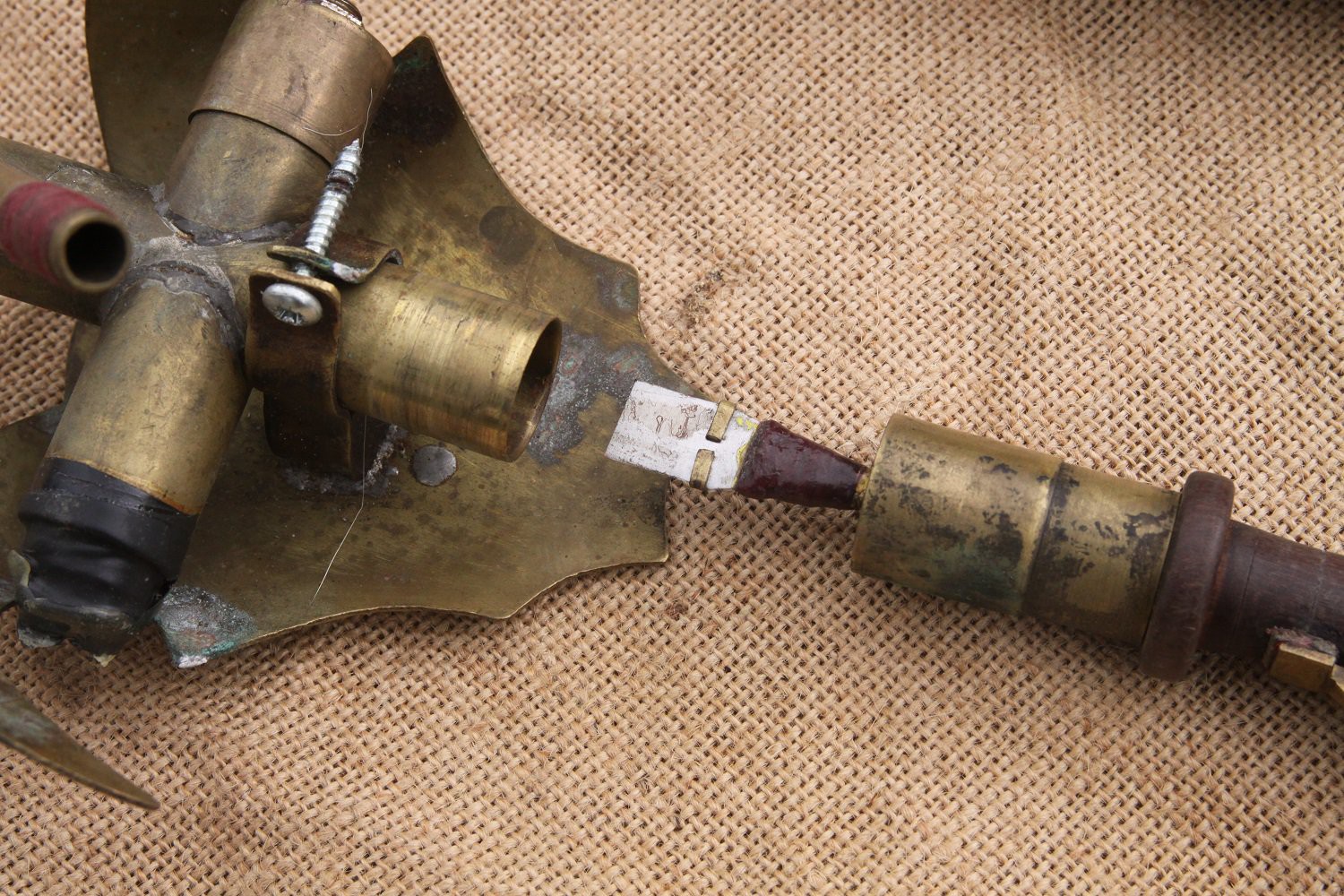
The genesis of this electric bagpipe project can be traced back to 1996. The creator, who operates under the pseudonym "Goat Industries," began by dissecting a traditional Irish Uilleann bagpipe chanter. His initial, and perhaps most crucial, modification involved replacing the standard cane reed with a custom-made reed crafted from carbon steel. This seemingly small alteration was the foundational step in a journey that would span thirty years, driven by a singular ambition: to enable the Uilleann pipes to compete sonically with the amplified roar of electric guitars in a rock band setting.
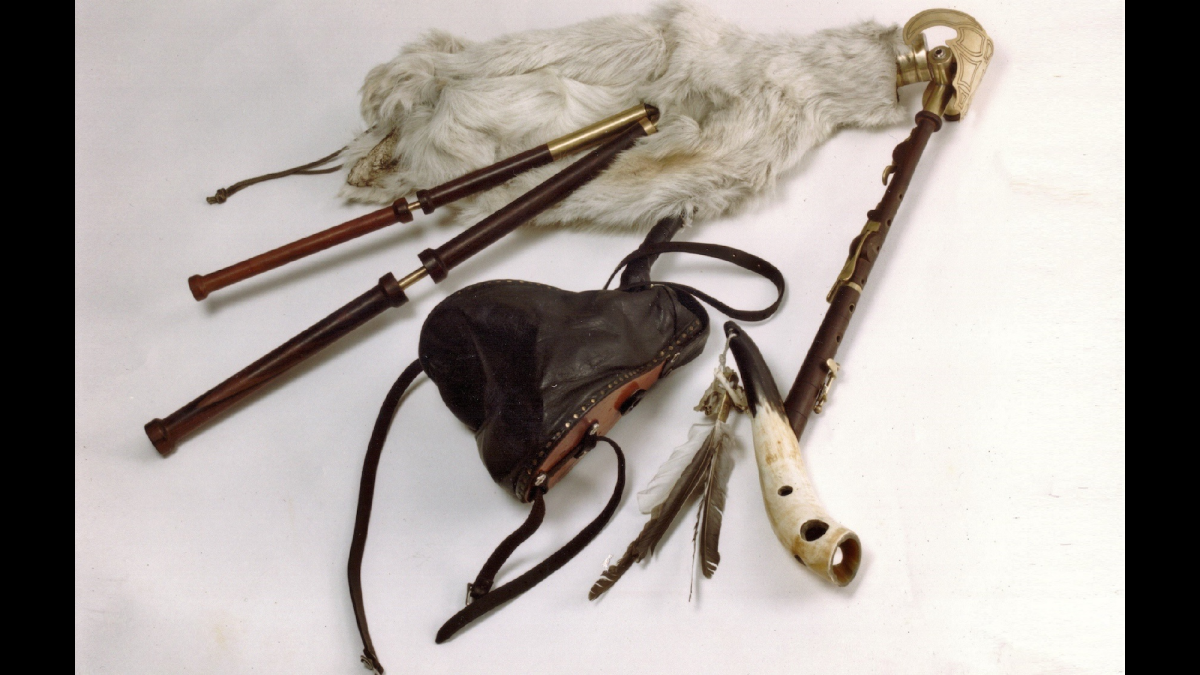
Uilleann pipes, a distinct iteration of the broader bagpipe family, boast a rich history rooted in Ireland, with their origins dating back to the 18th century. Unlike their more boisterous Scottish counterparts, Uilleann pipes are characterized by a more refined and melodic tone. They are played by a seated musician who utilizes a bellows, typically strapped around the waist, to supply a steady stream of air to the reeds. This pneumatic system allows for a more nuanced control over pitch and dynamics, enabling the instrument to cover a wider melodic range, often encompassing two full octaves. While bagpipes have historically been associated with specific cultural identities, particularly Scotland, their lineage is remarkably global, with variations found across North Africa, East Asia, and the Persian Gulf, underscoring their ancient and widespread appeal.
The Uilleann pipes’ traditional role, though often perceived as ceremonial, has occasionally extended to more practical applications. Historically, certain types of bagpipes were used on the battlefield, not for their tactical advantage, but as morale boosters for troops. However, the advent of electric amplification in the 20th century fundamentally shifted the sonic landscape of music. Even the most robust acoustic instruments found it increasingly challenging to cut through the amplified din of electric guitars, bass, and drums. This acoustic disparity presented a significant hurdle for the Uilleann pipes in any ensemble aiming for a contemporary amplified sound.
"I desperately wanted to play the pipes in a rock band and I knew that I would only be able to sonically compete with an electric guitar by fitting an electromagnetic pickup next to a steel reed," the creator explained on his Hackaday project page. This statement reveals the core problem he sought to solve: not just to make the pipes audible, but to integrate them seamlessly into a genre dominated by amplified electricity.
The Ingenuity of the Electromagnetic Reed
The key innovation lies in the electromagnetic pickup, a technology long embraced by electric guitarists. By placing this pickup in close proximity to a conductive material, it can translate vibrations into an electrical signal. In this case, the carbon steel reed, when vibrated by the airflow, acts as the resonating element. The electromagnetic pickup then captures these vibrations, converting them into an electrical signal that can be amplified.
This approach bypasses several limitations inherent in traditional miking techniques for acoustic instruments. While a simple microphone placed near a bagpipe can capture its sound, it often struggles to isolate the instrument from ambient noise and can be prone to feedback issues, especially in a live performance setting with stage monitors. Furthermore, the performer’s ability to hear themselves clearly amidst a loud band can be compromised. The electromagnetic reed system, however, provides a direct and clean signal path, similar to that of an electric guitar, allowing for greater control and a more consistent sound.
The creator further elaborates on the sonic possibilities, noting, "Jimi Hendrix-type feedback can still be created but only by turning up the monitor amp really high and physically shoving the instrument into the speaker." This highlights the potential for creative sonic manipulation, drawing parallels with the experimental techniques pioneered by legendary guitarists. The system also allows for the integration of standard guitar effects pedals, such as distortion, pitch shifters, and delays, opening up a vast palette of sound design opportunities for the Uilleann pipes.
Evolving Beyond the Acoustic Shell
The transformation extends beyond the reed and pickup. While the exterior of the instrument retains the familiar aesthetic of Uilleann pipes, including a bellows covered in traditional goat skin, the internal workings have been significantly modernized. The air reservoir, for instance, is now constructed from a vinyl material commonly used in car seat covers, chosen for its durability and air-tight properties. This pragmatic choice underscores the project’s focus on functionality and longevity in a demanding musical environment.
The impact of these modifications on the instrument’s playability and sound has been significant. The creator recounts audience reactions: "Playing gigs with this instrument, people would crowd around to watch and guitarists at the back would be scratching their heads thinking, ‘That sounds like an electric guitar, but it definitely is not an electric guitar and you definitely can’t get an electric guitar to sound like that!’" This anecdote illustrates the uncanny ability of the electric Uilleann pipes to produce sounds that are both familiar in their amplified power and distinctly novel in their origin.
The Broader Implications of Electrified Traditional Instruments
This project is not an isolated incident but part of a growing trend of innovation in traditional instrument design. Throughout music history, inventors and musicians have sought to adapt existing instruments to new sonic landscapes. From the development of the fretless bass to the electric violin and cello, the drive to push the boundaries of sound and performance capability is a constant. The electrification of the Uilleann pipes represents a fascinating intersection of ancient craftsmanship and modern technology, demonstrating that tradition is not static but can evolve and adapt to contemporary artistic demands.

The implications of such innovations are far-reaching. For musicians who have a deep connection to traditional instruments but desire to perform in modern genres, these electrified versions offer a pathway to achieve their artistic vision without abandoning their heritage. It also expands the sonic palette available to composers and producers, introducing unique timbres and expressive possibilities into new musical works.
Furthermore, projects like Goat Industries’ electric Uilleann pipes contribute to the broader DIY and maker culture. By openly sharing their process and findings on platforms like Hackaday, creators inspire others to experiment, innovate, and build. This collaborative spirit fosters a fertile ground for new ideas and encourages the preservation and evolution of musical traditions through technological engagement.
While the complete schematics for this intricate build are not publicly available, enthusiasts can explore the inventor’s work further by visiting his Bandcamp page, where he showcases original compositions featuring the electro-bagpipes. These recordings offer a tangible demonstration of the instrument’s capabilities and the creative potential unlocked by this decades-long endeavor.
The journey of the electric Uilleann pipes is a testament to human ingenuity, perseverance, and the enduring power of music to transcend conventional boundaries. It is a story that begins with a single spark of an idea in 1996 and culminates in an instrument capable of roaring alongside the electric guitars of a modern rock band, proving that even the most ancient of sounds can find a vibrant and powerful voice in the 21st century.