
Tag Sweet And Savory
Sweet and Savory: A Culinary Symphony of Contrasts
The interplay of sweet and savory flavors is a fundamental pillar of gastronomy, a culinary dance that has captivated palates for centuries. This seemingly simple juxtaposition – the sugar-sweetened against the salt-laden, the umami-rich against the caramel-kissed – is far more than a mere taste sensation. It’s a complex chemical and psychological phenomenon that creates depth, complexity, and an irresistible urge for more. Understanding this dynamic is crucial for home cooks and professional chefs alike, unlocking a vast spectrum of delicious possibilities that elevate dishes from ordinary to extraordinary. At its core, the sweet and savory pairing taps into our innate preferences. Our evolutionary history suggests a natural attraction to both sweetness (signaling readily available energy) and saltiness (essential for bodily functions). When these two fundamental tastes are presented together, they create a synergistic effect, enhancing and balancing each other in ways that are profoundly satisfying. This article will delve deep into the science, the techniques, the ingredients, and the global applications of this powerful culinary alliance, providing a comprehensive guide for anyone seeking to master the art of sweet and savory.
The neurological basis for the allure of sweet and savory lies in how our taste receptors process these distinct sensations. Sweetness is primarily detected by T1R2/T1R3 receptors, triggering a release of dopamine, a neurotransmitter associated with pleasure and reward. Savory, often referred to as umami, is detected by T1R1/T1R3 receptors and is associated with the taste of amino acids, particularly glutamate. Umami signals the presence of protein, a crucial nutrient. When sweet and savory compounds interact on the tongue, they don’t just add up; they amplify each other’s impact. The sweetness can temper the intensity of saltiness, preventing it from becoming overpowering, while the saltiness can amplify the perception of sweetness, making it taste richer and more nuanced. Consider the simple act of adding a pinch of salt to caramel. The salt doesn’t just make the caramel less cloyingly sweet; it unlocks deeper caramel notes and a more complex flavor profile. This is not mere conjecture; scientific studies have demonstrated how the presence of one taste can modulate the perception of another, creating a more rounded and enjoyable gustatory experience. The brain interprets this combined signal as highly rewarding, driving our desire to consume foods that exhibit this characteristic. This evolutionary advantage, coupled with learned associations and cultural influences, makes the sweet and savory pairing a universally appreciated phenomenon.
The fundamental principle behind successfully marrying sweet and savory lies in achieving balance. It’s not about overwhelming the palate with one dominant flavor but about creating a harmonious interplay where each component elevates the other. This balance is often achieved through careful ingredient selection and precise application of cooking techniques. For instance, a dish might feature the natural sweetness of roasted root vegetables like carrots or sweet potatoes, balanced by the inherent saltiness of cured meats like bacon or prosciutto, or the sharp tang of a balsamic glaze. Alternatively, a dessert can achieve a sophisticated edge with the addition of a savory element. Think of salted caramel, a ubiquitous example, where the crystals of sea salt cut through the richness and cloying sweetness of the caramel, creating a moreish contrast. The science of flavor perception is key here. Salt enhances sweetness by suppressing bitterness and providing a counterpoint to the intense sweetness that can otherwise lead to palate fatigue. Conversely, sweetness can round out the sharp edges of salt, making it more palatable and less harsh. The goal is a dynamic equilibrium, where neither flavor dominates but rather a continuous dialogue unfolds on the tongue, keeping the palate engaged and intrigued. This constant subtle shift in perception is what makes sweet and savory pairings so addictive.
A cornerstone of sweet and savory mastery is the strategic use of key ingredients that naturally bridge the gap between the two flavor profiles. Ingredients like honey, maple syrup, and agave nectar offer a pure, unadulterated sweetness that can be readily incorporated into both sweet and savory applications. These liquid sweeteners, with their distinct flavor nuances, can caramelize beautifully, adding depth and color to roasted meats or glazes. Soy sauce, a fermented staple, provides a potent dose of umami and saltiness, but also carries inherent sweetness derived from its fermentation process. It acts as a potent flavor enhancer in marinades, stir-fries, and dipping sauces, where its savory depth is amplified by a touch of brown sugar or honey. Balsamic vinegar, particularly aged varieties, offers a complex sweetness that can be both tangy and syrupy, making it an excellent counterpoint to fatty meats or rich cheeses. Fruits, in their natural state, are a treasure trove of sweet and savory potential. Figs, with their jammy sweetness and subtle earthy notes, pair exceptionally well with salty cheeses like goat cheese or blue cheese. Apples, when roasted or baked, develop a concentrated sweetness that complements pork dishes beautifully. Dried fruits, like dates and apricots, offer an intense sweetness and chewy texture that can add a delightful contrast to savory stews or grain dishes. Even vegetables like corn and peas, when cooked, release their inherent sweetness, making them versatile additions to a wide range of sweet and savory creations.
The techniques employed in cooking play a pivotal role in coaxing out and harmonizing sweet and savory elements. Caramelization, a process that occurs when sugars are heated, is a prime example. Whether it’s the browning of onions, the glazing of a ham, or the creation of a reduction sauce, caramelization develops complex, nutty, and slightly bitter notes that interact beautifully with salty ingredients. Maillard reactions, occurring when amino acids and reducing sugars are heated, create a symphony of browning and flavor development, lending a savory depth to roasted meats and caramelized vegetables. The slow braising of meats, a technique that breaks down connective tissues and tenderizes, also allows the natural sugars within the meat to caramelize, creating a rich, savory base that can be enhanced with sweet accompaniments like dried fruit or a touch of honey in the braising liquid. Roasting, especially of vegetables, concentrates their natural sugars, leading to a delightful sweetness that is amplified by the savory depth achieved through browning. Smoking, a preservation technique that also imparts flavor, adds a savory, smoky dimension that pairs exceptionally well with the sweetness of glazes or marinades, as seen in barbecue. Fermentation, as with soy sauce or miso, unlocks deep umami flavors that are inherently savory but also possess a subtle sweetness, making them incredibly versatile. Even simple techniques like deglazing a pan with wine or broth can introduce a liquid that, when reduced, concentrates both savory and potentially sweet notes from the pan’s fond.
Global cuisines offer an endless tapestry of sweet and savory pairings, each reflecting unique cultural traditions and ingredient availability. Asian cuisines are particularly renowned for their masterful use of this dynamic. Chinese cuisine frequently employs soy sauce, hoisin sauce (a sweet and savory paste), and oyster sauce to create complex flavor profiles in stir-fries, braises, and marinades. The classic sweet and sour pork exemplifies this, with its tangy tomato-based sauce balanced by the sweetness of sugar and pineapple and the savory notes of the pork. Japanese cuisine showcases the delicate balance in dishes like teriyaki, where soy sauce, mirin (sweet rice wine), and sake create a glaze that is both salty and subtly sweet, often served with grilled meats or fish. Miso, a fermented soybean paste, offers a profound umami and salty flavor that can be enhanced with a touch of honey or maple syrup for dressings and glazes. Thai cuisine utilizes the sweet, sour, salty, and spicy elements in perfect harmony. Coconut milk provides a creamy sweetness that balances the heat of chilies and the saltiness of fish sauce. Tamarind, a sour fruit, offers a tangy sweetness that is crucial in many curries and dipping sauces. Indian cuisine boasts a rich history of incorporating sweet elements into savory dishes. The use of fruits like mangoes, apricots, and raisins in curries and chutneys adds a natural sweetness and complex flavor. Garam masala, a blend of spices, often includes warming, sweet spices like cinnamon and cardamom that complement the savory base of lentils and vegetables. In the West, the French have long understood the art of pairing. Duck a l’orange, with its rich, savory duck contrasted by a bright, sweet, and tangy orange sauce, is a classic example. The Italians, while often celebrated for their purely savory dishes, also incorporate sweet elements, such as the use of balsamic glaze on caprese salad or the addition of figs to prosciutto. Middle Eastern cuisines often feature the marriage of fruits and nuts with savory meats and grains. Date molasses, pomegranate molasses, and dried fruits are common additions to tagines and rice dishes, offering a sweetness that complements the earthy spices and savory meats.
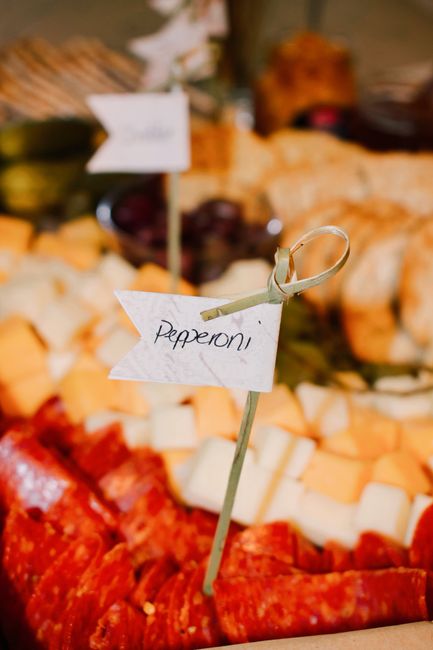
The application of sweet and savory principles extends across appetizers, main courses, and desserts. For appetizers, consider caramelized onion tartlets with goat cheese, where the sweet, jammy onions meet the tangy, salty cheese. Bacon-wrapped dates, a simple yet effective pairing, showcase the smoky, salty bacon against the intense, caramel-like sweetness of the dates. For main courses, grilled pork tenderloin with an apple cider glaze offers a robust savory flavor enhanced by the sweet, slightly tart glaze. Lamb tagine with apricots and almonds brings together tender, savory lamb with the sweetness of dried apricots and the nutty crunch of almonds. Even simple roasted chicken can be elevated with a honey-Dijon marinade. Desserts, too, benefit immensely from a savory counterpoint. The aforementioned salted caramel is a prime example. Chocolate, with its inherent bitterness and richness, pairs exceptionally well with sea salt, chili, or even olive oil, creating sophisticated dessert profiles. Cheese boards are a testament to the power of sweet and savory pairings, with fruits, nuts, honey, and jams acting as natural companions to a variety of cheeses. Even a simple chocolate chip cookie can be made more complex and addictive with the addition of a touch of sea salt. The key is to identify the dominant flavor profile of a dish and then introduce a complementary sweet or savory element that enhances, rather than competes with, the existing flavors. This thoughtful consideration of balance is what transforms good food into truly memorable culinary experiences.
In conclusion, the fusion of sweet and savory is not merely a culinary trend but a fundamental principle of taste that resonates deeply with our biology and cultural preferences. By understanding the science behind flavor perception, the properties of key ingredients, and the art of cooking techniques, one can unlock a vast and exciting realm of culinary possibilities. Whether it’s a subtle hint of sweetness in a savory stew or a whisper of salt in a decadent dessert, the judicious application of this contrast creates depth, complexity, and an irresistible allure that keeps us coming back for more. The global exploration of sweet and savory pairings reveals its universality and adaptability, offering endless inspiration for both novice cooks and seasoned chefs. Mastering this delicate balance is a journey of continuous discovery, leading to dishes that are not just eaten but savored, remembered, and craved. The sweet and savory symphony is a testament to the fact that sometimes, the most profound culinary experiences arise from the most unexpected and delightful contrasts.
