Senate Energy Negotiators Clash Over Permitting Reform, Data Centers, and Grid Reliability Ahead of Midterms

As lawmakers prepare to leave Capitol Hill to campaign for the upcoming midterm elections, a bipartisan group of senators is locked in high-stakes negotiations over a long-desired energy permitting reform bill. Analysts and industry stakeholders widely view the legislation as critical to addressing the United States’ escalating power needs. However, the path forward remains fraught with political hurdles, environmental concerns, and a significant public relations challenge regarding the explosive growth of artificial intelligence and data centers.
The draft legislation represents a rare instance of bipartisan alignment in an otherwise deeply polarized Washington, where lawmakers from both sides of the aisle agree that the federal energy permitting process is severely broken. Despite months of intensive closed-door negotiations led by top-ranking members of key Senate energy committees, the bill’s finer details remain unpublicized, and its immediate future hangs in the balance as members pivot their focus toward the electoral map.
The Roots of a Legislative Gridlock
The debate over federal permitting reform is not new, but the urgency driving the current legislative push is unprecedented. For years, energy developers, industry leaders, and lawmakers have complained that cumbersome federal regulations, exhaustive environmental impact reviews, multi-agency bureaucratic overlap, and frequent legal challenges from conservation groups routinely delay vital energy infrastructure projects for years.
Previous attempts to streamline the process have consistently stalled. Most notably, the Energy Permitting Reform Act of 2024 successfully made it out of committee but ultimately failed to secure a full floor vote in the Senate. Lawmakers acknowledge that the sheer magnitude of surging electricity demand has injected new momentum into the latest legislative vehicle, surpassing any previous reform efforts.
However, translating this bipartisan consensus into legislative text has proven difficult. The core friction point centers on balancing the urgent need for rapid infrastructure deployment with bedrock environmental protections, such as the Clean Water Act and the Endangered Species Act. While Republicans generally prioritize fast-tracking traditional and alternative energy sources to foster economic growth and secure energy independence, Democrats remain cautious about stripping away safeguards that protect local ecosystems and communities.
The Geopolitical Urgency and the Artificial Intelligence Boom
Driving much of the legislative urgency is a nationwide spike in electricity demand. Long before the recent tech boom fueled by artificial intelligence, U.S. power consumption was already ticking upward due to the ongoing electrification of the American economy. The widespread adoption of residential heat pumps, electric vehicles, and energy-intensive commercial appliances has steadily increased grid loads. Furthermore, federal initiatives aimed at reshoring manufacturing operations require a massive, reliable supply of electricity to succeed.
The rapid, sprawling build-out of data centers to support advanced AI infrastructure has severely accelerated this trend. Major technology firms, including Google and other data center developers, have actively lobbied for permitting reform, warning that bureaucratic bottlenecks threaten to stall technological innovation.
Beyond domestic economic competitiveness, lawmakers from both parties frequently frame the energy build-up as a matter of national security. Proponents of the bill argue that a sluggish regulatory framework handicaps the United States against global competitors, particularly China.
"While Communist China cuts corners to get ahead, a mountain of red tape has America fighting the energy war with one hand tied behind our backs," Senator Rick Scott, a Republican, noted in a recent legislative statement.
Yet, public opinion polling indicates that geopolitical arguments regarding competition with China carry significantly less weight with average voters than they once did, complicating the messaging strategy for candidates facing reelection in November.
The Public Relations Crisis Surrounding Data Centers
While Washington policymakers view data centers as essential economic and technological engines, public reception at the local level is overwhelmingly hostile. According to recent public opinion research from D.C.-based Redbud Consulting, data centers have become a toxic subject for voters across the political spectrum. Polls indicate that Democrats, Republicans, and Independents strongly oppose the construction of large-scale data centers within their local communities.
This dynamic creates a profound political dilemma for lawmakers up for reelection. While legislators recognize the absolute necessity of upgrading the nation’s electrical grid to accommodate growing industrial and technological demands, they are acutely aware that associating permitting reform directly with data centers can severely damage their electoral prospects.
Alex Lundry, president of Redbud Consulting, highlighted the delicate tightrope politicians must walk. "If you phrase permitting reform as serving data centers, the polling results get way worse," Lundry explained. Consequently, pollsters advise campaigns to frame permitting reform around more palatable concepts, such as lowering consumer utility bills and expanding renewable energy production. Recent data from Redbud indicates that 71 percent of Americans view expanding renewable energy as a positive step, while 70 percent report that their utility bills have increased over the past year.
Legislative actions in the House of Representatives reflect this acute awareness of public anxiety over utility costs. Shortly before the Senate permitting talks intensified, the House passed legislation encouraging states to mandate that data center developers pay directly for the new electricity generation facilities required to power their operations, thereby shielding everyday ratepayers from absorbing those costs. That bill has currently stalled in the Senate, where some Democratic lawmakers have criticized the measure as insufficiently stringent.
The Renewable Energy Crossroads and White House Stance
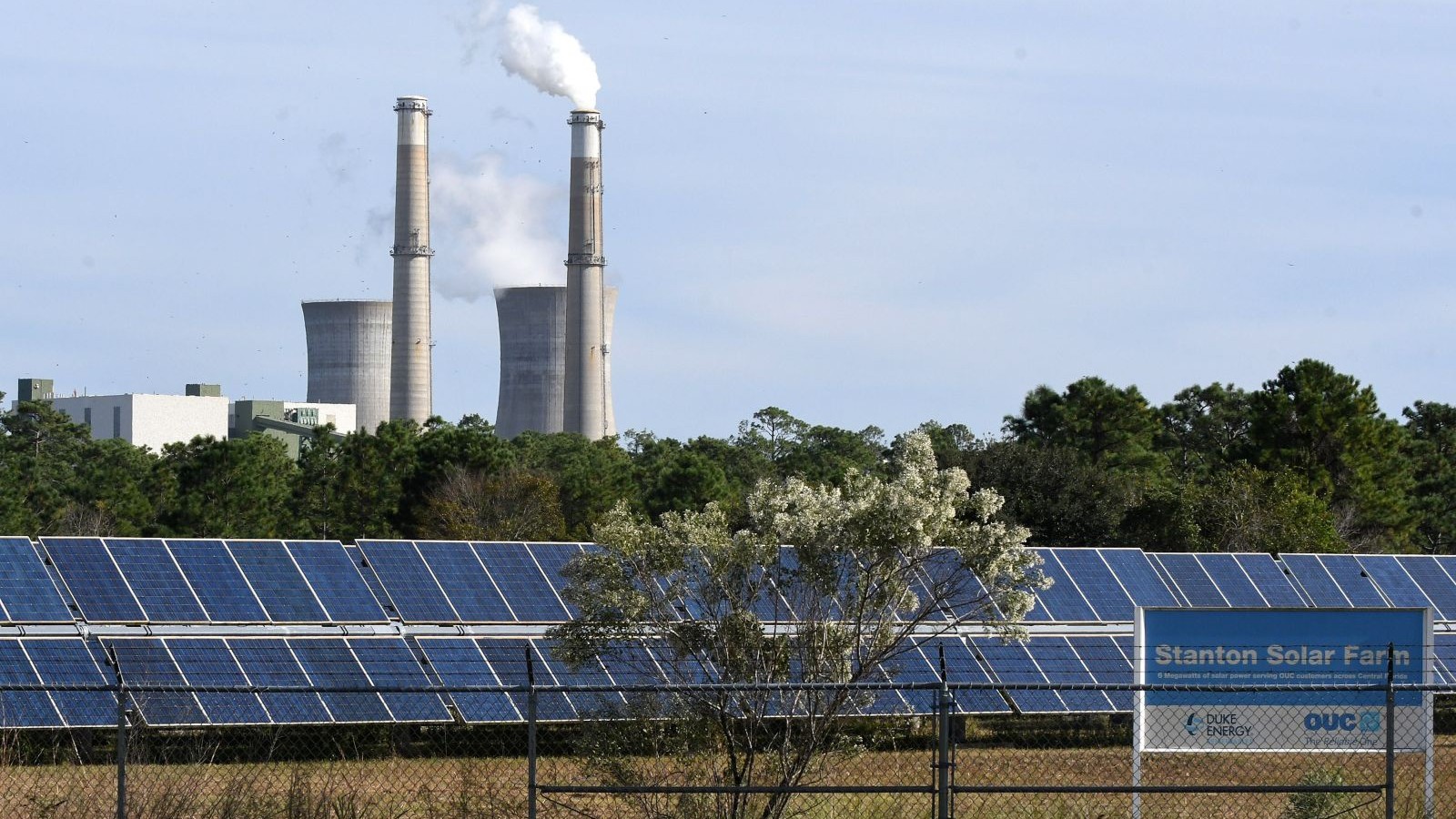
The proposed Senate permitting reform bill is designed to accelerate construction across the entire energy spectrum, benefiting renewable and fossil fuel projects alike. Solar power and battery storage installations are projected to account for nearly 80 percent of all new power generation built in the United States, while natural gas remains the single largest source of domestic electricity generation and a primary power source for data centers.
Industry groups, including the Solar Energy Industry Association, have strongly endorsed the legislative push, with leadership warning that the nation’s energy deployment pipeline remains severely restricted without federal action.
Complicating the legislative calculus further is the position of the executive branch. President Donald Trump has signaled a willingness to lift roadblocks on wind and solar energy projects to entice congressional Democrats into reaching a comprehensive permitting deal. However, Democratic negotiators have expressed skepticism, demanding explicit legal clarity regarding how the administration intends to handle renewable energy oversight in practice.
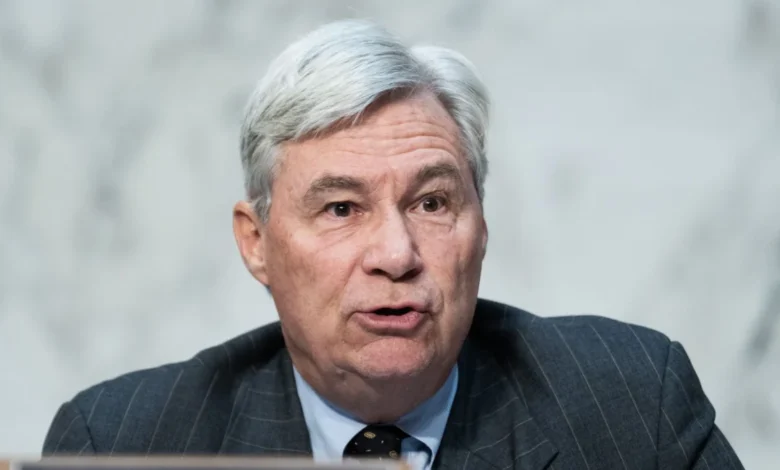
"I appreciate very much what the administration has done to move in this direction, but in order to brief colleagues on what this really means, we need just a bit more clarity on exactly what return to regular order for wind and solar projects looks like," Senator Sheldon Whitehouse, a Democrat from Rhode Island and a primary negotiator on the bill, told reporters. "So that’s still to be done, but that I think can happen in fairly short order."
Outlook and Future Implications
As senators depart Washington to campaign for the midterms, the formal timeline for finalizing the permitting bill has effectively slipped past the pre-election window. Political analysts report that lawmakers intend to resume intensive negotiations following the November elections.
The post-election legislative environment will introduce new variables, particularly if the balance of power shifts in Congress. Whether lawmakers can bridge the gap between industrial energy demands, environmental preservation, and public skepticism over data centers remains one of the most critical legislative questions facing the federal government. Without a comprehensive modernization of the permitting process, energy experts warn that the nation’s aging infrastructure will struggle to support future economic growth, technological advancement, and grid reliability.