Fighting Fire With Fire: The High-Stakes Battle Over Prescribed Burns in Nebraskas Record Wildfire Season

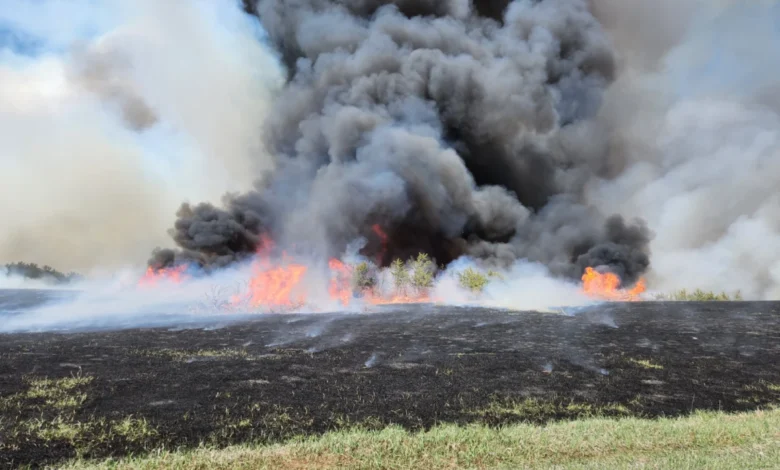
As a fast-moving wall of flames surged toward the district of Cozad, Nebraska, Fire Chief Jason Schneider and his crew found themselves trapped in a literal uphill battle against an unpredictable adversary. The Cottonwood Fire, which ignited in March, was tearing through the Loess Canyons—a rugged landscape characterized by precipitous slopes, narrow valleys, and a dearth of navigable roads. More dangerously, the area was thick with invasive eastern red cedar trees. These trees are notorious among fire professionals; they contain volatile oils that allow them to throw embers miles ahead of the main front, and in high-intensity situations, they have been known to explode.
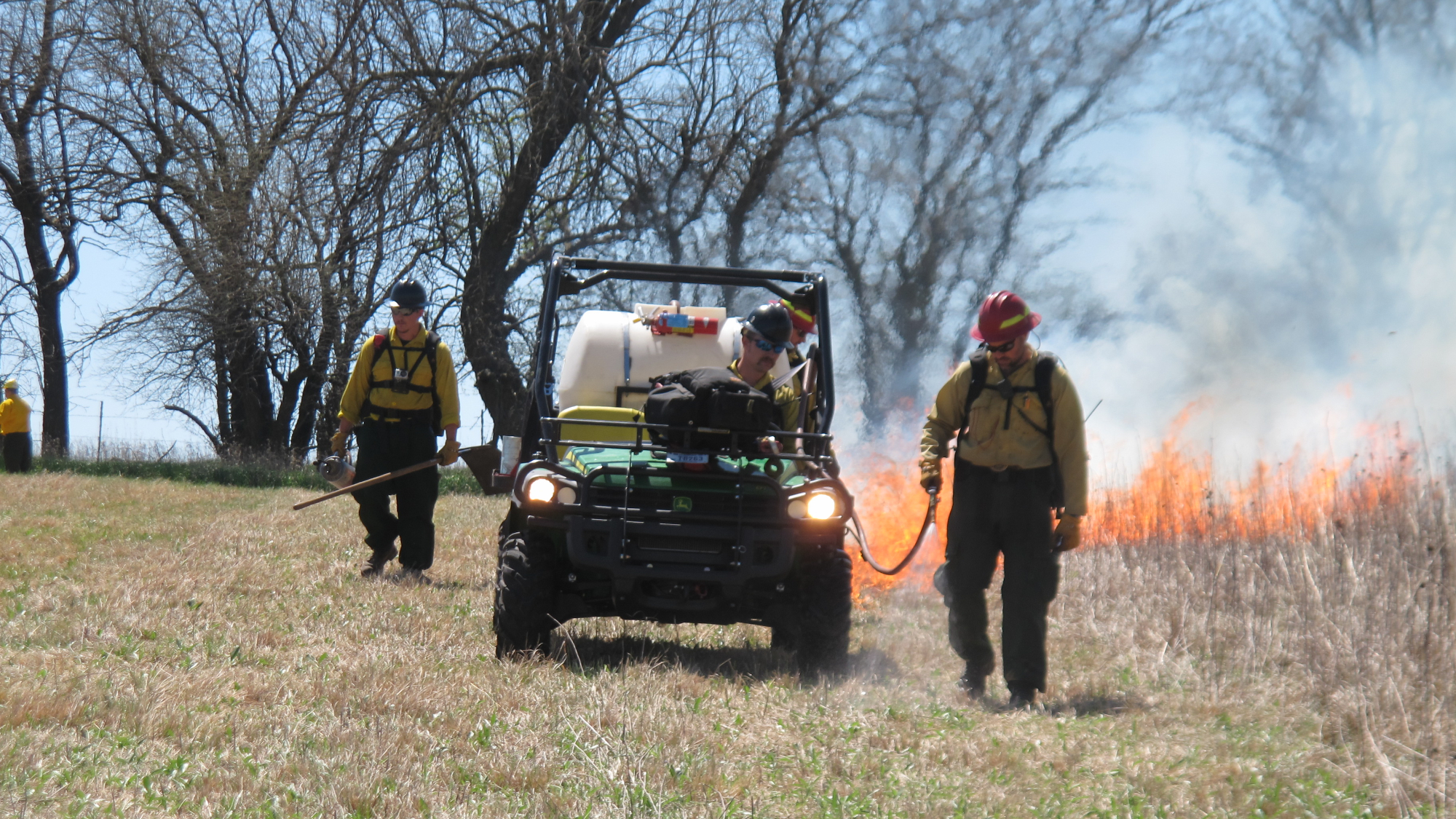
The volunteer firefighters, who comprise approximately 92 percent of Nebraska’s fire departments, struggled to maintain a perimeter. Every time they believed a flank was extinguished, the fire would jump behind them, fueled by the dense underbrush and the relentless Nebraska wind. The tide only began to turn when Schneider’s team coordinated with the South Loup Burn Association, a collective of local landowners and ranchers. Using a technique known as "backburning"—the strategic setting of controlled fires in the path of an advancing wildfire to consume fuel—they were able to starve the Cottonwood Fire of the material it needed to grow.
While the Cottonwood Fire was eventually contained through these proactive methods, it has become a central case study in an increasingly urgent debate. As Nebraska grapples with its most destructive wildfire season on record, the state is divided over a centuries-old land management practice: the use of prescribed fire. To proponents, it is the only way to save the grasslands from invasive species and catastrophic blazes. To critics, it is a dangerous gamble that risks turning a controlled burn into a community-wide disaster.
A State in Flames: The 2024 Wildfire Statistics
The 2024 fire season has been unprecedented in Nebraska’s history. Unlike the Western United States, where wildfire risk typically peaks in the late summer and autumn, the Great Plains often face their greatest danger in the spring. A combination of a mild, dry winter and dormant, cured grasses creates a tinderbox environment before the "green-up" of late spring.
As of early May, wildfires had consumed an estimated 981,502 acres across the state. This staggering figure represents a significant blow to the state’s agricultural economy, particularly for ranchers who have lost grazing land, livestock, and miles of expensive fencing. Among the most notable blazes was the Morrill Fire, which scorched approximately 642,000 acres, and the Ashby Fire, which claimed another 36,000 acres.
This surge in activity has brought Nebraska into a national conversation about fuel management. While states like Mississippi, Alabama, and Georgia regularly burn between 250,000 and one million acres annually to manage forests, and Western states like Oregon and Arizona burn up to 250,000 acres, Nebraska has only recently begun to scale its prescribed fire efforts. According to the Nebraska Prescribed Fire Council, the first half of 2025 saw a record 92,700 acres treated with prescribed burns, yet even this record amount is seen by ecologists as a fraction of what is required to stabilize the landscape.
The Biological Threat: The Invasion of the Eastern Red Cedar
The primary driver of Nebraska’s intensifying fire behavior is the encroachment of the eastern red cedar. Historically, the state’s native grasslands were maintained by frequent, low-intensity fires—often sparked by lightning or intentionally set by Indigenous peoples to manage bison herds and clear underbrush. These fires killed cedar seedlings before they could mature.
However, over a century of fire suppression policies transformed the landscape. Without fire to check their growth, cedar woodlands have crept out of the canyons and into the open prairies. For ranchers, this is an economic disaster; a dense cedar thicket can reduce the grazing capacity of a pasture by 75 percent or more.
"You don’t get rid of fire, you just change the nature of it," explains Kent Pfeiffer, a program manager for the Northern Prairies Land Trust. Pfeiffer argues that by removing frequent, manageable fires, the state has inadvertently invited infrequent, high-intensity fires. When a wildfire hits a cedar-choked canyon today, the fuel load is so high that the fire becomes almost impossible to suppress using traditional water-based methods.
The Human Element: Ranchers Turned Firefighters
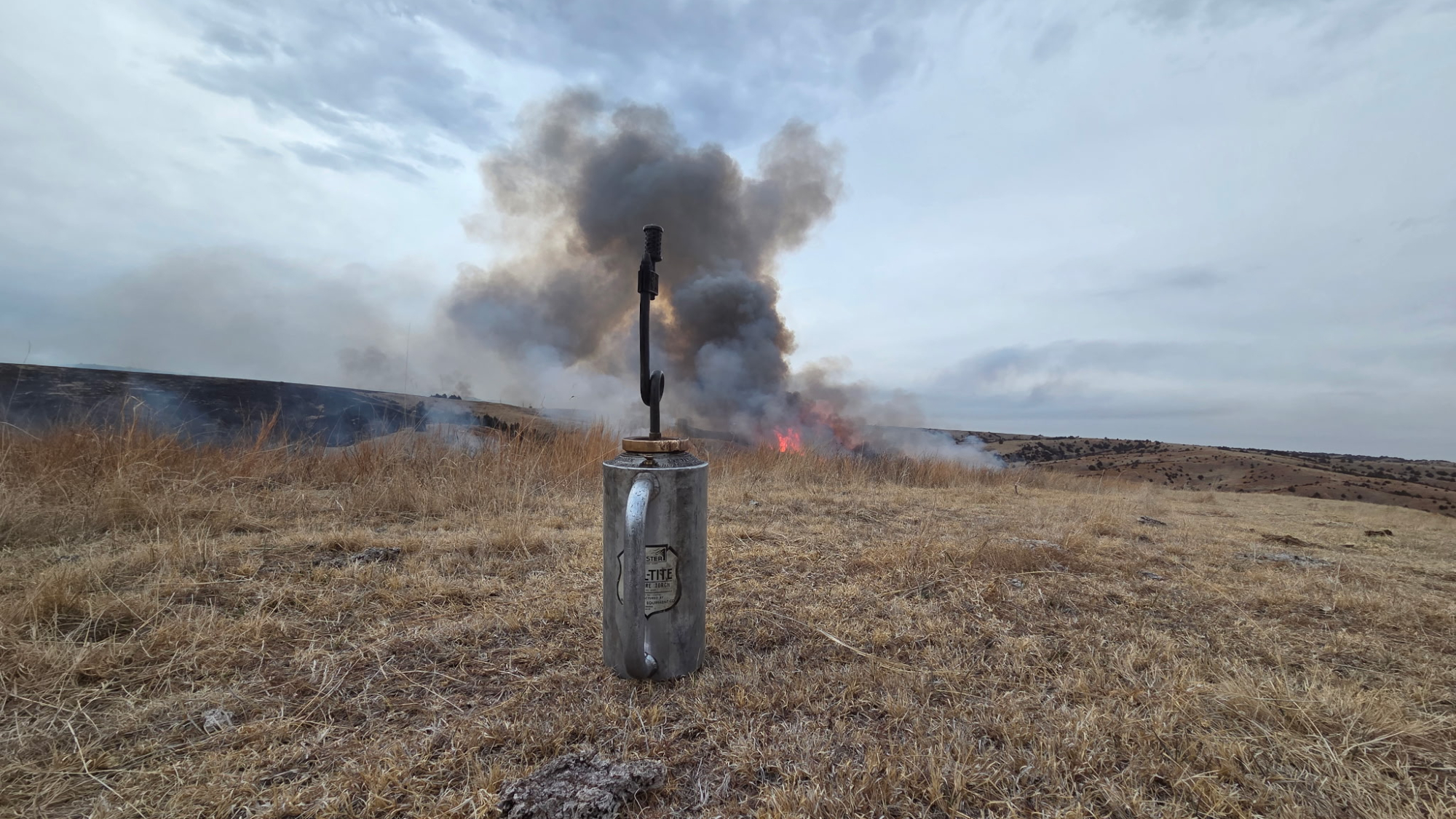
For many Nebraska ranchers, the decision to use fire is born of necessity. Tucker Thompson, a rancher who operates in the Loess Canyons, initially viewed prescribed burning with skepticism. In the early 2000s, after participating in a neighbor’s burn, he was so unsettled by the power of the flames that he vowed never to be responsible for a fire again. Instead, he spent years manually clearing 400 acres of cedar trees with a chainsaw—a grueling and expensive task.
A decade later, the cedars had returned. Thompson realized that mechanical clearing was a losing battle. "There’s no way of killing these dang things, so I burned them," he said. Today, Thompson is a member of two burn associations. His experience highlights a shifting culture in central and eastern Nebraska, where landowners are increasingly pooling resources—machinery, manpower, and expertise—to conduct safe, legal burns.
These burn associations operate under strict protocols. To conduct a burn, a landowner must submit a detailed plan to the local fire chief, including weather parameters, safety equipment lists, and contingency plans. If the conditions aren’t perfect, the burn is canceled. Semi-retired rancher Jon Immink, who coordinates burns near the Kansas border, notes the immense psychological toll of this responsibility. "I do not sleep well in burn season," Immink said, noting that he often wakes at 4:00 a.m. to obsess over weather shifts.
The Sandhills Resistance and the Risk of Escape
Despite the ecological evidence supporting prescribed burns, the practice faces fierce opposition in the western Sandhills. This region, characterized by fragile sandy soils and a lack of natural firebreaks, presents a different set of risks. If the vegetation is burned off and the wind picks up, the sandy soil can blow away, leaving behind a "moonscape" that takes years to recover.
Ralph Moul, Chief of Keystone-Lemoyne Fire and Rescue, reflects the caution felt by many in the west. He recalls a group that tried to establish a burn association in the Tryon and Mullen areas a few years ago, noting that the local opposition was so intense they were nearly "lynched" out of the meeting. "They said, ‘No, we do not want fire in the Sandhills,’ because there’s nothing to stop it up here," Moul said.
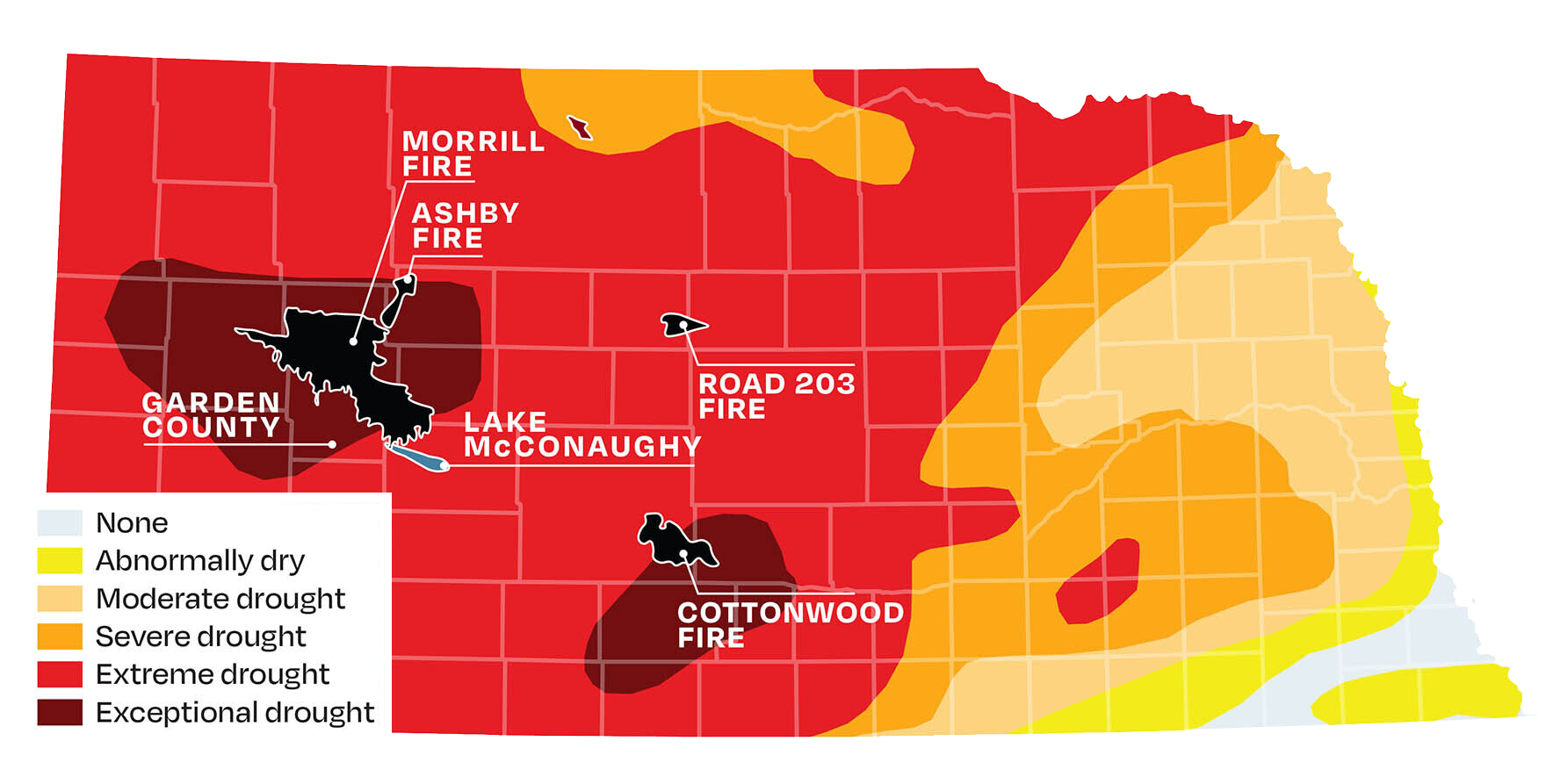
The fear is not unfounded. While the Nebraska Prescribed Fire Council reports a 99.84 percent success rate for controlled burns, the 0.16 percent that escape can be devastating. In March, the Road 203 wildfire in the Nebraska National Forest began as a prescribed burn. Despite fire ignitions having ended a day prior, a sudden shift in wind created a "spot fire" outside the perimeter, which eventually consumed nearly 36,000 acres. Such incidents provide ammunition to critics who argue that fire is too volatile an element to be used as a tool, especially during "red flag" days when humidity is low and winds are high.
Policy Tensions: The Governors Burn Ban
The debate reached a fever pitch this spring when Governor Jim Pillen issued a temporary statewide ban on issuing new burn permits. The order was a response to the massive wildfires tearing through the Panhandle, intended to ensure that all firefighting resources remained available for emergency suppression.
However, the ban had unintended consequences in regions where the fire risk was lower and conditions were ideal for prescribed burns. Fairbury Fire Chief Judd Stewart expressed frustration with the blanket order, noting that in his jurisdiction in southeast Nebraska, the ban prevented landowners from clearing heavy vegetation. "Now they still have that heavy vegetation, but they’ve got new grasses growing in it," Stewart said. He warned that this creates a "heavy fuel load" that will be even harder to contain when the heat of mid-summer arrives.
The economic impact of the ban was also significant. Austin Klemm of the South Loup Burn Association estimated that a group of six landowners he works with had invested upwards of $275,000 in preparation for burns that were ultimately canceled. These costs include "deferred grazing"—the practice of not allowing cattle to eat the grass for a full year so that it can serve as fuel for the prescribed fire. When a burn is canceled, the rancher has effectively lost a year of income from that land with no ecological benefit to show for it.
Analysis: A Future Defined by Fire
The current state of fire management in Nebraska is at a crossroads. Ecologists like Dirac Twidwell of the University of Nebraska-Lincoln argue that the status quo is unsustainable. "What we know is that overall, our fire management is not working," Twidwell stated. The dual pressures of climate change—which brings longer droughts and hotter days—and the unchecked spread of cedar trees are creating a landscape that is increasingly prone to "megafires."
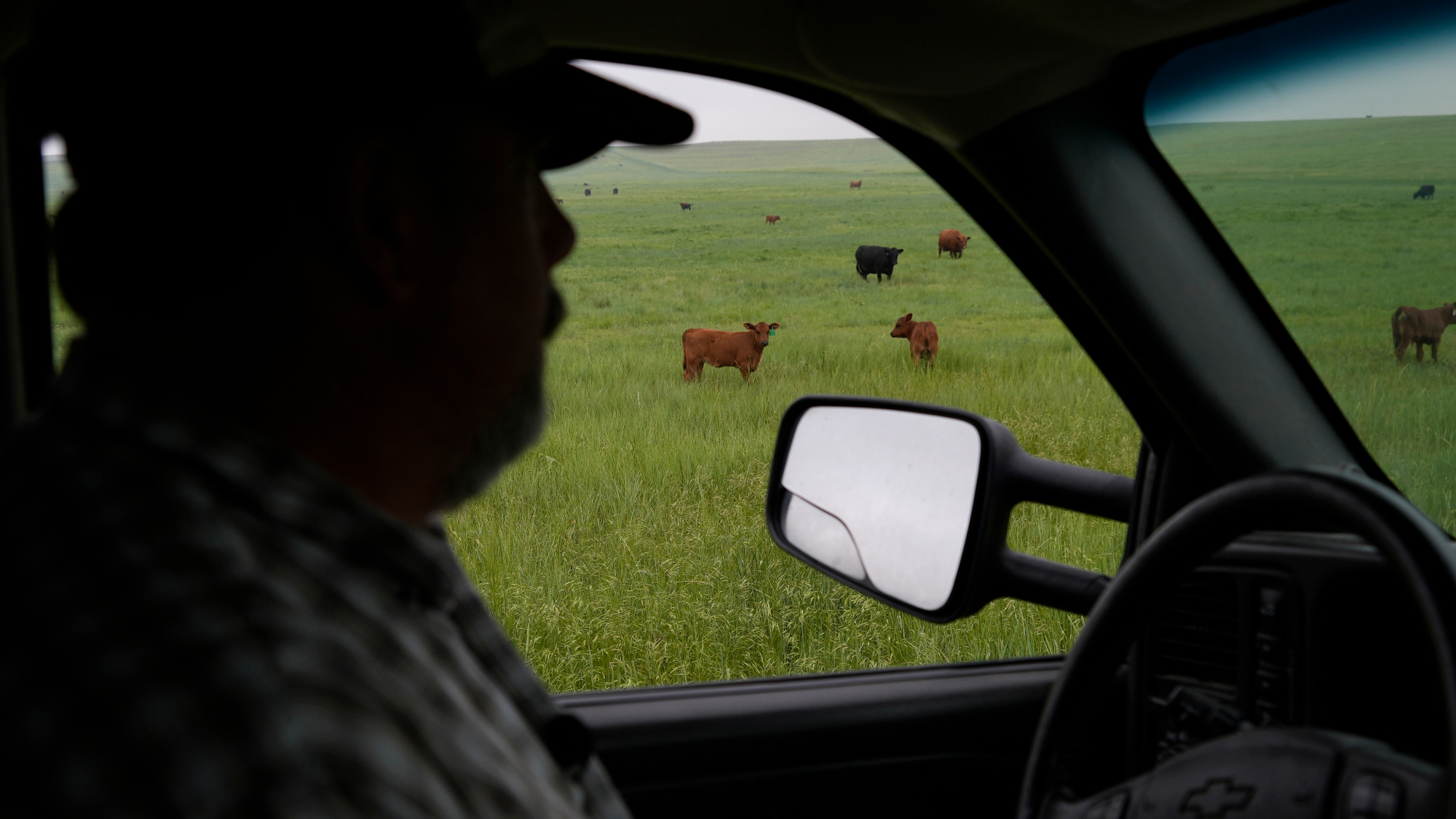
The shift toward prescribed fire represents a return to a more natural cycle, but it requires a level of social trust and inter-agency cooperation that is still developing. While the Loess Canyons have built a robust "fire culture," other parts of the state remain understandably hesitant.
The implications are clear: Nebraska must decide whether it will manage fire on its own terms through controlled, prescribed applications, or continue to react to catastrophic wildfires that move faster and burn hotter than anything the state’s volunteer departments were designed to handle. As the 2024 season has proven, fire is coming to the Great Plains; the only remaining question is what state the land will be in when it arrives.
For the ranchers who have seen their grazing lands turned to ash and the fire chiefs who have stood in the path of exploding cedar trees, the debate is no longer academic. It is a matter of survival for a way of life that has defined the Nebraska prairie for generations. The path forward will likely require a compromise between the aggressive fuel reduction seen in the east and the cautious conservation required in the west, all while navigating a climate that is becoming less predictable by the year.
Related posts: