Trump and Rubio Weigh Firing US Ambassador to Greece Kimberly Guilfoyle Over Mounting Misconduct and Donor Bailout Allegations

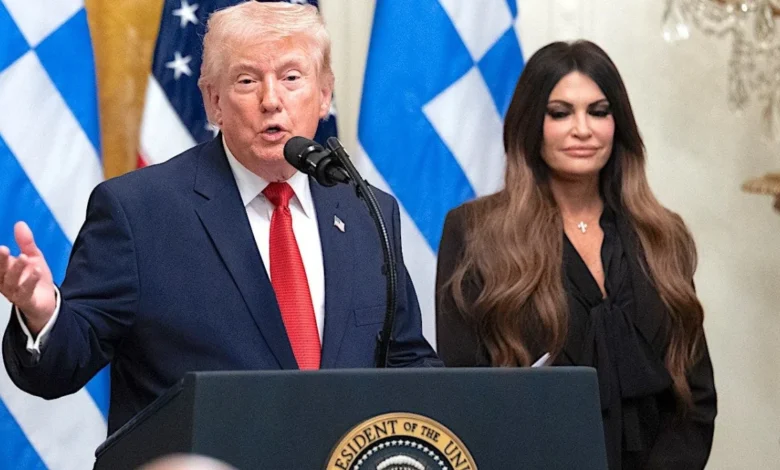
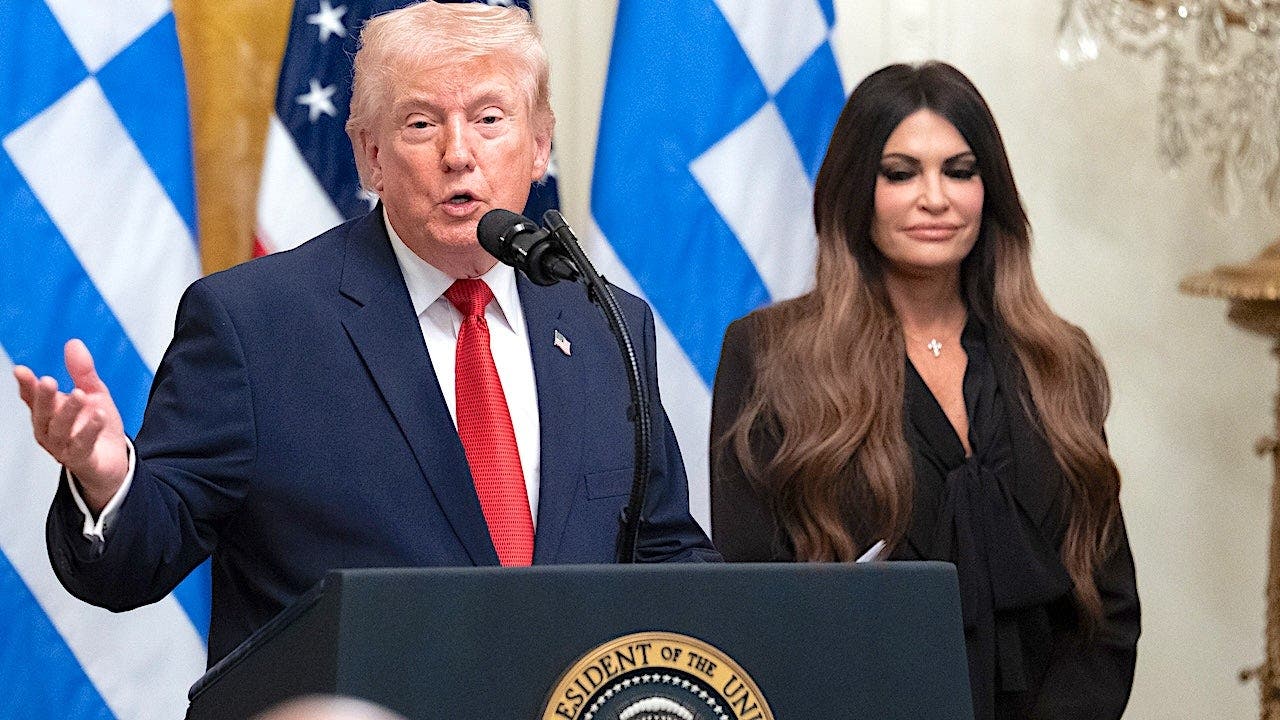
The administration of President Donald Trump is actively weighing the future of U.S. Ambassador to Greece Kimberly Guilfoyle following a cascade of severe allegations concerning improper conduct, ethical lapses, and questionable financial dealings both prior to and during her diplomatic tenure in Athens. President Trump publicly acknowledged that his administration is evaluating the situation, signaling growing frustration within the highest echelons of the executive branch as scrutiny intensifies around the high-profile appointee.
The brewing diplomatic controversy places the White House and the Department of State in a delicate position, forcing senior officials to balance internal loyalties against the necessity of maintaining rigorous ethical standards in foreign missions. As investigative reports mount and congressional inquiries loom, the administration faces critical decisions regarding diplomatic accountability, oversight, and the strict boundaries governing official conduct abroad.
Escalating Pressure and White House Response
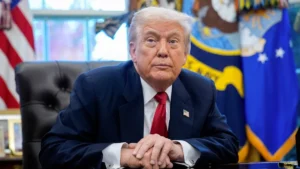
Speaking to reporters at the White House on Monday afternoon prior to his departure for a campaign rally in Ohio, President Trump addressed the swirling controversies surrounding the U.S. envoy. When asked directly whether he was considering terminating Guilfoyle’s ambassadorial assignment, Trump confirmed that the administration is reviewing the matter closely.
"Well, we’re looking at it," Trump told the press corps. "Yeah, we’re not happy."
The president’s remarks underscored a broader sentiment of discontent within the executive branch. According to a senior administration official, both President Trump and Secretary of State Marco Rubio have grown increasingly exasperated by the persistent revelations regarding Guilfoyle’s professional conduct. Internal discussions are underway, and a definitive decision regarding her diplomatic status is anticipated within the week.
The controversy escalated following investigative reporting by The Wall Street Journal, which detailed a series of troubling allegations against the ambassador. Among the most prominent claims is that Guilfoyle solicited a prominent Trump donor to cover a $100,000 personal credit card bill ahead of her formal Senate confirmation hearing. Reports indicate that the solicitation allegedly included implicit promises of securing direct access to high-ranking administration officials.
Additional allegations outlined in the reporting suggest that Guilfoyle utilized her official position to promote the commercial interests of a specific Greek construction and energy firm, issued an implicit threat directed at the Greek government, permitted an unregistered lobbyist to participate in confidential diplomatic meetings, and accepted improper gifts and services in violation of federal ethics guidelines.
Diplomatic Friction in Athens
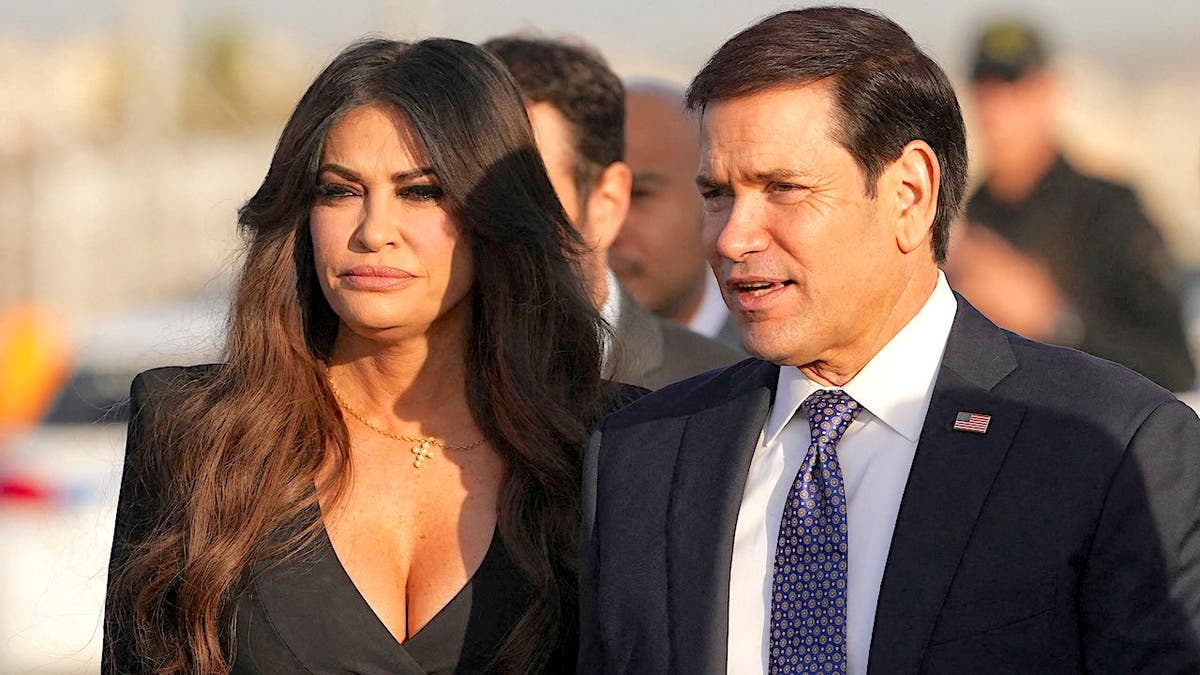
The controversy came to a head last week during Secretary of State Marco Rubio’s official visit to Athens, where he co-chaired the sixth round of the Greece-U.S. Strategic Dialogue alongside Greek foreign officials. Rather than focusing entirely on bilateral security and economic partnerships, the secretary’s diplomatic mission was overshadowed by persistent questioning from the traveling press corps regarding the allegations against the ambassador.
Rubio displayed visible frustration during a press gaggle at the foot of his departing aircraft, with Guilfoyle standing nearby to see him off. Rejecting the premise of media reports based on anonymous leaks, Rubio defended the broader work of the embassy while expressing irritation at the public interrogation.
"You guys walk around thinking that because some source told you something and you reported it, it’s the gospel," Rubio told reporters on Thursday. "It’s not the gospel. It’s not the gospel for me. That’s not the way we do things."
Days earlier, during a joint news conference with the Greek foreign minister, Rubio maintained a diplomatic posture, emphasizing the operational efficacy of the embassy under challenging circumstances. "Suffice it to say our embassy here is doing a great job," Rubio remarked. "Our ambassador has been a strong ambassador here."
Vice President JD Vance also weighed in on the broader ethical implications during a media appearance last week. While noting that he lacked comprehensive details regarding the specifics of Guilfoyle’s case, Vance firmly reiterated the administration’s zero-tolerance stance on the commercialization of government access.
"Of course, I don’t like anybody selling access to another government official, certainly a high-level government official," Vance stated. "I assume you’re talking about a specific case, and I can’t say with confidence that the case you’re talking about is actually reflective of the way you’re describing it."
Legal Defenses and Institutional Inquiries
In response to the allegations, legal counsel representing Ambassador Guilfoyle has mounted a vigorous defense, issuing a detailed statement late Sunday categorically denying any wrongdoing or ethical violations. Attorneys David Schwartz and Jesse Binnall asserted that the financial transaction involving the Trump donor was entirely legitimate, characterizing the requested funds as compensation for professional public speaking engagements and appearances that predated her nomination to the diplomatic post.
"Ambassador Guilfoyle has served, and will continue to serve, with integrity, honor and distinction," her legal team stated. "Estamos evaluating all available legal remedies to collect this debt and any other potential causes of action."
Addressing allegations concerning luxury travel and private aviation, her lawyers maintained that Guilfoyle operated strictly within the boundaries of federal regulations. They asserted that the ambassador proactively sought, obtained, and adhered to official State Department guidance regarding travel protocols.
Despite these denials, institutional oversight mechanisms have been activated. According to reports from The Associated Press, the State Department’s Office of the Inspector General has initiated a preliminary review of the allegations, though officials have declined to confirm whether a formal investigation has been officially launched.
Simultaneously, key legislative figures have moved to assert congressional oversight. Ranking members and Democratic leaders on the House Foreign Affairs Committee, the Senate Foreign Relations Committee, and the House Oversight Committee have formally called for comprehensive investigations into the matter, increasing the political pressure on the administration to take decisive action.
Background and Context
Guilfoyle’s journey to the diplomatic corps has been marked by a diverse and high-profile career in both law and politics. A former California prosecutor, she transitioned into media before occupying a prominent role in conservative political circles. Her personal history includes a prior marriage to Democratic California Governor Gavin Newsom and a high-profile engagement to Donald Trump Jr., which concluded before the younger Trump’s subsequent marriage. Following the transition of power, Guilfoyle was appointed to the prestigious ambassadorial post in Athens, representing U.S. interests in a strategically vital NATO ally in the Eastern Mediterranean.
The current crisis represents a significant test for the administration’s internal compliance and ethics frameworks. Foreign service appointments are traditionally subject to rigorous vetting to prevent conflicts of interest, the appearance of corruption, or the monetization of diplomatic influence. When allegations of this magnitude surface regarding a chief of mission, the implications extend beyond individual accountability, potentially impacting bilateral relations and the credibility of American diplomatic representation abroad.
Broader Impact and Implications
The unfolding situation surrounding the U.S. Embassy in Athens carries several critical implications for U.S. foreign policy and domestic politics.
First, the swift public response from President Trump and Vice President Vance indicates a heightened sensitivity to ethical vulnerabilities, particularly those involving allegations of selling access or leveraging official positions for private financial gain. In an administration that frequently emphasizes transparency and populism, allegations of donor bailouts and elite favoritism present a distinct political hazard.
Second, the friction between the State Department leadership and the traveling press highlights the delicate balance diplomats must maintain when internal administrative scandals intersect with international engagements. Secretary Rubio’s defense of the embassy’s institutional output contrasted sharply with his frustration over the media focus, illustrating the challenges of managing foreign policy priorities while domestic controversies overshadow diplomatic objectives.
Finally, the potential departure of Ambassador Guilfoyle would necessitate a rapid diplomatic transition in Athens at a time when the Eastern Mediterranean remains a critical theater for U.S. security interests, energy diplomacy, and regional stability. Whether the State Department inspector general or congressional committees uncover formal statutory violations will ultimately determine the legal fallout, but the immediate political calculus rests squarely within the Oval Office as President Trump and Secretary Rubio weigh their next administrative steps.
Related posts: