The Postcard Hotel Set to Expand into India’s Major Business Districts with New Urban Suite and Private Club Format

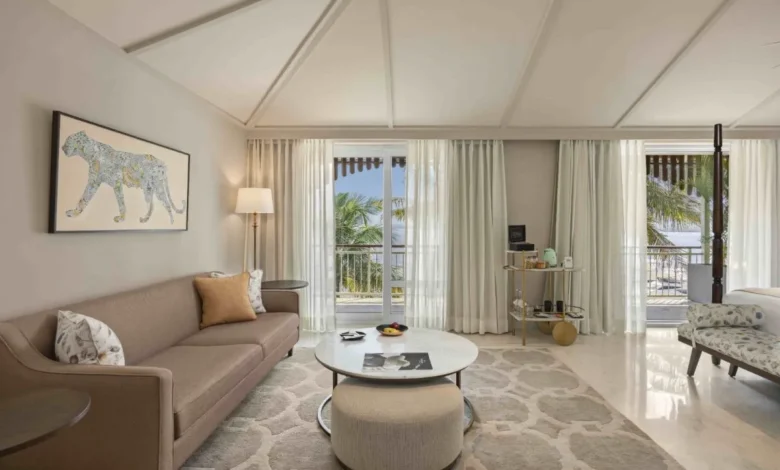
The Postcard Hotel, a luxury hospitality brand widely recognized for its secluded, leisure-oriented retreats across South Asia, is preparing to make a strategic leap into the heart of India’s bustling metropolitan business districts. Known for deliberately avoiding urban centers in favor of remote beaches, tranquil tea estates, and wild wildlife sanctuaries, the brand is now pivoting toward a city-centric growth model. In an exclusive interview, founder and Chief Executive Officer Kapil Chopra revealed that the company is actively developing an innovative urban format that merges boutique, nearly-all-suite luxury accommodations with exclusive, integrated private members’ clubs.
This ambitious expansion strategy targets India’s primary economic hubs—specifically Delhi, Mumbai, Bengaluru, and Hyderabad. According to leadership, active discussions are already underway across three distinct locations to secure prime real estate that can support this dual-purpose hospitality and social model. By combining high-end lodging with curated private club spaces, The Postcard Hotel aims to capture a lucrative segment of affluent domestic travelers, corporate leaders, and international executives who demand both elite urban lodging and private networking environments.
The Evolution of a Luxury Disrupter
Founded in 2018 by hospitality veteran Kapil Chopra, alongside a team of industry experts, The Postcard Hotel entered the luxury travel market with a mandate to challenge traditional, cookie-cutter hospitality models. From its inception, the brand rejected massive inventory sizes, sprawling banquet operations, and standardized guest experiences. Instead, it championed intimate properties defined by hyper-personalized service, striking architectural integration with local surroundings, and an unwavering commitment to understated luxury.
Over the last six years, the company has methodically scaled its footprint to a curated portfolio of 12 operating properties. Its current collection reads like a map of South Asia’s most picturesque and ecologically rich destinations. Guests seeking seclusion have checked into The Postcard properties nestled along the sun-drenched beaches of North and South Goa, overlooking the tranquil waters of the Mandovi River, amid the lush, undulating tea estates of Assam, and on the edge of the rugged wilderness of Gujarat’s Gir National Park, home to the Asiatic lion.
Each property was designed to function as an escape from the frantic pace of modern life. However, as the brand matured and built a fiercely loyal clientele of high-net-worth individuals, the leadership team identified a glaring gap in the market. Frequent travelers who embraced The Postcard ethos during their vacations were forced to compromise on similar standards of intimacy, design, and personalized service when traveling for business or seeking high-end urban social clubs in India’s tier-one cities.
Decoding the Urban Strategy: Suites and Private Clubs
The upcoming expansion into urban centers represents a fundamental shift in how the brand operationalizes luxury, yet it remains anchored in the core philosophies that drove its early success. The newly conceptualized urban format is built around two primary pillars: an all-suite or nearly-all-suite configuration and an integrated private members’ club.
Urban real estate in metropolitan areas like Mumbai and Delhi is notoriously expensive, making traditional sprawling resort designs financially unviable. To circumvent this, Chopra and his development team have engineered a financially workable format that maximizes revenue per available room while maintaining spatial exclusivity. By focusing entirely on suites rather than standard guest rooms, the brand targets affluent corporate executives, diplomatic delegations, and luxury leisure travelers who prioritize space, privacy, and frictionless digital check-in experiences.
Simultaneously, the integration of a private members’ club addresses a burgeoning demand within India’s elite socioeconomic strata. While major global cities have long boasted storied private clubs, India’s urban centers are experiencing a renaissance in demand for curated social and professional networking spaces. By housing these clubs within the same property as the luxury suites, The Postcard Hotel creates a symbiotic ecosystem. Hotel guests gain access to exclusive dining, workspaces, and networking events, while local members provide a steady, recurring revenue stream and a vibrant social atmosphere that enhances the property’s overall prestige.
Discussions are currently progressing at three distinct sites across the targeted metropolitan areas. While formal property announcements and development timelines remain under wraps, real estate analysts anticipate that these upcoming urban outposts will leverage historical buildings, boutique high-rises, or meticulously restored heritage properties to maintain the brand’s penchant for architectural uniqueness.
Industry Context and Competitive Landscape
The timing of The Postcard Hotel’s urban expansion aligns with broader macroeconomic trends sweeping across India’s hospitality and luxury sectors. India’s economy continues to register robust growth, propelling a massive expansion of the domestic affluent class. According to recent market research reports, the Indian luxury travel market is expanding at a compound annual growth rate exceeding 12%, driven by rising disposable incomes, increased domestic tourism, and a cultural shift toward experiential and bespoke travel.
Furthermore, the post-pandemic hospitality landscape has witnessed a permanent evolution in consumer expectations. Travelers are increasingly intolerant of impersonal mass-market hotels and are actively seeking boutique properties that offer genuine local immersion, privacy, and uncompromising service standards. By entering the urban market with a hybrid hotel-and-club model, The Postcard Hotel is positioning itself directly against legacy international luxury hotel chains that have long dominated India’s business districts.
While global giants such as Taj Hotels, Oberoi Hotels & Resorts, Marriott International, and Hyatt maintain a formidable presence in Delhi, Mumbai, Bengaluru, and Hyderabad with large-scale luxury properties, they often struggle to deliver the intimate, hyper-personalized service that defines boutique operators. By offering a product that caps its room inventory and focuses heavily on exclusive membership communities, The Postcard Hotel carves out a distinct niche that appeals to discerning clientele fatigued by the corporate uniformity of mega-hotels.
Financial Viability and Scalability
In the competitive world of luxury hospitality, balancing visionary design with fiscal discipline is paramount. Kapil Chopra has repeatedly emphasized that expansion must be financially sustainable. The decision to introduce an all-suite urban format integrated with a private club is a calculated move designed to optimize return on investment for property owners and investors alike.
Operating an all-suite hotel inherently yields higher Average Daily Rates (ADR) compared to traditional room configurations. When combined with the high-margin, recurring revenue model of a private members’ club—which typically generates income via initiation fees, annual dues, and dedicated food and beverage spend—the financial model becomes remarkably resilient against economic fluctuations. Private clubs ensure a baseline of local patronage, insulating the property from seasonal dips in tourism and business travel.
Industry analysts note that this hybrid model also significantly enhances brand stickiness. A business traveler who frequents The Postcard’s urban private club in Mumbai during the workweek is exponentially more likely to book a weekend getaway at The Postcard Gir Wildlife Sanctuary or a beachfront retreat in Goa. This integrated customer journey maximizes lifetime customer value and strengthens brand loyalty across both leisure and corporate segments.
Broader Implications and Future Outlook
The strategic pivot by The Postcard Hotel signals a mature phase in the company’s corporate lifecycle. Moving from a niche leisure operator to a multi-format lifestyle brand requires careful navigation of brand equity, operational scaling, and real estate acquisition. If executed successfully, the urban expansion could serve as a blueprint for further domestic and potentially international growth.
As discussions finalize across Delhi, Mumbai, Bengaluru, and Hyderabad, stakeholders across the hospitality industry will be watching closely to see how the brand translates its renowned remote-retreat hospitality into the fast-paced, demanding environment of India’s commercial capitals. By maintaining its commitment to intimate scale, architectural integrity, and exclusive social integration, The Postcard Hotel is poised to redefine urban luxury hospitality in South Asia, proving that even in the heart of the metropolis, travelers continue to crave the art of slow, personalized living.